After decades of political setbacks, Iran’s former Revolutionary Guards commander has returned to the center of power. Is he an incidental beneficiary of war, or have observers underestimated him all along?
The Unavoidable Neighbor: Managing Iran Beyond the War
Gulf states and their partners are increasingly looking beyond their most immediate interests of containing the war with Iran. While recent talks between Saudi Arabia, Turkey, Pakistan, and Iran have kept de-escalation on the agenda, a broader regional security framework and non-aggression pact has also emerged, envisioning a longer-lasting solution to regional conflicts. The talks have yet to produce a settlement, but they reflect a growing recognition that Gulf security cannot depend entirely on Washington. Iran will still be there, and its neighbors will have to find ways of living with it.
Recent Elections and What They May Mean for the Middle East
Recent elections for the Israeli Knesset and American Congress may make less of a difference in the Middle East than some people think. Elections are significant indicators of national political trends, but do not always translate into changes in national security strategies. That is likely the case now in both nations.
Iran’s Intelligence Ministry Denies Medical Treatment to Elderly Baha'i Languishing in Jail
Iran’s Intelligence Ministry is refusing necessary medical treatment to Jamaloddin Khanjani, an 83-year-old former community leader of the Baha’i minority who has spent more than nine years in an Iranian jail.
Arab Leaders Accuse Iran of Sharing Missile Technology with Houthi Rebels in Yemen
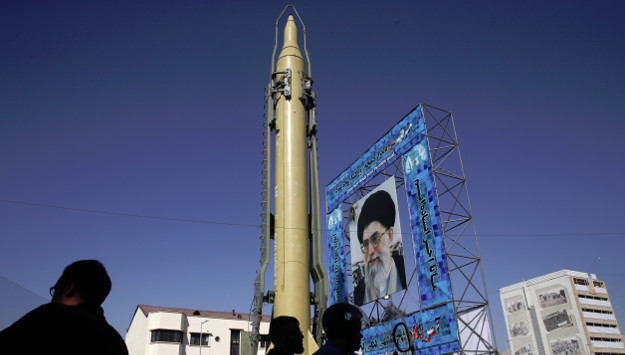
Major General Ahmed al-Assiri, the spokesperson of the Saudi-led coalition forces, has accused Iran of intensifying and prolonging the Yemeni conflict by supporting Houthi rebels, including sharing missile technology with the militants.
Iran and Russia Team up with Taliban to Undermine U.S.-led Mission in Afghanistan
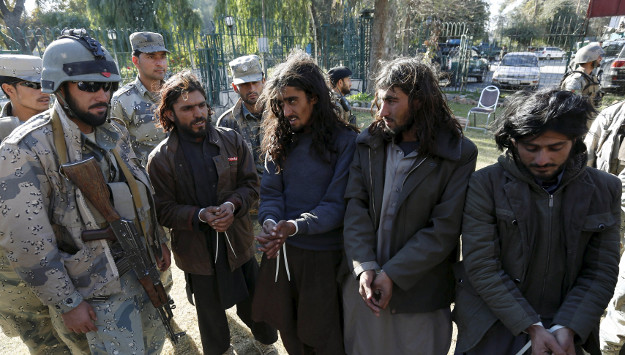
Afghan and U.S. officials say Iran and Russia have teamed up to undermine the U.S.-led stabilization efforts in Afghanistan by sheltering, training, funding and arming Taliban insurgents. They claim that the two countries have not only expanded their diplomatic engagement with the Taliban leadership, but are also providing advanced weapons to the insurgents that are fighting the Afghan government and the U.S.-led coalition forces in the country.
Renewal of U.N. Special Rights Rapporteur’s Mandate Angers Iran
Iran’s Foreign Ministry has denounced as “selective and spiteful” the U.N. Human Rights Council’s resolution to renew the mandate of a U.N. special rapporteur to investigate human rights situation in Iran, the Press TV reports.
Top Iranian Cleric Warns of Plot by “Secular” Iranians and “Foreigners” to Topple Regime
A top aide to Supreme Leader Ali Khamenei has warned that “a number of opportunists” intend to wage a “political expedition” to empower “secular” movements in order to seize power in the country.
A bipartisan group of U.S. senators today introduced a bill that would impose tighter U.S. sanctions on Iran for its ballistic missile program and other non-nuclear activities, Reuters reports.
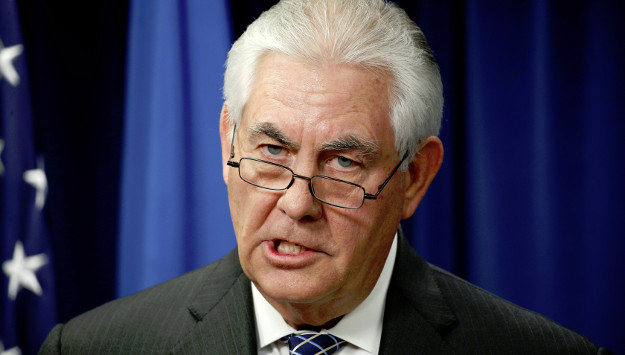
Tillerson’s Remark on U.S. Long-Term Strategy in Syria and Iraq Alarms I.R.G.C.
U.S. Secretary of State Rex Tillerson’s March 22 remark that the United States and its allies will remain engaged in Syria and Iraq long after the Islamic State is defeated has provoked an angry reaction in Iran.
Rouhani’s Letter to Supreme Leader: We’ll Work to Strengthen “Resistance Economy”
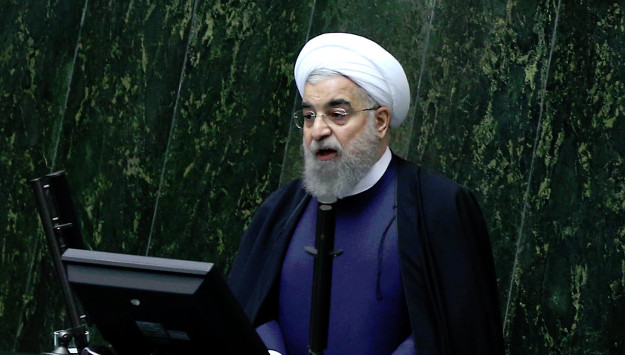
Iranian President Hassan Rouhani has pledged that his government will do its utmost to implement policies that will strengthen the country’s “resistance economy” and stimulate growth. In a letter to Supreme Leader Ali Khamenei on Wednesday, Rouhani emphasized that his administration planned to hold a cabinet session to discuss Supreme Leader’s latest instructions and explore ways of increasing domestic production and creating jobs – particularly for young Iranians.
U.S. Commanders: Iran Navy Is Disrupting International Navigation by Harassing Warships
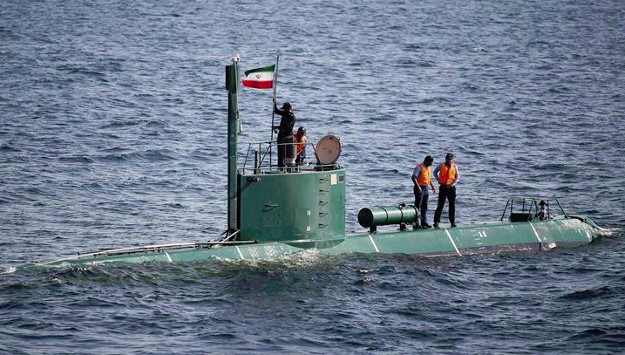
U.S. Navy commanders have expressed the concern that Iranian naval forces are disrupting international navigation by “harassing” warships passing through the strategic Strait of Hormuz, Reuters reported on Wednesday. The U.S.
Javad Zarif: Iran “Completely Ready” to Resume Nuclear Program
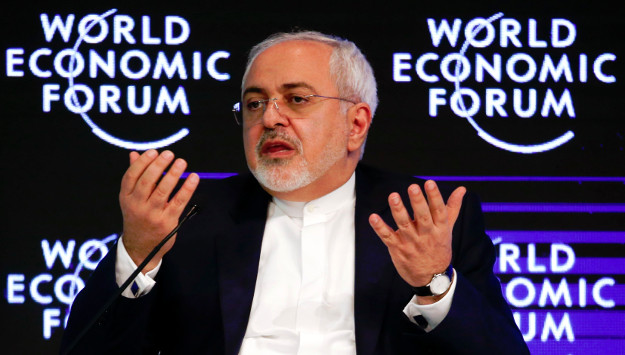
Iran’s Foreign Minister Mohammad Javad Zarif has warned that his government is “completely ready” to restart its nuclear program if the United States fails to adhere to the 2015 nuclear agreement. “If America reneges on the deal to the level that the continuation of the J.C.P.O.A. [Joint Comprehensive Plan of Action] harms our national interests, the Islamic Republic of Iran is completely ready to return to the pre-J.C.P.O.A.