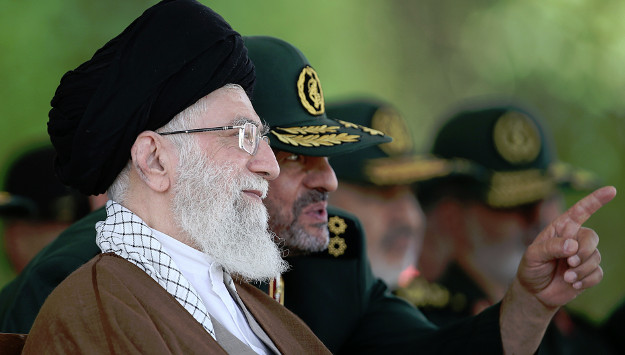
After decades of political setbacks, Iran’s former Revolutionary Guards commander has returned to the center of power. Is he an incidental beneficiary of war, or have observers underestimated him all along?
The Unavoidable Neighbor: Managing Iran Beyond the War
Gulf states and their partners are increasingly looking beyond their most immediate interests of containing the war with Iran. While recent talks between Saudi Arabia, Turkey, Pakistan, and Iran have kept de-escalation on the agenda, a broader regional security framework and non-aggression pact has also emerged, envisioning a longer-lasting solution to regional conflicts. The talks have yet to produce a settlement, but they reflect a growing recognition that Gulf security cannot depend entirely on Washington. Iran will still be there, and its neighbors will have to find ways of living with it.
Recent Elections and What They May Mean for the Middle East
Recent elections for the Israeli Knesset and American Congress may make less of a difference in the Middle East than some people think. Elections are significant indicators of national political trends, but do not always translate into changes in national security strategies. That is likely the case now in both nations.
Worries in Tehran as Riyadh and Washington Seek to Improve Ties
While Saudi Arabia hailed the Tuesday meeting between President Donald Trump and Deputy Crown Prince Mohammad bin Salman as a “historical turning point” in U.S.-Saudi relations, the Iranian press ex
U.N. Investigator: Iran’s Human Rights Situation Hasn’t Improved under Rouhani
Iranian President Hassan Rouhani has not fulfilled his pledge to improve the country’s human rights situation and guarantee Iranians’ civil liberties, says Asma Jahangir, the U.N. special rapporteur for Iran. In an exclusive interview with the BBC Persian on Monday, the U.N.
Iranian Lawmaker: Washington’s “Safe Zone” Plan Won’t Change Balance of Power in Syria
A senior Iranian lawmaker says the Trump administration and its allies will not be able to establish safe zones in Syria, and that the deployment of American troops to Syria will also not change the trajectory of war in the Arab country, the Iranian Parliament’s official website reports.
I.R.G.C.-Linked Media Delegation Visits Beirut to Discuss Regional Issues with Hezbollah Leaders
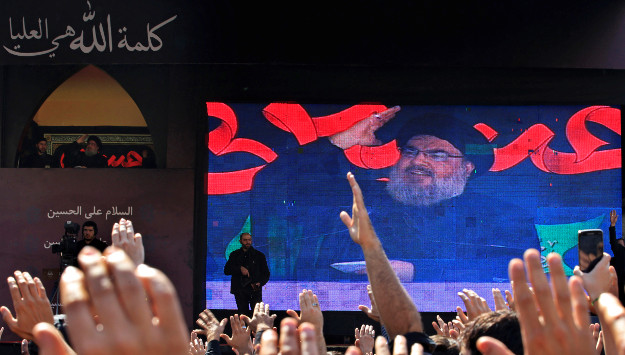
A senior delegation of Iran’s Tasnim News Agency has held meetings with a number of high-ranking officials of the Lebanese Hezbollah in Beirut, the Iranian media reports.
Diplomatic Feud Between Turkey and E.U. Grows | Monday Briefing
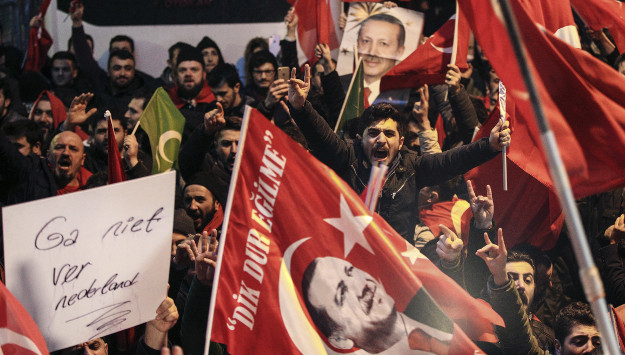
In this week’s Monday Briefing, MEI experts W. Robert Pearson, Gerald Feierstein, Yousef Munayyer, and Alex Vatanka provide analysis on recent and upcoming events including the simmering diplomatic feud between Turkey and the Netherlands, the Chinese offer to act as a mediator between Iran and Saudi Arabia, the congressional debate whether to supply aid to the Palestinian Authority, and the growing French business footprint in Iran.
Iran Arrests Opposition Leader’s Son in New Wave of Crackdown
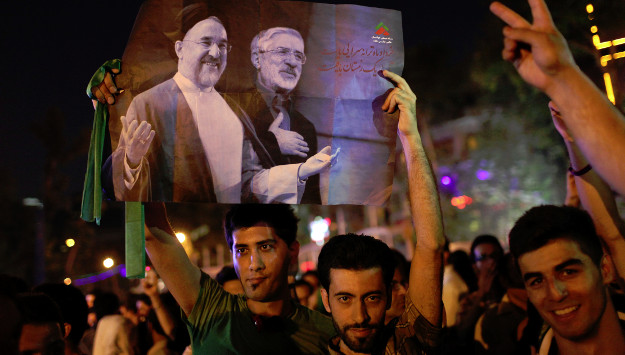
Authorities in Iran have handed a six-month jail term to a son of Mehdi Karroubi, a former Iranian opposition leader and presidential candidate who has been held under house arrest in Iran since February 2011, Iranian reformist website Kaleme reported today. A Revolutionary Court has found Hossein Karroubi guilty of “propagating against the regime” after he published his father’s open letter to President Hassan Rouhani, in which he had blasted the “despotic regime” for illegally putting him under house arrest and called for a public trial.
Khamenei’s Symbolic Clemency as Authorities Intensify Suppression of Activists
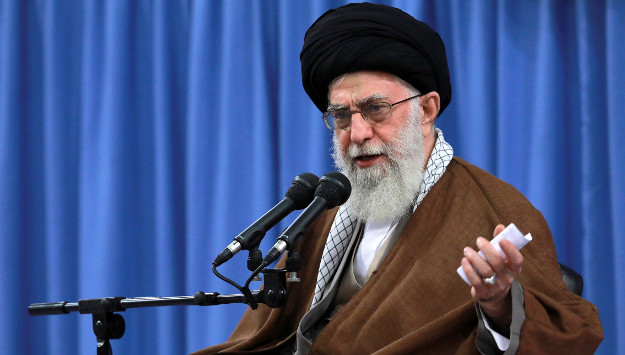
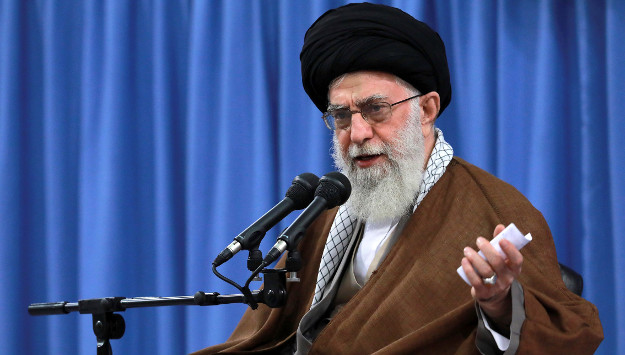
Iran’s Supreme Leader Ali Khamenei has approved a set of terms and conditions for pardoning or commuting prison sentences of a number of Iranian convicts, Khamenei’s official website reported today. Judiciary Chief Sadegh Larijani had asked the Supreme Leader to review and authorize the conditions under which the Judiciary could grant clemency to certain convicts on the occasions of the birthday of Prophet Muhammad’s daughter and the upcoming Iranian New Year – which begins on March 21.
Iran-Backed Militia Groups Continue to Play Key role in West Mosul Operations
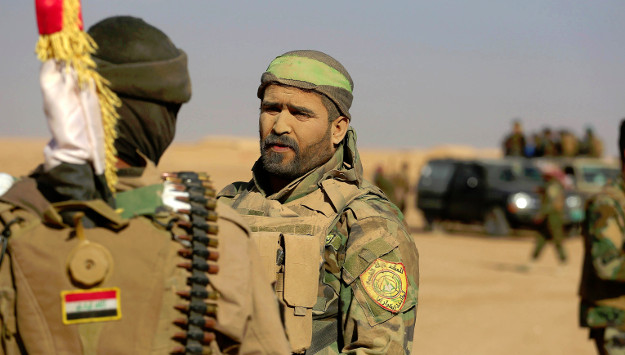
Ali al-Hussaini, a spokesman of the Iraqi Hashd al-Shaabi (Popular Mobilization Forces), has claimed that PMF forces have made significant territorial gains in western Mosul and the operation to liberate the strategic city of Tal Afar will begin soon.
While Iraqi forces are fighting to retake the western half of Mosul from Islamic State fighters, internal divisions regarding the future of Iraq’s political process are escalating ahead of provincial elections scheduled for September, especially within the country’s largest Shiite political bloc, the Shiite National Alliance.