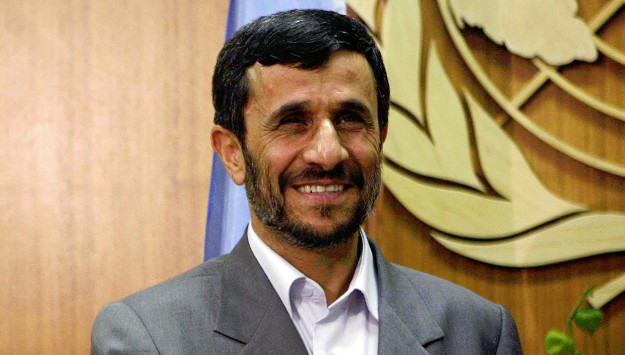
After decades of political setbacks, Iran’s former Revolutionary Guards commander has returned to the center of power. Is he an incidental beneficiary of war, or have observers underestimated him all along?
The Unavoidable Neighbor: Managing Iran Beyond the War
Gulf states and their partners are increasingly looking beyond their most immediate interests of containing the war with Iran. While recent talks between Saudi Arabia, Turkey, Pakistan, and Iran have kept de-escalation on the agenda, a broader regional security framework and non-aggression pact has also emerged, envisioning a longer-lasting solution to regional conflicts. The talks have yet to produce a settlement, but they reflect a growing recognition that Gulf security cannot depend entirely on Washington. Iran will still be there, and its neighbors will have to find ways of living with it.
Recent Elections and What They May Mean for the Middle East
Recent elections for the Israeli Knesset and American Congress may make less of a difference in the Middle East than some people think. Elections are significant indicators of national political trends, but do not always translate into changes in national security strategies. That is likely the case now in both nations.
Iran’s Scathing Attack on Turkey as Syria Peace Talks Begin in Geneva
In the latest episode of escalating diplomatic tension between Tehran and Ankara, Iran’s foreign minister today blasted latest statements by Turkish officials accusing Iran of destabilizing the Middle East and fueling sectarian divide in the region.
Iran Hands Long Jail Terms for Azeri Activists for Peaceful Protest
Authorities in Iran have sentenced four Iranian ethnic Azerbaijanis to long jail terms for “peacefully defending their rights,” the Campaign for Human Rights in Iran reports.
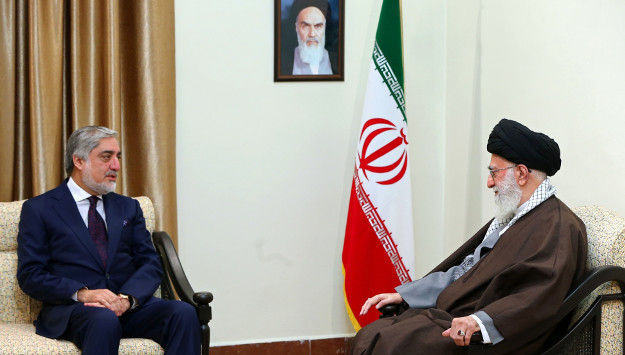
Afghan Daily: Tehran “Blackmails” Kabul for Political Concessions
Afghanistan’s leading daily newspaper Hasht-e Sobh has blasted the Iranian government for blocking Afghanistan’s accession to the Transport Corridor Europe-Caucasus-Asia (TRACECA) and using its leverage within TRACECA to “blackmail” the Afghan government and seek political concessions from Kabul.
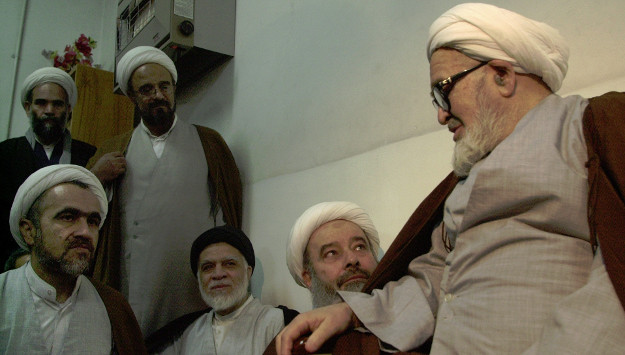
Son of Dissident Cleric Begins Six-Year Jail Term for Releasing Mass Execution Tape
The Iranian authorities yesterday arrested Ahmad Montazeri, the son of one of the founding fathers of Islamic Republic, to serve a six-year jail term for releasing tapes that shed further light on the regime’s mass executions of political prisoners in 1988, the Iranian media reports.
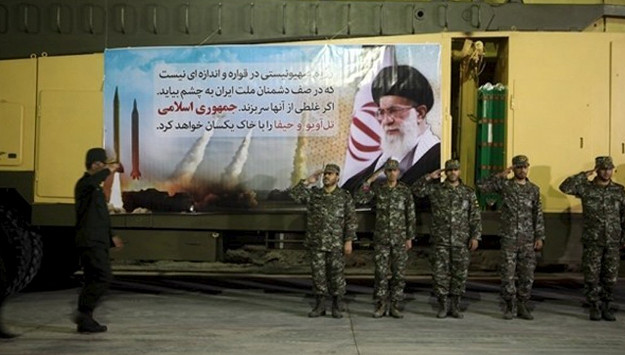
Iran's Defense Minister Says Will Continue Missile Activity, Calls for Israel’s Destruction
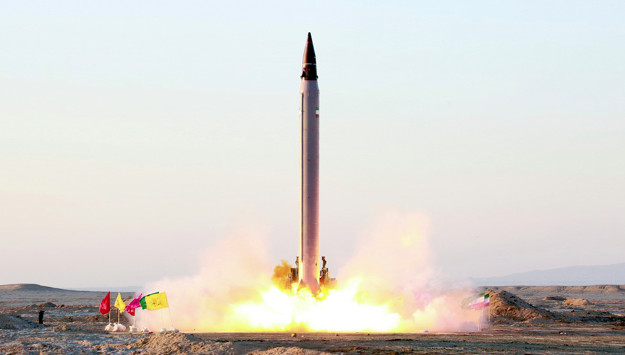
Iran has increased the range, precision and longevity of its ballistic missiles and will continue to increase its defensive power, Iranian Defense Minister Brigadier General Hossein Dehghan said earlier today.
Top U.S. General Says Iran’s Behavior Unchanged despite Washington’s Warnings
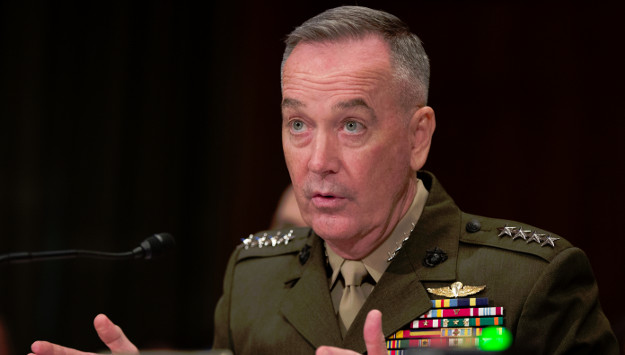
Iran’s behavior has not changed since President Donald Trump put the country “on notice,” Chairman of the Joint Chiefs of Staff Gen. Joseph Dunford said at a public conference at the Brookings Institution earlier today. “From my perspective, the major export of Iran is actually malign influence across the region,” he explained.
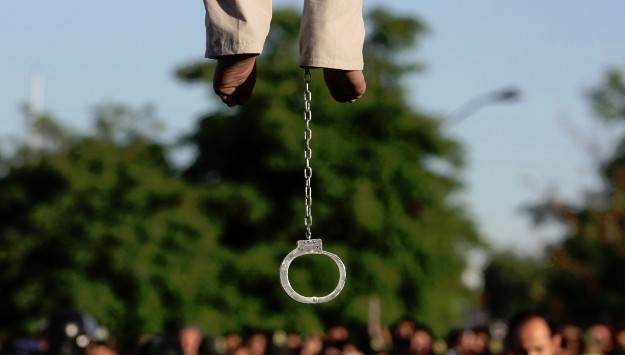
Top Iranian Sunni Leader Urges Khamenei to Probe Reports of Speedy Execution of Sunnis
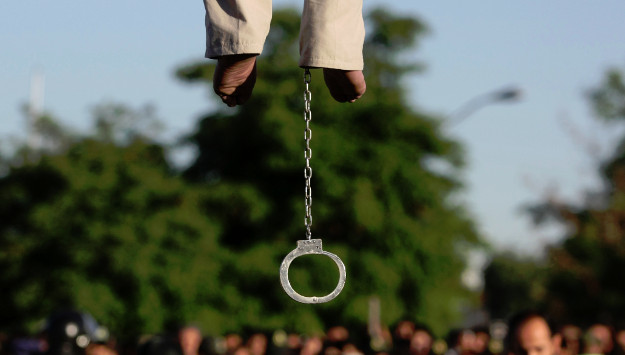
The top religious leader of Iran’s Sunni minority has written to Supreme Leader Ali Khamenei to express his community’s concern over reports of a “secret order” issued by the country’s Judiciary to speed up the execution of Sunni death-row prisoners.
Weekly Briefing: Geneva Talks, Iranian War Games, and Trump's New National Security Advisor
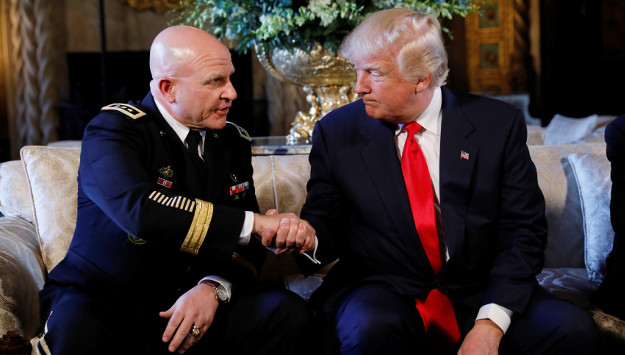
In this week’s Monday Briefing, contributors Randa Slim, Alex Vatanka, Paul Salem, and Antoun Issa provide analysis on recent and upcoming events including the next round of Syria talks in Geneva, Iranian war games directed at President Trump, the appointment of a new U.S. National Security Advisor to replace Michael Flynn, and Israeli PM Netanyahu’s trip to Australia.
Amnesty International’s 2016/17 Report Exposes Iran’s Record of Human Rights Abuses
The Amnesty International Report 2016/17 released yesterday blasted the Iranian regime’s record of human rights abuses, particularly acts of torture and imprisonment of political activists after unfair trials, discrimination against ethnic and religious minorities, and an alarming number of executions.