After decades of political setbacks, Iran’s former Revolutionary Guards commander has returned to the center of power. Is he an incidental beneficiary of war, or have observers underestimated him all along?
The Unavoidable Neighbor: Managing Iran Beyond the War
Gulf states and their partners are increasingly looking beyond their most immediate interests of containing the war with Iran. While recent talks between Saudi Arabia, Turkey, Pakistan, and Iran have kept de-escalation on the agenda, a broader regional security framework and non-aggression pact has also emerged, envisioning a longer-lasting solution to regional conflicts. The talks have yet to produce a settlement, but they reflect a growing recognition that Gulf security cannot depend entirely on Washington. Iran will still be there, and its neighbors will have to find ways of living with it.
Recent Elections and What They May Mean for the Middle East
Recent elections for the Israeli Knesset and American Congress may make less of a difference in the Middle East than some people think. Elections are significant indicators of national political trends, but do not always translate into changes in national security strategies. That is likely the case now in both nations.
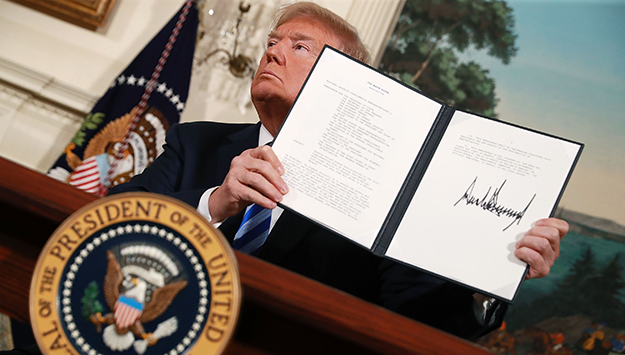
Alex Vatanka and Gerald Feierstein join host Paul Salem to discuss reactions in the region and around the world to Trump’s announcement that the United States will withdraw from the Iran nuclear deal and restore sanctions on Iran.
Iran’s militia allies in Iraq eye election victory to consolidate gains, expel US
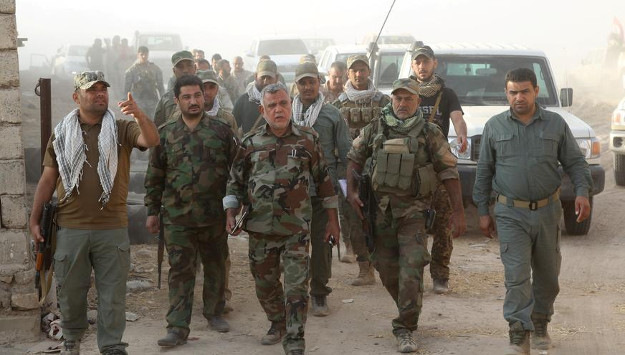
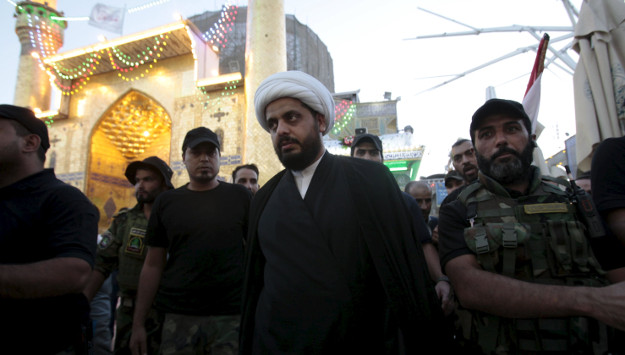
As Iraqis are heading to the polls on Saturday to vote in the country’s parliamentary elections, the Fateh Alliance, a coalition dominated by Iranian-backed militia groups, is confident that it will win sufficient parliamentary seats to choose the country’s next prime minister. Abu Ala al-Wa’eli, the commander of Kata’ib Sayyid al-Shuhada, a militia unit within the Popular Mobilization Force (PMF) and part of the Fateh Alliance, said the alliance has not nominated anyone to become the next prime minister but will play the kingmaker in the post-election government formation process.
Special briefing: The far-reaching impacts of Trump's withdrawal from the Iran nuclear deal
In this special briefing, MEI experts Bilal Y. Saab, Alex Vatanka, Randa Slim, Ahmad Majidyar, Gerald Feierstein, Gonul Tol, and Marvin G. Weinbaum discuss President Trump’s announcement that the United States will withdraw from the Iran nuclear deal and its ramifications for the region.
Iran’s Sixth Five-Year Development Plan (2016-21) identifies the energy sector as a key source of revenue and driver of economic growth.[1] The plan envisages increasing oil output by 2 million barrels per day (bpd) to 4.8 million bpd.[2] Achieving this ambitious target will require substantial foreign investment, technology, and expertise.
Trump's goal in Iran is regime change | Monday Briefing
In this week’s Monday Briefing, MEI experts Alex Vatanka, Randa Slim, and Randa Slim provide analysis on recent and upcoming events including President Trump’s decision on whether to withdraw from the Iran nuclear deal, what this weekend’s election results in Lebanon indicate about Hezbollah’s standing in the country, and expectations for the outcome of Iraq’s elections on May 12.
Rouhani rejects JCPOA renegotiation, hints Tehran may remain in deal without US
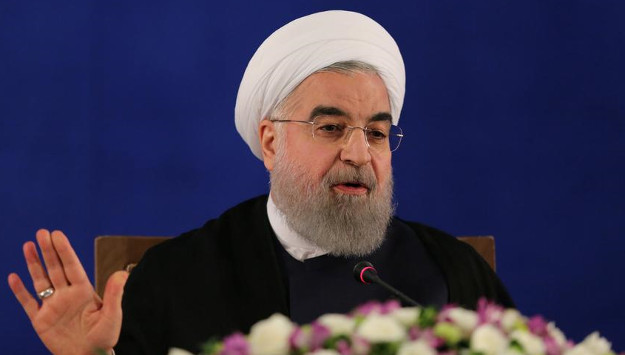
In contrast to bellicose statements from Tehran in recent days, Iranian President Hassan Rouhani said today that Tehran would remain in the 2015 nuclear accord, even if the Trump administration abandoned it. But he said Tehran would stick to the deal only if other signatories of the deal assure Tehran that the Islamic Republic will continue to benefit from the Joint Comprehensive Plan of Action.
IRGC's role in Iran's economy growing with its engineering arm set to execute 40 mega-projects
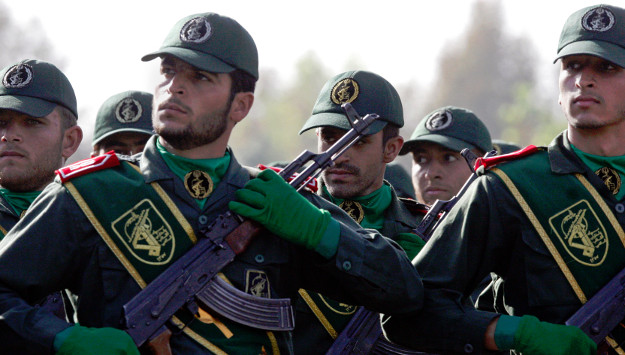
The commander of Khatam al-Anbia Construction Base, the main engineering arm of the Islamic Revolution Guards Corps (IRGC), has said that the conglomerate will complete 40 mega-projects in the current Iranian year, which began on March 21.
Iranian leaders say “axis of resistance” will retaliate against Israel for Syria strikes
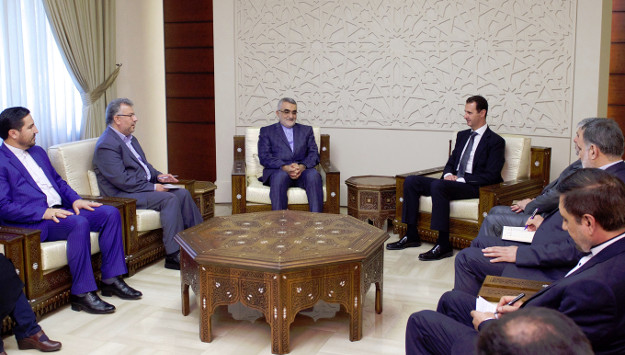
On an official visit to Damascus this week, the chairman of the Iranian Parliament’s National Security and Foreign Policy committee said that the Islamic Republic would retaliate against Israel for last month’s strikes on an air Syrian military base that killed several Iranian nationals. “We will respond to any aggression on Iran at the appropriate time and place,” Alaeddin Boroujerdi said at a news conference in the Syrian capital on Tuesday. The senior Iranian lawmaker made the remarks after meeting with President Bashar al-Assad and top Syrian officials and parliamentarians.
Iran-backed Fateh Alliance seeks to win or play kingmaker in upcoming Iraqi elections
With Iraq’s May 12 parliamentary elections nearing, the coalition of Iranian-supported militia groups called Fateh Alliance is confident that it can translate its military gains into a political victory by either winning the premiership or playing kingmaker in the post-election government formation process, according to Tasnim News Agency, an outlet affiliated with Iran’s Revolutionary Guards.
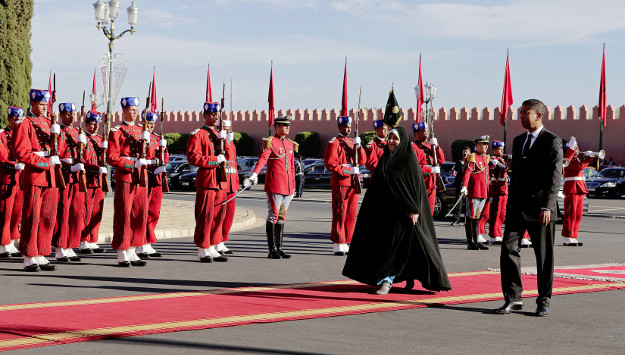
Morocco cuts ties with Tehran, accusing Iran and Hezbollah of arming Polisario Front
The Moroccan government announced yesterday that it has severed its diplomatic relations with Iran over Tehran’s support for the Polisario Front, a separatist movement in Western Sahara,
Conflicting reports on suspected Israeli strikes targeting Iranian-backed Afghan militia in Syria
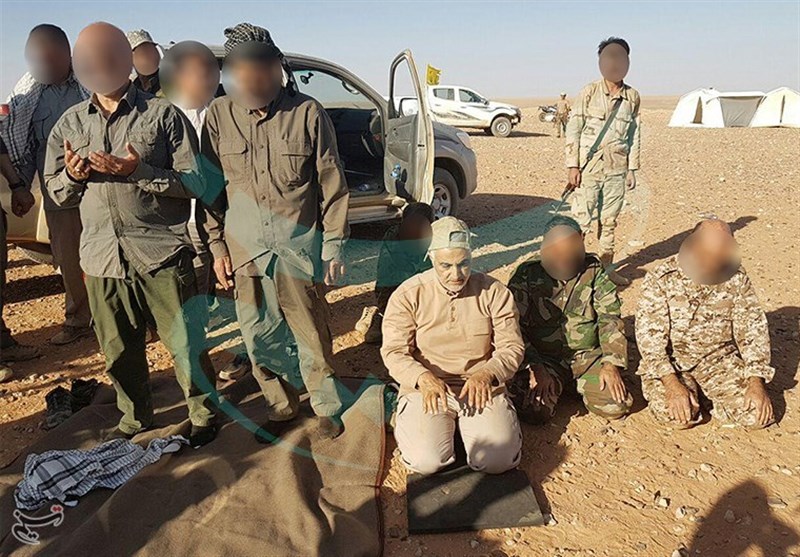
The commander of the Fatemiyoun Division, an all-Afghan militia unit fighting under the Iranian Revolutionary Guards’ leadership in Syria, has rejected media reports that missiles hit its military base near Syria’s northwest over the weekend. “The military base of this Division is near the city of Aleppo. No combatants from this force have been martyred by an attack as reported in the media,” Tasnim News Agency, a Revolutionary Guards mouthpiece, quoted the Afghan Shiite commander as saying in an exclusive interview, without disclosing his name.
In this week’s Monday Briefing, MEI experts Charles Lister, Gerald Feierstein, W. Robert Pearson, and Marvin G. Weinbaum provide analysis on recent and upcoming events including the escalating deterrence between Israel and Iran, Pompeo’s pressure to resolve the Gulf crisis, Turkey’s increasing isolation, and the Pashtun protests in Pakistan.
Iran’s regional allies threaten Saudi Arabia and US after Houthi leader’s death
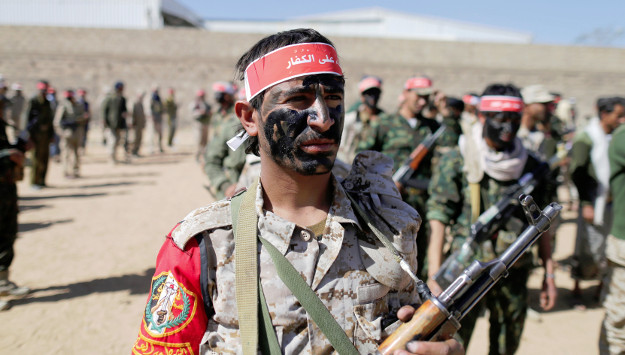
Iran’s regional militia allies have vowed retaliation for the death of Houthi leader Saleh al-Sammad in Yemen, the Iranian media reported. The Houthi rebels as well as Iran’s regional militia proxies said they would hold not only Saudi Arabia but also the United States accountable for the killing of al-Sammad. The Iraqi Hezbollah said the Houthi leader’s assassination will open a new chapter in the fight against Saudi Arabia, which it said is “mired in the Yemeni quagmire.” It also accused Washington of complicity.
European-US cooperation on nuclear deal unnerves Tehran
French President Emanuel Macron’s proposal to his US counterpart Donald Trump for a “new deal” with Iran has caused a great deal of anxiety in Tehran. Headlines in the Iranian media today, most in conservative outlets, accused France and Europe of betraying Tehran and siding with Washington. “Europe kneeled down,” read the headline of Vatan-e Emrooz. The paper wrote that the French president was the last ray of hope to save the nuclear accord and convince Trump to stick to the deal rather than scrap it.
Iran revokes Telegram license as authorities step up Internet crackdown
In the latest measure to restrict Internet and disrupt foreign messaging apps, the Iranian government today announced that it has revoked Telegram’s license to host servers inside the country, the Iranian media reported. The Supreme Cyberspace Council, an agency tasked with monitoring and filtering Internet in Iran, said the license cancellation means Telegram, used by more than a half of Iran’s 80 million population, has to transfer all its servers outside Iran, and that all incoming traffic will now have to be channeled through Iran’s gove