After decades of political setbacks, Iran’s former Revolutionary Guards commander has returned to the center of power. Is he an incidental beneficiary of war, or have observers underestimated him all along?
The Unavoidable Neighbor: Managing Iran Beyond the War
Gulf states and their partners are increasingly looking beyond their most immediate interests of containing the war with Iran. While recent talks between Saudi Arabia, Turkey, Pakistan, and Iran have kept de-escalation on the agenda, a broader regional security framework and non-aggression pact has also emerged, envisioning a longer-lasting solution to regional conflicts. The talks have yet to produce a settlement, but they reflect a growing recognition that Gulf security cannot depend entirely on Washington. Iran will still be there, and its neighbors will have to find ways of living with it.
Recent Elections and What They May Mean for the Middle East
Recent elections for the Israeli Knesset and American Congress may make less of a difference in the Middle East than some people think. Elections are significant indicators of national political trends, but do not always translate into changes in national security strategies. That is likely the case now in both nations.
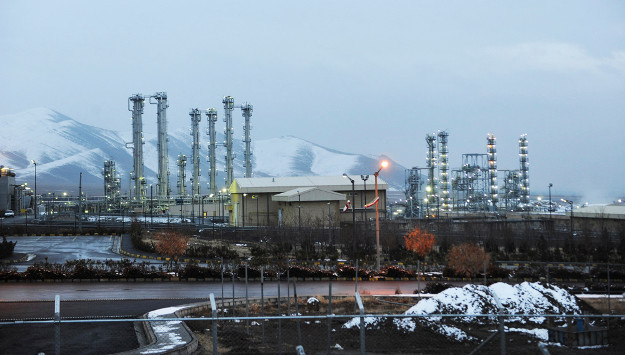
Of all the calamities that have caused mass death and destruction in the Middle East in recent years—including civil war, terrorism, ethnic cleansing, cholera, and famine—none is more potentially threatening to human life than the danger of nuclear power.
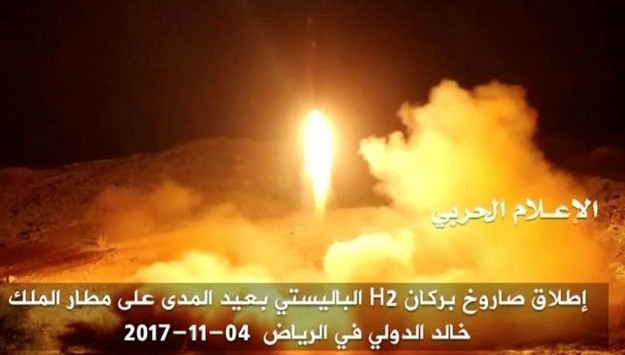
Saudi Arabia Intercepts another Houthi Missile as U.N. Monitors Suggest Iran Link
The Saudi security forces have intercepted and destroyed another ballistic missile launched from Yemen targeting the Saudi mainland, according to Saudi military officials.
Iran Rejects France’s Proposal for Missile Talks, Threatens Europe
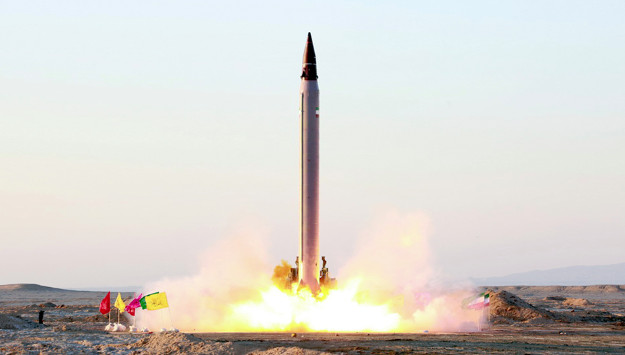
Senior Iranian officials have reiterated that the country will not negotiate with the United States and Europe powers over its missile program, the Iranian media reported.
Rouhani Government Tasks I.R.G.C. to Spearhead Reconstruction Projects in Syria
The chief commander of Iran’s Islamic Revolution Guards corps (I.R.G.C.) has revealed that the Guards, rather than the Iranian private sector or other state-run companies, will spearhead Syria’s reconstruction efforts, Tasnim News Agency reported.
Iran-Backed Groups Form “The Mujahideen Alliance” to Contest Next Iraqi Elections
With the fight against ISIS in Iraq almost over, Iran’s allies within the Iraqi Popular Mobilization Forces (P.M.F.) are gearing up for next year’s parliamentary elections. In the latest effort, several Iranian-backed P.M.F.
Today, the latest round of UN-brokered Syria peace talks begins in Geneva, with the goal of bringing President Bashar al-Assad and various armed opposition factions to a political settlement that could put an end to half a decade of civil war in the country.
Trump’s Reported Plan to Shake up National Security Team Alarms Iran
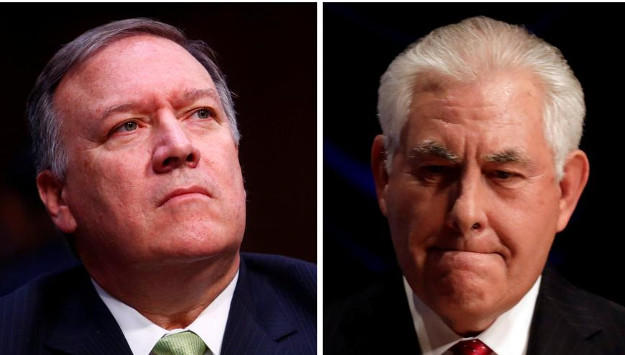
The New York Times reported today that the White House has developed a plan to replace Secretary of State Rex Tillerson with C.I.A. Director Mike Pompeo and appoint Senator Tom Cotton the new C.I.A. chief. The news will certainly alarm Tehran. Iran’s Fars News Agency was quick to report on the potential cabinet shake-up in Washington.
Iran Appears Unwilling to Withdraw Its Forces from Southern Syria
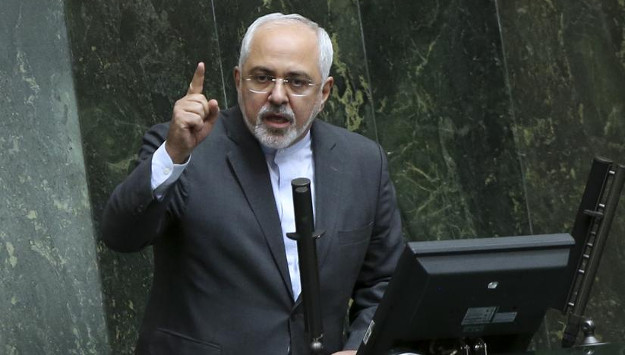
Iran’s Foreign Minister Javad Zarif said today that Iran is not obliged to abide by any agreement between the United States and Russia about southwestern Syria. “America and Russia cannot make a decision for Iran. We are present in Syria based on a request from the Syrian government and will act upon that request. However, Russia has not requested us to do anything (to pull out Iranian and Iran-led forces from southwestern Syria),” the top Iranian diplomat explained.
Iran-Backed Badr Organization Calls on U.S. Troops to Leave Iraq
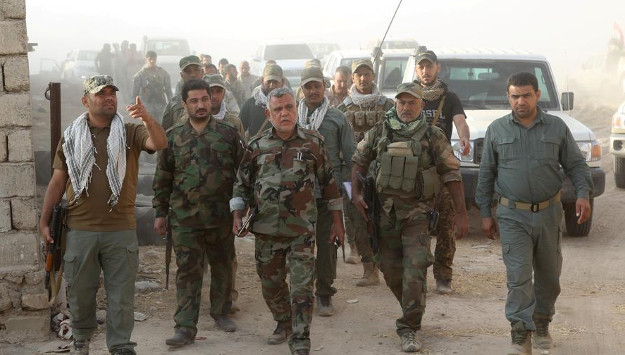
A prominent Iranian-backed commander of Iraq’s Popular Mobilization Force (P.M.F.) has called for the withdrawal of American troops from the country following the defeat of the Islamic State. “We will adopt a parliamentary decision to pull out all American troops” Hadi al-Ameri, the head of the Badr Organization, said in an exclusive interview with Iran’s Press TV. He emphasized that the P.M.F. will not allow a single U.S. soldier to remain in Iraq now that ISIS is being driven out of its last pockets in the country.
Afghan Official in Deep Water after Praising Role of Soleimani and Shiite Militias in Syria
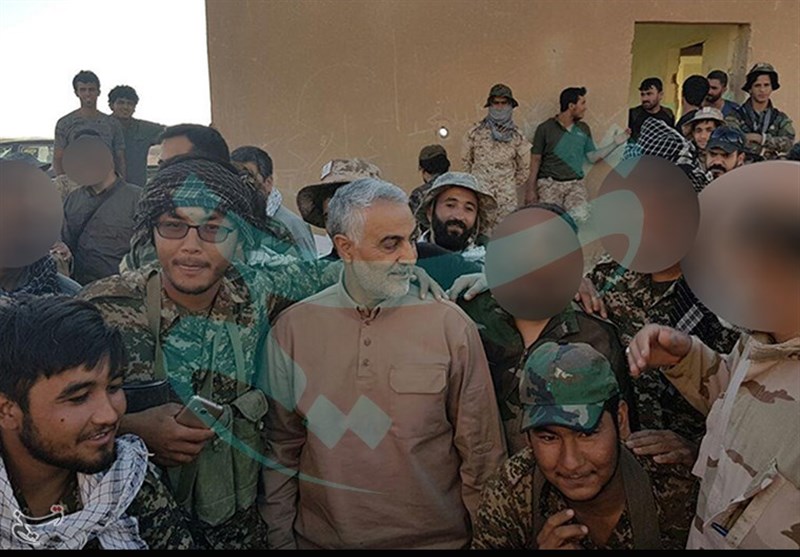
Mohammad Mohaqeq, a deputy chief executive of Afghanistan, has come under fire at home after he praised the role of Iran and its regional proxies in the Syrian conflict. Speaking at a conference in Tehran last week, Mohaqeq congratulated Qassem Soleimani, the commander of Iran’s elite Quds Force, and Hassan Nasrallah, the leader of the Lebanese Hezbollah, for the “victory” against ISIS. But what particularly triggered angry reactions in Afghanistan was Mohaqeq’s praise for Afghan Shiite militias, known as the Fatemiyoun Division, who are fighting in Syria under Soleimani’s leadership.
I.R.G.C. Chief: Creation of “International Basij” Fulfills Islamic Revolution Goal
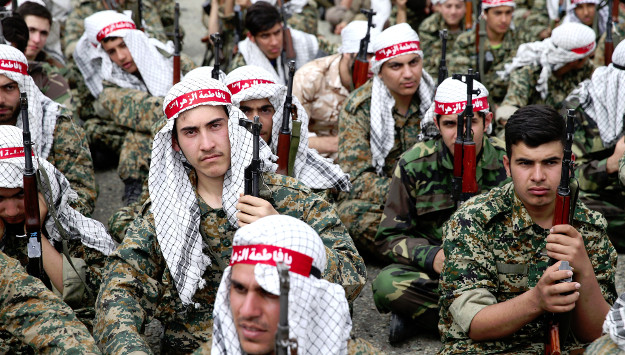
The creation of an “international Islamic Basij” force to resist against the United States and its allies fulfills one of the main goals of Iran’s Islamic Revolution, said Major General Ali Jafari, the chief commander of Iran’s Islamic Revolution Guards Corps (I.R.G.C.).
Khamenei Calls for Navy Expansion despite Regional Concerns
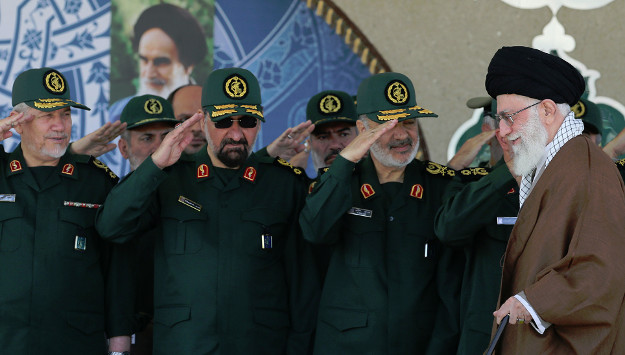
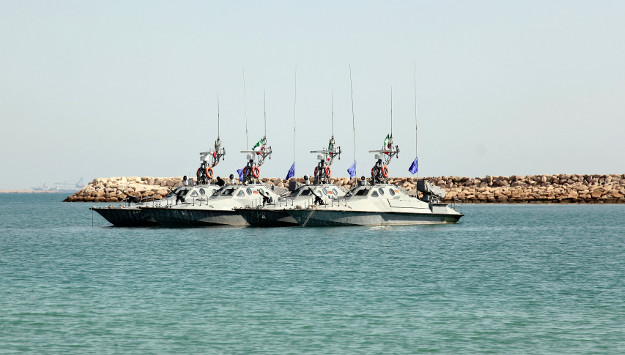
Iran’s Supreme Leader Ali Khamenei today called on the country’s military leaders to expand the country’s naval capabilities, the Iranian media reported. In a meeting with senior Navy commanders in Tehran, Khamenei said the Navy should boost its assets and capabilities both in terms of military gear and combat power. He praised the latest progress of the Navy but stressed that Navy officials should accelerate the development of its assets.
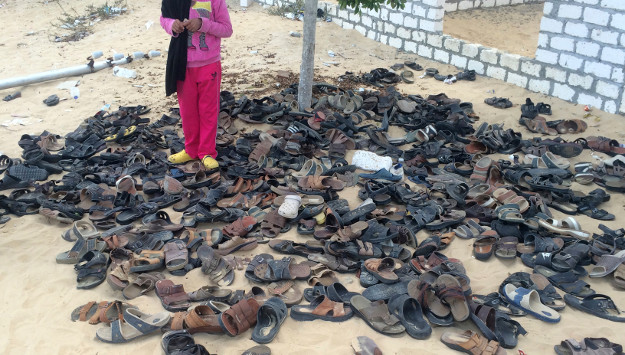
In this week’s Monday Briefing, MEI experts Charles Lister, Randa Slim, and Alex Vatanka provide analysis on recent and upcoming events including Egypt’s ongoing struggle with terrorism following the recent attack in Rawda mosque, the next round of intra-Syrian Geneva negotiations, and Iran’s anxiety over Russia’s plans in Syria.