After decades of political setbacks, Iran’s former Revolutionary Guards commander has returned to the center of power. Is he an incidental beneficiary of war, or have observers underestimated him all along?
The Unavoidable Neighbor: Managing Iran Beyond the War
Gulf states and their partners are increasingly looking beyond their most immediate interests of containing the war with Iran. While recent talks between Saudi Arabia, Turkey, Pakistan, and Iran have kept de-escalation on the agenda, a broader regional security framework and non-aggression pact has also emerged, envisioning a longer-lasting solution to regional conflicts. The talks have yet to produce a settlement, but they reflect a growing recognition that Gulf security cannot depend entirely on Washington. Iran will still be there, and its neighbors will have to find ways of living with it.
Recent Elections and What They May Mean for the Middle East
Recent elections for the Israeli Knesset and American Congress may make less of a difference in the Middle East than some people think. Elections are significant indicators of national political trends, but do not always translate into changes in national security strategies. That is likely the case now in both nations.
Hariri’s Resignation Alarms Tehran about Lebanon’s Future
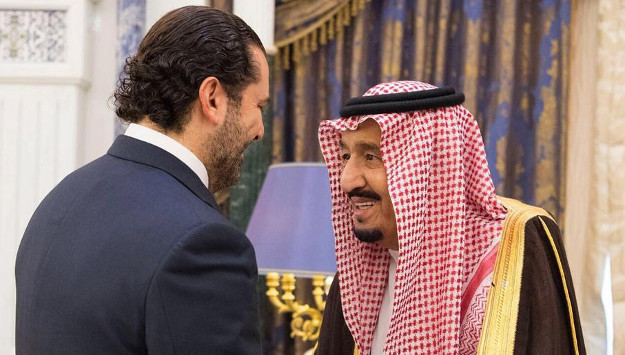
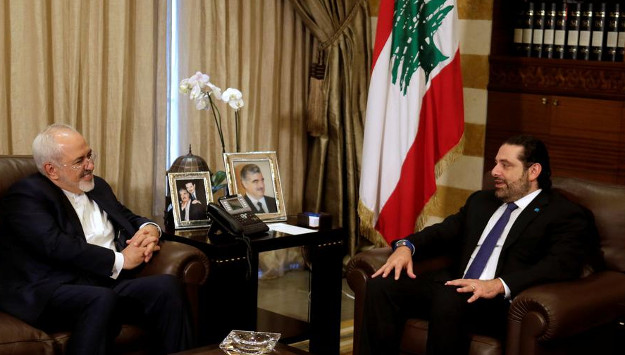
The resignation of Lebanese Prime Minister Saad Hariri on Sunday has sent shockwaves in Tehran. While Iranian leaders and their regional allies try to appear measured and confident, they fear that political instability in Lebanon and a potential war between Israel and Iran’s ally Hezbollah – particularly at a time when Hezbollah and other Iranian proxies are still engaged in the Syrian war – could adversely impact Tehran’s regional ambitions.
Iran Sees Hariri’s Resignation as Part of U.S.-led Plan to Counter Its Regional Influence
Saad Hariri’s unexpected resignation has rattled Tehran. Many Iranian officials, analysts and media outlets warn that the Lebanese prime minister’s resignation is part of a broader strategy by the United States and its regional allies – particularly Israel and Saudi Arabia – to counter the growing influence of Iran and its proxies in the Middle East.
The sudden resignation of Massoud Barzani as president of the Kurdish Region of Iraq (K.R.I.) casts into high relief the challenges that confront U.S. policy in the region today. Focused military action has set ISIS on its heels. Chairman of the Joint Chiefs of Staff General Joseph Dunford, U.S.
Hardliners Accuse Europe of "Betraying" Iran on Nuclear Deal
A prominent Iranian cleric today warned the Rouhani government against trusting European powers to renegotiate the Joint Comprehensive Plan of Action (JCPOA), the nuclear deal Tehran signed with world powers in 2015. “The Europeans are currently betraying [us] and defending the Americans.
Militants Kill Eight Iranian Border Guards near Turkish Border
The Iranian media reports that at least eight Iranian border guards were killed in clashes with an armed group today in the northwestern province of West Azarbaijan. Alireza Radfar, the deputy governor-general of West Azerbaijan, said the “terrorists” also sustained heavy casualties. He added that security forces are conducting a search operation in the area for other members of the group.
Khamenei: U.S. Is Iran’s “No. 1 Enemy” That Need to Confronted
Supreme Leader Ali Khamenei said today that the United States is Iran’s “number one enemy” and lashed out at President Donald Trump for calling his country a “terrorist nation.” He also stressed that Tehran will defy U.S. pressure and not give more concessions to Washington.
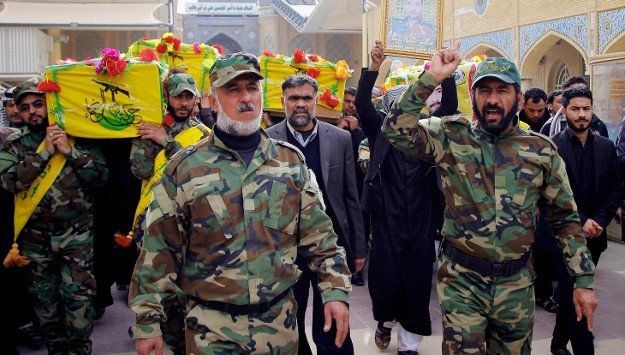
Iranian-Backed Militias Trying to Link up along Iraqi-Syrian Border
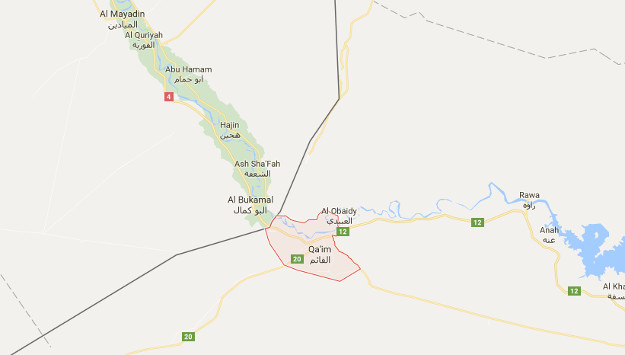
A leader of the Iraqi Popular Mobilization Forces (P.M.F.) announced today that the paramilitary forces will participate in the military operation to capture the town of al-Qaim in western Anbar Province near the Syrian border. He added that Islamic State fighters are fleeing into Syria. According to Iran’s Fars News Agency, the P.M.F. and Iraqi security forces are 13 kilometers away from the center of al-Qaim.
I.R.G.C. Outlet: Release of C.I.A.’s Al Qaeda Files New Plot against Iran
The C.I.A.’s latest release of documents seized during the 2011 Osama bin Laden raid in Abbottabad, Pakistan is the latest attempt by the Trump administration to “conspire” against the Islamic Republic, warned Fars News Agency, an Iranian outlet affiliated with the Islamic Revolution Guards Corps (I.R.G.C.). “The newly published Abbottabad documents practically have nothing new but claims that have already been made.
Khamenei: It’s “Sacred” Duty of All Muslims to Fight Israel
Iran’s Supreme Leader Ali Khamenei said it is a “sacred” and “collective” duty of all Muslims to fight against Israel. In a message to the 2nd International conference of Resistance Scholars held in the Lebanese capital of Beirut, the supreme leader stressed that Muslims should “diversify” their struggle against the Jewish state.
Iran Seeks to Deepen Its Ties with Russia to “Isolate” America
In the latest sign of warming relations between Iran and Russia, President Vladimir Putin arrived in Tehran today to participate in a trilateral summit with Iran and Azerbaijan on regional cooperation and held meetings with Iran’s leadership to discuss ways of boosting bilateral ties between Moscow and Tehran.
I.R.G.C.: No Need to Boost Our Missile Range as They Reach Most U.S. Bases in Mideast
Iran does not need to increase the range of its ballistic missiles beyond 2,000 kilometers at present because American military bases and interests lie within this radius, the chief commander of the Islamic Revolution Guards Corps (I.R.G.C.) said on Tuesday.
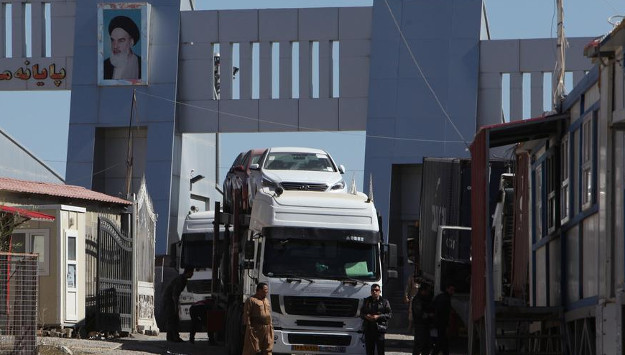
Iran Will Reopen All Border Crossings with Iraqi Kurdistan Region
The chief of staff of Iranian Armed Forces said on Monday that the country will reopen all its border crossings with the Iraqi Kurdistan region, Iranian media reported.
Akram al-Kaabi, the leader of Iranian-sponsored Iraqi militia group Harakat al-Nujaba, visited prominent Lebanese Shiite cleric Sheikh Afif al-Nabulsi to discuss regional affairs, Iranian and
Kayhan Warns: “The Mother of All Sanctions Has Arrived”
A front-page article in Kayhan newspaper, entitled “The Mother of All Sanctions Has Arrived,” warns that the implementation of the “Countering America’s Adversaries Through Sanctions Act” – a congressional bill that