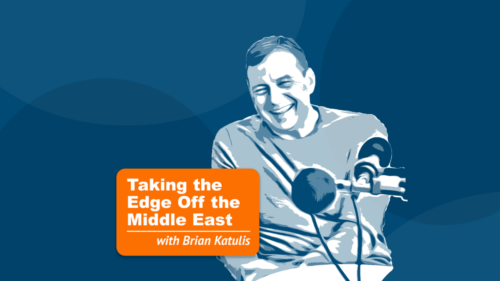
Reflections on a Diplomatic Career in the Middle East: A Conversation With Ambassador Yael Lempert
Brian is joined by Amb. (ret.) Yael Lempert, Vice President for Outreach at MEI, to discuss her career in diplomacy and the importance of US diplomatic efforts abroad. She shares stories from postings across the Middle East in Baghdad, Cairo, Tripoli, Jerusalem, and Amman and examines how her personal and professional experiences shaped her approach to the work. Together, Brian and Yael discuss the realities of life in the Foreign Service, the core tenets of American diplomacy, and why it matters in today’s Middle East.
The New Old Middle East
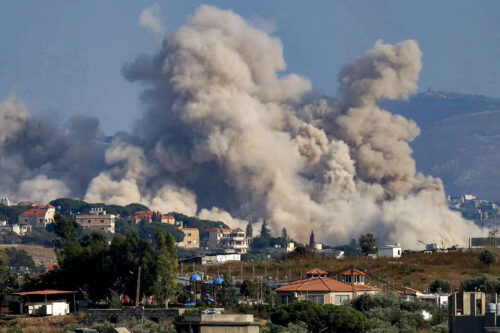
In many ways, the U.S.-Israeli war against Iran and the war in Gaza that preceded it seem transformative. After decades of shadow warfare, Iran and Israel have now attacked each other’s homelands directly. And Israel and the United States have joined forces in a genuinely novel way to wage war against Iran.
احصل على التحديثات من معهد الشرق الأوسط
الخبراء البارزون





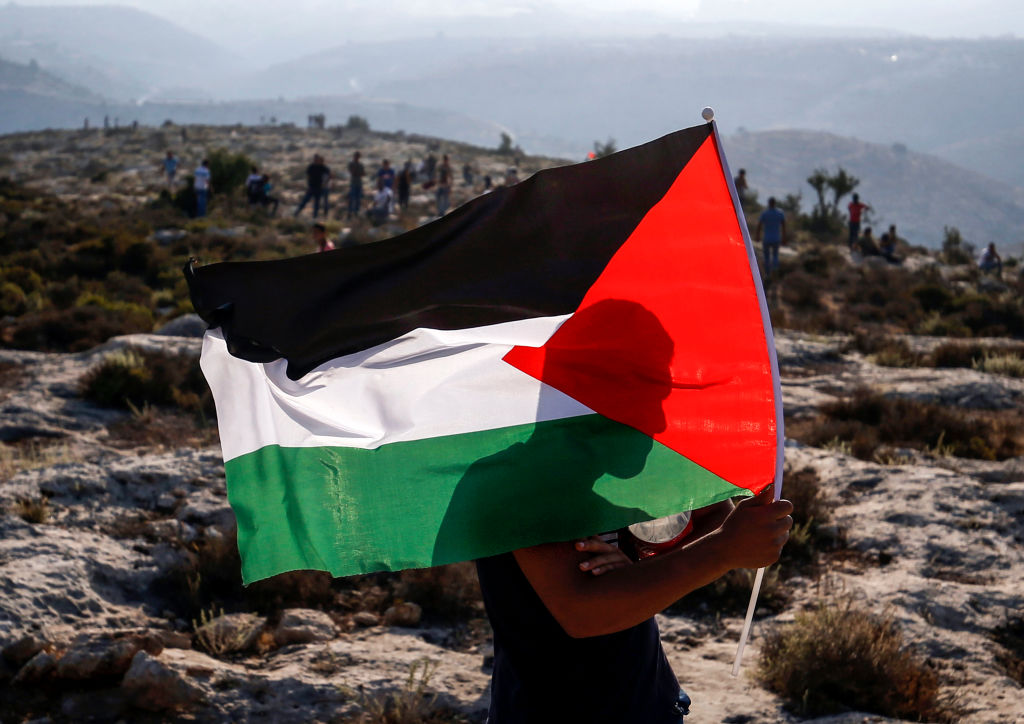
Ambassador Friedman: Palestinians already have autonomy
Autonomy is normally given to a specific cultural or national group as part of a political agreement. For Palestinians, the idea that autonomy is the goal of talks is unhelpful because they already have autonomy.
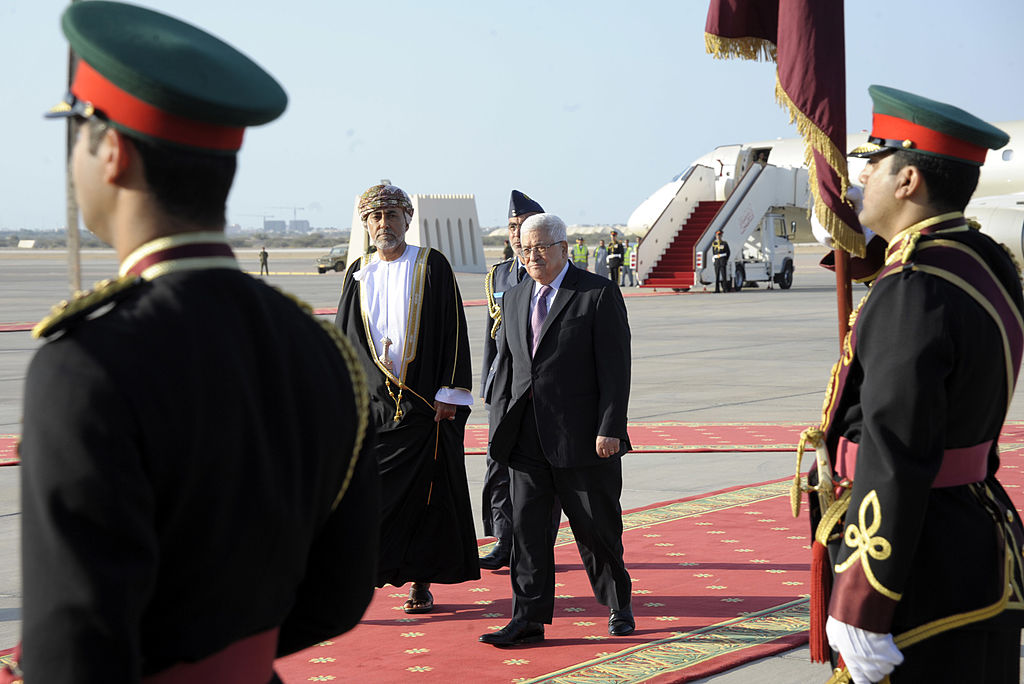
Oman's new embassy in Palestine
The news came eight months after Israeli Prime Minister Benjamin Netanyahu paid a visit to the Omani capital for surprise talks with Sultan Qaboos in October 2018, and four months after Minister Responsible for Foreign Affairs Yusuf bin Alawi bin Abdullah met with Netanyahu in Poland during the Trump administration’s “Peace and Security in the Middle East” summit.
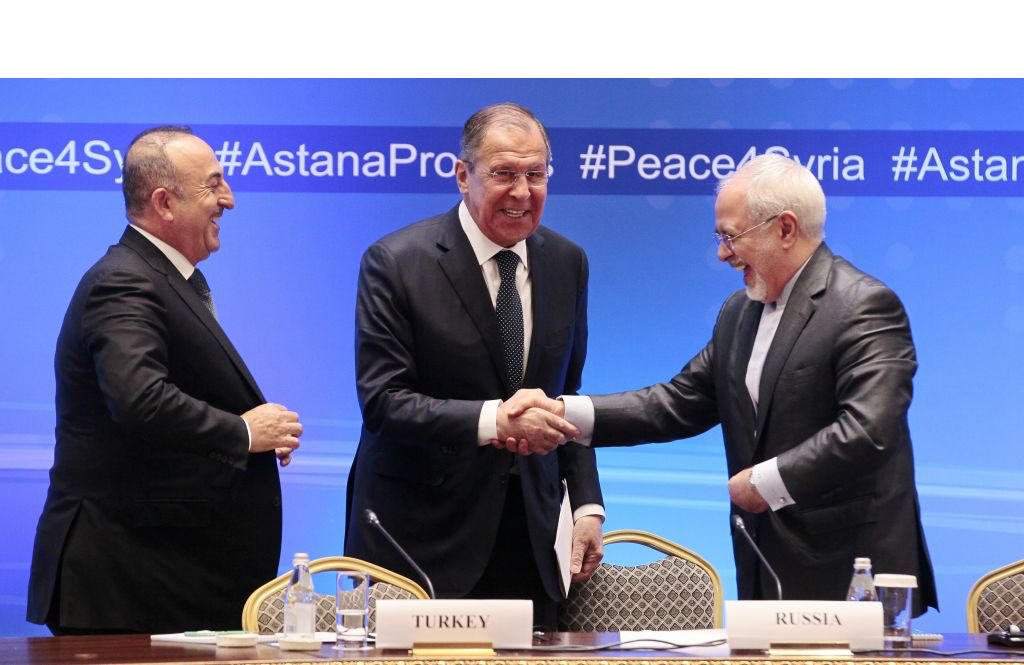
Monday Briefing: Syria’s deadly status quo
This week’s briefing on recent news and upcoming events in the region including Kazakhstan’s upcoming “Astana talks” on Syria, Jared Kushner’s planned visit to the Middle East, the shift in US-Pakistan relations, and Abbas’ announcement that the Palestinian Authority will halt all signed agreements with Israel, featuring Charles Lister, Gerald Feierstein, Marvin G. Weinbaum, and Khaled Elgindy.
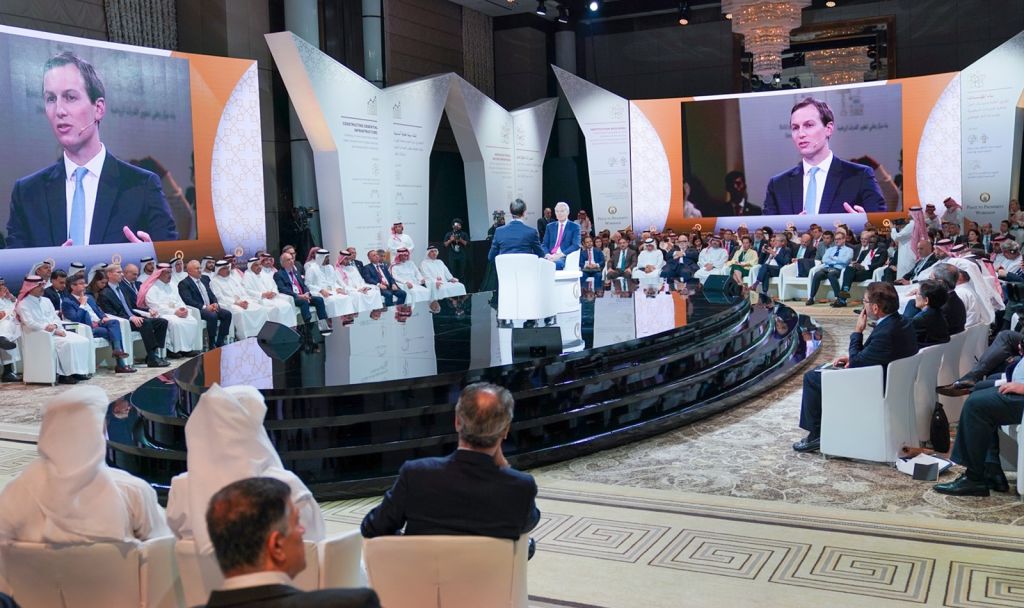
The Gulf states, the “deal of the century,” and the Iranian threat
Many analysts have been dismissive of the plan’s prospects, but for Gulf states like Saudi Arabia, the UAE, and Bahrain, there’s at least one major reason to line up with Washington on the issue: Iran.
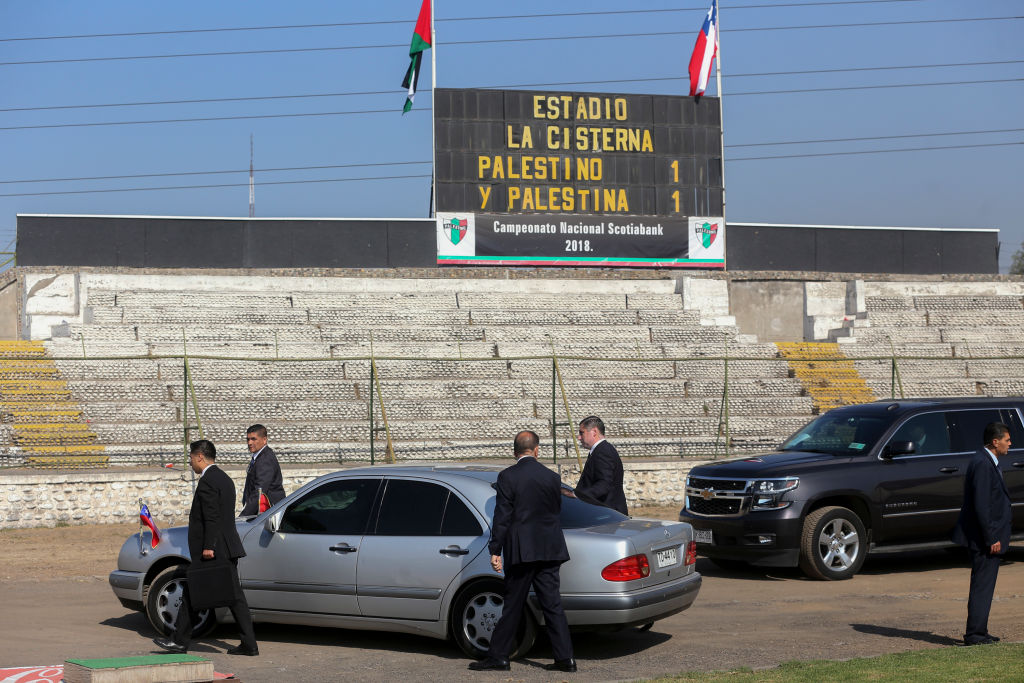
The Israeli-Palestinian battle for Latin America
With the increased influence of right-wing populism and evangelicalism, Mahmoud Abbas has seen the region’s historic commitment to the Palestinian cause wane. These internal changes, along with a pivot toward Washington, have, in turn, aided Israeli Prime Minister Benjamin Netanyahu in making further inroads on the South American continent.

Russia's growing role in the Middle East
Becca Wasser, policy analyst at the RAND Corporation, and NPR national security correspondent and MEI scholar Greg Myre join host Alistair Taylor to discuss Moscow’s growing political, economic, and military footprint in the region.
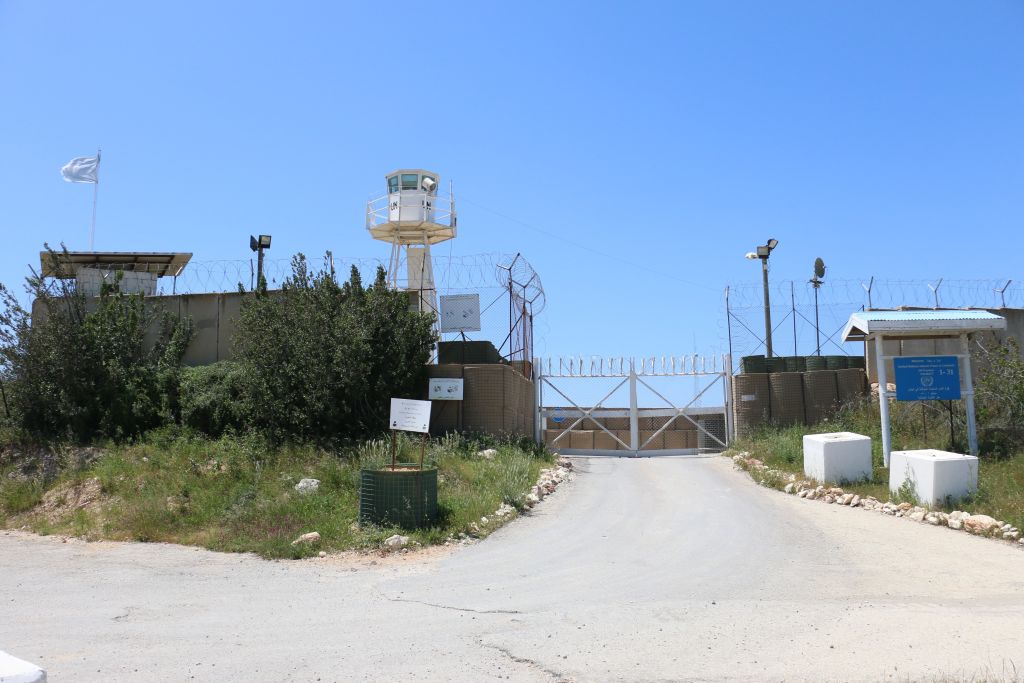
UNIFIL and the Lebanese Army, a worthwhile US investment
My colleagues and I at the American Task Force for Lebanon (ATFL) visited the LAF southern headquarters, the UNIFIL headquarters, and the Blue Line, established in 2000, separating Israel and Lebanon. We were encouraged by what we saw.
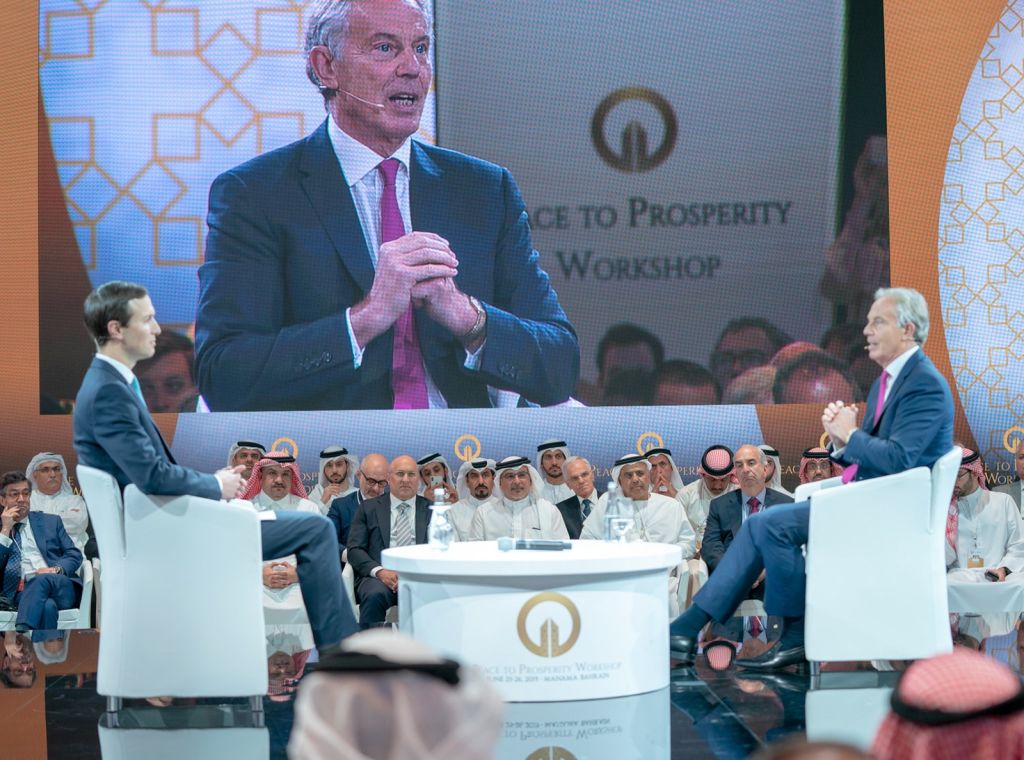
The Bahrain workshop and the dwindling prospects for Israeli-Palestinian peace under Trump
The Trump administration’s economic workshop in Bahrain produced some noteworthy moments that reflected recent changes in Israeli-Gulf relations, but it fell well short of its original declared intent. Neither Israeli nor Palestinian officials attended, and it did not conclude with any tangible steps to advance the peace process.
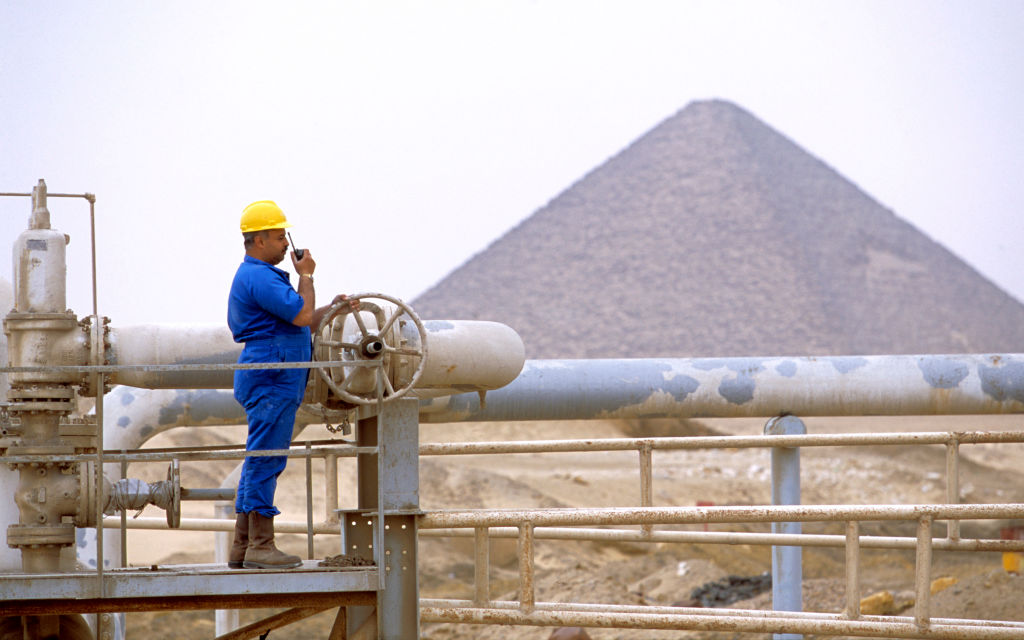
Gas heats up the Eastern Mediterranean
Competition for security and energy is at the center of recent developments in the Eastern Mediterranean. Countries from Egypt to Turkey are moving to secure, exploit, and market their (not always fair) share of the game-changing offshore natural gas reserves. Russia, China, and Iran are securing port facilities, and in the case of Russia, drilling rights, in Lebanon and Syria.
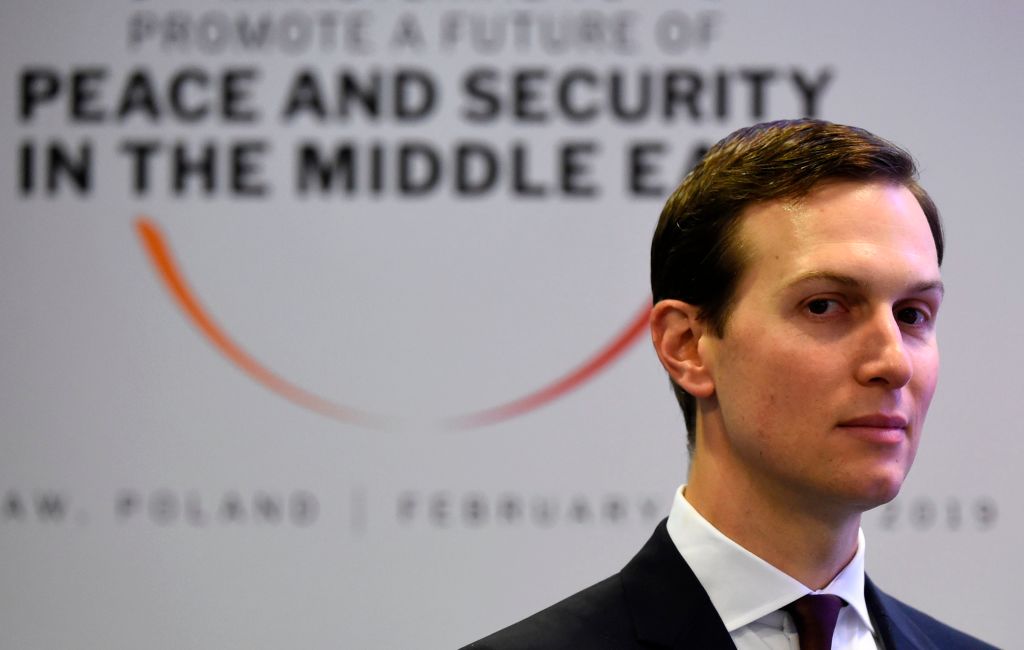
Monday Briefing: Bahrain workshop is little more than a kabuki show
In this week’s Monday Briefing, MEI experts Gerald Feierstein, Guney Yildiz, Nathan Stock, Elizabeth Dent, and Eran Etzion provide analysis on recent and upcoming events including this week’s Bahrain “workshop” on Palestine’s economic development, an opposition victory in Istanbul’s rerun election, the release of a portion of the Trump administration’s Israel-Palestine peace plan, the fracturing of the Global Coalition to Defeat ISIS, and Tuesday’s trilateral meeting between the U.S., Israel, and Russia.
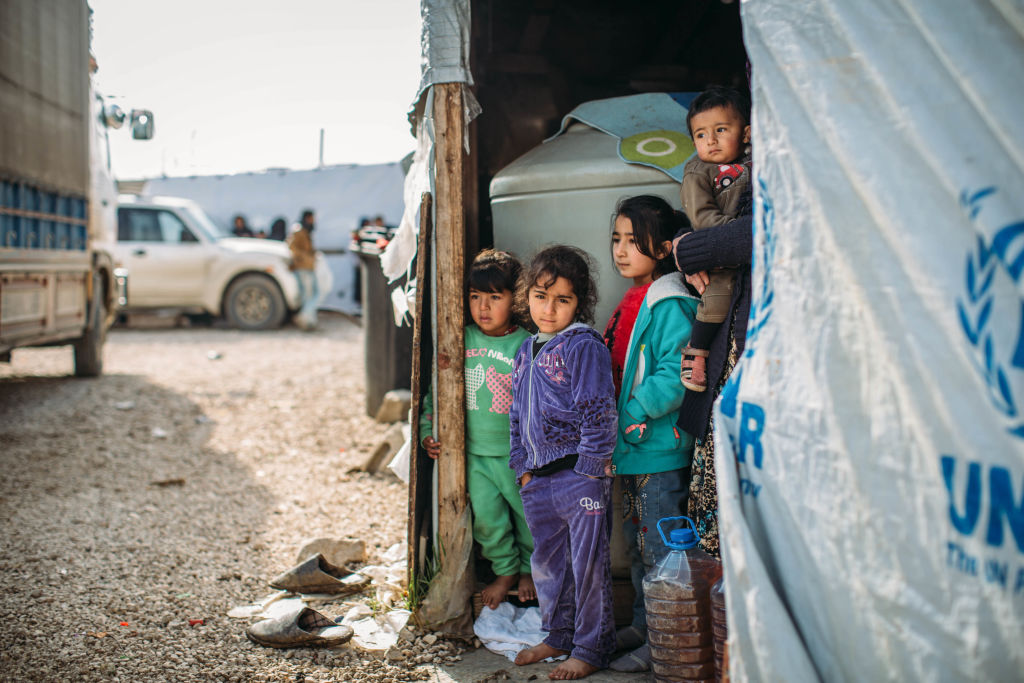
The EU needs a more robust Middle East human rights report
In May, the European Council adopted the 2018 iteration of the EU Annual Report on Human Rights and Democracy in the World. Promoting human rights has long been a priority for the EU, but in practice the bloc is selective about the human rights violations its analyzes, especially when it comes to the Middle East.

Monday Briefing: Iran plays the uranium card
In this week’s Monday Briefing, MEI experts Paul Salem, Gonul Tol, Alex Vatanka, and Marvin G. Weinbaum provide analysis on recent and upcoming events including Iran’s announcement that it will increase uranium enrichment, Istanbul’s upcoming mayoral election, potential leadership shifts in Tehran, and a rise in political tensions following Pakistan’s anti-corruption crackdown.

Bahrain summit puts Jordan in a tough spot
The Trump administration’s upcoming conference in Bahrain, scheduled for June 25-26, under the pretext of boosting the Palestinian economy, has put Jordan in an unenviable position. Forced to choose, Amman seems to have opted to follow Washington’s wishes over those of its overwhelmingly pro-Palestinian domestic audience.
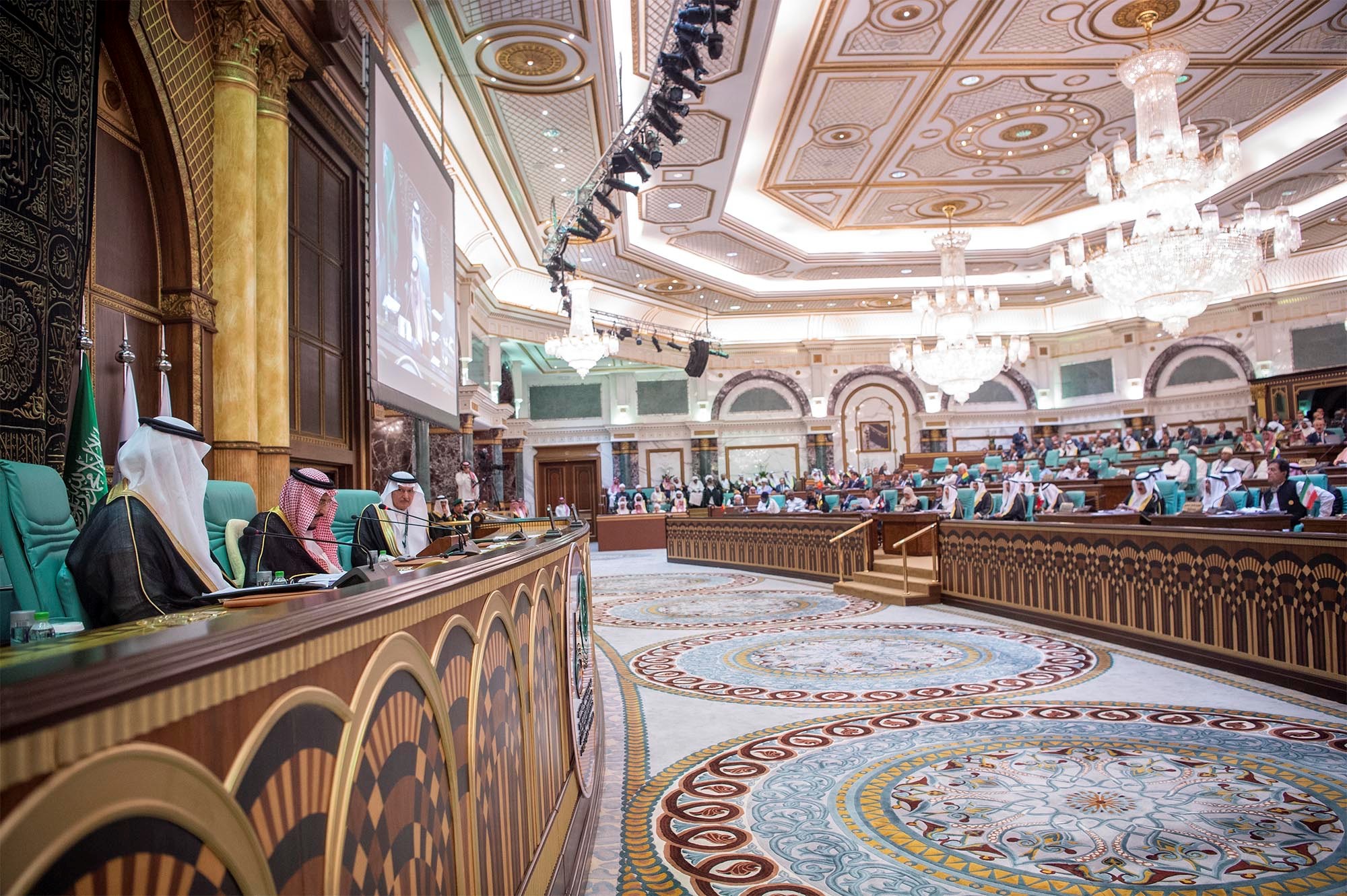
Monday Briefing: The deepening regional rift
In this week’s Monday Briefing, MEI experts Birol Baskan, Eran Etzion, Alex Vatanka, and Marvin G. Weinbaum provide analysis on recent and upcoming events including recent regional summits in Mecca to discuss Iran and the Qatar crisis, Benjamin Netanyahu’s gambit to retain power in Israel, and escalating hostilities between the Pakistani military and the Pashtun Tahaffuz Movement.
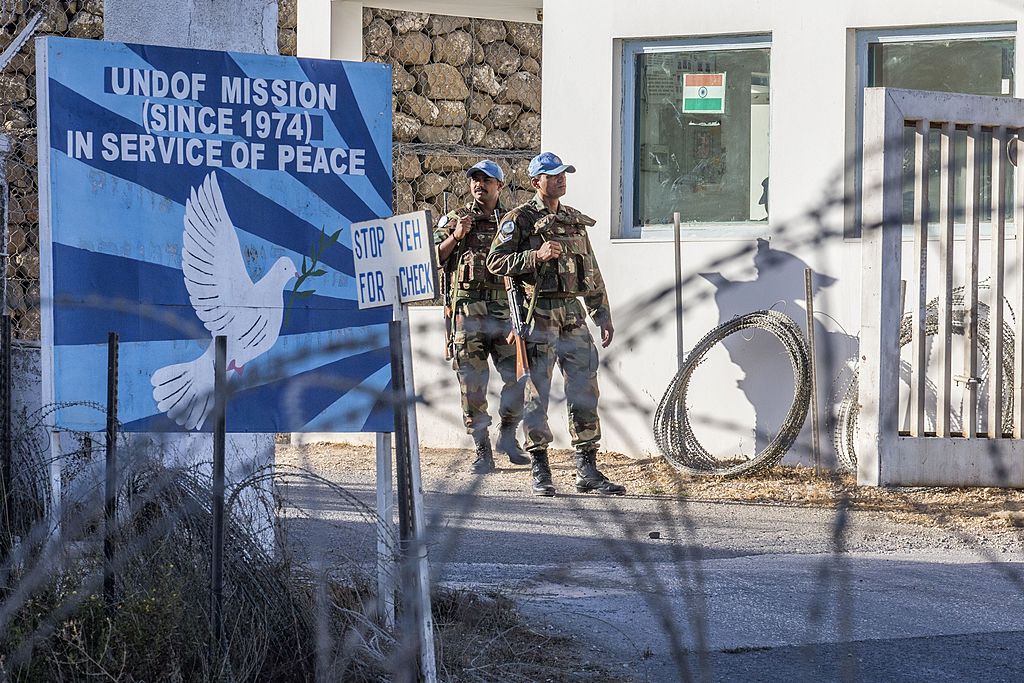
What does Trump’s Golan proclamation mean for UNDOF?
Sometime in June the UN Security Council will vote to approve another six-month renewal of the mandate of the 1000-strong UN Disengagement Observer Force (UNDOF) deployed in the Golan Heights. For more than four decades, the UN Security Council has unanimously renewed the mission’s mandate to maintain the ceasefire between Israel and Syria, but this will be the first time it has come up for a vote since President Donald Trump signed a proclamation recognizing Israeli sovereignty over the area of the Golan Heights on March 25th.
اقرأ مجلة الشرق الأوسط
أقدم مطبوعة محكمة مخصصة لدراسة الشرق الأوسط المعاصر، تغطي مجلة MEI الرائدة السياسة والمجتمع والثقافة في المنطقة.