Israel/Palestine: What the Iran War Broke and What May Yet Be Salvaged
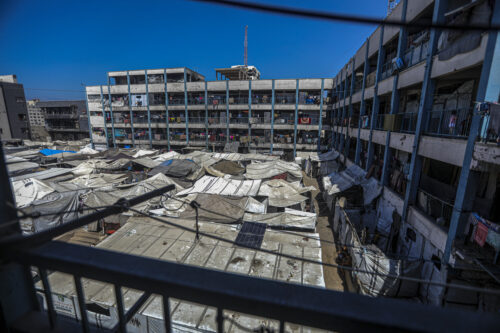
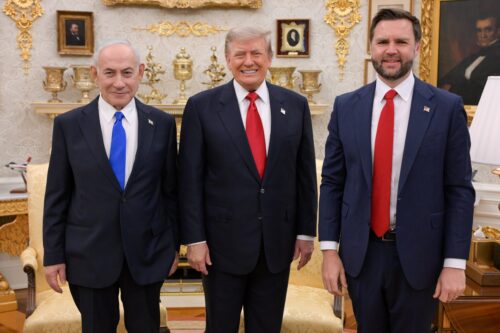
The 20-point plan for Gaza introduced before the war with Iran began has languished, with no meaningful recovery, reconstruction, Hamas disarmament, governance transition, or Israeli withdrawal. The diplomatic pivot back to Gaza in late July and early August suggests that the Iran war’s stubborn persistence may be causing the US and regional actors to seek wins on other fronts.
Israel: Strategic Divergence and Weakened Deterrence
The American-Israeli campaign against Iran that began in February 2026 resulted in a regional conflict its authors never intended. The war’s chief product is not what the United States and Israel destroyed, though that was significant, but what Iran proved: that it holds a strategic lever over its neighbors, the world economy, and the US.
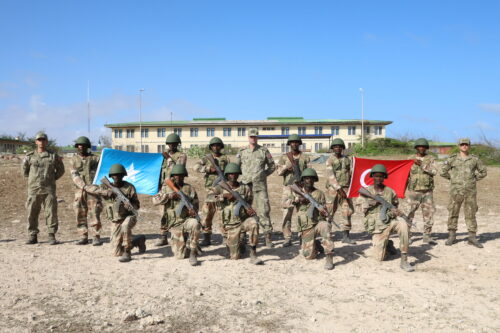
Turkey has become a major player in Africa, with a particularly strong footprint in the Horn. While economic and energy interests’ matter, one sector now stands at the center of Ankara’s regional activism: defense.
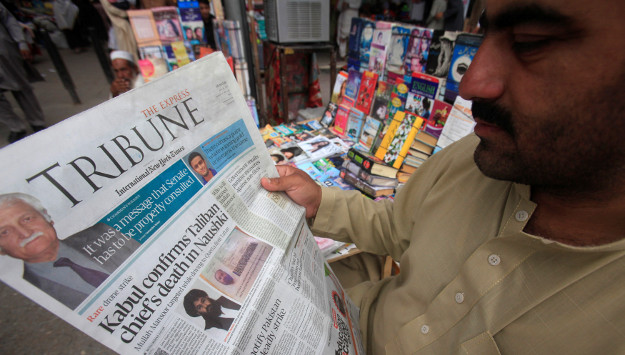
In this week’s Monday Briefing, MEI experts Marvin G. Weinbaum, Charles Lister, Hassan Mneimneh, and Paul Scham provide analysis on recent events including the killing of Afghan Taliban leader Mullah Akhtar Mansour, deadly blasts targeting regime-held territory in Syria, Iraq’s intra-Shiite feud, and Avigdor Lieberman’s appointment as Israel’s Defense Minister.
Monday Briefing: Lebanon's Elections, Gaza Unrest, Syria Talks, and Saudi's New Oil Minister
In this week’s Monday Briefing, MEI experts Paul Salem, Paul Scham, Charles Lister, and Jean-François Seznec provide analysis on recent events including Lebanon’s elections, unrest in Gaza, the ongoing Syria talks, and Saudi Arabia’s new oil minister.
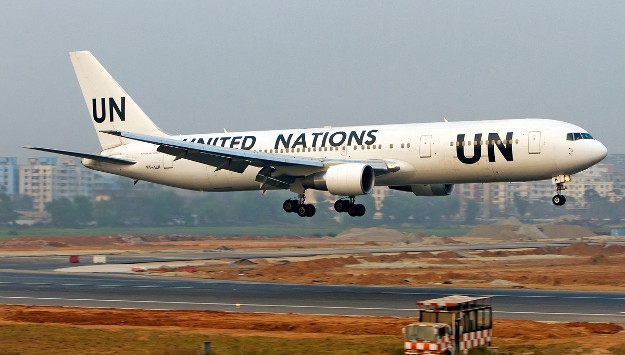
U.S. Should Allow International Input in Israel-Palestine
For the first time in almost half a century, the United States has acknowledged that it is “out of ideas” about how to address Israel’s occupation and fulfill a declared American interest in establishing a Palestinian state at peace with Israel.
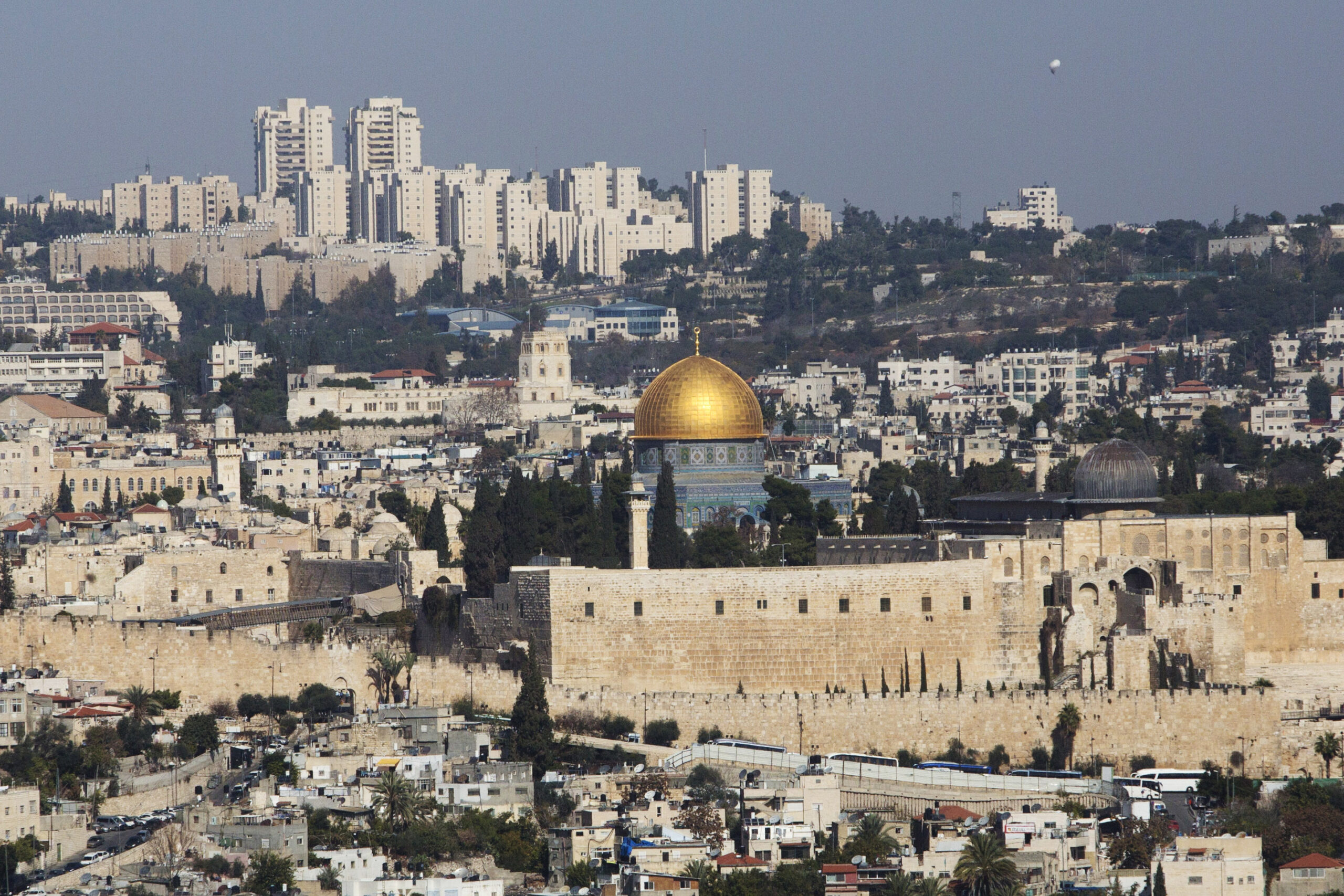
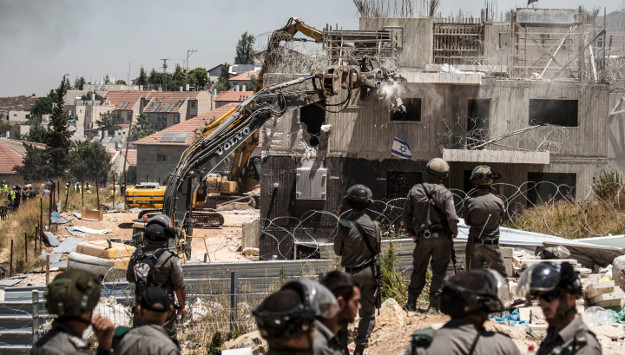
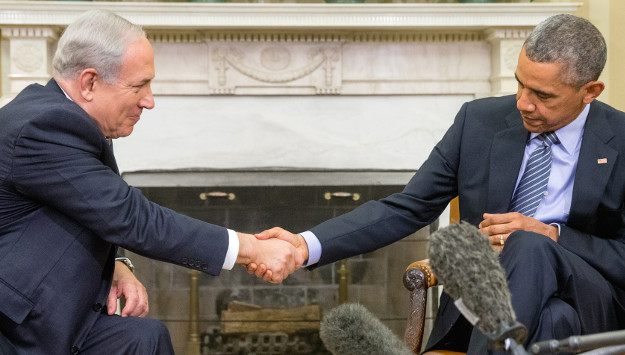
The White House recently acknowledged that it was out of ideas on how to pursue Israeli-Palestinian peace talks in the final year of Barack Obama’s presidency, raising — for the first time — the prospect that Israel’s occupation of East Jerusalem and the rest of the West Bank is permanent.
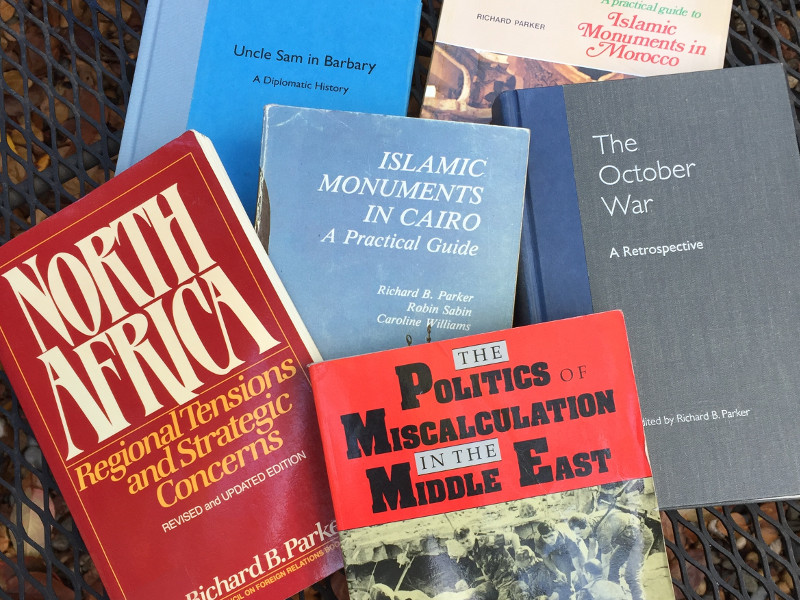
Only a few authors have works that can be found on both floors of the Oman Library at The Middle East Institute, and fewer still that have a personal connection to both the institute and the history of the region. The late Ambassador Richard B. Parker can claim this status, having served 31 years in the Foreign Service and as the third editor of The Middle East Journal. He was also a longtime MEI scholar-in-residence.
A recent United Nations report warned that the Gaza Strip might become “uninhabitable” by 2020 for its 1.8 million residents.[1] Serious changes must be implemented as soon as possible to reverse the coastal enclave’s de-development.
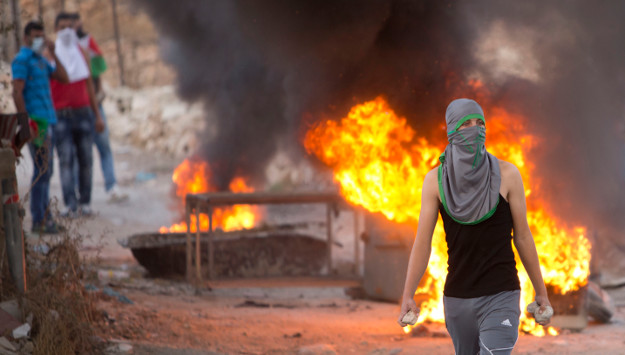
Although the Israeli-Palestinian conflict has been around for generations, it still has the capacity to surprise. Even the experts are confused by the current violence that has been roiling Jerusalem for weeks now. Is this the long-awaited third intifada? What is causing it? Why is it centered in Jerusalem, not the West Bank? Who is leading it, and why are the principal actors teenagers with household knives? In fact, similar questions were asked at the beginning of the two previous intifadas, and of the Palestinian Revolt during the British Mandate. Why now? What for?
Palestinian Security Forces: Living on Borrowed Time
On a scale not seen since April 2002, Israel is instituting dramatic increases in the deployment of its military and police forces throughout Israel, East Jerusalem and the West Bank proper. These moves by the government of Prime Minister Benjamin Netanyahu comprise the initial security response to limited but escalating Palestinian attacks against Israeli civilians, settlers, and military forces throughout Israel and the occupied West Bank.