Women in Iran: Political representation without rights
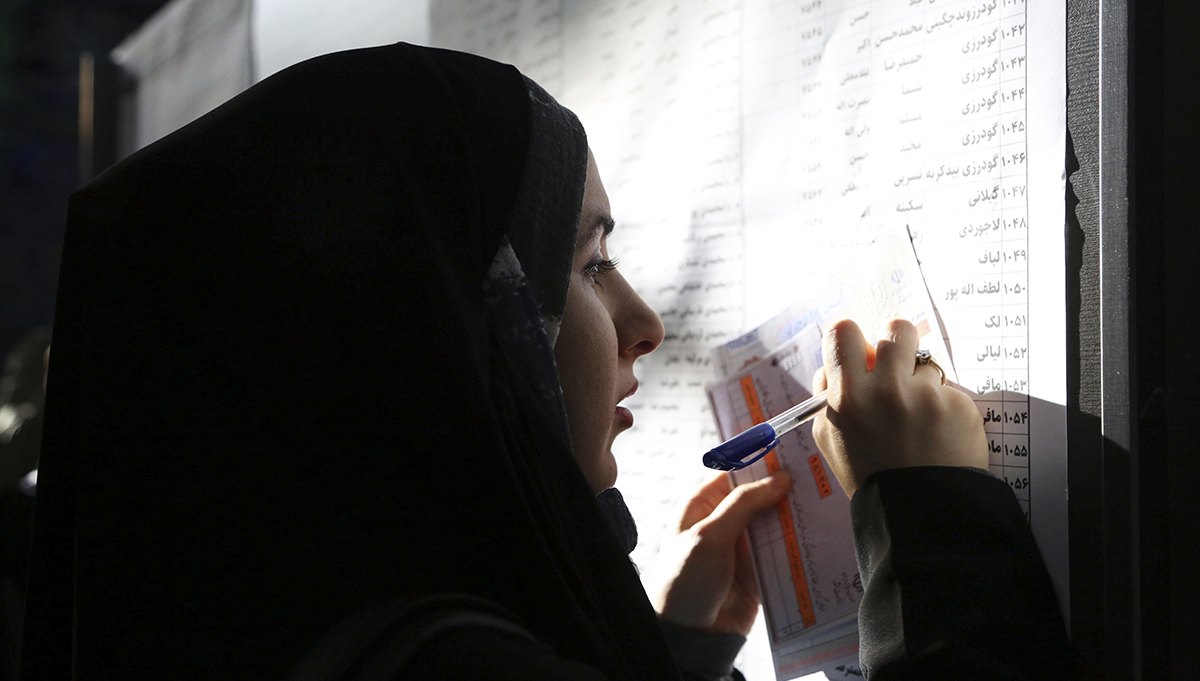
The Islamic Republic of Iran recently announced that it is now welcoming the possibility of women’s leadership at the highest levels of government. Optimists are celebrating this development in the belief that it could reinvigorate weak voter turnout and lead to much-needed reforms in the country. But a more realistic analysis finds that this is little more than a cynical ploy. There is an overwhelming body of evidence that suggests not much has happened to truly advance women’s rights in the Islamic Republic in years.
Left to fend for themselves, Israel’s Bedouin are struggling with COVID-19
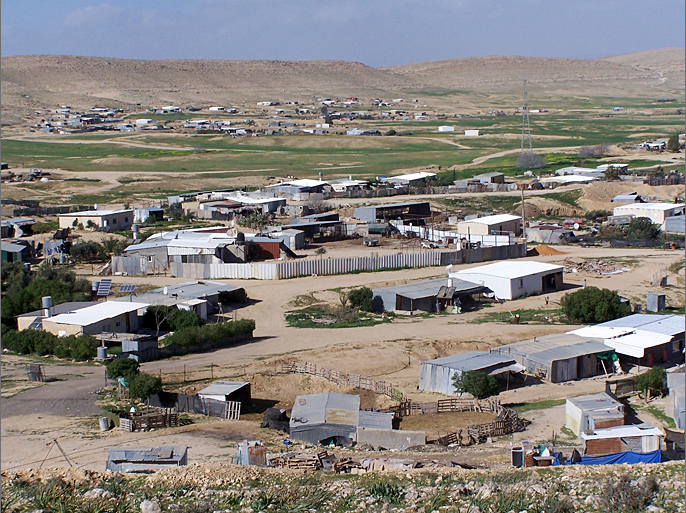
The COVID-19 pandemic is impacting all communities in Israel, but it has hit some of them much harder than others. The plight of the Haredim (ultra-Orthodox Jews) has been widely publicized, but the Bedouin of the Negev Desert are also being devastated by the pandemic and no one seems to care.
Shifting Gears: HTS’s Evolving Use of SVBIEDs During the Idlib Offensive of 2019-20
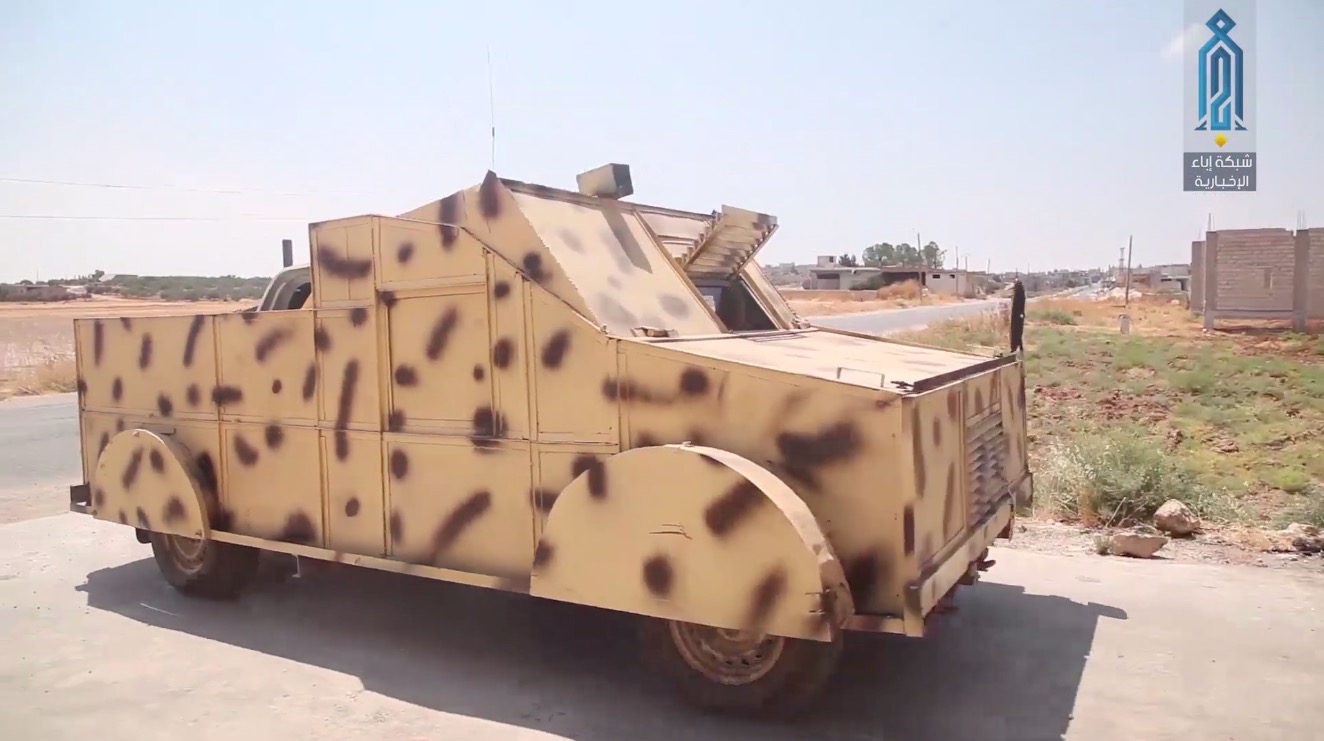
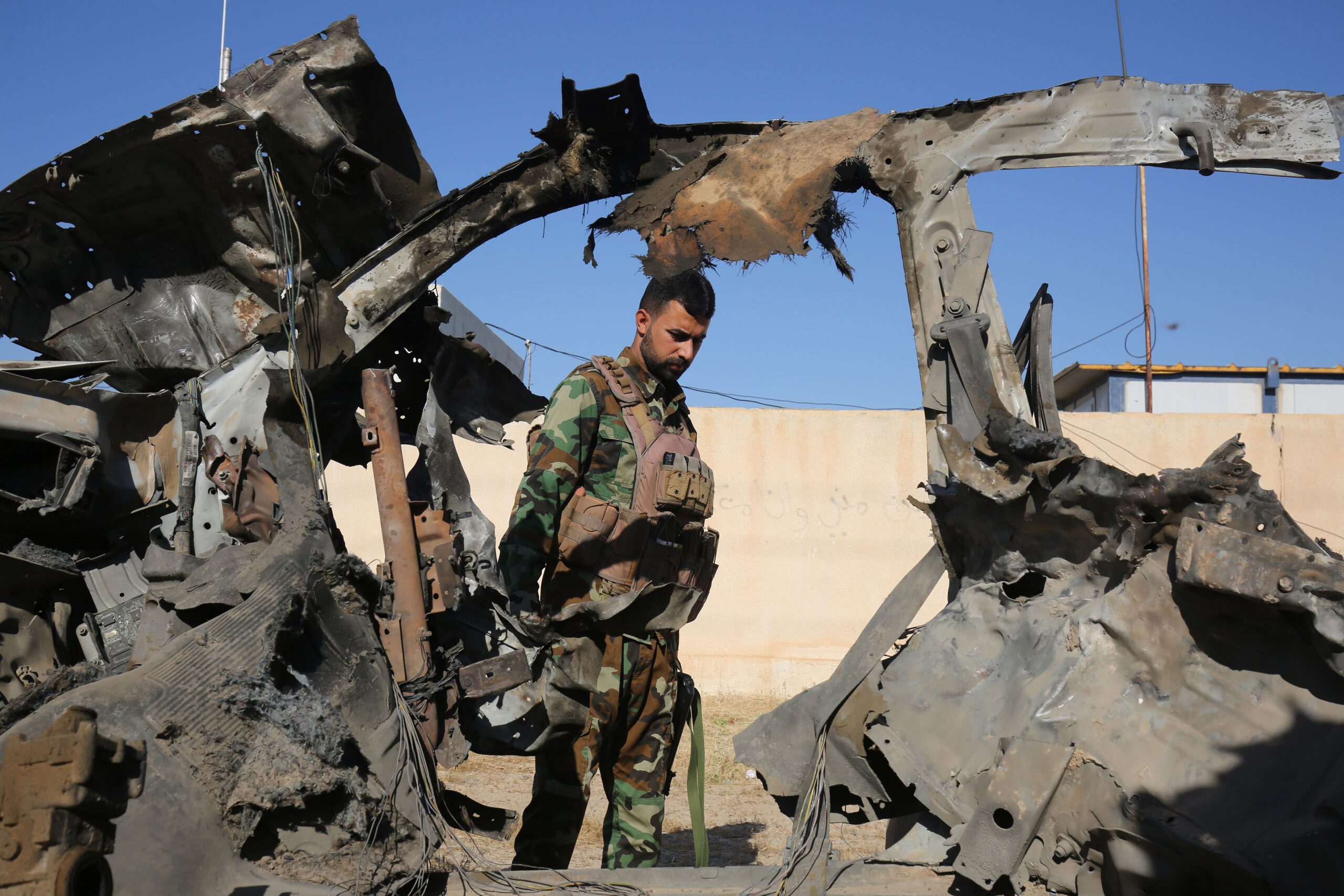
Since May 2019, a series of Syrian loyalist offensives backed by the Russian air force has gradually encroached upon the country’s northwestern Idlib Province, home to the last major pocket of opposition-held territory. As the chief rebel group in control of Idlib, Hayat Tahrir al-Sham (HTS) has employed dozens of suicide car bombs as part of its continued defense of the area. Formally known as suicide vehicle-born improvised explosive devices (SVBIEDs), these weapons have been a cornerstone of the group’s — and by extension, the entire opposition’s — military strategy since early stages of the war, when rebel forces began capturing and holding territory. In an attempt to further understand this strategy and how it has evolved over time, this case study seeks to compare and contrast HTS’s past and current use of SVBIEDs, with a heavy focus on the latter. It will also examine HTS’s evolving SVBIED design, paying particular attention to technical innovations such as environment-specific paint schemes, drone support teams, tablets with target coordinates, and live camera feeds, as well as upgraded main charges.
Escalation in Karabakh: Implications for the Southern Gas Corridor
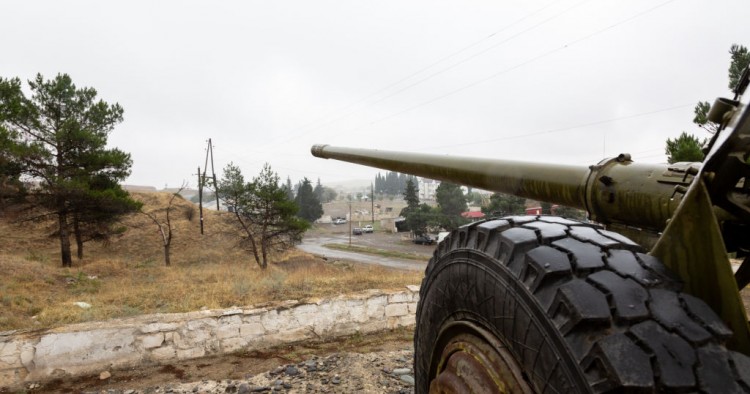
The renewed military conflict in Nagorno-Karabakh between Azerbaijan and Armenia threatens geopolitical stability in the wider Black Sea-Caspian region, and has the potential to evolve into greater regional escalation. The scale of military operations, and range of heavy military equipment involved, is increasing risks for major energy and transportation infrastructure, which connect Caspian oil and natural gas fields in Azerbaijan to major energy markets in Turkey, the Mediterranean, and different parts of Europe.
Continuity and change in America’s military partnership with Ukraine
The 2014 Russian annexation of Crimea and conflict in the Eastern region of Donbas not only breached commitments made by Russia as a signatory of the Budapest Memorandum twenty years earlier, but also tested the ability of the U.S. and U.K to guarantee peace in Ukraine and hold the aggressor accountable for its malevolent actions.
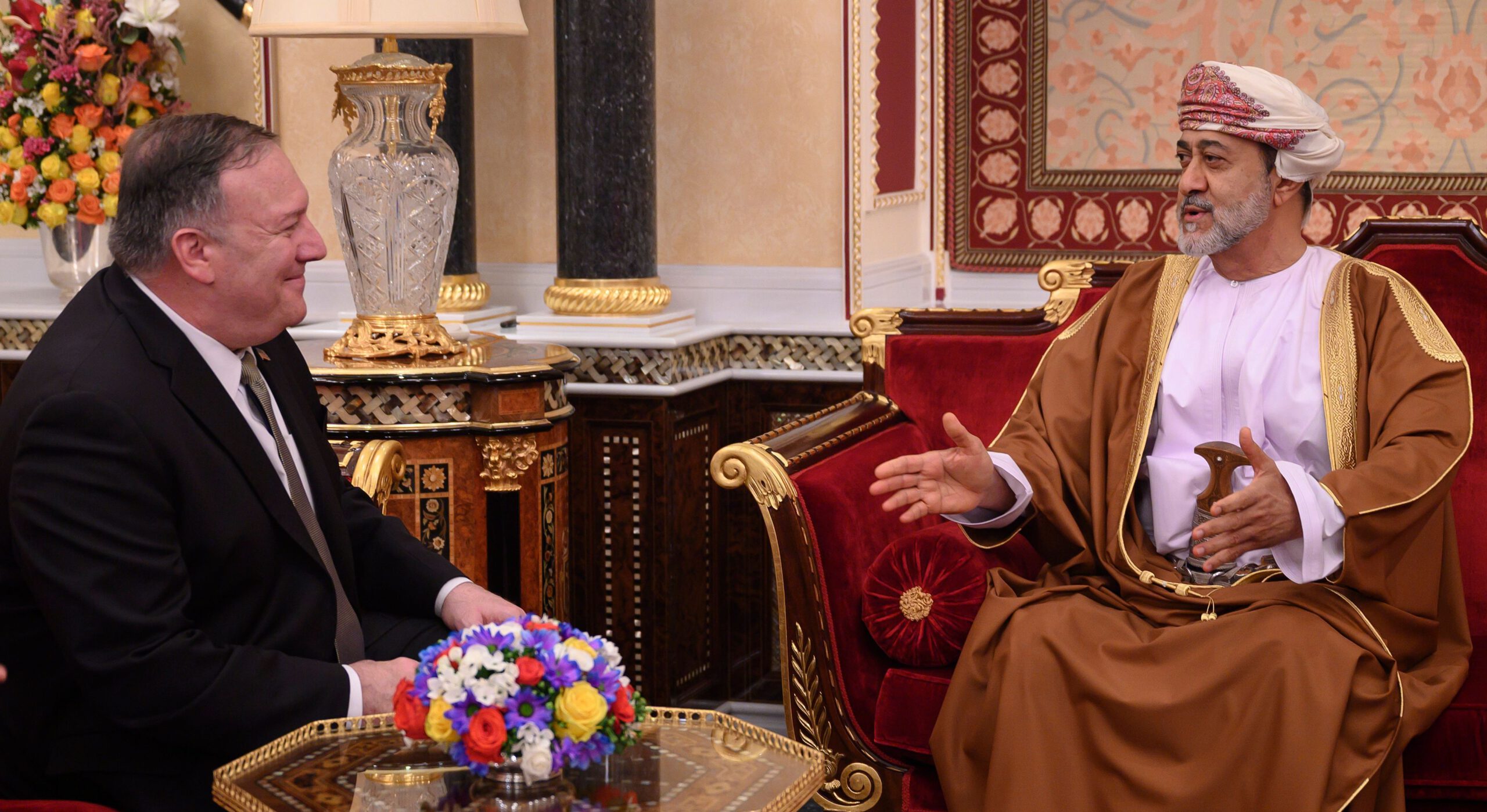
Since Aug. 13, speculation has been rife that the Sultanate of Oman will soon follow the United Arab Emirates’ (UAE) lead and formalize full-fledged ties with Israel. Yet, at least thus far, Muscat has refused to join the UAE, Bahrain, and now Sudan in normalizing relations with Tel Aviv. As a moderate Arab country, where tolerance is firmly embedded into the national ethos and the Ibadi sect of Islam, Oman appears to be maintaining a balanced position on the overall Arab trend toward normalizing relations with Israel. Muscat’s positive reaction to the Abraham Accords is not a major change in strategy and is more illustrative of Oman’s longstanding position on normalization.
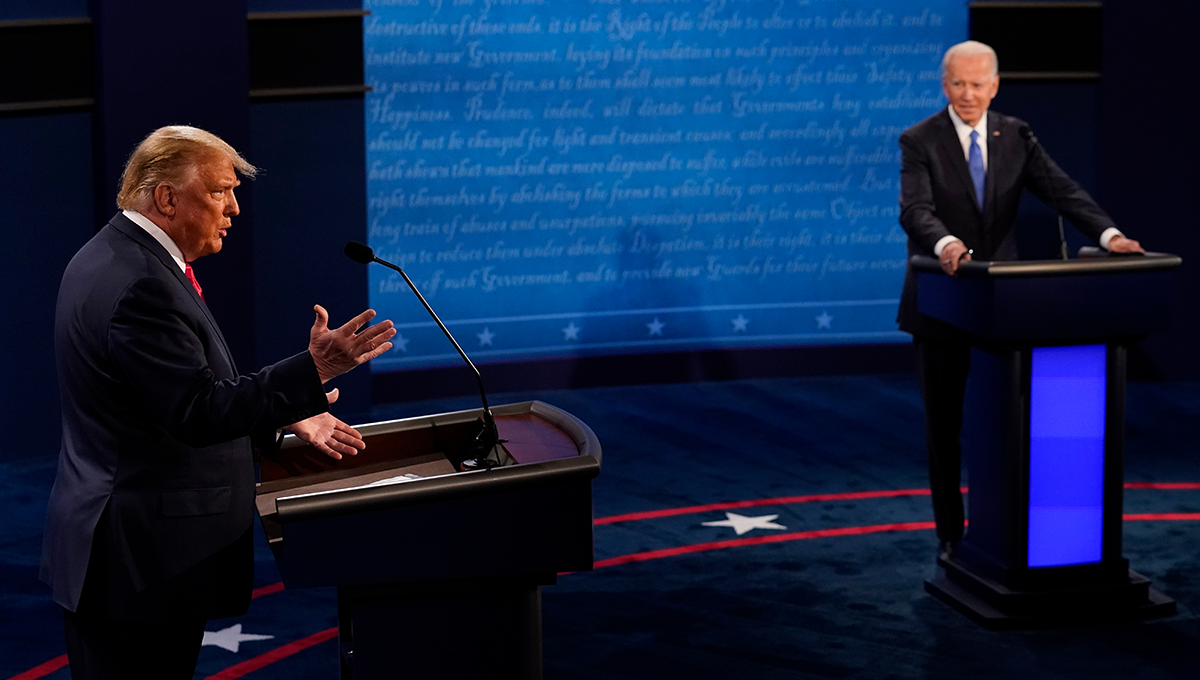
The upcoming American presidential election is top of mind for the Arab Gulf states. This is no surprise as there is so much at stake for them. As the race enters its final critical week, all eyes are on who will occupy the White House for the next four years — and the Arab Gulf states have their preferences. America is still indispensable to Gulf security, but the Gulf is also becoming an indispensable regional partner for whoever wants to lead the world in the 21st century. Today both sides need each other more than ever before.
Proxies, spies and saboteurs: How Georgia can identify, resist and deter covert and deniable threats
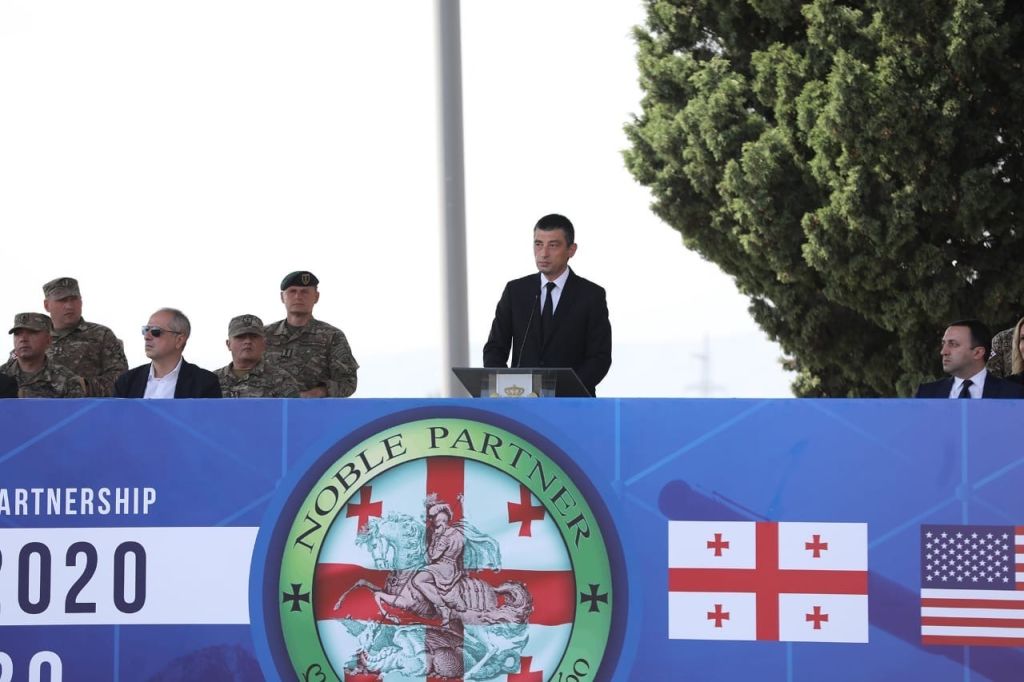
Georgia has experienced the full spectrum of Russian aggression, from direct military action to covert subversion and proxy operations. Nonetheless, while there are undoubted challenges for such a small country in resisting this threat, there are certainly opportunities for Georgia and for Western nations eager to support. After all, the latter should understand that they have as much to learn in Georgia as to teach.
Drifting attention: Why the Black Sea continues to matter
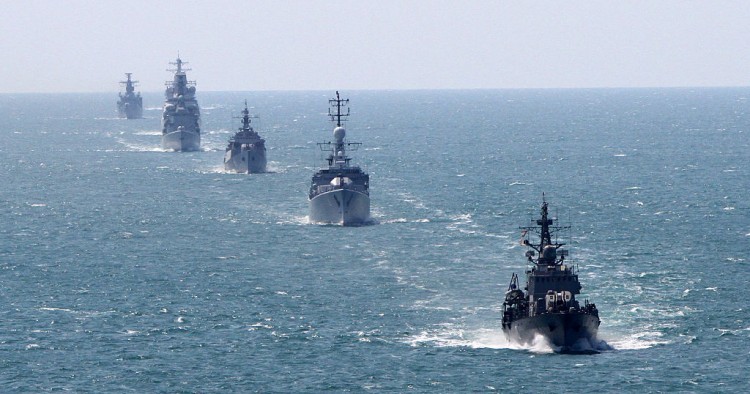
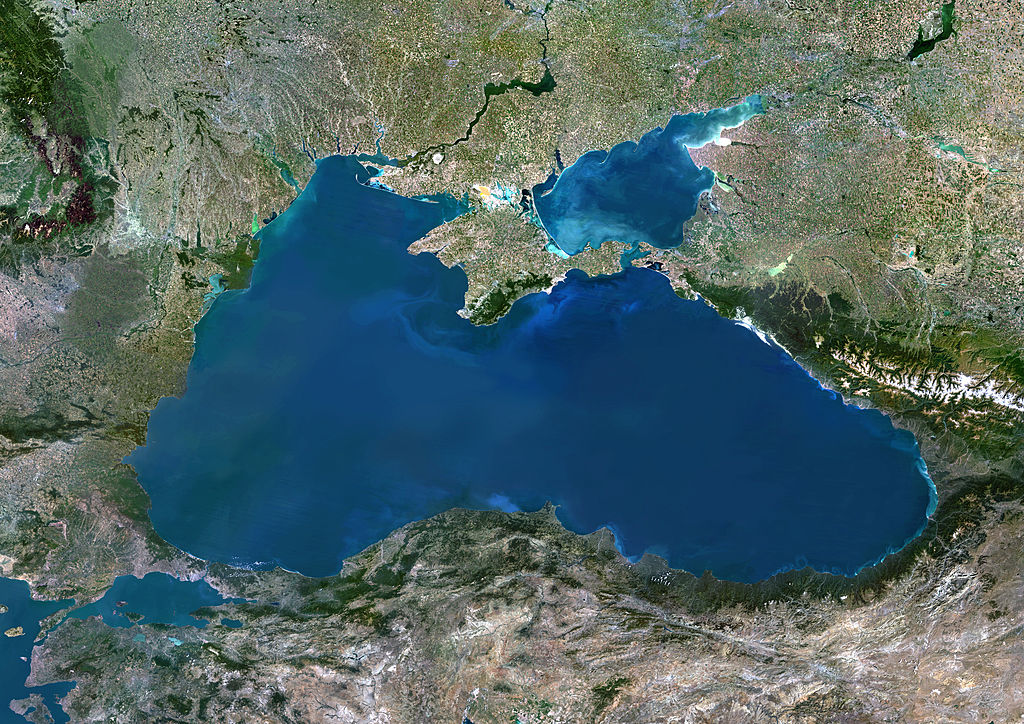
The threat of Russian aggression in Eastern Europe is once again lingering. As if by clockwork, Russia’s relations with its neighbors are under scrutiny once more, six years after its annexation of Crimea and 12 years after its invasion of Georgia.
Using the Convention against Torture to hold Syria to account
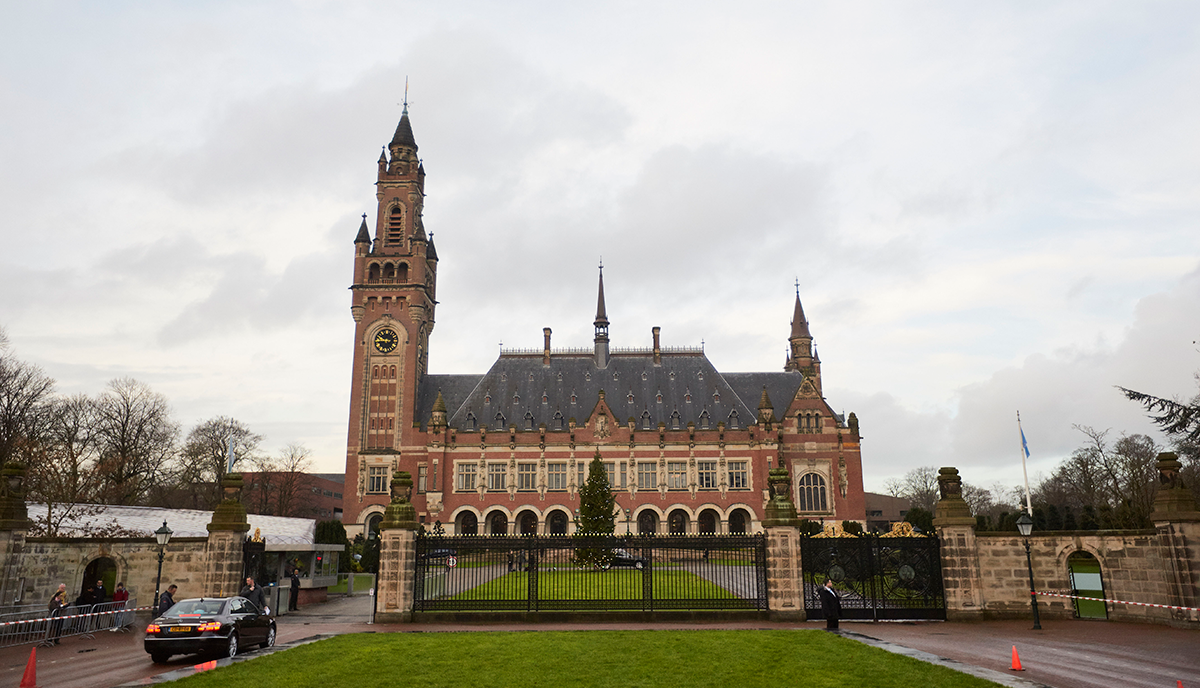
Last month, the Netherlands announced its intent to hold Syria responsible for gross human rights violations and torture under the U.N. Convention against Torture (CAT). With only one other case — Belgium v. Senegal — brought to the International Court of Justice (ICJ) under the CAT, the Netherlands is entering relatively uncharted waters. Indeed, it would be the first country to litigate the substance of Article 1 of the Convention. While it is unlikely that the Netherlands’ claims will reach the ICJ for another year or more, its announcement serves as an important step in the push for broader accountability in Syria.
US Policy and the Resurgence of ISIS in Iraq and Syria
As attacks by ISIS increase in both Iraq and Syria, the upcoming U.S. presidential election offers a turning point for how U.S. foreign policy will seek to address a potential ISIS resurgence. This paper lays out this growing problem and recommends policy, which will be constrained by the outcome of the November election.
With a presidential election looming in the United States, the continuing crisis in Syria is unlikely to make headlines. Aside from the COVID-19 pandemic, raging wildfires, and the occasional flare-up of violence in Idlib, Syria has been largely off the radar in the U.S. for quite some time. Yet dramatic new revelations suggest that Syria could be on the administration’s agenda more prominently as President Donald Trump makes a serious, if desperate, move to secure American hostages thought by U.S. officials to be held in Damascus.
Election 2020: The Future of U.S.-Black Sea Relations
In Frontier Europe Initiative’s new briefing book, entitled Election 2020: The Future of Black Sea-U.S. Relations, MEI scholars and external contributors identify key issues across the region, highlight U.S. interests at stake, and provide policy insights and recommendations for the path forward. The pieces in this book serve as a contribution to the broader discussion about the challenges and opportunities for U.S. policy in the region
Algeria charts a path for renewable energy sector development
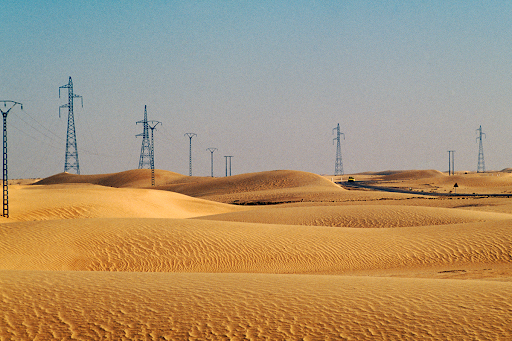
Algeria is at a critical stage in its energy sector development. The nation has both the potential and the incentive to maximize its natural resources and become a renewable energy leader. In addition to its status as the second-most-populous country in North Africa, Algeria is noteworthy for its relative size, wealth, location, gas reserves, renewable energy potential, and greenhouse gas emissions. Recent oil and gas price volatility and increasing domestic electricity demand provide impetus for Algeria to prioritize clean energy investment.
Afghanistan’s Terrorism Challenge: The Political Trajectories of al-Qaeda, the Afghan Taliban, and the Islamic State
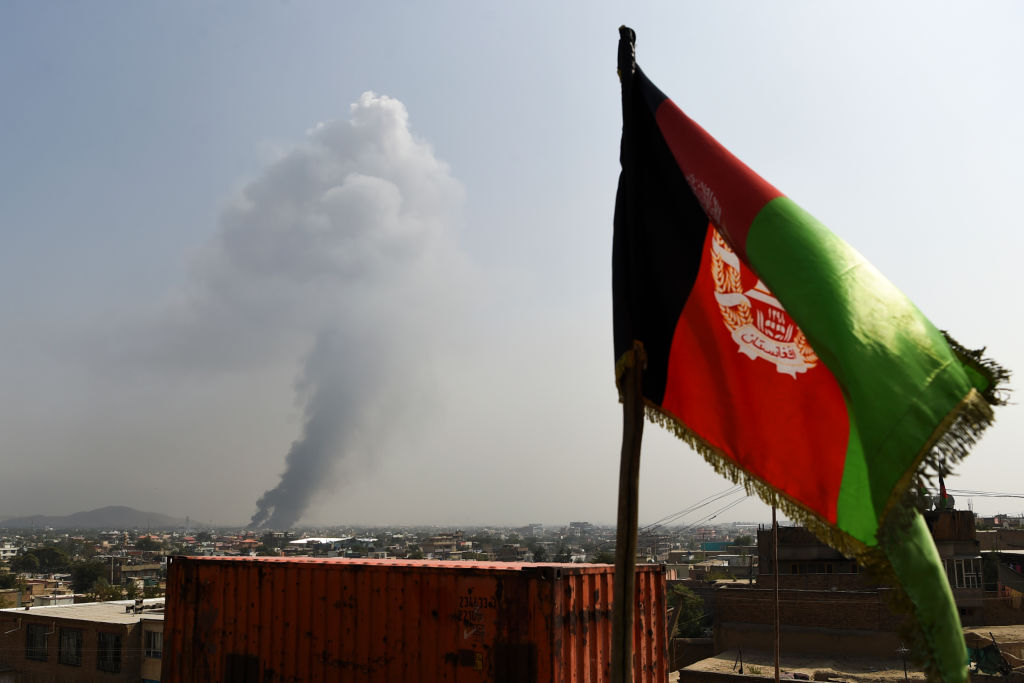
Afghanistan remains at the center of U.S. and international counterterrorism concerns. As America prepares to pull out its military forces from the country, policymakers remain divided on how terrorist groups in Afghanistan might challenge the security of the U.S. and the threat they pose to allies and regional countries. Advocates of withdrawal argue that the terrorism threat from Afghanistan is overstated, while opponents say that it remains significant and is likely to grow after the drawdown of U.S. forces. This report evaluates the terrorism challenge in Afghanistan by focusing on the political trajectories of three key armed actors in the Afghan context: al-Qaeda, the Afghan Taliban, and the Islamic State.