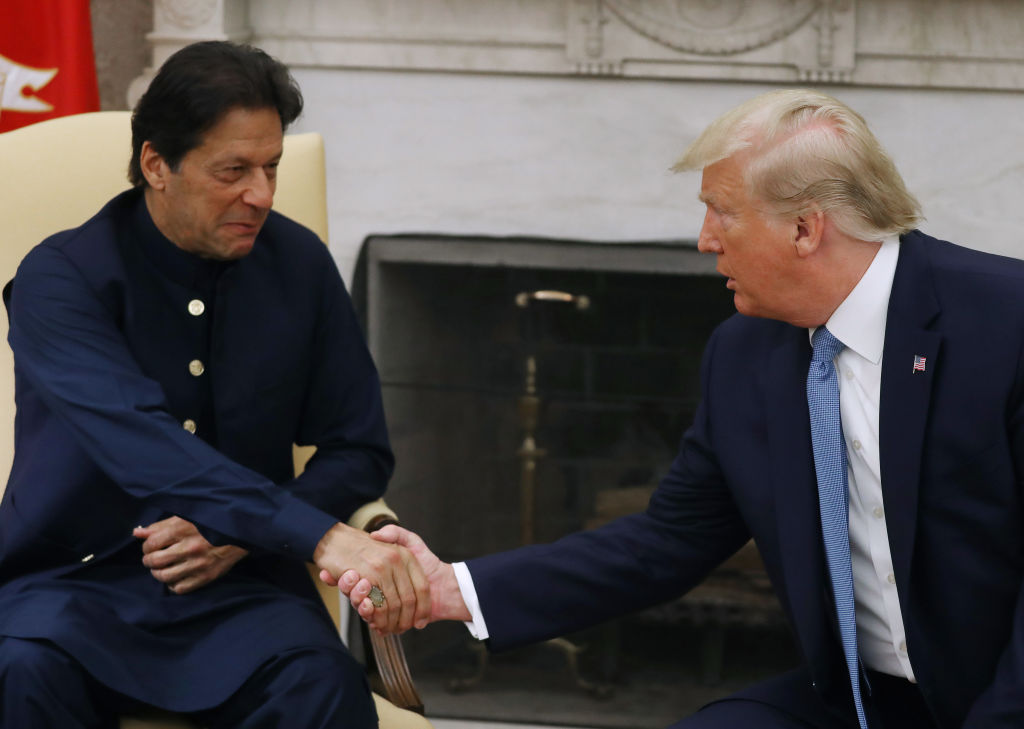
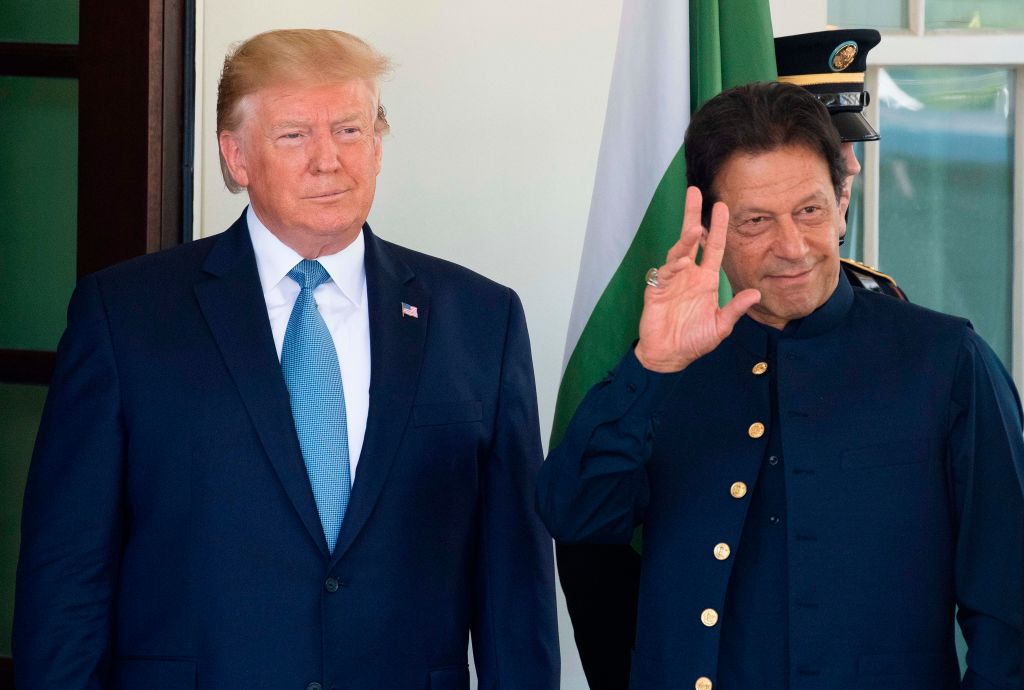
The long-awaited summit between U.S. President Donald Trump and Pakistani Prime Minister Imran Khan raised more questions than it answered. Nevertheless, the message emerging from the meeting has major implications for regional stability and the Afghan peace process.
Iran's IRGC reshuffle and its security implications
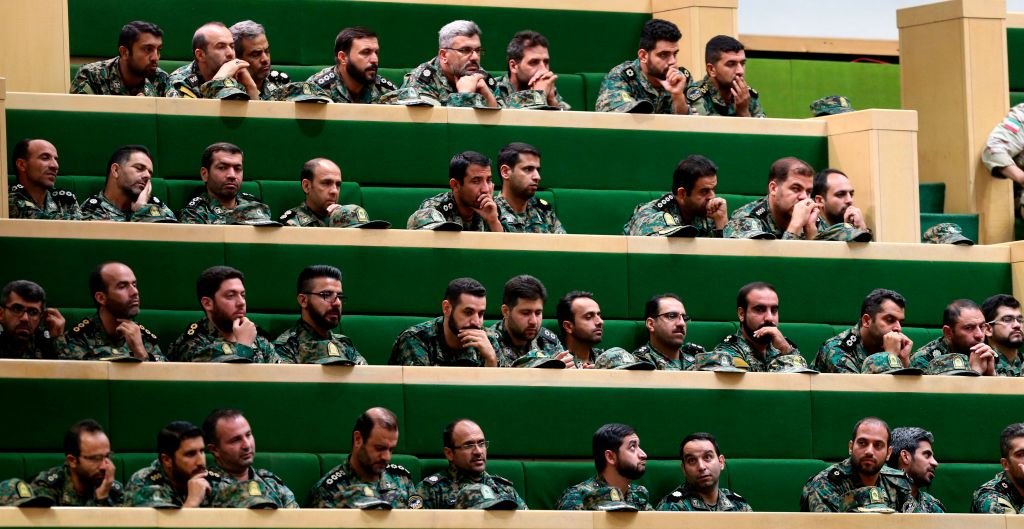
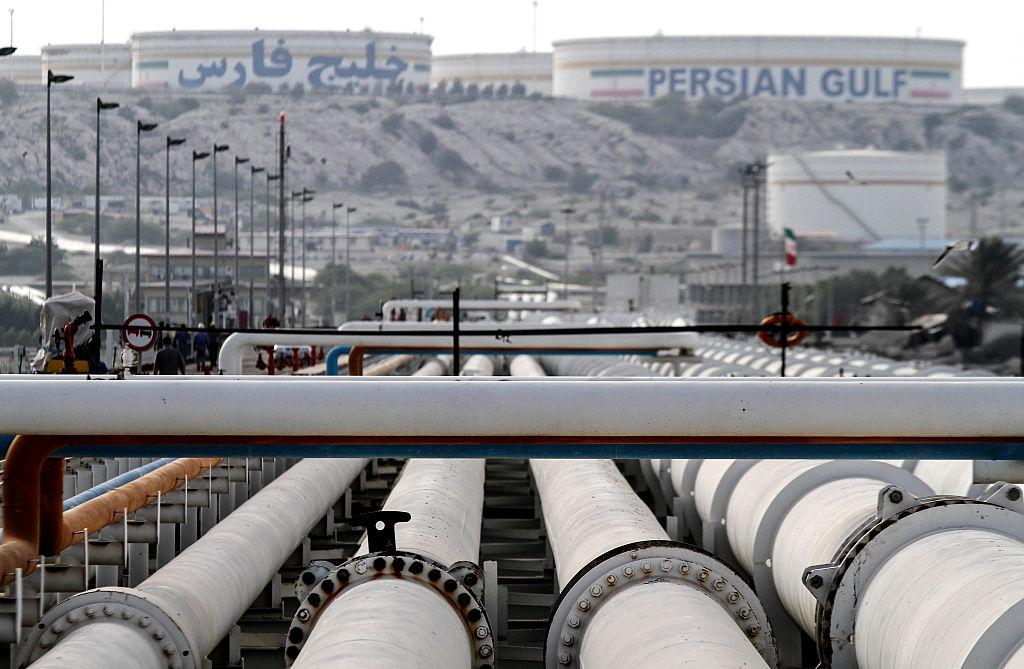
As the Islamic Republic shifts to a more muscular foreign policy in the face of mounting external pressure, its defense and security apparatus is also undergoing key changes. This includes a reshuffling within the Islamic Revolutionary Guards Corps (IRGC) and the creation of a separate “air defense force” within the regular Army. Much less publicized, however, are reports of high-profile removals and replacements within the IRGC and more broadly, the armed forces, as part of a systematic effort to enhance their operational efficacy at a time of growing internal and external threats.
The Gulf states, the “deal of the century,” and the Iranian threat
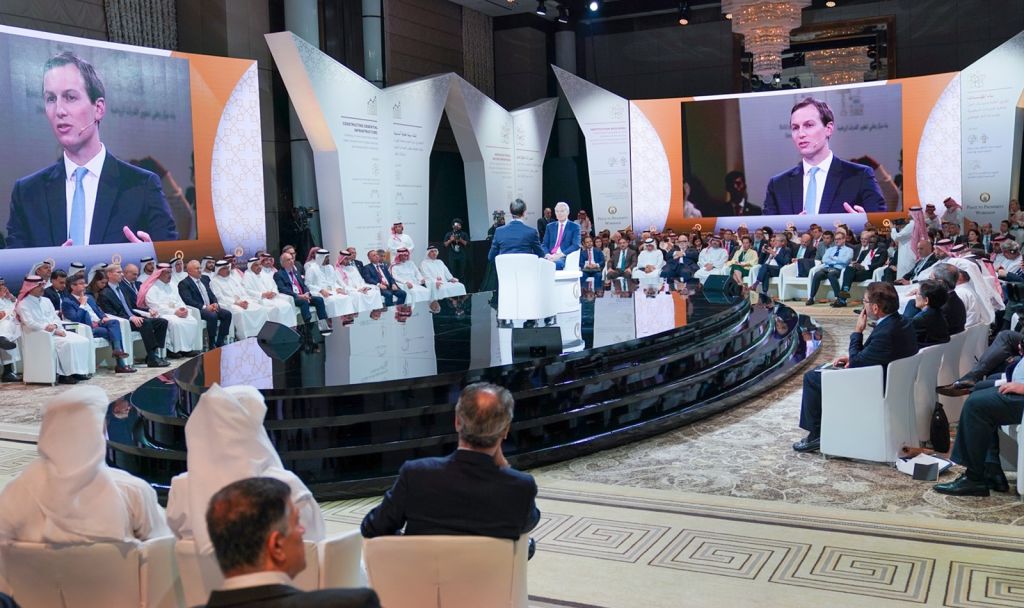
Many analysts have been dismissive of the plan’s prospects, but for Gulf states like Saudi Arabia, the UAE, and Bahrain, there’s at least one major reason to line up with Washington on the issue: Iran.
Divided over narratives: The new fault line in the Arab World
Many of the divisions in the Arab World today are ideological and revolve around narratives — carefully constructed ontological representations of both how the world works and how it is supposed to work conforming to clearly set out interests and values. While the old sectarian narratives might still play an underlying role, what divides Arabs from Morocco to Oman are different grand-strategic visions of the region’s future after the Arab Spring.
OPEC+ agrees to production-cut extension and new charter amid rising Middle East tensions
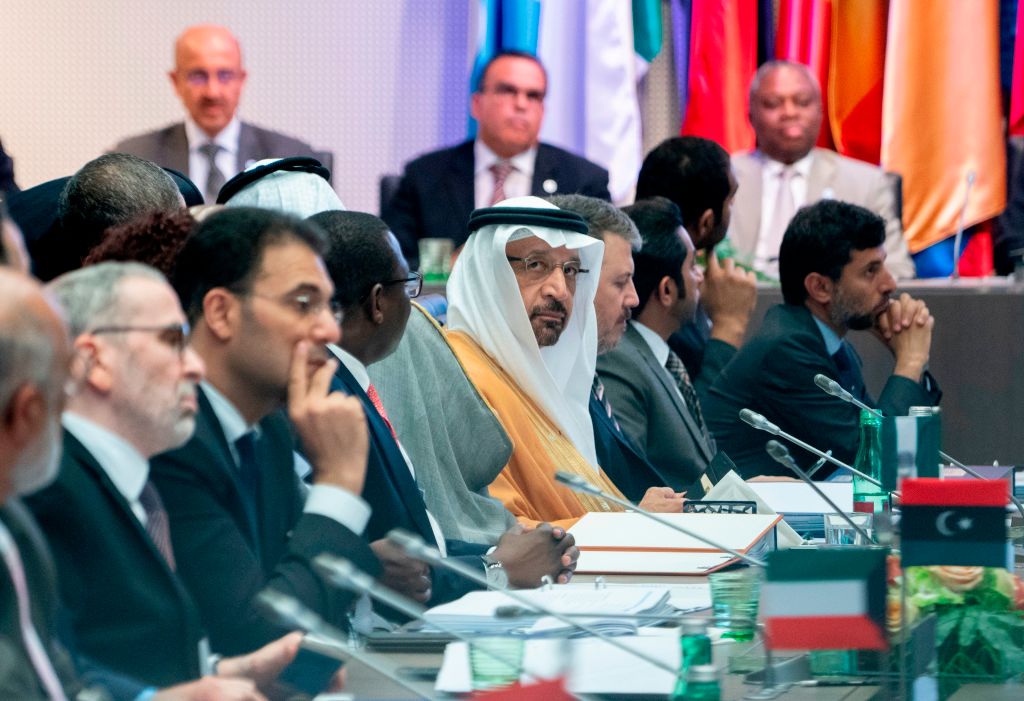
OPEC+ nations have ended speculation about whether they would continue oil production cuts by agreeing to a nine-month extension. Led by the global petroleum powers Saudi Arabia and Russia, the group agreed on July 2 to extend the current level of cuts until the second quarter of 2020.
Modi 2.0 and Returning Indian Migrants: The Case of Bahrain
The Gulf Arab countries, once paradise for Indians, have been losing their charm as a result of the economic slowdown that followed the global financial crisis, the persistence of low oil prices, and the implementation of workforce nationalization measures. Bahrain is a case in point. Since 2013, the number of returning migrants to India from the Gulf has increased while the the number of Indians migrating to the Gulf has steadily decreased. Traditionally, the Indian government has responded to hardships and crises faced by Indian workers in Bahrain on a case-by-case basis. However, it is incumbent upon the Indian authorities to put in place a comprehensive approach to deal with the growing number of return migrants from Bahrain and from the Gulf as a whole.
Missile defense, spinach pastry, and fighter jets: The S-400 leaves Turkey looking for an F-35 alternative
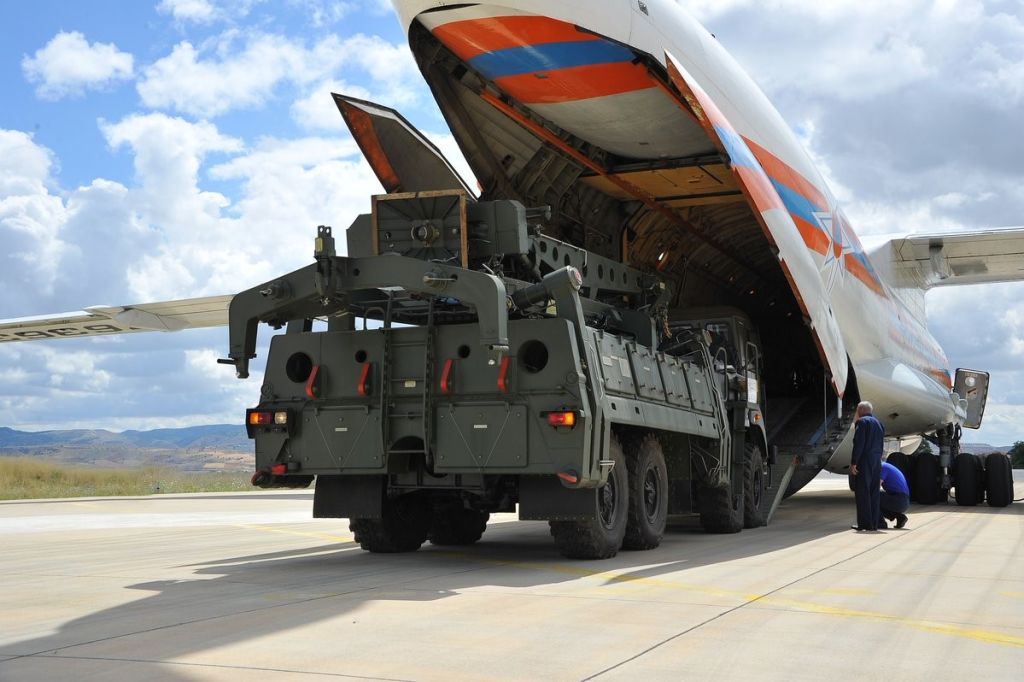
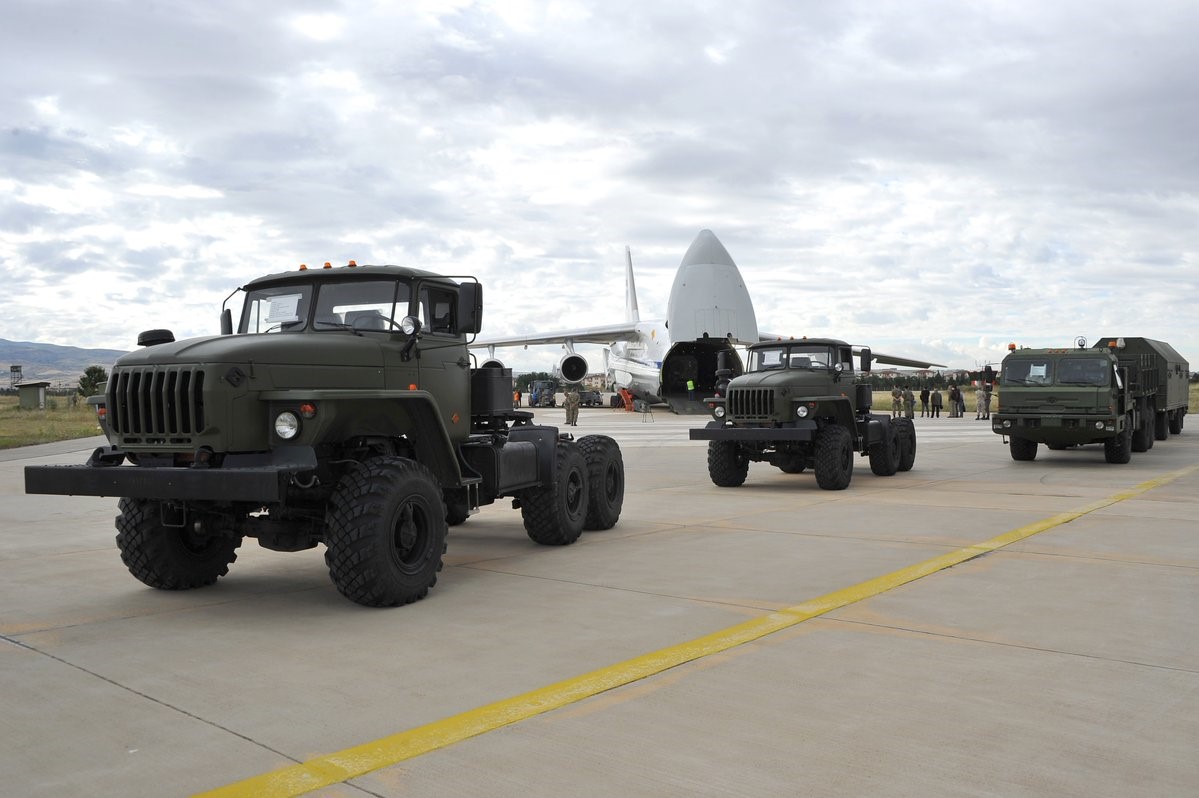
Turkey began taking delivery of the first Russian S-400s last week despite repeated warnings from the U.S., and the new missile defense system has received a warm welcome. Columnists, analysts, and TV commentators — pro- and anti-Erdogan alike — hailed the delivery of the missile system as the “country’s liberation from the West.” The U.S. response followed several days later, when it officially expelled Turkey from the F-35 stealth fighter jet program in retaliation. The U.S. announcement has not changed the jubilant mood in Ankara, although it has underscored the need for Turkey to find — or develop — an alternative.
Monday Briefing: Pakistani PM Khan heads to the White House
This week’s briefing on recent news and upcoming events in the region including Imran Khan’s visit to the White House, tensions between President Trump and Congress over Turkey’s new S-400 system, escalation in the Straits of Gibraltar and Hormuz, military restructuring in Iraq, increased collaboration on the region’s power supply, and changes to Egypt’s social safety net, featuring Arif Rafiq, Gonul Tol, Ruba Husari, Robert S. Ford, Dr. Ibrahim Saif, and Mirette F. Mabrouk.
The Lion and The Eagle: The Syrian Arab Army’s Destruction and Rebirth
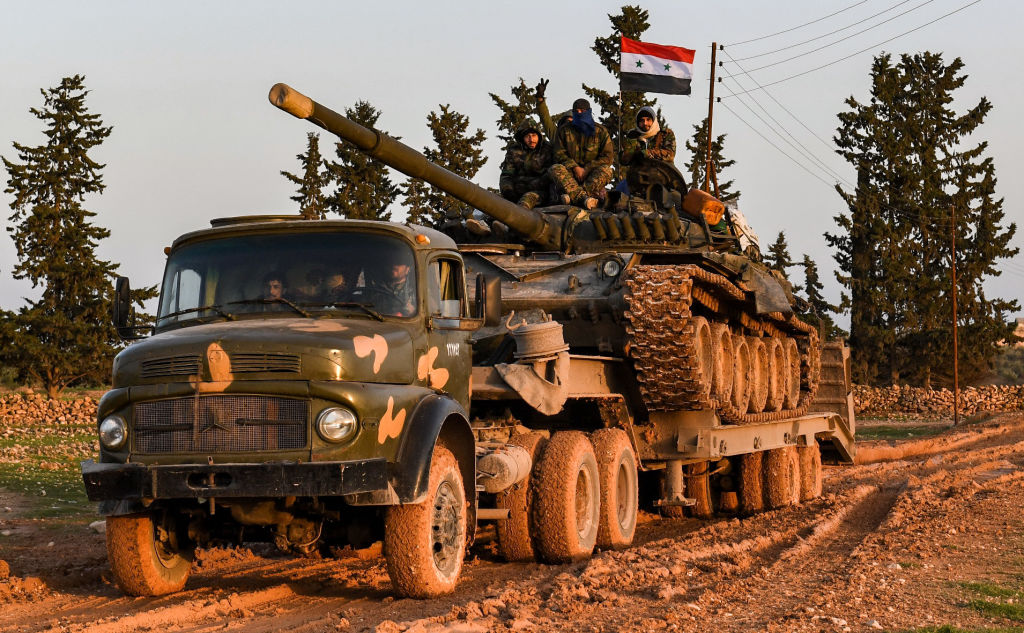
The Syrian Arab Army (SAA) has been decimated by eight years of civil war. Defections, deaths, and a lack of funding have gutted its ranks while heavy losses of armored vehicles have significantly reduced the mechanized capabilities of what was once the sixth-largest armor fleet in the world. The inability of Damascus to fully deploy its official army led to the rise of paramilitary militias and an influx of pro-regime foreign fighters. This report explores the causes of the collapse of the SAA and its attempted rebirth, and ends with a detailed examination of its current order of battle.
When it was signed four years ago, the Iran nuclear deal was widely perceived as a diplomatic triumph, a move that would help reintegrate Iran into the global economy and restore its relations with the West. Things haven’t quite turned out that way, however.
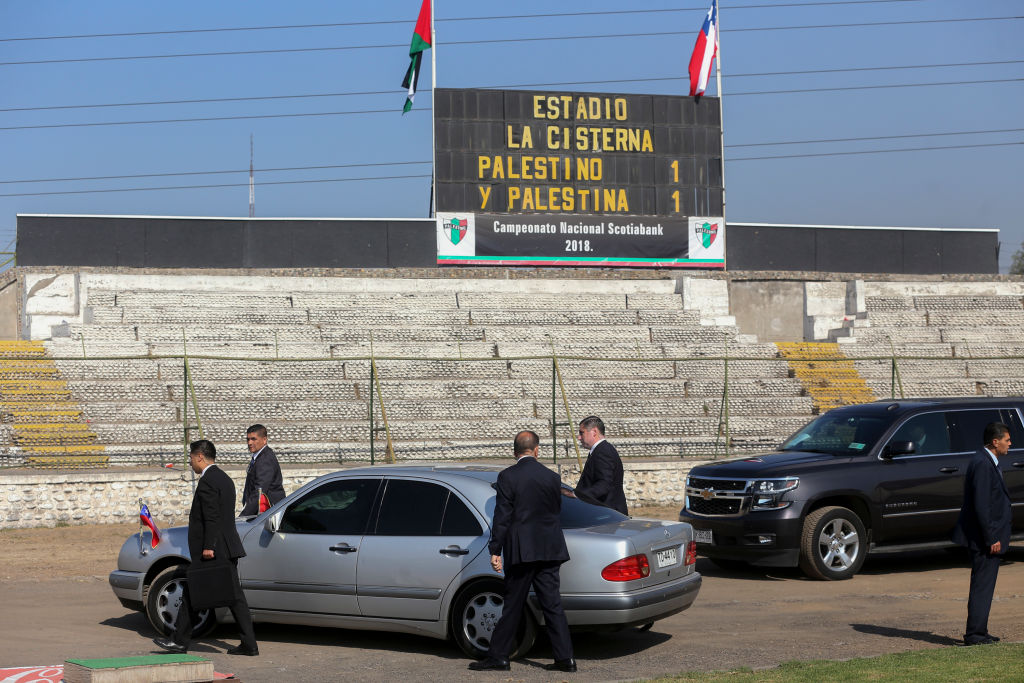
With the increased influence of right-wing populism and evangelicalism, Mahmoud Abbas has seen the region’s historic commitment to the Palestinian cause wane. These internal changes, along with a pivot toward Washington, have, in turn, aided Israeli Prime Minister Benjamin Netanyahu in making further inroads on the South American continent.
The Abu Dhabi Policing Laboratory: Building Security, Forging Community
Over the past decade, police reform in the Gulf Cooperation Council (GCC) region has been mainly implemented through community policing programs, gender inclusion, and youth and expatriates outreach, with the overarching purpose of promoting a positive image of the police. This article discusses the case of Abu Dhabi, the re-branding of whose police forces aims to boost a carefully tailored nation-building process in the United Arab Emirates (UAE) while supporting the federal messages of tolerance and happiness.
Monday Briefing: US and Turkey face S-400 confrontation
This week’s briefing on recent news and upcoming events in the region including Turkey’s confrontation with the U.S. over its S-400 defense system, the latest round of Afghan peace talks, the UAE’s drawdown in Yemen, Turkey’s media signaling on Syria, and the 21st consecutive week of protests in Algeria, featuring W. Robert Pearson, Marvin G. Weinbaum, Ibrahim Jalal, Guney Yildiz, and Robert S. Ford.
Shale oil and the illusion of US energy independence
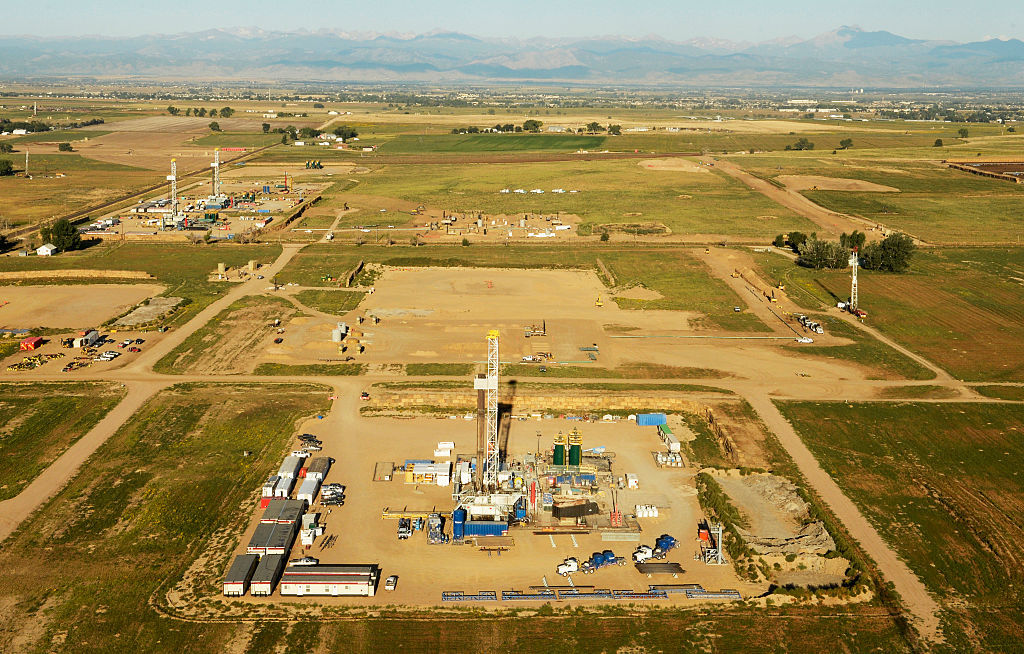
U.S. crude oil and energy product exports surged to an all-time high in the third week of June, making the country a net exporter of oil and products for the third time since November 2018. This change lends credence to American officials’ presumption that amid growing U.S.-Iran tensions in the Persian Gulf, Washington is less compelled to police oil transit routes in the region, especially the Strait of Hormuz, than it was during the 1980s. However, while the U.S. is less reliant on oil imports than in the past, it still remains dependent on Gulf producers, albeit in different ways.
The idea of establishing a Levant Union — one not unlike the European Union (EU), but composed of the Levantine states of Lebanon, Syria, Iraq, Palestine, Jordan, and by extension, Egypt and Cyprus — is one that ought to be explored. Such an arrangement would offer untapped potential for trade, supported by the growing trend toward greater regionalization, fueled by the rise in protectionism, increasing multipolarity, and corporate regionalization.