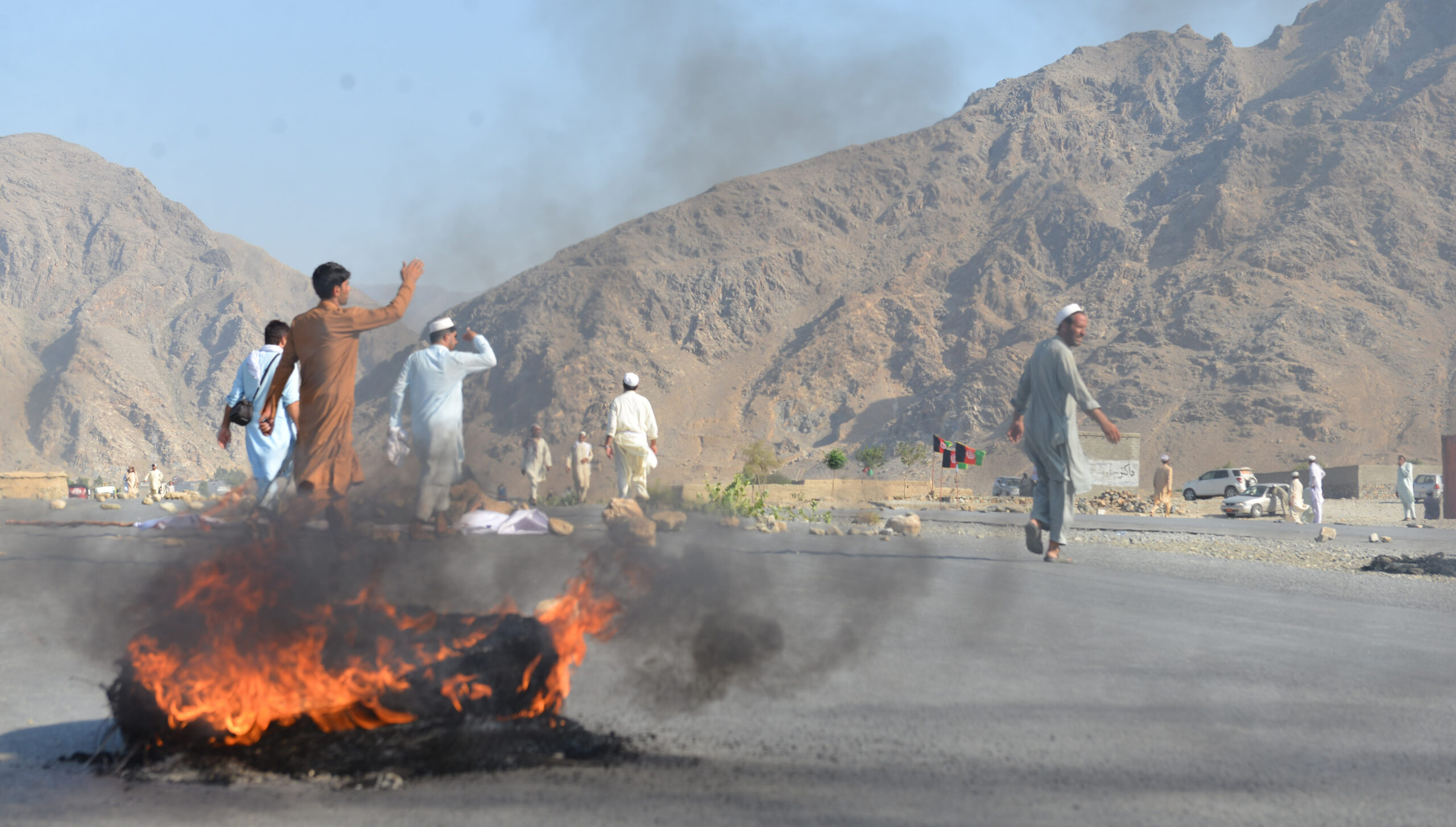
As Khalilzad leads U.S. efforts to bring the Taliban to the negotiating table, he faces immense challenges from geopolitical entanglements and regional rivalries surrounding the Afghan conflict.
Standing up to China on Human Rights: The Case of the Uyghurs
After becoming a significant global player in the world economy and the global geostrategic calculus, China now seeks to redefine the normative framework that determines how states engage with their citizens and with each other. This strategy has considerable implications for the principle of universal human rights. The challenge to human rights universalism is exemplified by China’s crackdown on the country’s Uyghur minority.
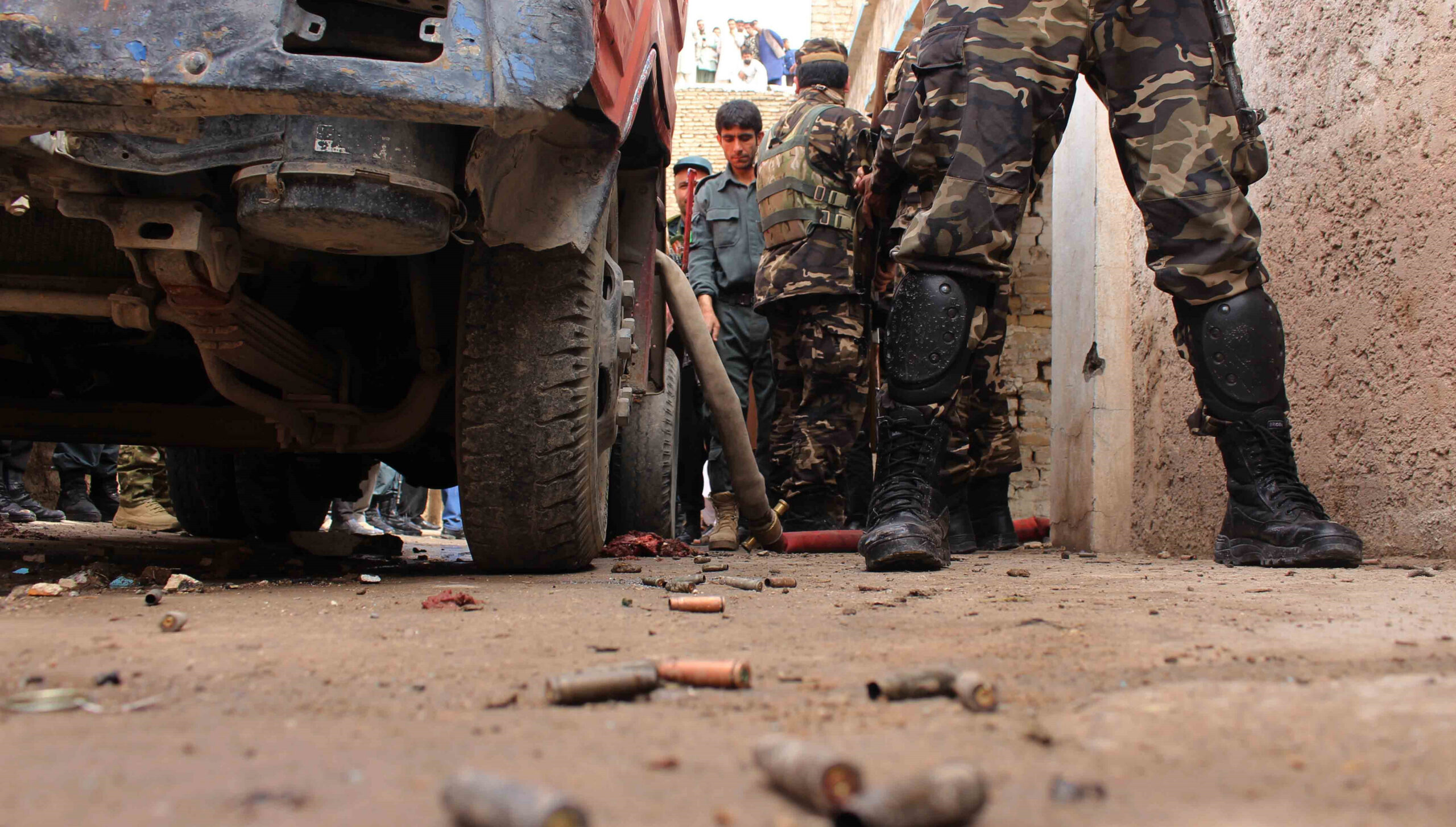
The assassinations are likely to undermine voter turnout in Afghanistan’s south and deepen divisions within the Afghan government about the prospect of peace with the Taliban.
Japan’s Development of the Jericho Agricultural Industrial Park (JAIP): Policy and Politics
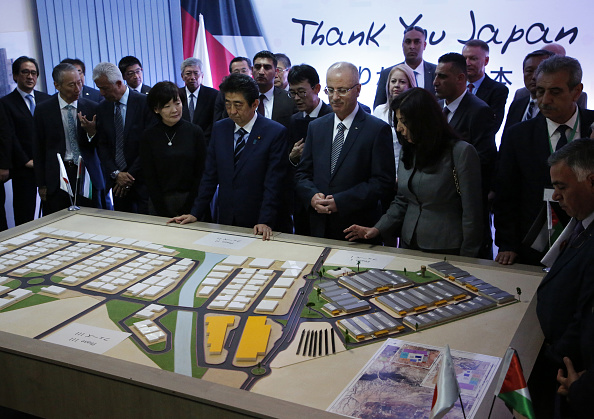
The Japanese International Cooperation Agency’s (JICA) development of the Jericho Agricultural Industrial Park (JAIP) in the Jordan Valley is a key part of Japan’s policy of proactive contributions to Middle East peace. A mixture of both economic and diplomatic efforts, the Park is one way for Japan to balance its relationships and further its long-term strategic footprint in the region.
The Fatemiyoun Division: Afghan fighters in the Syrian civil war
Summary
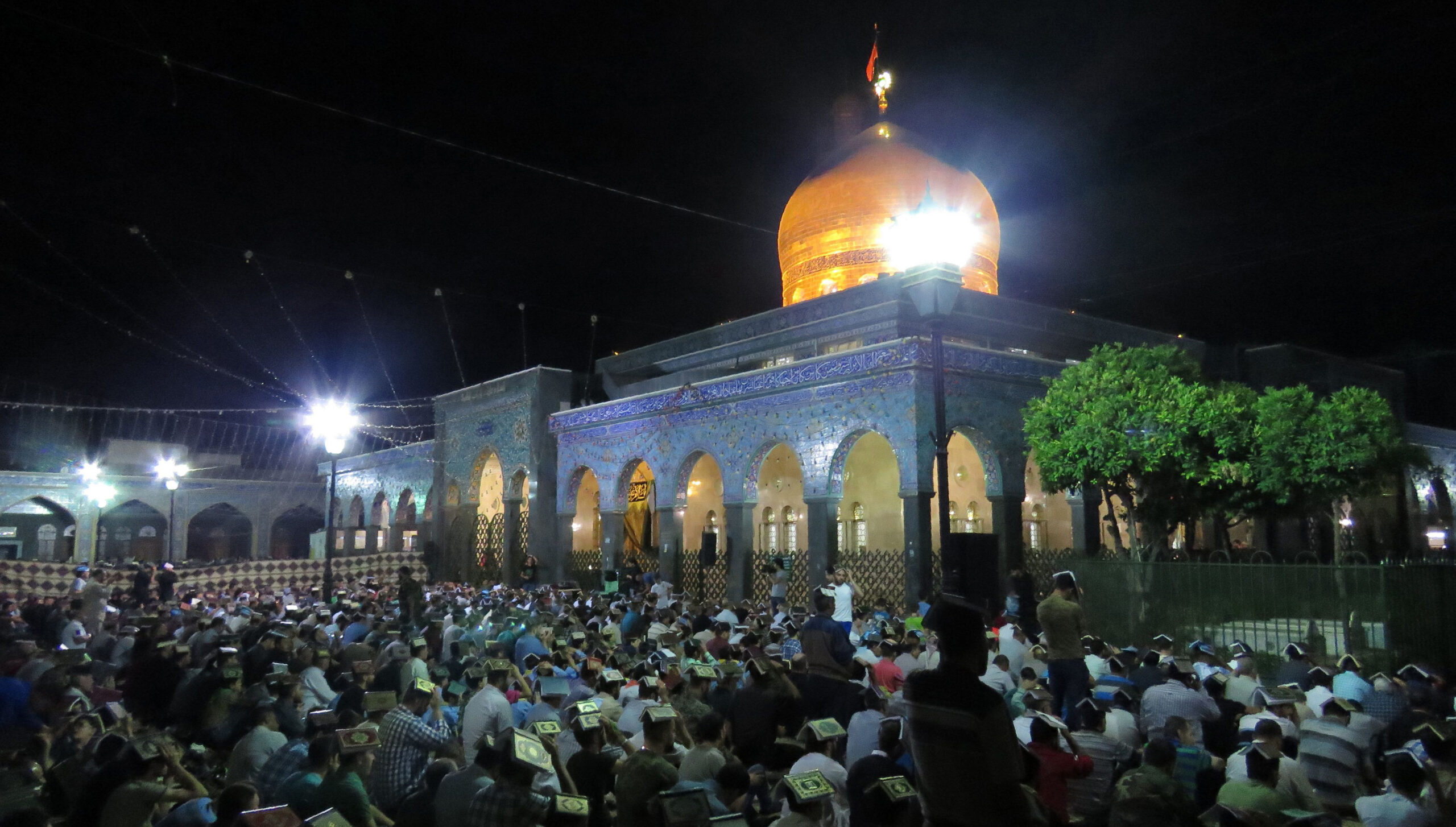
Originally styled as a small detachment of volunteers and refugees mobilized to defend the shrine of Sayyeda Zeinab outside Damascus, the Fatemiyoun formation’s size and presence across Syria has slowly expanded throughout the war. At home, the IRGC began cultivating a narrative of Afghan “resistance” to transnational Sunni jihadism. Joining the Syrian jihad was increasingly promoted as a path to legal and social recognition within the Islamic Republic at a time when thousands of desperate young Hazaras were setting out to emigrate to Europe.
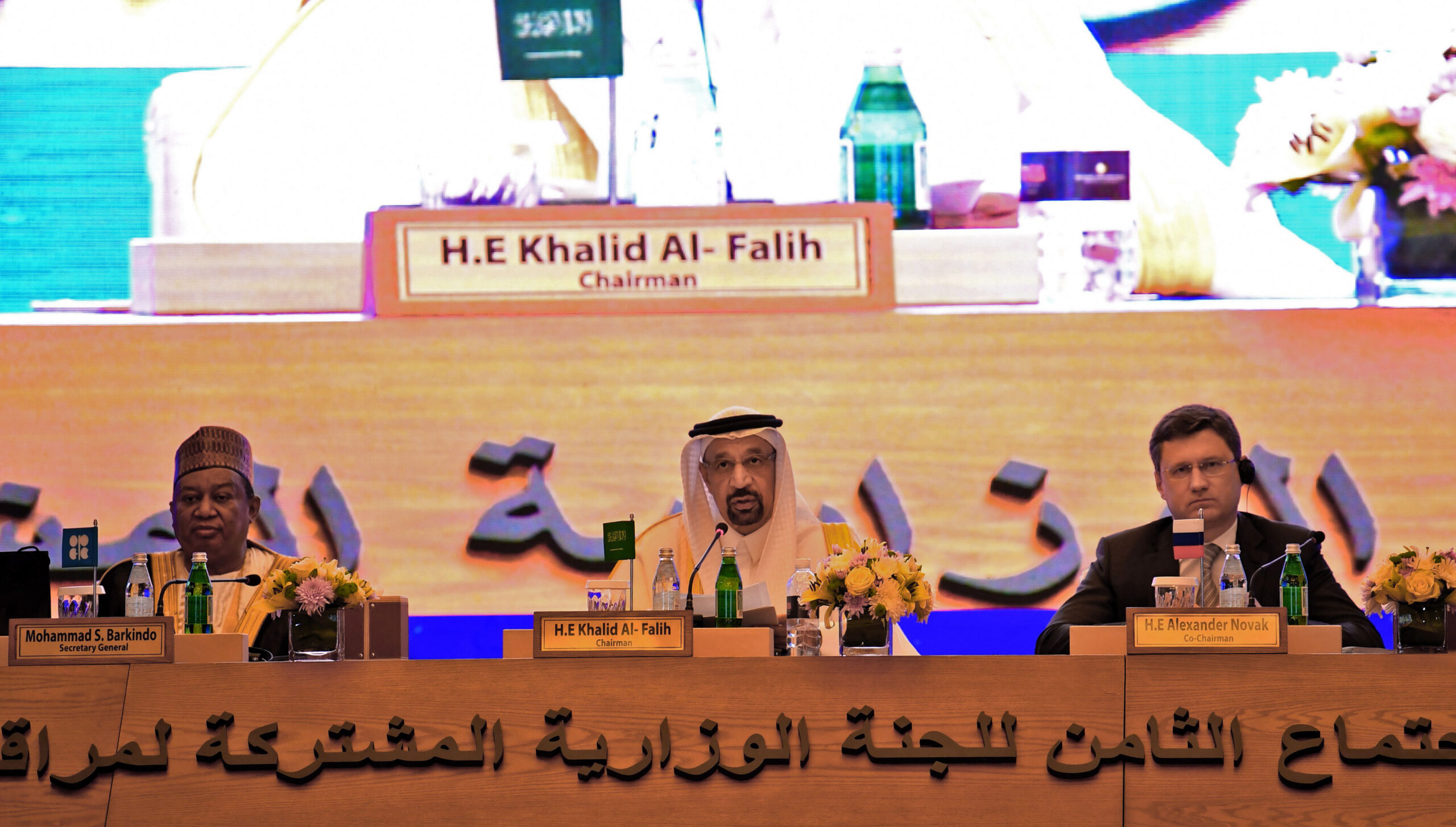
Although the current oil-market landscape might seem beneficial to the Gulf states, it will be difficult to sustain amid major drops in global oil supply, Washington’s standoff with Moscow and Tehran, and quota disagreements between Saudi Arabia and Russia.
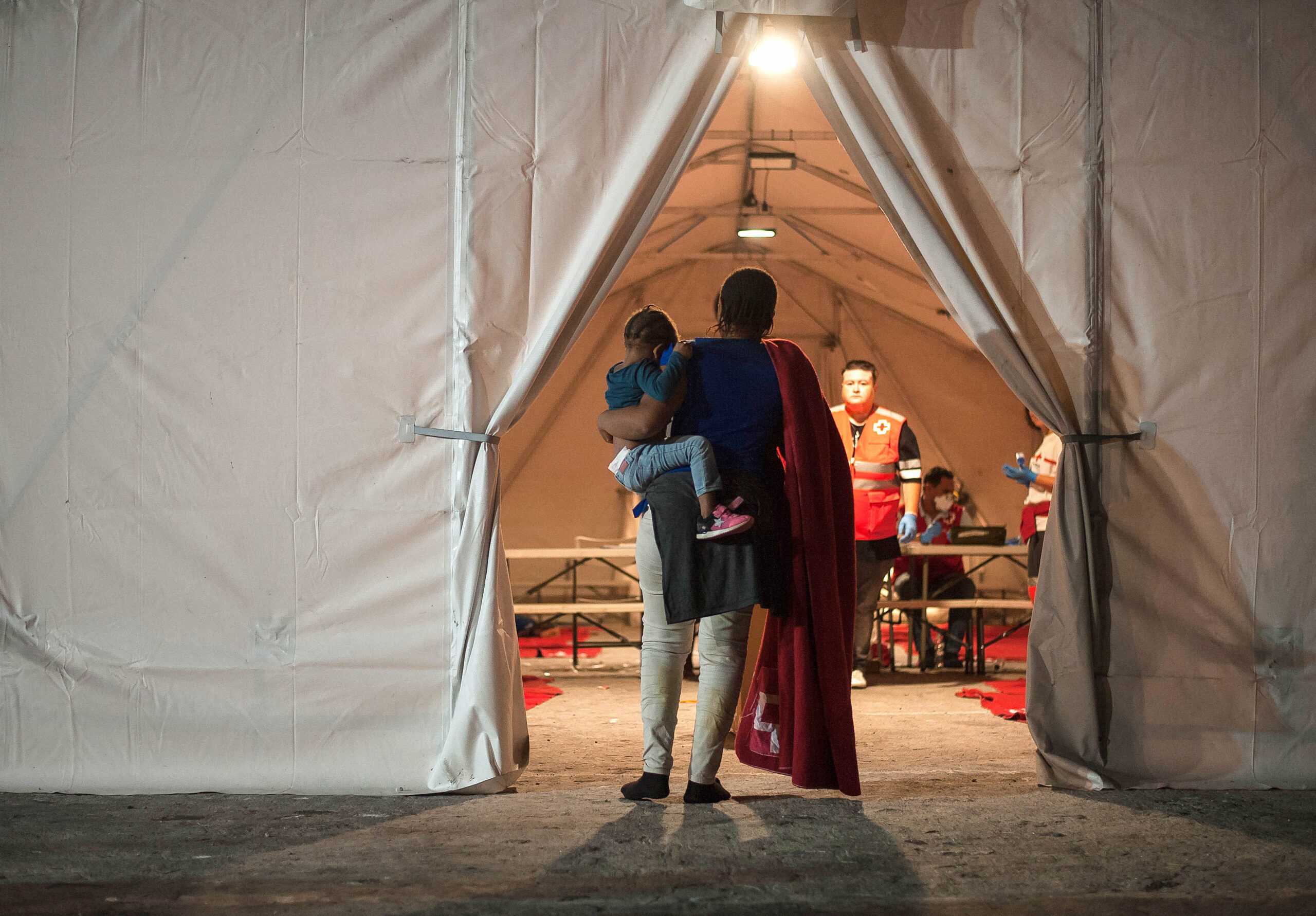
The most recent EU summit, in June 2018, only proved that the EU’s member states do not share any common long-term perspective on migration from Middle East to Europe. This lack of cohesion, as well as a lack of substantial cooperation with the U.S., are the best recipe for a humanitarian disaster in 2019.
Dark Clouds, Silver Lining: Kerala Floods, Gulf Responses, and More Lessons
The unprecedented flooding witnessed in the Indian state of Kerala in August 2018 has been heart wrenching. Climate experts and meteorologists have dubbed it the worst flooding observed in the state in over a century. As the floodwaters recede in Kerala, leaving behind lost lives and damaged houses and wiped out livelihoods, it is important to imbibe the lessons that this disaster has offered for effective relief and sustainable reconstruction.
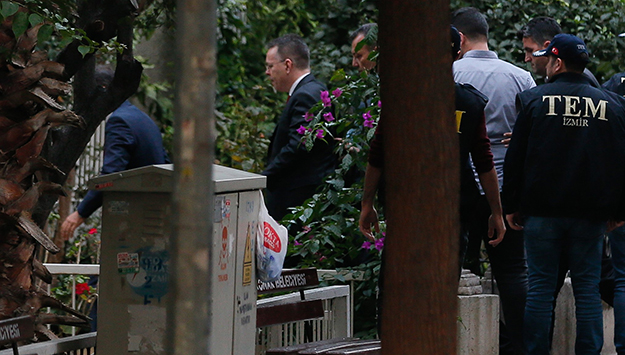
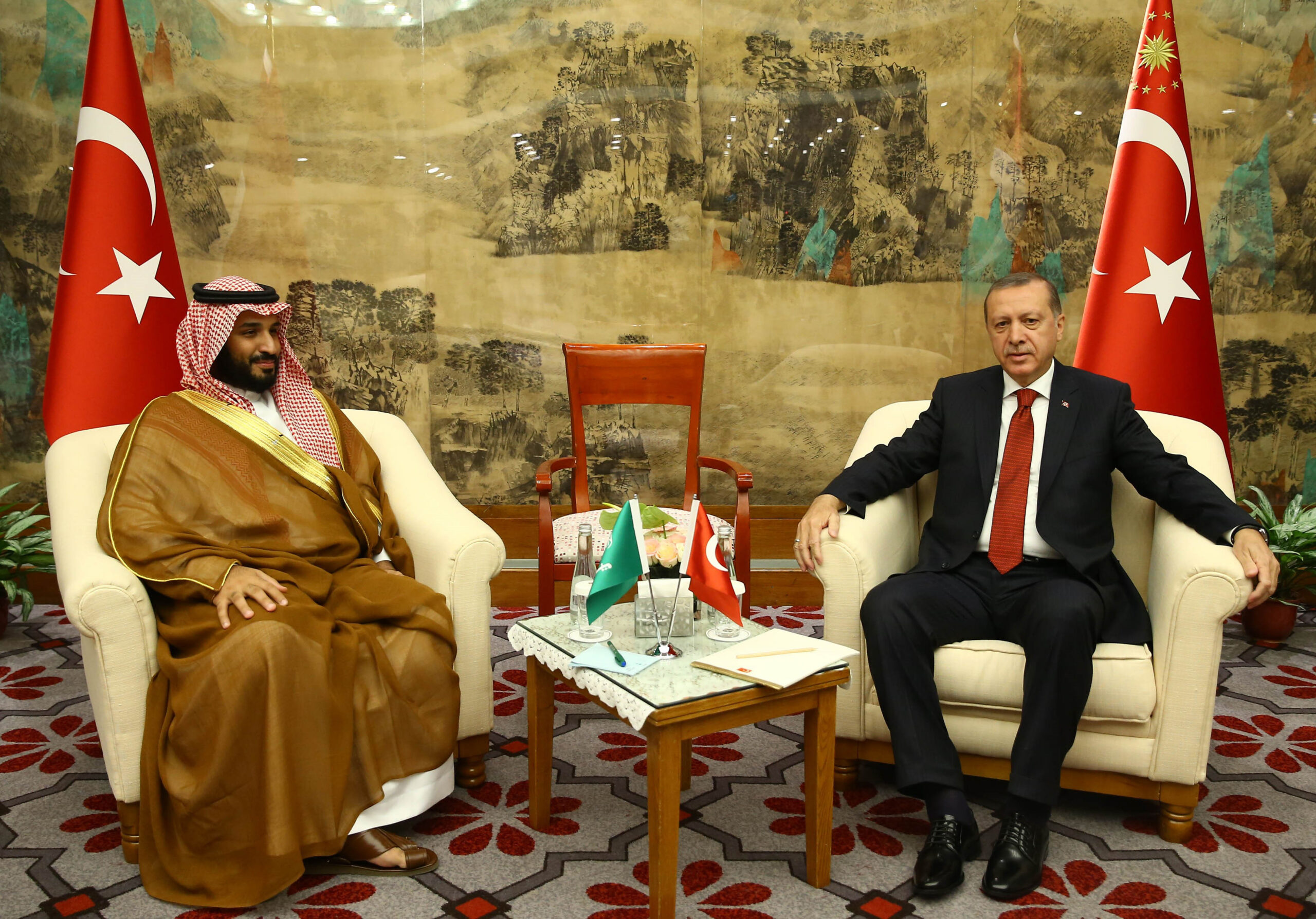
Khashoggi crisis creates new challenges for Turkey’s foreign policy
The incident threatens to spark a major crisis between the two countries, and potentially between Turkey and Saudi Arabia’s Gulf allies, putting much-needed Gulf investment at risk.
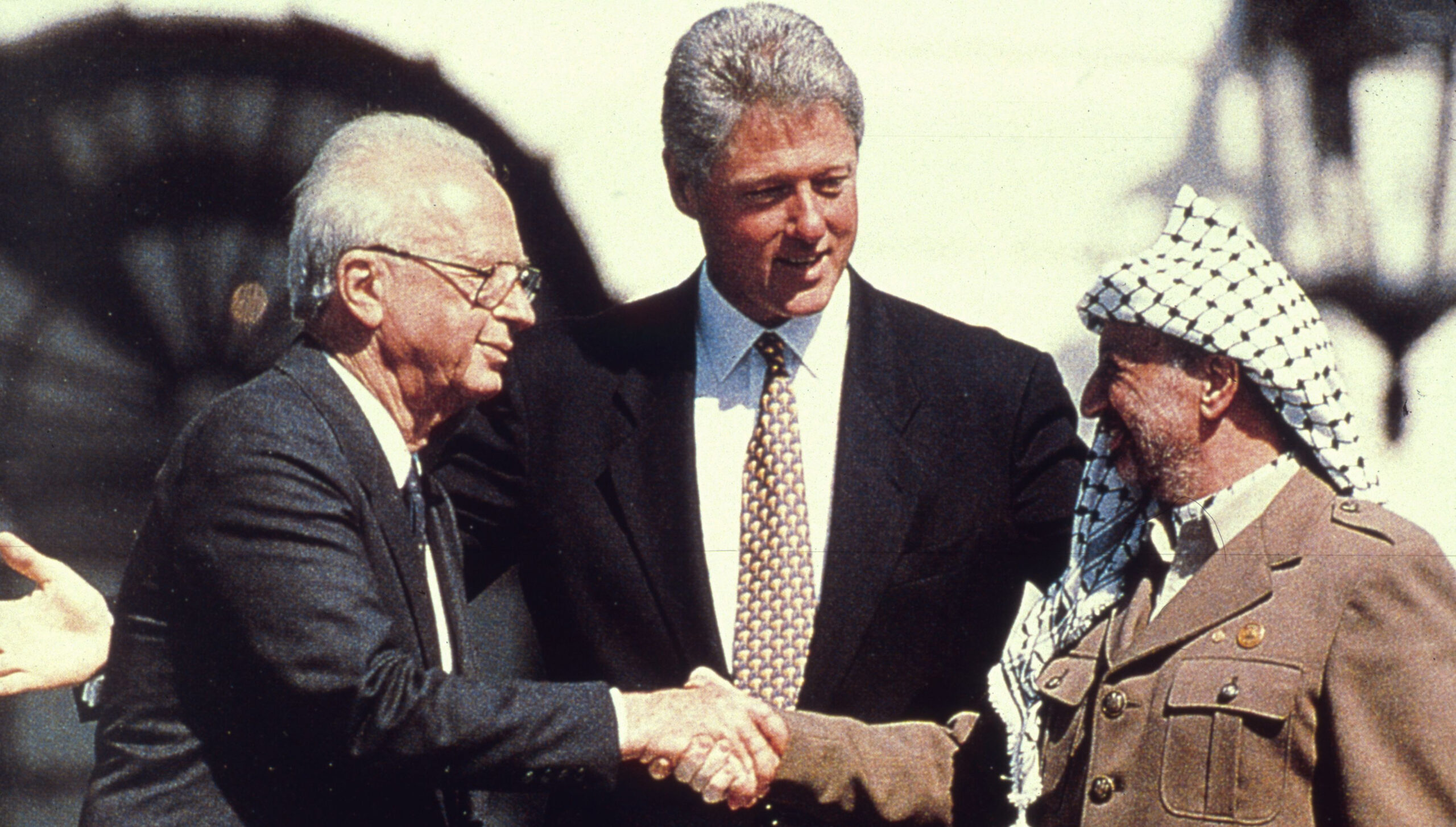
On Sep. 13, 1993, President Bill Clinton presided over one of the most dramatic handshakes in modern history. On the White House lawn, the handshake between Israeli Prime Minister Yitzhak Rabin and the Palestinian Liberation Organization Chairman Yasser Arafat was hailed as a political breakthrough that would constitute the dawn of a new era for the Middle East. Now, 25 years after the announcement of the Declaration of Principles––also known as the Oslo Accords––the prospect of peace appears more elusive than ever.
Iran-backed Houthi rebels step up persecution of Baha’i minority in Yemen
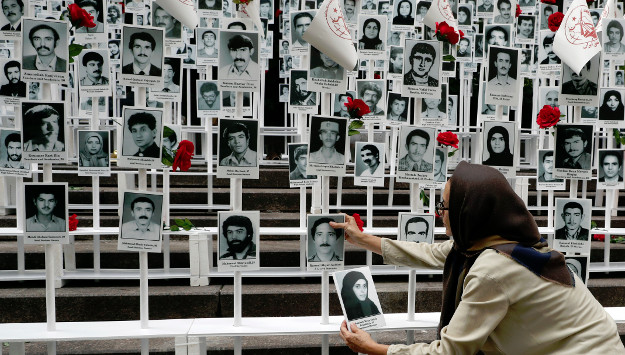
Earlier last week, Iranian-backed Houthi authorities arrested 24 Baha’is on charges of espionage and apostasy, which are punishable by death. Amongst those arrested are eight women, a teenage girl, and 15 men that hold leadership positions in the Baha’i community in Yemen. The charges – including accusations of being agents for Israel, the U.S., and the U.K –were formalized during their trial, which took place secretly and without a prior notice on September 15. Followers of the faith claim that they have been subjected to increasing harassment since the Houthis’ rise to power in 2014, and they attribute that to Iran’s influence over the rebel movement.
From "fascists" to friends: Erdogan embraces the EU
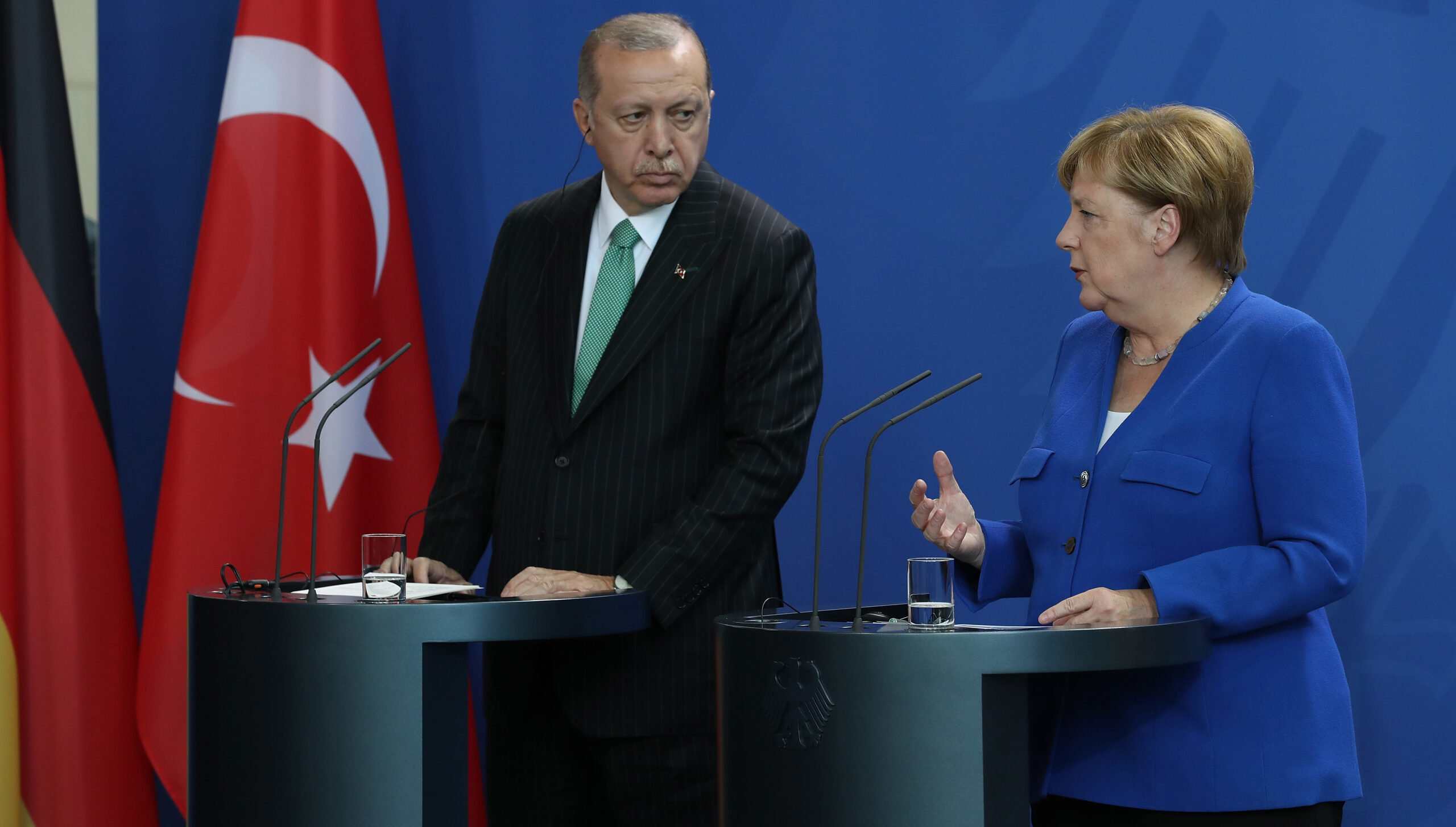
The one good thing that has come out of the ongoing tension in Turkey-U.S. relations has been the rapprochement between Turkey and its key European allies. With no immediate prospect of normalization with Washington, Erdogan now feels he must mend ties with the European countries that he called “Nazi remnants” not long ago to help his country’s ailing economy.
Foreign Actors in Post-revolutionary Tunisia: Enhancing Democratization and Lowering Political Tensions
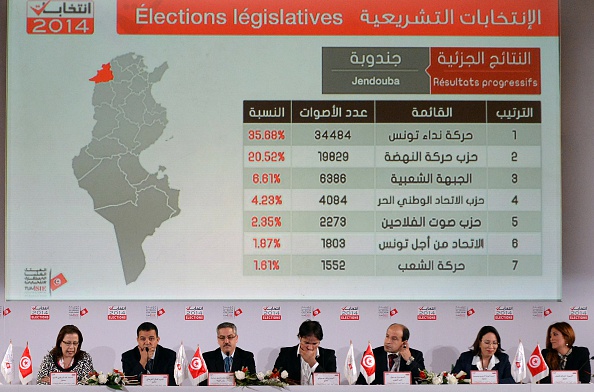
As the barriers erected by Tunisia’s autocratic regime have crumbled, the range of programs delivered by international democracy promotion organizations has steadily increased. This essay examines the reasons for this growth and the distinctive manner in which foreign actors have involved themselves in Tunisia’s national politics since the 2011 revolution.