Iran-Backed Iraqi Militia Groups Seize Strategic Air Base in Western Mosul
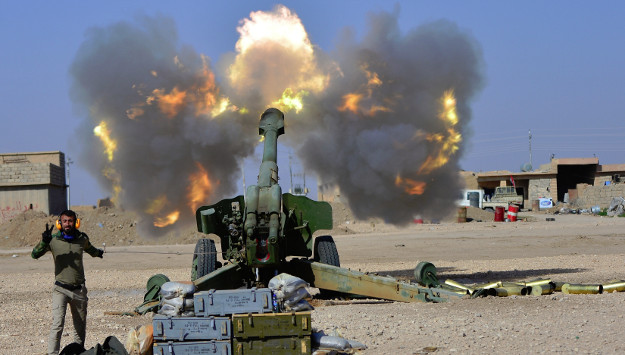
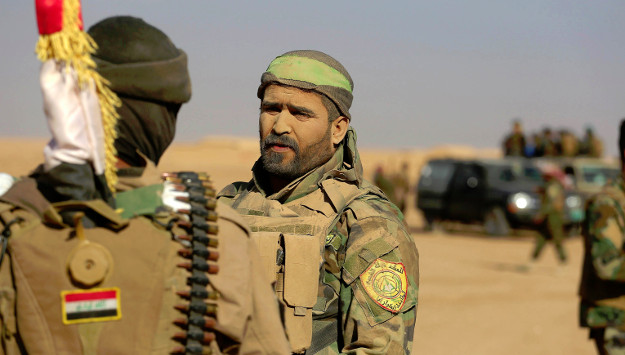
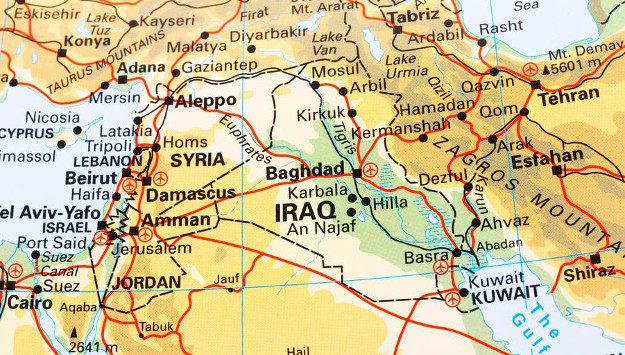
The Hashd al-Shaabi – Iraqi paramilitary forces known as the Popular Mobilization Forces – captured an air base from the Islamic State on Thursday, the Iranian media reports.
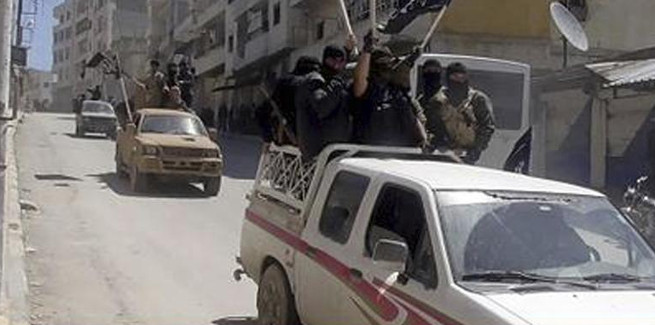
“There are really big problems right now,” a conservative Islamist cleric close to Syria’s armed opposition told me – “al-Qaeda is trying to create a new loyal faction in Idlib, but that’s being prevented by al-Hayat.” As this influential cleric and four other similarly well-connected Islamist opposition figures have described to me in recent days, al-Qaeda’s central leadership is growing increasingly exasperated at its former Syrian affiliate – now named Hayat Tahrir al-Sham (H.T.S.), after a second rebrand in January 2017 – and is now actively seeking to build a rival movement more loyal
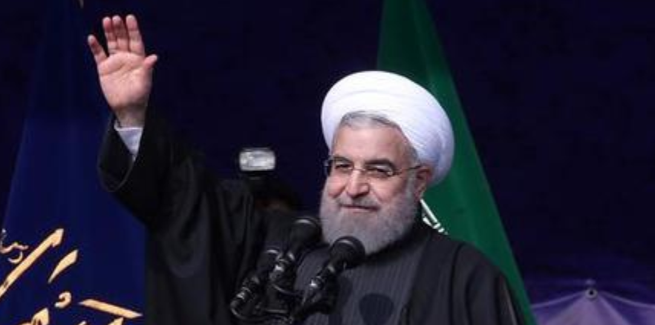
Four years ago, Hassan Rouhani assumed the Iranian presidency on the back of a campaign pledge to alleviate Iran’s economic hardship by striving for the removal of sanctions. With nuclear-related sanctions removed, blame for Iran’s continued economic misery has either been put on remaining U.S. unilateral sanctions that present a hurdle to large-scale European involvement in the country, or Iran’s hardliners blocking the president’s economic reforms. Yet, Rouhani’s own economic doctrine has significantly contributed to his administration’s failure to improve the lives of Iranians.
Heightening Tension between U.S.-led Coalition and Iran-led Forces in Syria
Just hours before the news of U.S. airstrikes in Syria broke out, Iran’s Fars News Agency (F.N.A.) reported that the Lebanese Hezbollah had dispatched 3,000 fighters near the border-crossing al-Tanf passageway along Syria’s borders with Iraq and Jordan to “thwart the U.S. plots” and take the control of the Palmyra-Baghdad road.
I.R.G.C. Outlet: Iran’s “Military Diplomacy” Forced Pakistan to Take Action against Terrorists
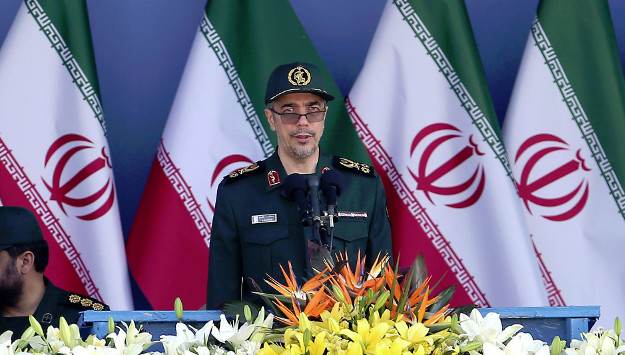
An article in Tasnim News Agency says Iran’s “military diplomacy” was instrumental in compelling Pakistan to take concrete actions against terrorist groups. “After the attack by terrorist groups that martyred 10 Iranian border guards, it was the powerful words of Major General [Mohammad] Bagheri that made Pakistani political leaders to take practical actions to control the borders,” wrote the outlet, which is affiliated with the Islamic Revolution Guards Corps (I.R.G.C.).
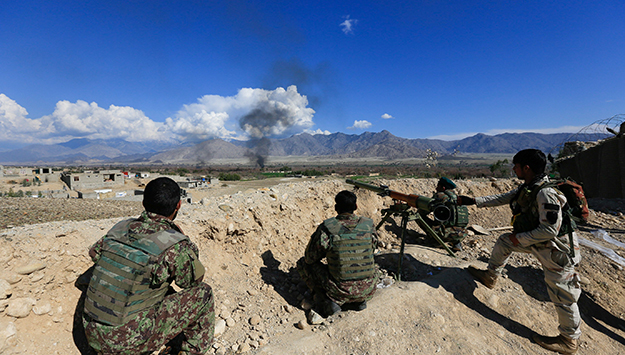
Accusations are mounting that Iran is ramping up its engagement with the Taliban in Afghanistan. Like a lot of Iran’s murky foreign policy, it is difficult to separate the wheat from the chaff. The three questions that need to be answered to clear up the murky relationship between Iran and the Taliban are: why the change in Iran’s policy; when did this policy change occur; and what is the level of support afforded to the Taliban?
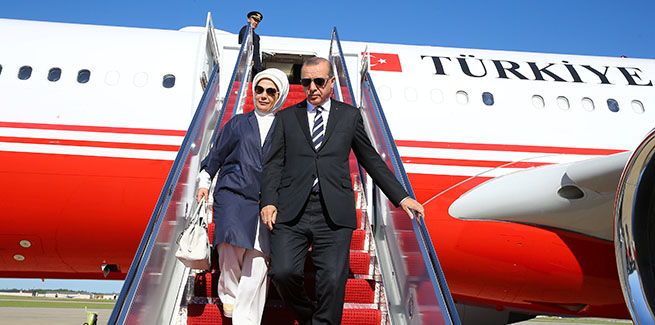
President Recep Tayyip Erdogan will meet President Donald Trump as a frustrated and disappointed man. His hopes for a clean slate after strained relations with President Barack Obama have been dashed as Trump has endorsed his predecessor’s policies against key Turkish demands. Importantly, Trump last week approved an Obama era plan to arm Syrian Kurds in preparation for the upcoming battle to retake Raqqa from ISIS.
The India-U.A.E. Strategic Partnership in Regional Context: A Zero-Sum Game?
Since the government of Narendra Modi took office in 2014, India and the U.A.E. have moved relatively quickly to consolidate their existing ties and to explore new areas of cooperation. During this time, they have elevated the relationship to a comprehensive strategic partnership, with the expressed intention of extending their cooperation to the security and defense spheres. This essay discusses these recent developments, with particular attention to the role of Pakistan as a constraining factor in India-U.A.E. relations going forward.
Iran’s Envoy to Iraq Meets with Senior Religious and Political Leaders in Karbala
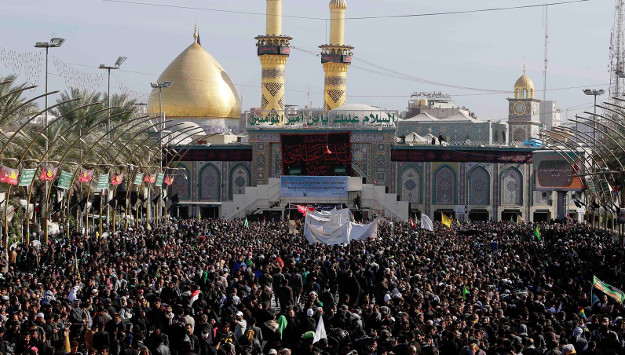
On Monday, Iranian Ambassador to Baghdad Iraj Masjedi traveled to the holy city of Karbala and held meetings with senior Iraqi government officials and religious leaders, the
I.R.G.C. Outlet: U.S. Eyes Post-ISIS Military Presence in Iraq and Syria to Counter Iran
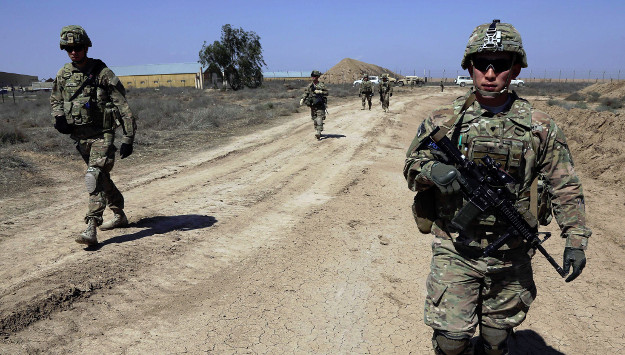
A lengthy report in Fars News Agency (F.N.A.), an outlet close to the Islamic Revolution Guards Corps (I.R.G.C.), claims that the United States is seeking to contain the growing influence of Iran and its proxies in Iraq and Syria by increasing its military presence in northern and southern Syria and keeping
Iran’s Defense Minister Cautions about Anti-Iran “Arab NATO” by U.S. and Its Allies
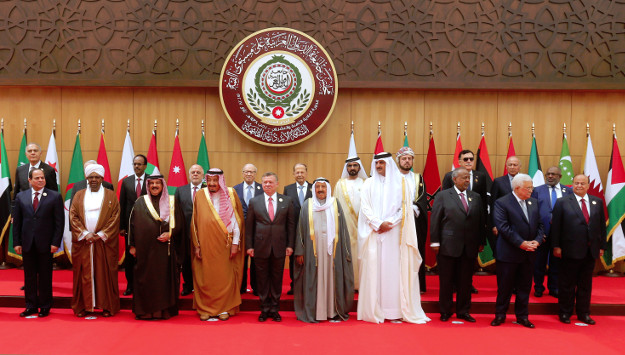
President Donald Trump’s planned trip to Saudi Arabia has triggered concern in Tehran. Iranian officials and media outlets appear to be particularly troubled by Riyadh’s decision to invite leaders of dozens of Muslim countries to attend a summit with the American president. Many Iranian leaders and analysts say Washington, Israel and Sunni Gulf nations want to establish an “Arab NATO” or “American-Arab NATO” to confront Iran’s power and influence in the region.