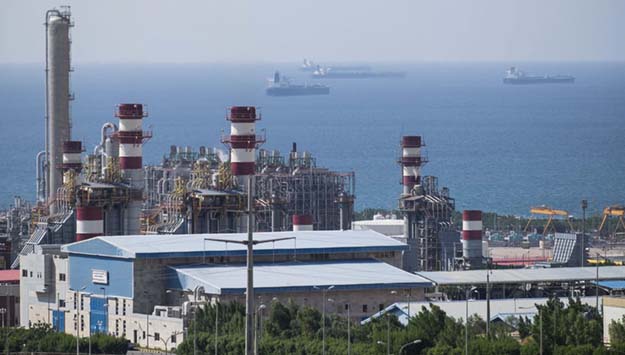
Sharing a Pot of Gold: Iran, Qatar and the Pars Gas Field
Summary
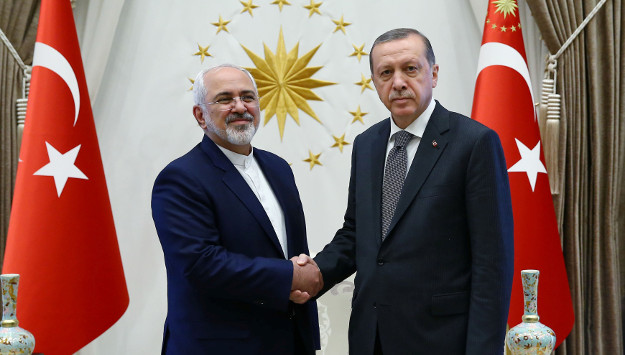
Monday Briefing: Turkey's Iran Outreach and Regional Diplomatic Strategy
In this week’s Monday Briefing, MEI experts Gonul Tol, Alex Vatanka, Charles Schmitz, and Robert S. Ford provide analysis on current issues including Turkey’s regional diplomacy as President Erdogan is set to visit Tehran, the Iranian perspective on Turkey’s role in the region, Secretary Kerry’s visit to Saudi Arabia amid renewed fighting in Yemen, and ongoing attempts to broker a cease-fire deal in Syria.

Minority Shi‘a Groups as a Part of Civil Society in Indonesia
Offenses committed against religious minorities has been one of the most serious human rights issues in Indonesia since its democratization in 1998. Shi‘a are the second-most frequently attacked groups, next to Ahmadiyah. The violent attacks on Shi‘a communities in Sampang, Madura in 2011-12 were the most destructive incidents. This essay discusses how Shi‘a groups, as a part of civil society organizations (CSOs), have responded to the Sampang incidents and articulated their political will in the Indonesian political configuration.
Military Cooperation in MENA: Uncertainty in the Face of Changing Threats
Regional Cooperation Series
This Policy Paper is part of The Middle East Institute’s Regional Cooperation Series. Throughout 2016, MEI will be releasing several policy papers by renowned scholars and experts exploring possibilities to foster regional cooperation across an array of sectors. The purpose is to highlight the myriad benefits and opportunities associated with regional cooperation, and the high costs of the continued business-as-usual model of competition and intense rivalry.
Summary
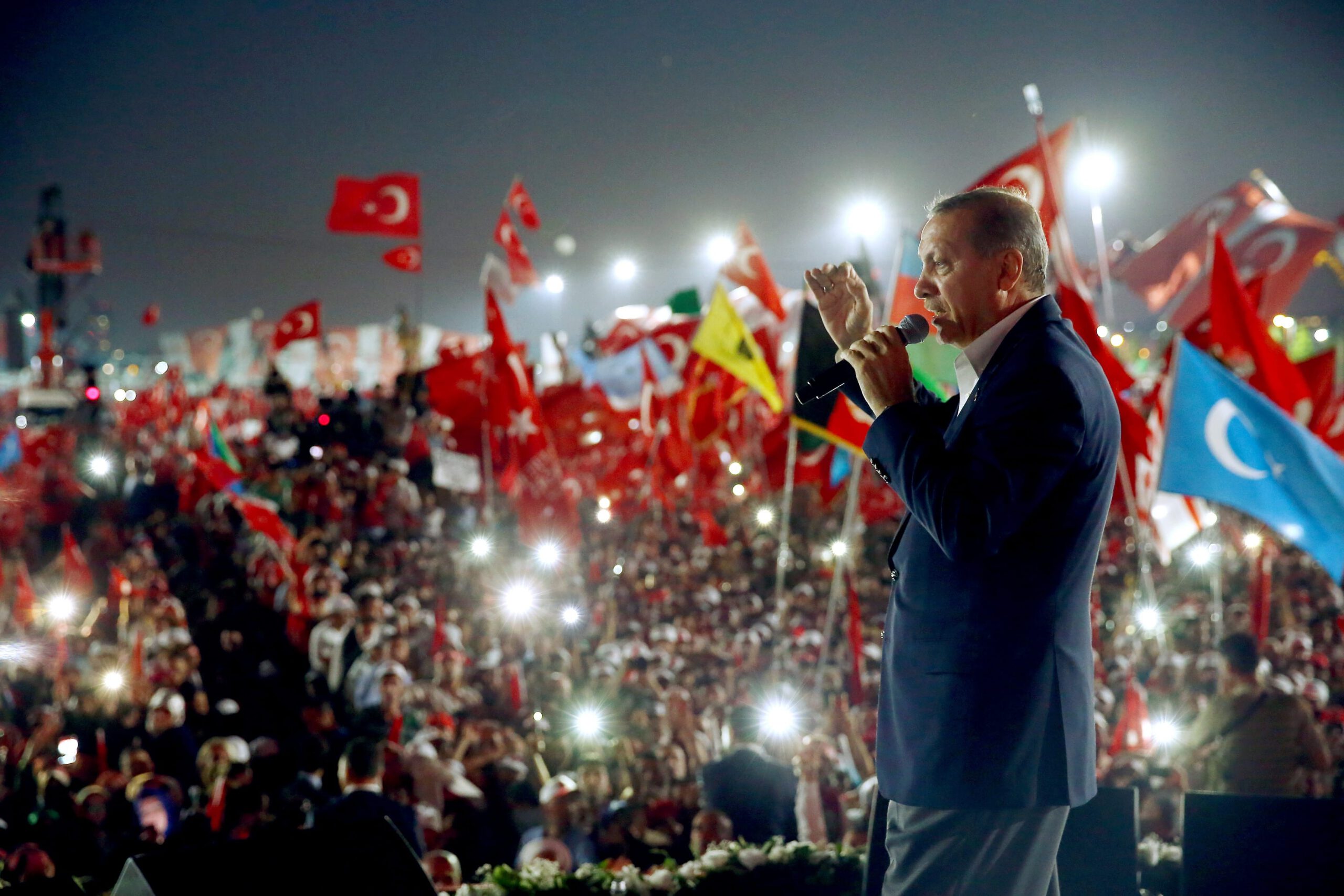
Unpacking Turkey’s Failed Coup: Causes and Consequences
Who was Behind the Coup?
When President Recep Tayyip Erdogan addressed the Turkish people via FaceTime on the night of July 15, he pointed the finger of blame for the coup attempt squarely at Fethullah Gulen and his followers in the military.[1]
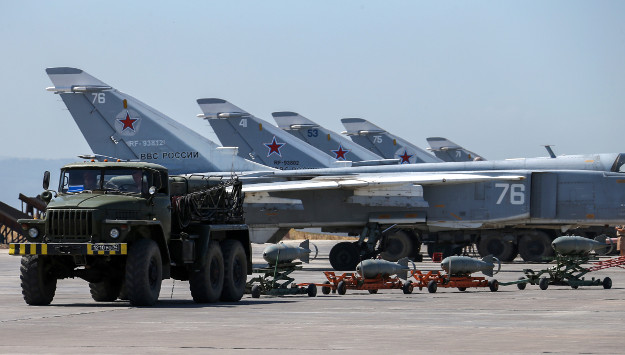
Russian Bombers in Iran and Tehran's Internal Power Struggle
Read the full aritcle on The National Interest.
Malaysian Foreign Fighters from Past to Present: Different Pathways to Terror
This essay briefly examines Malaysia’s past experience dealing with jihadist activities and profiles four Malaysian foreign fighters from the current period. The central argument is that, even though Malaysians constitute a relatively small number of foreign fighters in Iraq and Syria, they pose a major problem for Malaysia and other Southeast Asian countries and are a complicating factor in the conflicts in which they are involved.
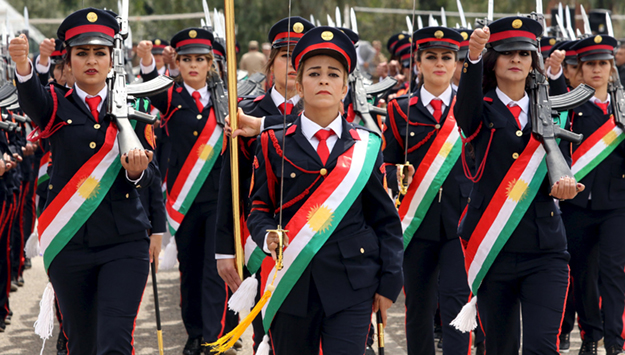
The Case Against Kurdish Independence
Representatives of the Kurdistan Regional Government (K.R.G.) are currently in the process of shaping the information environment ahead of a desired referendum on Kurdish independence. Aside from a lobbying campaign strongly focused on Washington—the K.R.G. has spent more on lobbying in the United States than Pakistan—leaders have been making provocative statements regarding territorial ambitions.[1] K.R.G.
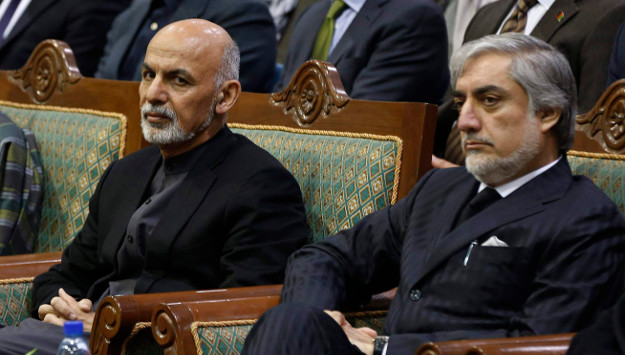
Monday Briefing: India FM to Visit Iraq and Syria; Iran-Turkey Relations After the Failed Coup; Afghanistan's Fractured Government
In this week’s Monday Briefing, MEI experts Zubair Iqbal, Alex Vatanka, and Marvin G. Weinbaum provide analysis on issues including India’s Middle East policy as its foreign minister is set to visit Iraq and Syria, the opening of relations between Iran and Turkey following the latter’s recent failed coup, and the latest signs of tension within Afghanistan’s shaky unity government.
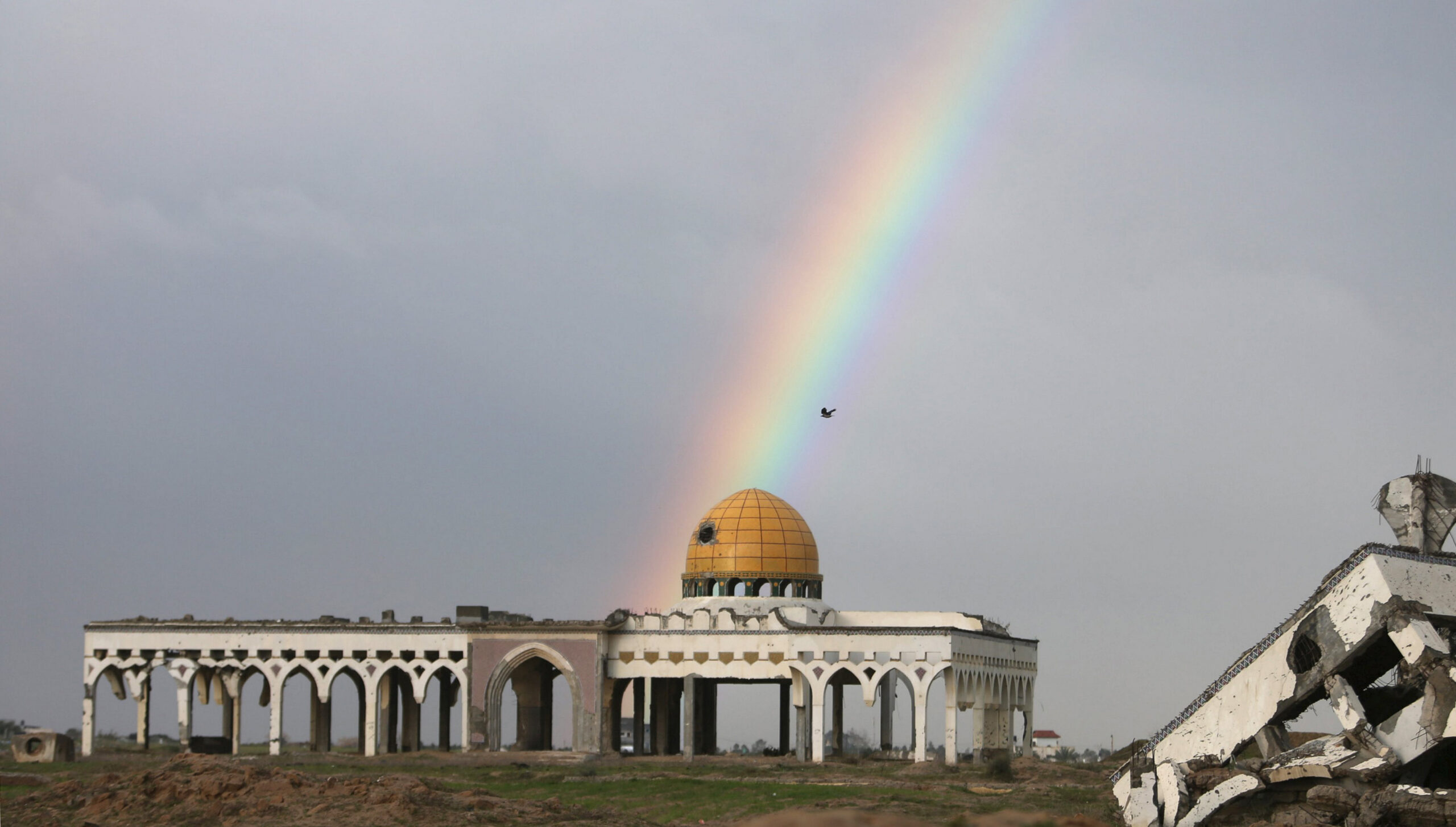
Gaza Airport: Stabilizing the Strip with Humanitarian Aviation
Summary
The G.C.C. and China’s One Belt, One Road: Risk or Opportunity?
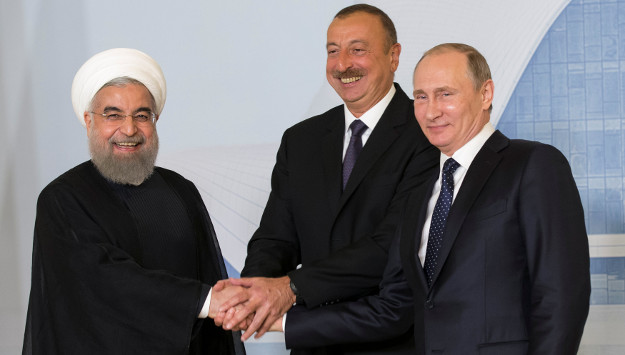
China’s One Belt, One Road (OBOR) initiative does not provide an equal opportunity for all states, and, in the case of the Gulf, it is Iran that will likely benefit over all others. The states of the G.C.C. also factor into Beijing’s plan, just not to the same degree―and that is the problem. Yet, as this essay shows, using OBOR and existing comparative advantages will allow the states of the G.C.C. to balance Iran’s potential windfall.

Israel’s Energy Potential: Securing the Future
Summary
The Battle for Aleppo: Political and Security Repercussions
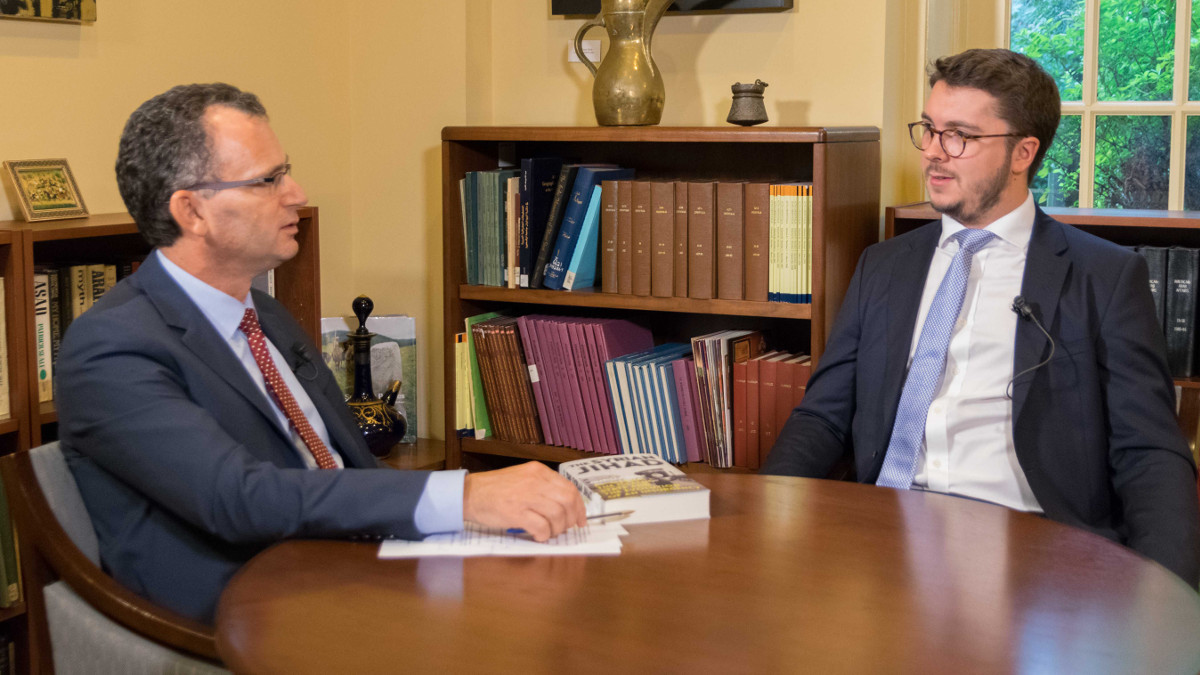
August 8, 2016 – A conversation with MEI Senior Fellow Charles Lister on the siege of Aleppo and the dynamics within Syrian opposition groups. Hosted by Paul Salem, vice president for policy and research at The Middle East Institute.