Sectarian Divide and Rule in Bahrain: A Self-Fulfilling Prophecy?
This essay reveals how decades of sectarian government policy, including divide and rule tactics and discrimination against Bahraini Shiʿa in the workforce and provision of government services, have strengthened sectarian affiliations at the expense of the more inclusive narrative of Bahraini nationalism.
Shoot Film, Not Bullets: Yemenis Turn to Art to Cope with Conflict
Yemen’s war is a forgotten catastrophe. Peter Maurer, the president of the International Committee of the Red Cross, stated in August: “Yemen after five months looks like Syria after five years.” All too commonly, civilians are bearing the brunt of the violence in Yemen. According to the United Nations, more than 2,700 people have been killed and more than 5,000 wounded. Schools, hospitals, and roads have been destroyed by the Saudi-led air campaign.
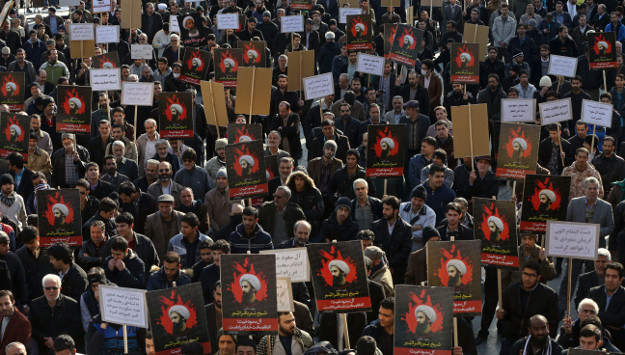
Saudi Arabia’s execution of prominent Shi’a cleric, Sheikh Nimr al-Nimr, is a gift in disguise to Iran’s hardliners seeking to undermine President Hassan Rouhani’s administration, and rally support ahead of key elections in February.
Although Saudi officials have insisted Iran is interfering in its internal affairs with its vociferous condemnation of the execution, Iranians, particularly the hardliners, saw the act as a direct provocation.
Decentralization and Ambiguities of Local Politics in Tehran
The prospect of establishing direct popular elections for mayors has precipitated a heated debate in Iran, resulting in divisions within the conservative and reformist factions and even a reversal of their roles. The debate surrounding the bill and the forces that render urban governance as political stem from the coupling of decentralization of governance with the arbitrary and despotic rule of mayors over urban matters. Decentralization in non-democratic settings has led to the reorientation of municipalities from merely managerial authorities to institutions that are both the field for, and the target of political struggles between elites and by citizens. Such localization of political life, especially in large cities such as Tehran, has the potential for making urban policy-making less opaque and bureaucratized as it has been under the Pahlavi Monarchy and the Islamic Republic.
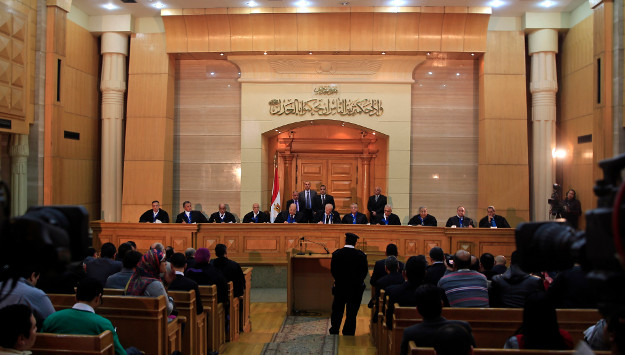
Egypt’s Judiciary: Obstructing or Assisting Reform?
Introduction
Prior to the 2011 revolution, Egypt’s surprisingly independent and assertive judiciary had gained recognition among scholars, political opposition figures, and many in the NGO community for strength and activism in defense of democratic values and political rights.[1] As Nathan Brown wrote in 2008:
Has Jordan Acquiesced to Assad Regime Offensive in Southern Syria?
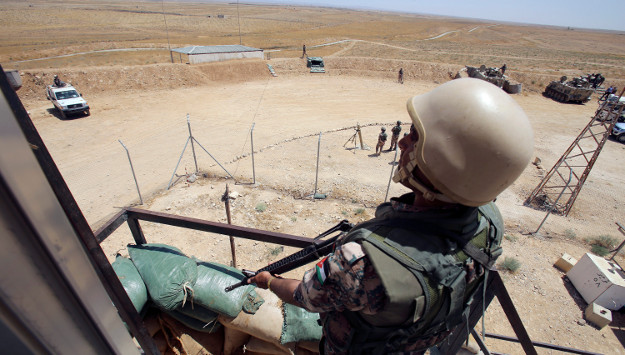
Jordan is yet to react publicly to a fresh land assault by Syrian regime forces, backed by Hezbollah and Iran’s Islamic Revolutionary Guard Corps fighters, against rebel-held towns in southern Syria.
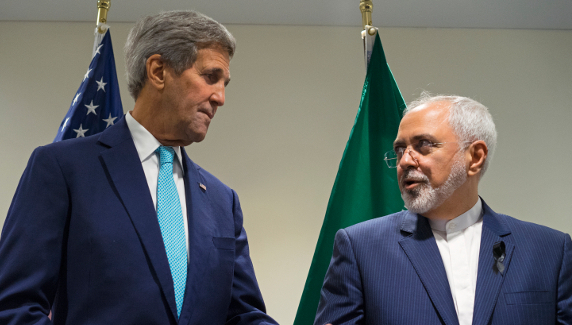
Turkey Should Avoid Getting Involved in the Saudi-Iran Row
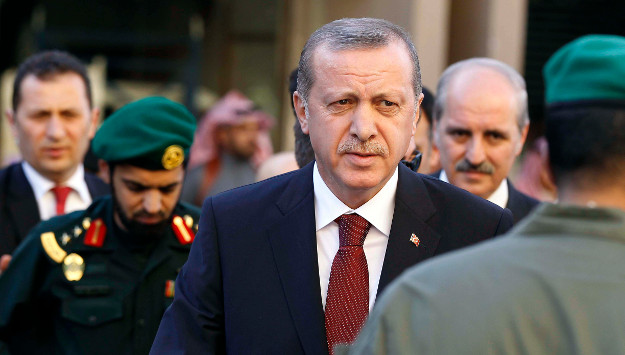
Turkey’s reaction to the latest spat between Saudi Arabia and Iran spells more trouble for Ankara at a time when it is already at loggerheads with many of its neighbors. Initial remarks by Deputy Prime Minister Numan Kurtulmus criticizing both sides were an attempt to keep Turkey out of the rift. He was upstaged, however, by Turkey’s foreign ministry, which followed up with a statement singling out Iran for condemnation.
Sold Overnight: Istanbul’s Gecekondu Housing and the Challenge of Ownership
Contrary to neoliberalist conceptualizations of the role of the state (or its absence) in urban development, in the case of Istanbul, the state’s absence, or at the very least its silent laissez-faire attitude, actually produced an opening for poor, rural migrants to create their own (informal) housing in and around the city. With the increasing desirability of urban land to domestic and international developers, however, it was precisely the advent of state regulation that led to the increasing displacement of Istanbul’s gecekondu residents.
Middle Eastern Cinema in the Spotlight at Palm Springs
Palm Springs is not a place normally associated with cutting edge Middle Eastern cinema.
In fact, the obvious connections to the region are more about geography and agriculture—desert scenes reminiscent of Palestine or Iraq, date palms from North Africa—than film.
Saudi-Iran Tensions Place Pressure on Smaller GCC States
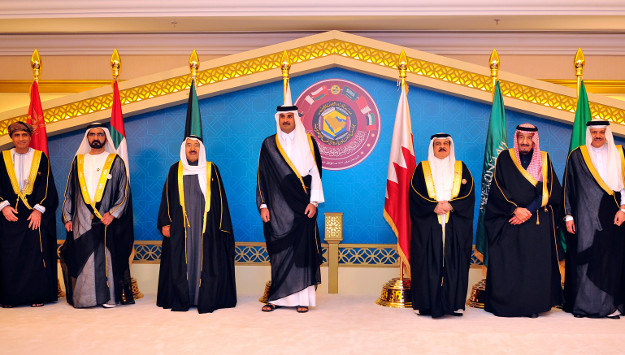
The recent escalation in tension between Saudi Arabia and Iran is throwing the GCC into a crisis of unity. Riyadh’s actions in particular are built on the frustration of the Yemen war and the perception of Iranian encroachment in Arab lands that the Saudi kingdom believes is its domain. King Salman and his son, Deputy Crown Prince Mohammad bin Salman, feel the kingdom is being ignored by the international community in other hot zones, namely Syria, where the outcome of the war is being determined by Washington and Moscow.