As a result of the growth of its comprehensive power, China today has two frontiers. One is the natural frontier of its sovereign territory; the other is an artificial frontier created by its overseas interests. By deploying a “soft” military presence overseas, specifically in the Middle East, China can protect its commercial interests while also providing public goods for the international community and minimizing the risk of damage to multilateral relations.
On March 13, Egyptian President Abdel Fattah el-Sisi will inaugurate the Egypt Economic Development Conference in the resort city of Sharm el-Sheikh. The main objective of the conference is to put Egypt back on the world investment map. Sisi’s government is aiming to achieve a target of $60 billion of foreign investment in the coming five years. This ambitious amount would close Egypt’s resource gap and would generate sufficient growth to absorb growing unemployment.
When the Houthis, a Shia rebel group in Yemen, forced the country’s pro-Western president, Abed Rabbo Mansour Hadi, to flee the capital this past January, many in the region concluded that another Arab state had fallen into Tehran’s lap—a result, as one prominent commentator put it, of Iran’s “offensive state, the likes of which we have not seen in modern history.”
Could Kurds Be the Liberal Alternative Turks Have Been Looking For?
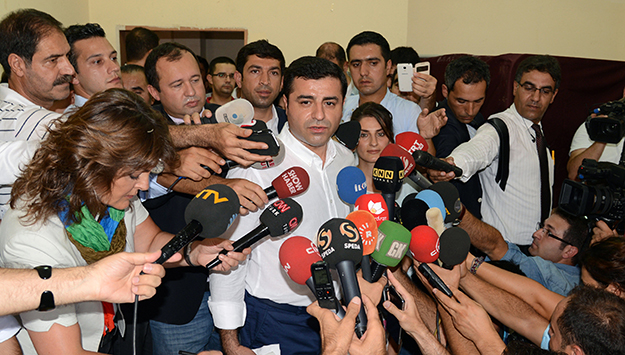
Turkey’s first tangible democratic push came from the Islamist camp in 2002 when the Islamist-rooted Justice and Development Party (AKP) came to power. The second could come from an unlikely source: the Kurds.
Feasts of the Sacrifice: Ritual Slaughter in Late Imperial and 20th-Century China
Muslims in imperial China did not necessarily have to worship at the altars of Chinese gods to exert their identities as upstanding local inhabitants, obedient subjects, or agreeable neighbors. As any child brought up on the story of God’s sparing of Ibrahim’s son knows, the followers of any god who pulls his weight in this world or the next are sometimes in need of a lamb or two …
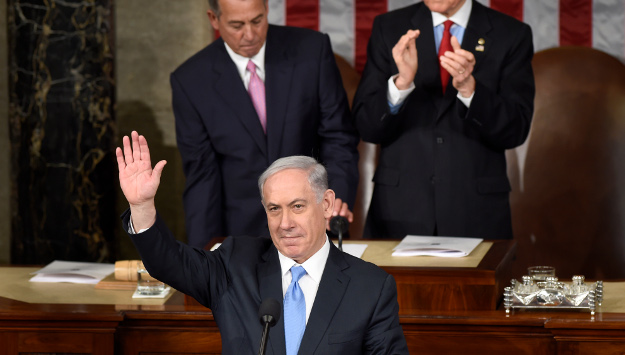
Israeli Prime Minister Benjamin Netanyahu has come to the United States, spoken his piece and returned home to Israel to finish campaigning for the March 17 elections. Netanyahu’s visit to Washington was neither the triumph he expected nor the disaster forecast by opponents of the visit. Indeed, the visit shed no new light on the supposedly central issue of the day: the state of play in the Iran negotiations.
As 2014 drew to a close, the Egyptian economy was making international headlines. The Financial Times called Egypt the world’s best destination for stock market investment.[1] Meanwhile, the Egyptian press documented a flurry of visits by delegations of businessmen from various economic superpowers.
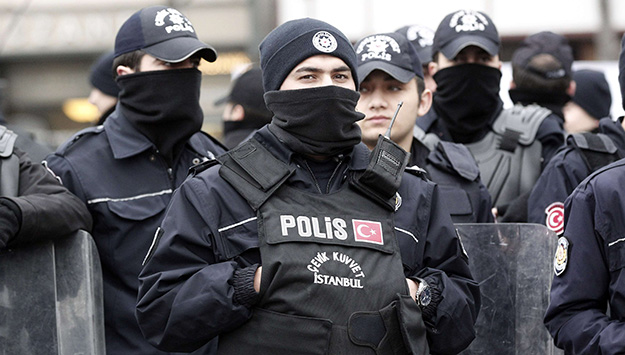
Turkey is in an unprecedented state of political tumult. Since the ascent of Recep Tayyip Erdogan’s Justice and Development Party (AKP) to power in 2002, all Turks have struggled to support, defeat, or accommodate this party that rose suddenly in free elections to national power. Now, that contest has entered a new and more dangerous phase.
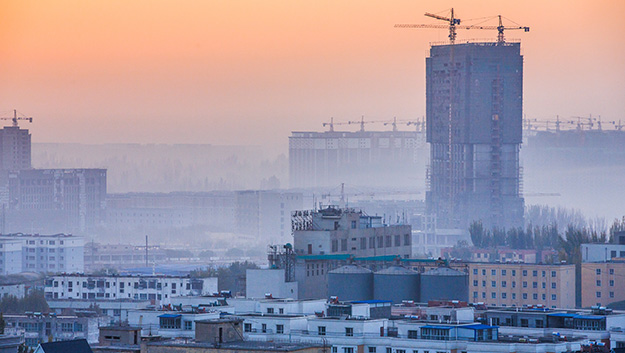
China is steadily reshaping the world’s political and economic landscape by connecting Europe and the Pacific through a series of transcontinental and transoceanic networks that will run across the major Islamic countries of Asia and Africa. The slogan that Beijing uses to promote these projects—“One Belt, One Road”—is a shorthand reference to the Silk Road Economic Belt (the overland routes through Central Asia and the Middle East) and the Maritime Silk Road (the sea lanes joining the Pacific and Indian Oceans with the Mediterranean). In fact, even these grandiose labels understate the true magnitude of China’s ambitions; the total number of planned mega-networks is not two, but seven—and still counting.
One of the more enduring characteristics of Israel’s electoral campaigns is their ability to produce surprises, often with considerable political consequences.
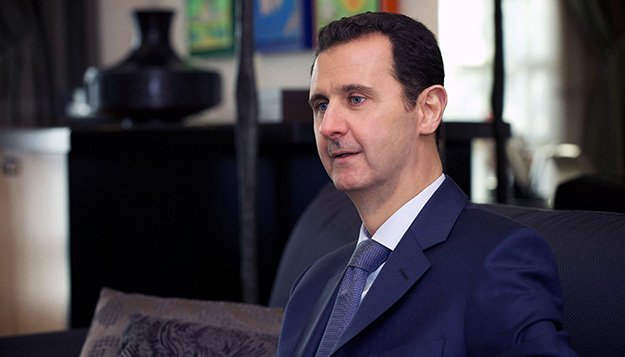
In his recent National Interest blog post entitled “Assad Will Have to Stay for Awhile,” Paul Pillar advises the Obama administration to ignore regional calls to help bring down the Assad regime, for three reasons: the resilience of the regime; the need to avoid fighting it and ISIS simultaneously; and the need to preserve stability in Syria. Pillar’s three reasons are flawed.