This article, co-written by James P. Farwell, was first published byThe National Interest.
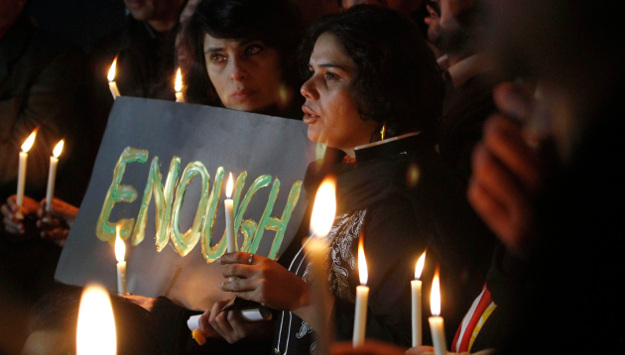
Shot in both legs, Shahruh Khan survived the Taliban attack on the Army Public School in Peshawar, Pakistan. “The man with big boots,” Al Jazeera quoted Khan as saying, “kept on looking for students and pumping bullets into their bodies.”
Vulnerabilities and Resistance to Islamist Radicalization in India
India has long remained an enigma within the discourse on the Islamist extremism and terrorism that have afflicted widening areas of the world. The emergence of the Islamic State (ISIS) and its appeal to significant numbers of radicalized Muslims have highlighted ambiguities surrounding the role of these ideologies in India. Fighters from at least 82 countries are said to have joined ISIS. Western countries with tiny Muslim populations and long-standing programs intended to counter the trends toward radicalization of Muslims have found that scores—even hundreds—of their citizens are involved in the fighting in Iraq and Syria. By comparison, India, with a Muslim population of about 176 million (well over twice the total population of Europe), has seen an estimated 18 radicalized Muslims join ISIS in Iraq-Syria.
How ISIS Charmed the New Generation of Indonesian Militants
The Islamic State’s (ISIS) media wing, Al-Hayat Media Center, recently released a video entitled “Join the Ranks” that features a group of Indonesian foreign fighters in Syria. In the video, the charismatic Indonesian militant Bahrumsyah calls on his fellow Indonesian Muslims to migrate to the land of the “caliphate.” It is estimated that 100 to 300 Indonesian militants have gone to fight in Syria. While some are spread across al-Qa‘ida (AQ)-affiliated groups such as Ahrar Sham, this essay focuses specifically on links between Indonesian militants and ISIS. Indonesians and Malaysians fighting for ISIS appear to have formed their own military unit, the Katibah Nusantara. Meanwhile, 2,000 people across the Indonesian archipelago pledged allegiance to ISIS earlier this year.
In Iraq, the Islamic State (ISIS) is no longer on the offensive. That is particularly true on the Kurdish front in the north where the ISIS onslaught is now contained.
The Iraqi Kurdish military, the Peshmerga, proved to have the capability to repel the extremist Sunni fighters from ISIS and to hang on to recaptured territory. They have done so largely without many resources or support from West.
Cold Lessons from the Balmy Euphoria of the “Arab Spring”
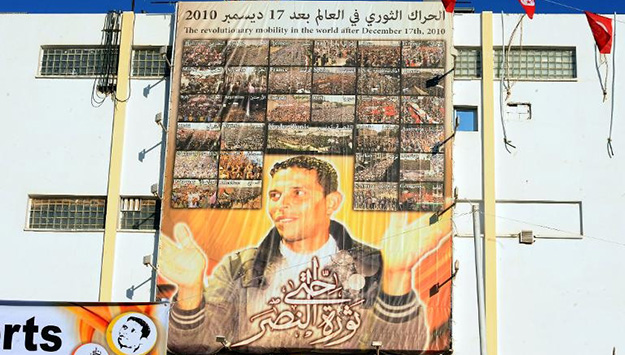
A desperate Tunisian fruit and vegetable vendor immolated himself on December 17, 2010, setting off a chain of demands for dignity and a better life. The past four years in the Arab world have seen vast turmoil, and the end is not yet clear. The Arab countries of the Middle East and North Africa are passing through their most abrupt and historic experience since decolonization and independence following World War II.
While there have been studies on the development of Islamic philanthropic organizations in fostering social welfare in Southeast Asian countries such as Indonesia and Malaysia, the role of international Islamic aid agencies, including those from Gulf countries, in their dealings with Southeast Asian domestic welfare issues remains unexplored. This essay discusses the growth of Gulf charitable organizations operating in Southeast Asia, particularly the reasons for this phenomenon and the types of activities in which these organizations are engaged, and then takes an in-depth look at two Gulf charities that are active in Indonesia, namely the United Arab Emirates’ (UAE) Asian Muslim Charity Foundation (AMCF) and Qatar Charity.
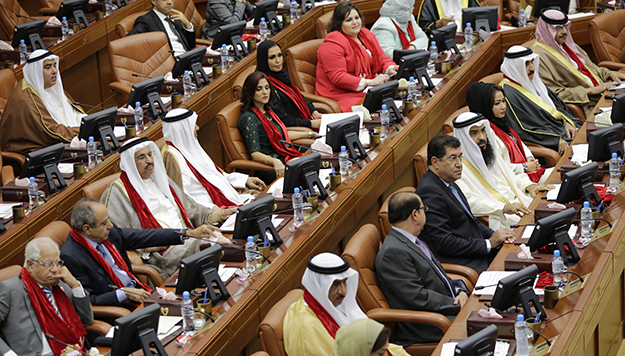
As Bahrain’s newly elected parliament convened for the first time last week, the island nation stands divided. The Shi‘a-dominated opposition boycotted last month’s elections and will be outside the political system for the foreseeable future, leaving little prospect for the community’s political advancement. Meanwhile, the predominantly Sunni electorate participated strongly in the polls and will move forward alone on a series of reforms and priorities that are most important to their community.
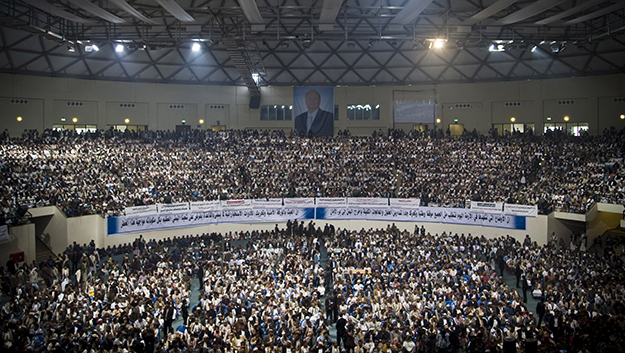
Once touted as a relative success story among Arab uprisings, the internationally backed transition process in Yemen has unravelled in the wake of the September 21 Houthi takeover of Sana. Nominally there is still a political process in place, but events on the ground are moving in a different direction and the country appears poised for yet another round of upheaval, possibly more transformative than the events of 2011.
At first glance, Iran appears to be unconvinced about Afghanistan’s new President Ashraf Ghani, and the feeling is probably mutual. Ghani chose Saudi Arabia, China and then Pakistan as the first countries to visit as president, and has yet to visit Tehran.
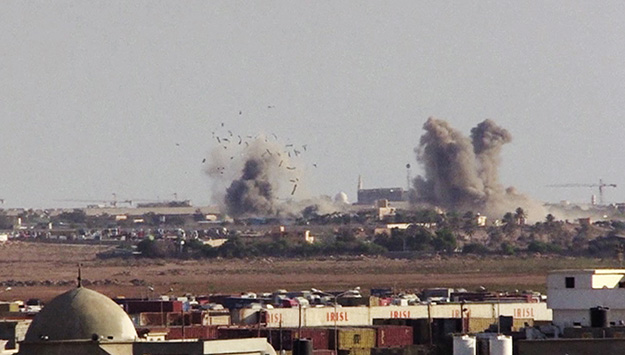
Despite an encouraging communiqué by the UN Support Mission in Libya (UNSMIL) this week praising the commitment of the various Libyan parties to a dialogue, the continued postponement of the so-called Ghadames II peace talks does not bode well. Backed by external supporters, Libya’s warring factions appear to favor a military solution to the situation, rendering the crisis increasingly beyond repair.
The New Suez Canal Project and Egypt’s Economic Future
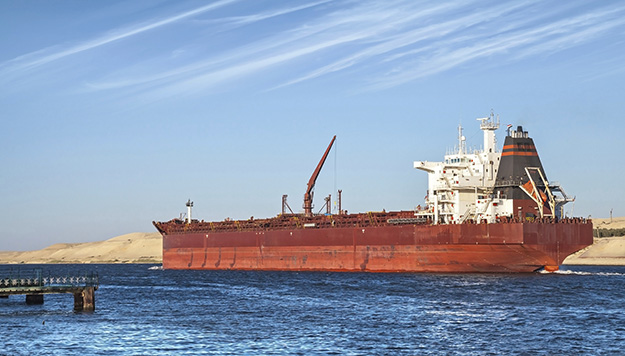
During a televised speech on August 5, 2014, President Abdul-Fattah el-Sisi announced a “surprise” he’d planned for the Egyptian people: the launch of the New Suez Canal mega-project, involving an expansion of the existing canal and the development of its environs into a global trade hub. The project is making waves in Egypt and worldwide, mobilizing equipment, contracts, and finance. But the plan to widen and deepen the existing canal to permit passage to the world’s largest container ships and to dig a parallel waterway to allow for two-way traffic was not new.
It is no longer accurate to describe the war in Syria as a conflict between Syrian rebels on the one hand and Bashar al-Assad’s regime forces “supported” by the Iranian Revolutionary Guards (IRG), Hezbollah, and Iraqi militias on the other. Most major battles in Syria—along the frontlines of regime-held areas—are now being directed and fought by the IRG and Hezbollah, along with other non-Syrian Shi‘i militias, with Assad forces in a supportive or secondary role.
Egyptian President Abdul-Fattah el-Sisi is no Zionist, as senior Israeli interlocutors like to point out, but his vision of state sovereignty and Egyptian national security often closely aligns with the interests of Israel. When Sinai’s Ansar Beit al-Maqdis, Egypt’s most lethal jihadi group, recently pledged allegiance to the Islamic State in Syria and Iraq, perhaps the most interesting response was the non-response by the governments of Egypt and Israel. From the view of both, the origins and ideologies of Islamist groups are all the same.
An Artistic Dialogue Shows the Absence of Cultural Exports from the Arab World
The exceptionalism of Thaer Maarouf and Jason Tecson is that they reached over a cultural desert to talk to each other and to serve as catalysts of multi-contextual significance—emphasizing that beyond conflicts, it is traditions, culture, and history that define people today. The Arab world would do well to learn from their exchange. Exporting the distinguished culture of the Middle East is critical in any effort to counter the barbaric images of the region currently shaping Asia’s view of Arabs.
Report: Sunni Deobandi-Shi'i Sectarian Violence in Pakistan
In both general and more informed discussions in Pakistan and beyond, sectarian violence in Pakistan between Sunni and Shi‘i groups is almost without exception referred to simply as Sunni-Shi‘i violence. But such a characterization is a misnomer. Two of Pakistan’s three major Sunni subsects, the Ahl-e-Hadis, and to a lesser extent, the Barelvis, may have antipathy toward the Shi‘a, but rarely express such sentiments through violent activity.