South Korea has launched various transitional justice measures since democratic transition in 1987, with truth commissions being employed most frequently. With at least ten truth commissions established to date, South Korea has been a leader in such initiatives in the Asia Pacific region. This paper analyzes two of South Korea’s most prominent truth commissions―the Jeju Commission and the Truth and Reconciliation Commission (TRC)―in an effort to answer why some truth commissions succeed while others do not.
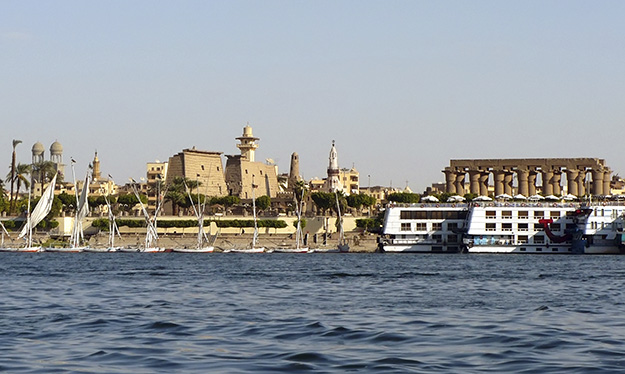
In the eyes of the world, Egypt is Cairo, where political unrest leads the news. With around a quarter of the nation’s 90 million inhabitants concentrated around the capital, in addition to the bulk of wealth and industry, it’s easy to forget the rest of the country, which is what state officialdom has done for decades. For administrative purposes, Egypt is divided into 29 governorates, each with a capital city.
Unrequited Desire: Egyptians' Passion for Justice and Accountability
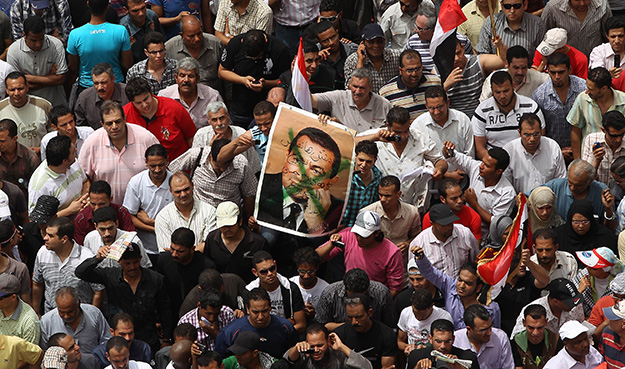
Egyptians who believed that the removal of President Hosni Mubarak in February 2011 would lead to the establishment of a democratic government have faced many setbacks. Youthful revolutionary activists unsuccessfully challenged the power of the Supreme Council of the Armed Forces (SCAF) transitional government and the autonomy of the military. The electoral triumph of Islamist parties and candidates in parliamentary and presidential elections in 2011 and 2012 eclipsed weak and inexperienced secular parties and brought to power leaders who failed to ensure adequate representation of political opponents, women, and Copts in key aspects of governing, or to protect Copts from rising attacks. Continuing divisions among opposition forces, along with the roundup of Islamists and other opponents by the military, which engineered the July 2013 removal of President Mohamed Morsi, suggest that the struggle to achieve justice and create an accountable government will be prolonged.
Libya, the ICC, and Securing Post-Conflict Justice
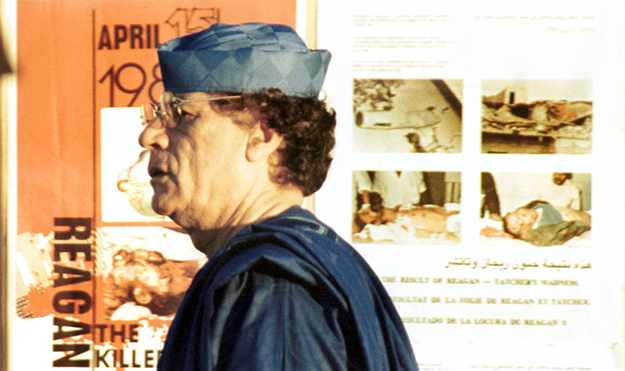
Since questions of post-atrocity accountability began to surface in regard to the “Arab Spring,” there has been interest in the pursuit of international-led justice in countries that have experienced uprisings, such as Bahrain, Libya, Syria, and Yemen. There were calls for the involvement of the International Criminal Court (ICC) in both Libya and Syria. The ICC has become involved only in Libya. However, this involvement has become mired in struggles that expose the challenges of a system that some regard as simply another expression of a profoundly undemocratic international order.
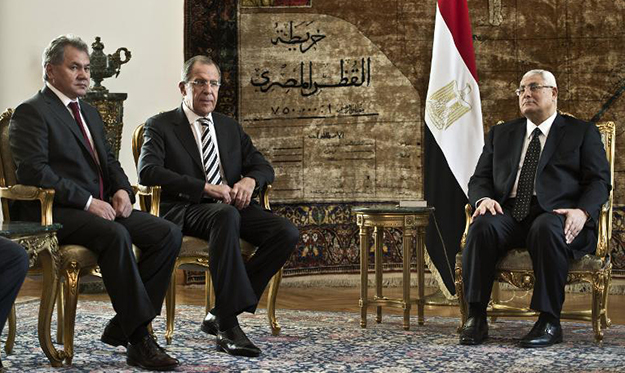
Egyptian-Russian relations have recently been marked by a substantial increase in diplomatic activity amid a media frenzy over a potential arms deal. These developments have given rise to suggestions that Egypt’s foreign policy is shifting away from the United States and toward Russia—a major realignment given Egypt’s extensive political and military ties with the United States since the 1970s.
On Wednesday, December 4, Hassan Laqees, a Lebanese Hezbollah leader who was reportedly involved in the group’s weapons procurement and development, was assassinated south of Beirut. On Sunday, another Hezbollah military commander was killed in Syria, bringing the number of Hezbollah dead in the Syrian conflict into the hundreds.
Salafyo Costa were once the darlings of the media. Featured both in Egyptian outlets[1] and foreign publications such as CNN, the Los Angeles Times, and the Huffington Post,[2] the groundbreaking youth movement founded in April 2011 brought together ultraconservative Salafis, Muslim Brotherhood supporters, political liberals and leftists, and Coptic Christians.
South Korea: Reflecting on 25 Years of Transitional Justice
Prior to its first democratically elected government taking office in 1988, the Republic of Korea endured a peculiarly harsh twentieth century. The first decade saw Korea’s last dynasty struggle futilely to modernize amidst the specter of growing Japanese interference. From 1910 until 1945, the nation suffered through the traumatic and humiliating period of Japanese colonization, emerging upon Japan’s defeat in World War II only to face the division of the country into North and South Korea and the incredibly destructive Korean War of 1950-1953. The post-Korean War period was characterized by political divisions, human rights abuses, and economic growth, presided over by a series of authoritarian rulers.
Toward Victim-centered Transitional Justice: Nepal and Timor-Leste
The first decade of the twenty-first century has been characterized by the emergence of a new politics of human rights that has become the defining agenda of much national and international politics. This universalist discourse of rights has gained unprecedented leverage in global debate, propelled by narratives that rarely pause to question the evidence or ideology that underlies it. This is nowhere more true than in the practice of human rights after conflict or political violence, in which transitional justice has become a dominant approach to addressing legacies of violations, backed by an industry of practitioners and donors.
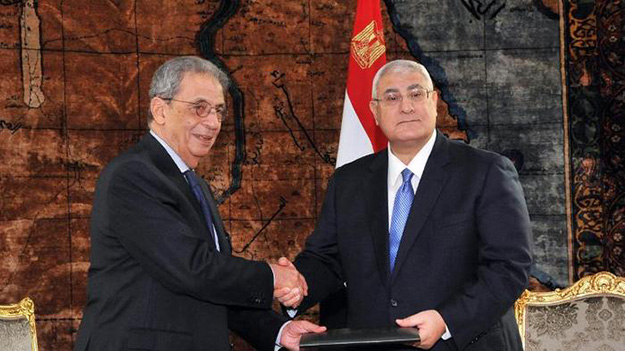
On December 1, a 50-member panel given the task of amending Egypt’s constitution approved a draft of the document. It now goes to Interim President Adly Mansour for his approval and will then go to the public in a referendum. MEI spoke with its Senior Fellow, Khalil al-Anani, about the draft, how it differs from the 2012 constitution passed under Mohamed Morsi, and how the Muslim Brotherhood has reacted to it.
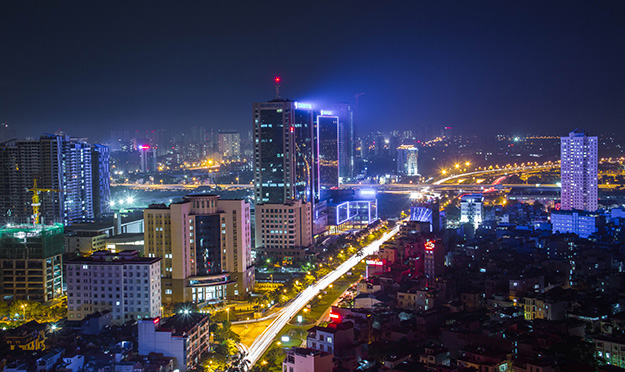
During the 1970s the Communist Party dominated almost all walks of life in Vietnam. This strict control, especially in regard to the economy, failed to achieve sustainable development. Vietnamese authorities then began to pursue a policy of openness to the outside world, and the Doi Moi, or “renovation,” was launched in 1986. As a result of this and other gradual reforms, Vietnam has become one of the fastest-growing economies in Asia, with annual GDP growth averaging 7.1 percent between 2000 and 2012—a rate that the country is expected to sustain over the next decade. In this context, Gulf Cooperation Council (GCC)-Vietnam relations are promising and may develop steadily over the coming years.
Earlier this week, Iran and world powers reached a deal in which Iran will curb its nuclear program for six months in exchange for a drop in some sanctions. MEI spoke with one of its experts, Alex Vatanka, to gain an understanding of how hardliners in Iran are reacting to the deal as well as other internal dynamics in the Islamic Republic.
How have hardliners in Iran, such as the Revolutionary Guards, responded to the news of the interim agreement?
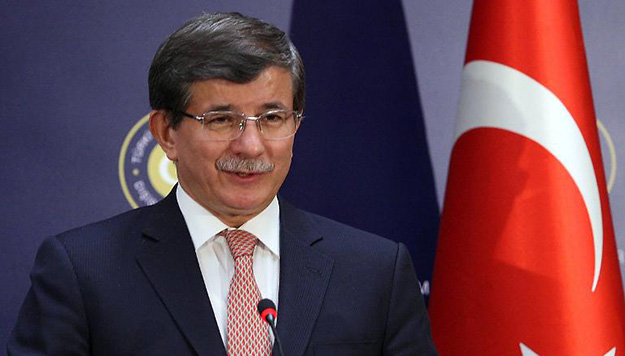
Turkish Foreign Minister Ahmet Davutoglu’s visit to Washington, D.C. last week came on the heels of a year of soul searching for Turkish foreign policy. After the Arab uprisings shook Turkey’s guiding principle of “zero problems with neighbors,” the country now seems intent on resuming the leadership role it enjoyed in the pre-Arab Spring Middle East.