الضباب الكثيف للتكتيكات والدعاية في سياسة ترامب الخارجية
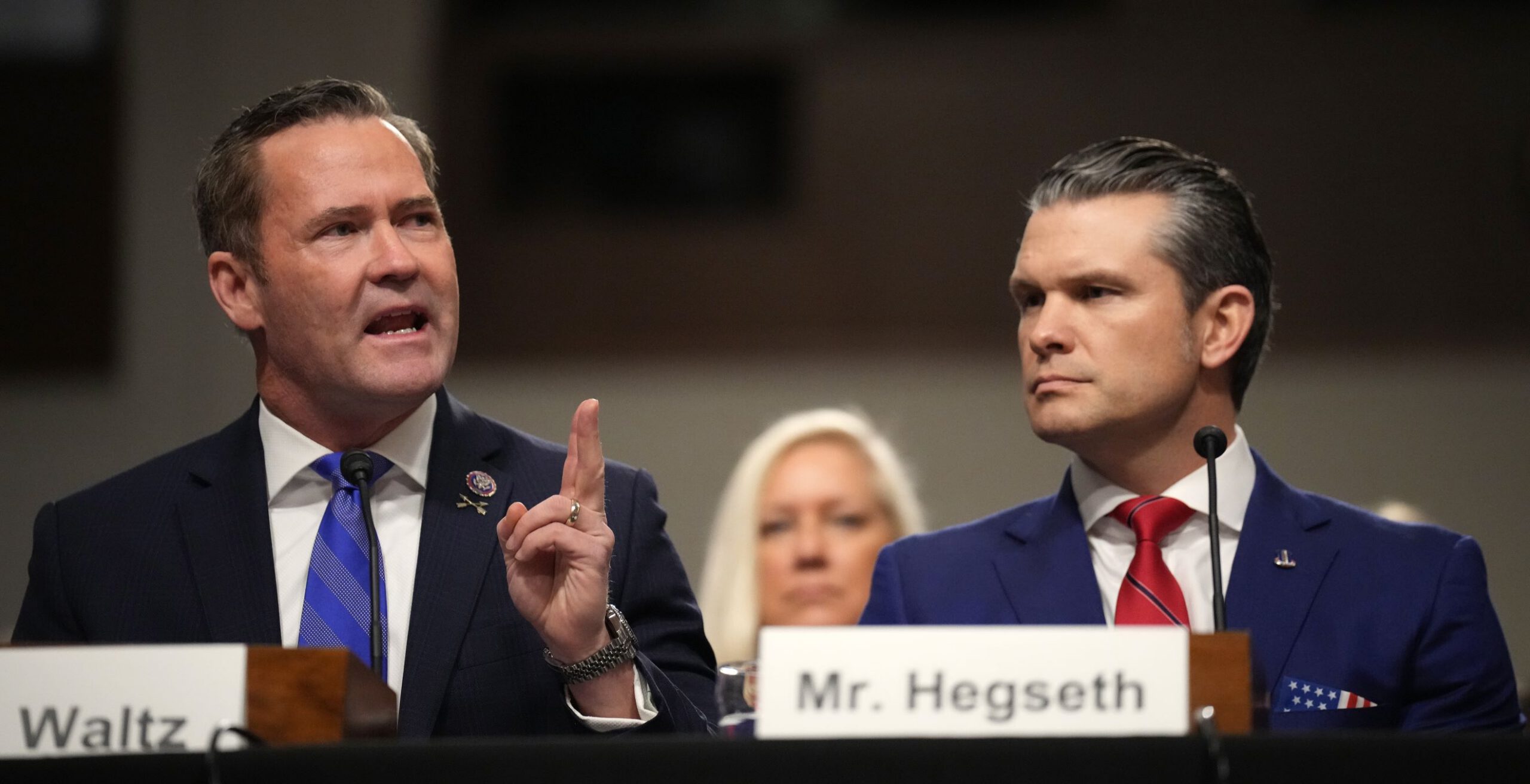
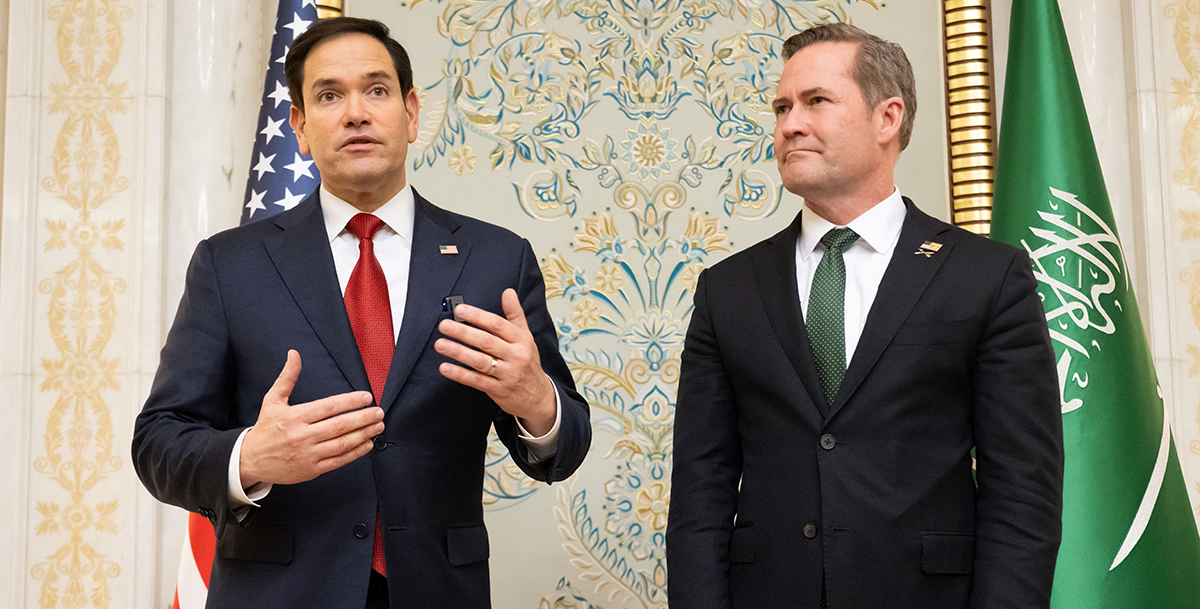
كشفت المحادثة المسربة على تطبيق Signal بين كبار المسؤولين في الإدارة الأمريكية حول الضربات العسكرية ضد الحوثيين عن المشاكل الأساسية في نهج ترامب 2.0 الناشئ للأمن القومي: ميل قوي إلى إعطاء الأولوية للتكتيكات والدعاية في إدارة شؤون الدولة دون إطار استراتيجي واضح وعملي للتعامل مع أكبر التحديات في العالم والشرق الأوسط.
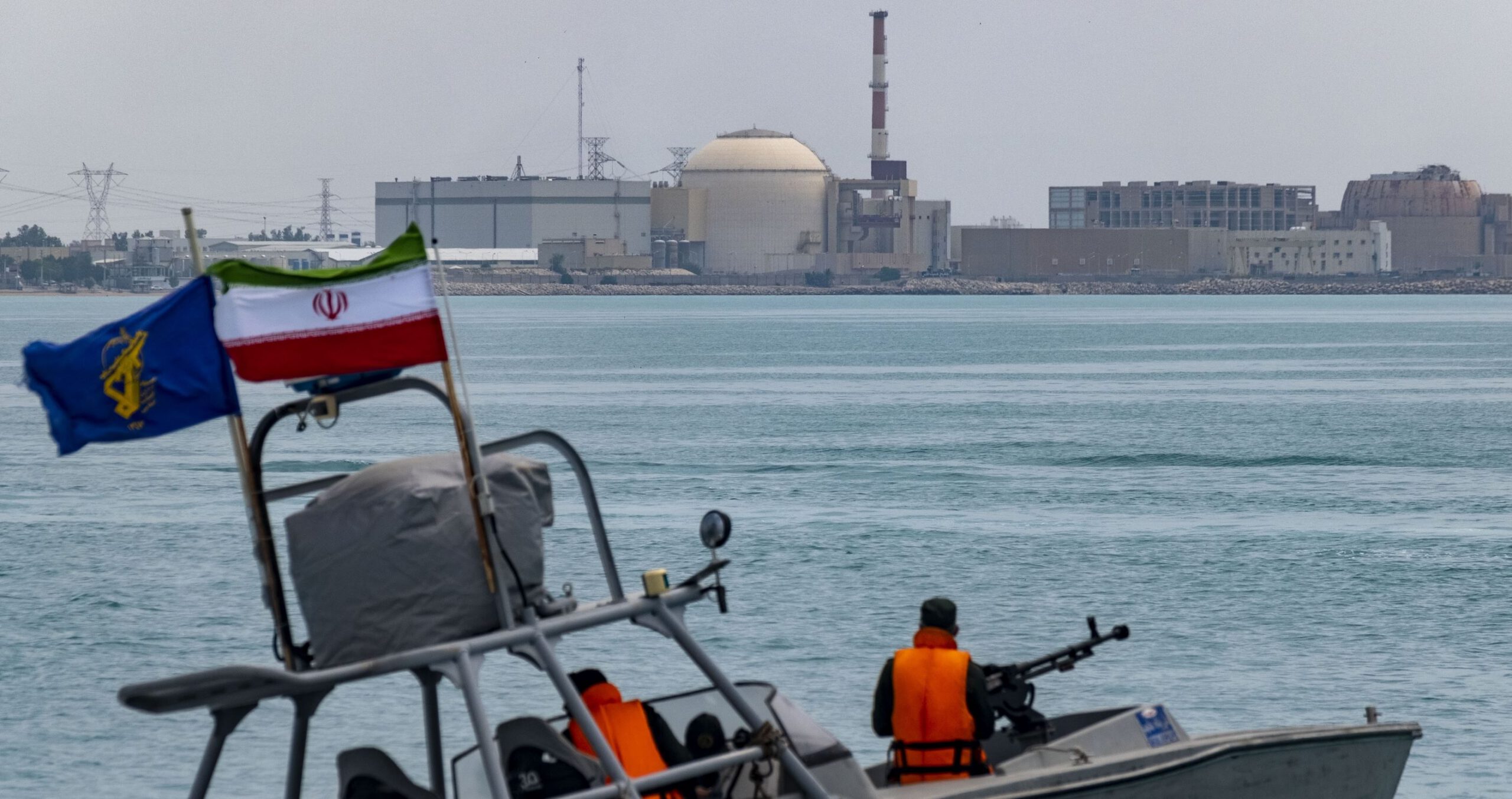
تقوم إيران بتخزين ما يكفي من اليورانيوم المخصب القريب من الدرجة العسكرية لصنع سلاح نووي في غضون أسابيع أو أشهر، وليس سنوات. والرئيس دونالد ترامب، الذي انسحب في عام 2018 من الاتفاق النووي الذي كان من شأنه تأجيل هذه الإمكانية، يناشد الآن إجراء مفاوضات مع طهران. لكن في الشرق الأوسط، لا تقتصر المسألة النووية على إيران وحدها.
إعادة تشكيل ترامب لقوة الولايات المتحدة يهدد باستقرار الشرق الأوسط
عززت إدارة الرئيس دونالد ترامب استخدامها للقوة العسكرية في الشرق الأوسط الأسبوع الماضي، في الوقت الذي اتخذت فيه المزيد من الخطوات لتفكيك المؤسسات الأمريكية الأساسية لتعزيز السلام والاستقرار من خلال الدبلوماسية.
Trump brings his foreign policy improv act to the Middle East
While most media attention was focused on its global economic policy moves, the Trump administration continued to keep the Middle East high on its agenda this past week, with the president sending a letter to Iran’s supreme leader and his team directly engaging with the Palestinian group Hamas. This continued engagement on the region’s top two strategic questions, Iran and Arab-Israel affairs, contrasted with America’s hands-off approach to Syria, which saw some troubling violence.
A chaotic foreign policy on overdrive risks alienating key US partners in the Middle East
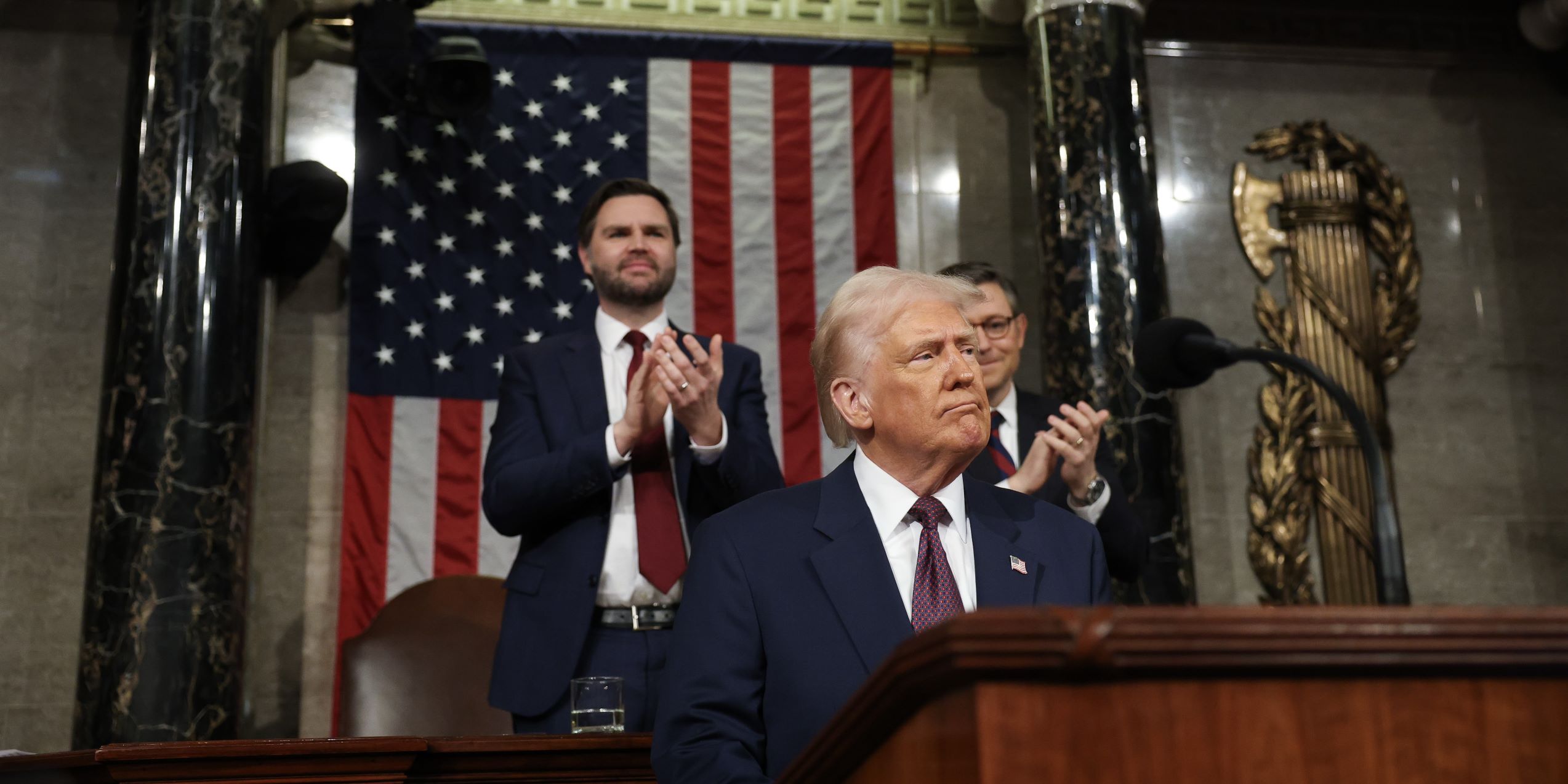
President Donald Trump’s joint address to Congress on March 4 doubled down on his disruptive and contentious domestic policy agenda. Foreign policy, including Trump’s approach to the Middle East, was mostly an afterthought. Though he said little about Middle East policy in his speech, Trump’s team is taking an irregular approach on the twin issues of Israel-Arab ties and Iran that may not produce the stability and prosperity it seeks.
Ibrahim Dalalsha and Shira Efron | 'Taking the Edge Off the Middle East' Ep. 8
Ibrahim Dalalsha, founder and director of Horizon Center for Political Studies and Media Outreach, and Shira Efron, research director at the Israel Policy Forum, join host Brian Katulis to discuss policy developments in the devastating war between Israel and Hamas, and how Israelis and Palestinians can work together toward a peaceful resolution of conflict.
Trump’s mixed messages and actions on the Arab-Israeli front
Some analysts try to explain Trump’s Middle East rhetoric as an effort to provoke a new type of conversation and to break the mold. But one unconventional source that helps explain Trump’s tactics is pro wrestling, in which the actions are understood to be illusory but still prompt a response from all sides.
Trump’s diplomatic gambit in the Middle East at one month
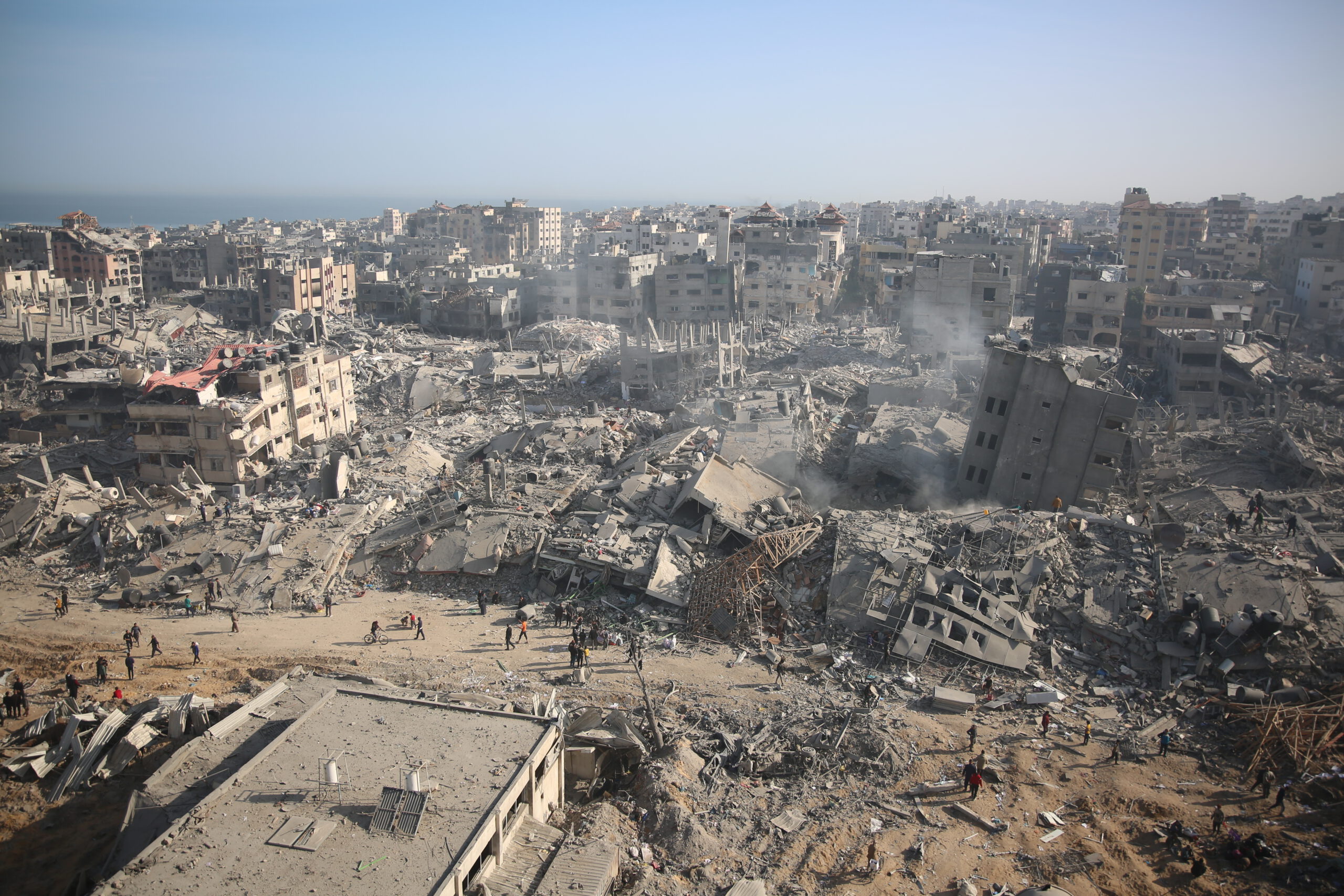
This massive distraction of the Trump administration’s Gaza non-plan and the even more serious move of dismantling America’s ability to shape and influence events abroad together carry three risks for the Middle East.
NYT Bestselling Author Kwame Alexander on the Power of Literature and Poetry to Bring Us Together
ينضم الشاعر والمنتج والمؤلف الشهير كوامي ألكسندر، الذي تصدرت مؤلفاته قائمة أكثر الكتب مبيعًافي نيويورك تايمز،إلى المضيفة الضيفة لين سنيج لمناقشة قوة سرد القصص والتقاطع بين الفن والتغيير الاجتماعي. يسترجع ألكسندر تجربته الأخيرة في التحدث في معرض الرياض الدولي للكتاب 2024 في المملكة العربية السعودية، ويشاركنا أفكاره حول المشهد الأدبي في المملكة، والرغبة المتزايدة في قراءة القصص العالمية، وكيف يمكن للكتب والشعر أن يكونا جسورًا بين الثقافات.
Watching Trump’s second term unfold from the Middle East
Observing the unfolding of President Donald Trump’s second term from the Middle East is as confusing and disorienting as it must be from the United States. In Palestine, Egypt, and Jordan, urgent concern is focused on Trump’s surprise plan to take over the Gaza Strip, displace its population, and rebuild it as the “Riviera of the Middle East.” In Israel, the right wing is extremely pleased with Trump’s gift, but they don’t know what he has planned for the West Bank. In the Arab Gulf monarchies, leaders are generally happy to be dealing with Trump again but are alarmed by the recklessness of his Gaza plan and concerned about the potential impact his energy and tariff policies could have on their economies.
Act 1 of Trump’s Middle East policy: Off script or no script?
The Trump administration’s Middle East approach in its first three weeks back in office was filled with plenty of sound and fury. It’s still too soon to tell whether all of the noise signifies much of anything for the region, yet there are few promising signs of a smooth ride ahead.
تأثير الحرب الروسية الأوكرانية على تدفقات الطاقة من دول الخليج العربي
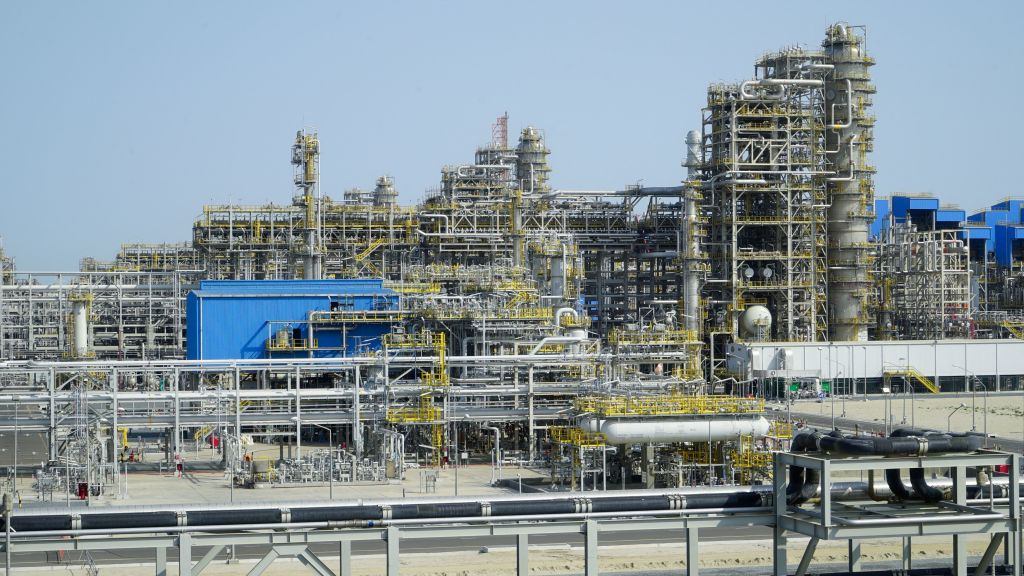
بعد مرور ما يقرب من ثلاث سنوات، أدى الغزو الروسي الشامل لأوكرانيا في فبراير 2022 إلى إعادة تشكيل التجارة والاستثمار في قطاع الطاقة، مما أدى إلى زيادة واردات الخليج من النفط الروسي وارتفاع حاد في صادرات المنطقة من الهيدروكربونات إلى أوروبا، فضلاً عن زيادة نمو استثمارات الخليج في مشاريع الطاقة المتجددة الموجودة في القارة والموجهة إليها.
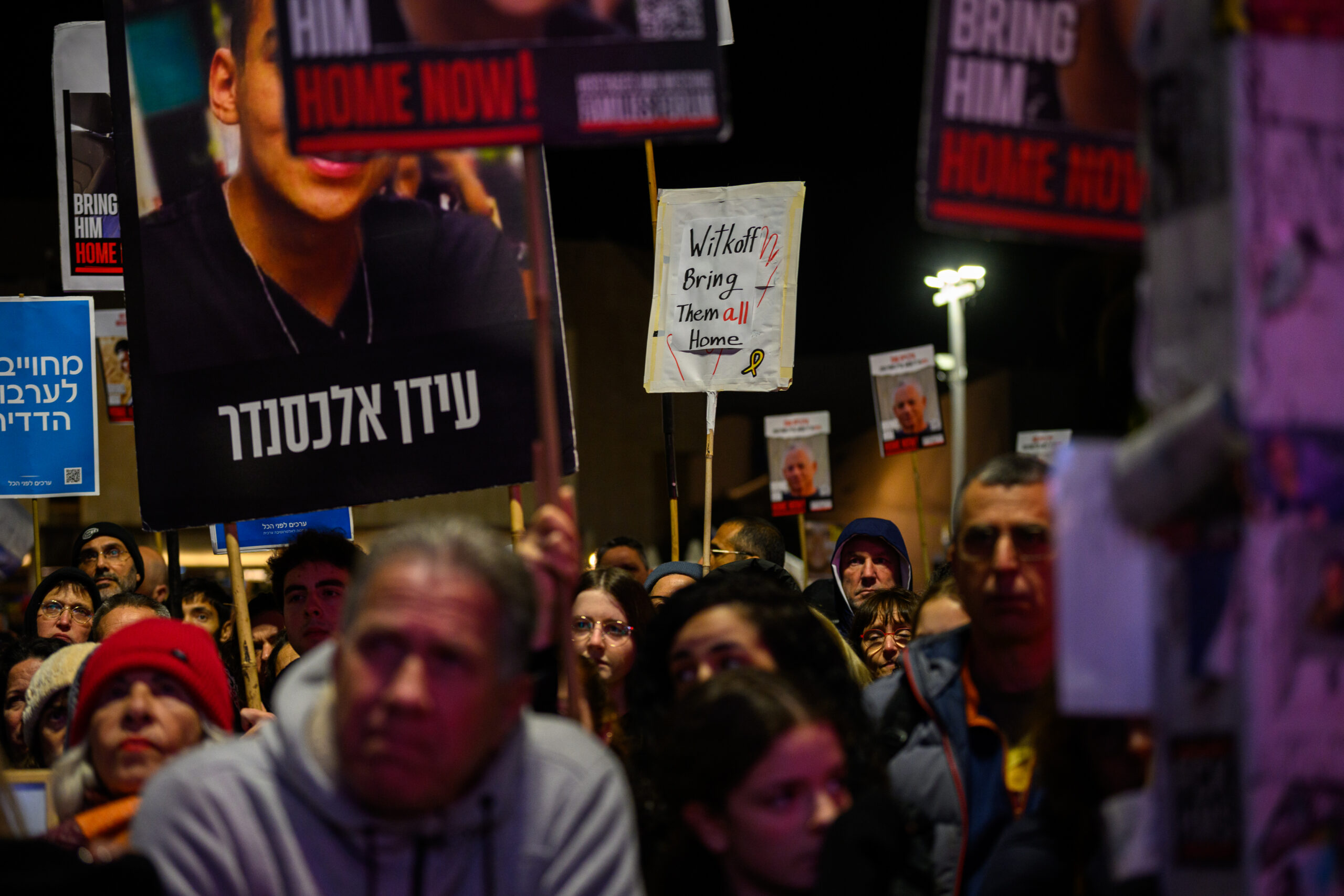
Despite a few hiccups, the cease-fire between Israel and Hamas has achieved its initial milestones. Much will depend on the upcoming negotiations regarding the next phases of the agreement. Yet for now, the fundamental questions of who will govern Gaza, who will provide security, and who will deliver the funding to rebuild it have yet to be definitively resolved.
Israeli Prime Minister Benjamin Netanyahu faces a potentially disastrous showdown within the next month that could shake his hold on power, unless he manages to deter the strongly held positions of the foreign and domestic politicians and political forces on which he is dependent.