Digitization and the future of Middle East economies
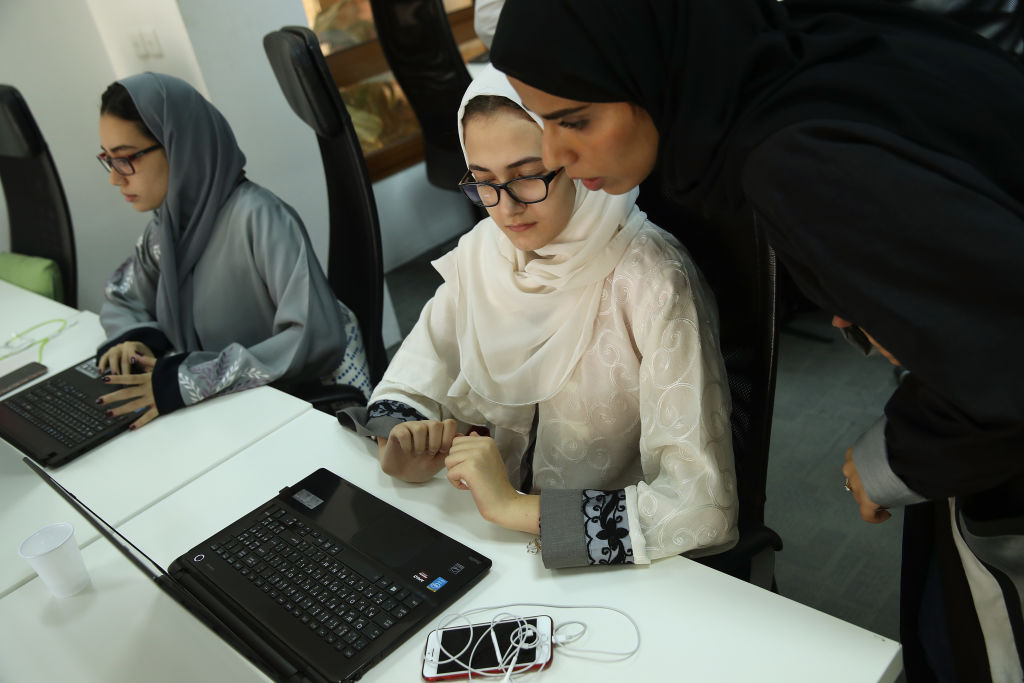
The digitization of business in the Middle East has enormous implications for the future of regional economies, as well as for education, employment, and beyond. The way this digital transition shapes the region will be influenced by the degree to which policymakers consider this shift in its context and with an eye toward the future, as the opening session of the MEI Cyber Program’s recent conference explored.
Free speech, civil society, and equity in cyberspace
From the growing impact of social media on popular movements and politics in the Middle East to the changing face of journalism and civil society online, the intersection of digital spaces with politics is one of the most critical emerging areas for examining the future of dissent, human rights, and democracy in the region. This issue was a central focus during the second panel of the MEI Cyber Program’s inaugural June conference, with experts highlighting several critical areas for consideration and examination in the years to come.
Public diplomacy and influence campaigns in the Middle East
Despite the empowering and liberating potential of new communications technologies, the growing power and influence of autocrats is undermining pressure for human rights and good governance. Authoritarian regimes have embraced new technologies and influence campaigns have become one of the many ways in which they seek to reassert their control over the media and civilians. During the third panel of the MEI Cyber Program’s inaugural June conference, experts examined the development of online manipulation campaigns and discussed how governments conduct these operations, as well as the campaigns’ dangers, limits, and the best policies to encourage free speech online in the Middle East.
Cyber conflict in the Middle East: Considerations for the future
The growing role of cyber conflict in the Middle East continues to raise questions about the future of regional relations, national security, and defense. A diverse group of experts provided a close-up perspective on the region’s cyber threat landscape and its major players and tools during the fourth panel of MEI’s Cyber Program conference, shedding light on how these threats are shaped by specific regional dynamics.
Quickly attributing or blaming a country for a cyber incident without technical analysis, proof, and government officials willing to go on record only inflames an already tense situation.
While COVID-19 and historically low oil prices are disrupting the Gulf’s political economy, the pandemic has demonstrated the region’s tech resilience.
Digital security and the LGBTI+ rights movement in Tunisia
For LGBTI+ individuals in Tunisia, the internet and social media have played a critical role in the development of a community and activist network. Simultaneously, however, these technologies have been used by legal authorities to suppress and harass the queer community.
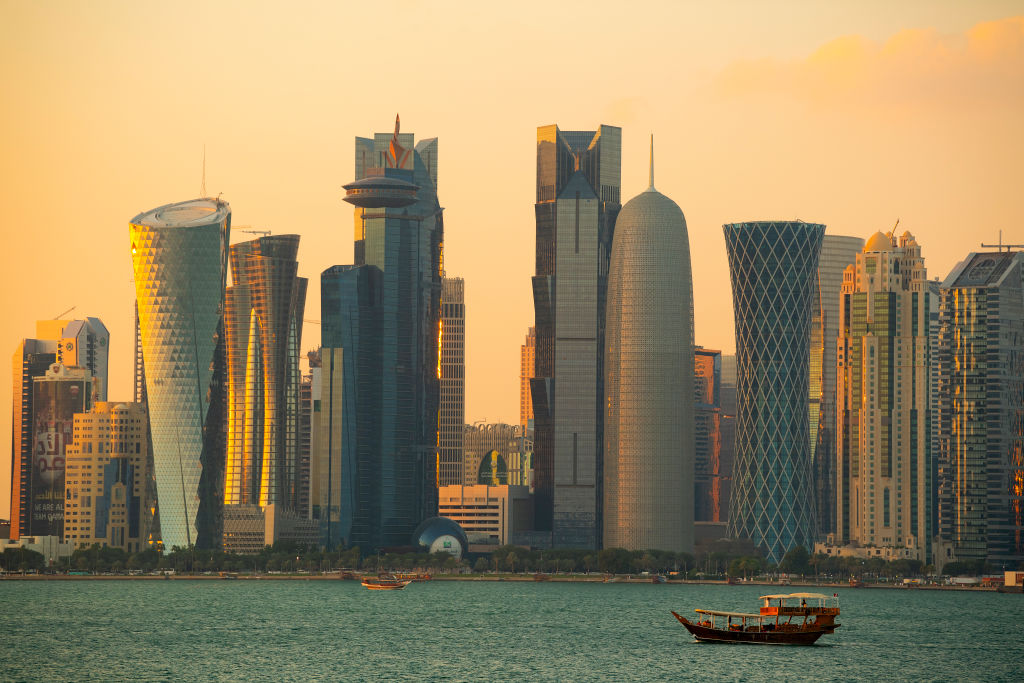
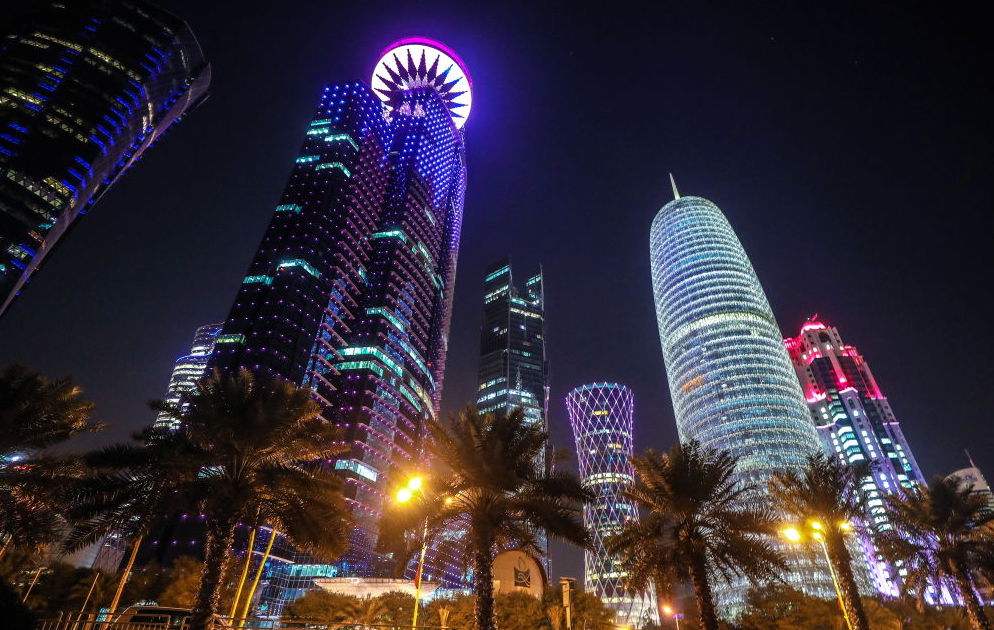
In an effort to boost its economic competitiveness, Qatar is hedging its bets on emerging technologies. The Gulf sheikhdom, eager to diversify its gas-dependent economy, is cultivating various technological areas, notably artificial intelligence (AI).
MEI’s Michael Sexton and Eliza Campbell join host Alistair Taylor to discuss the variety of new surveillance technologies deployed by governments in the region to track the spread of COVID-19, and the tension they are setting up between public health and privacy concerns in the long term.
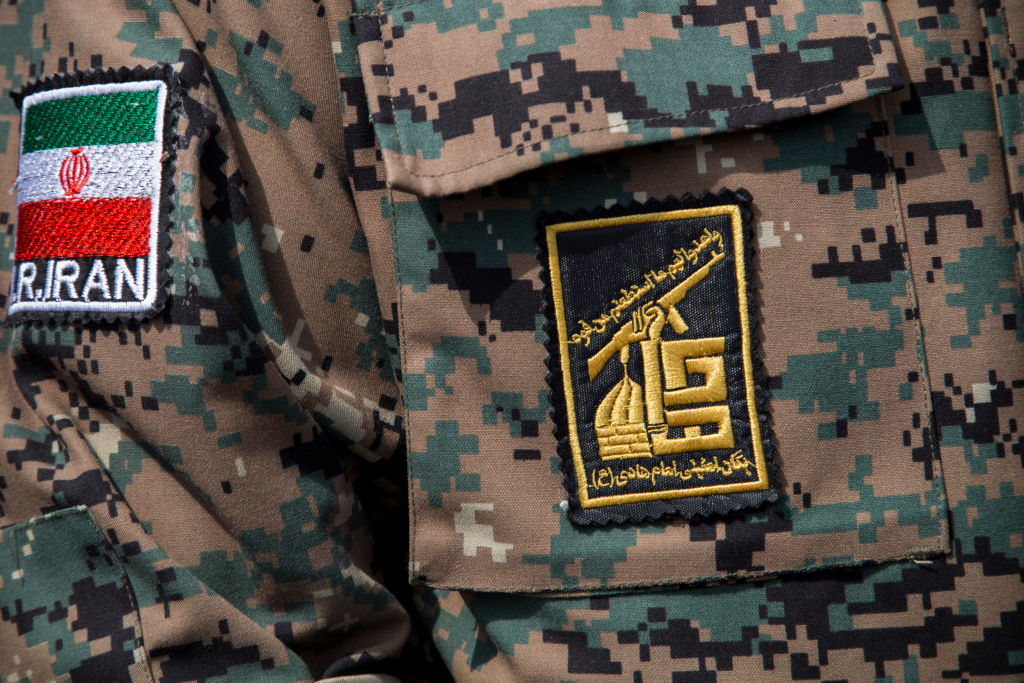
Blurring the lines: The case of the Nakhsa Warriors
Blurring the lines between the physical world and the online one, the Iranian group known as the “Nakhsa Warriors” remains cloaked in mystery. Their identity and status are unclear. Are they a military force that carries out operations, an online group of like-minded individuals that share content, part of an Iranian disinformation campaign — or perhaps something else altogether?
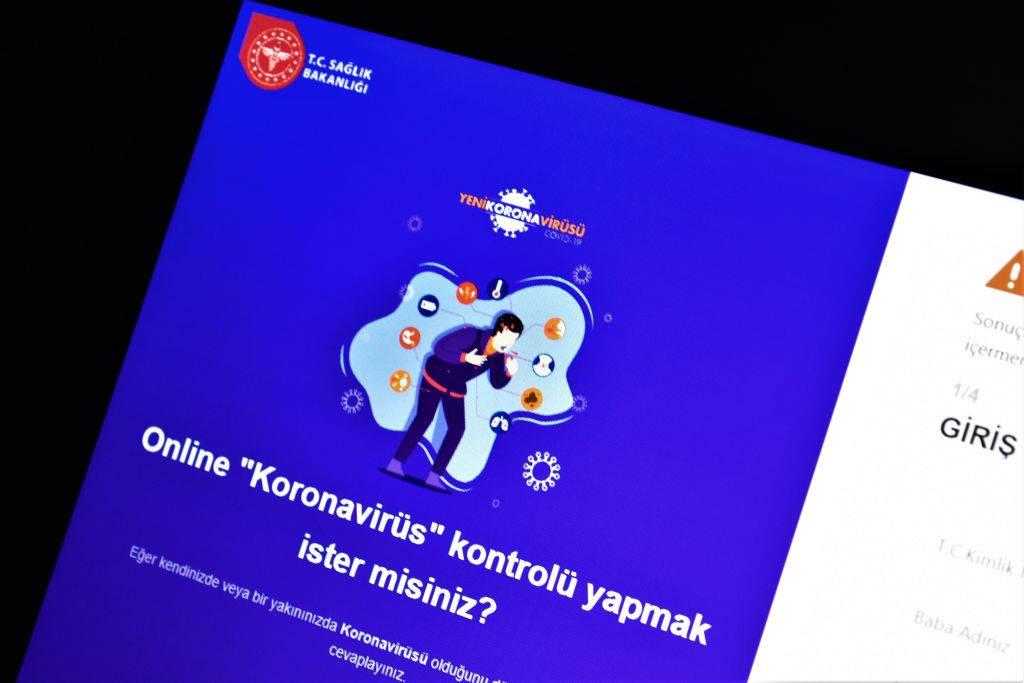
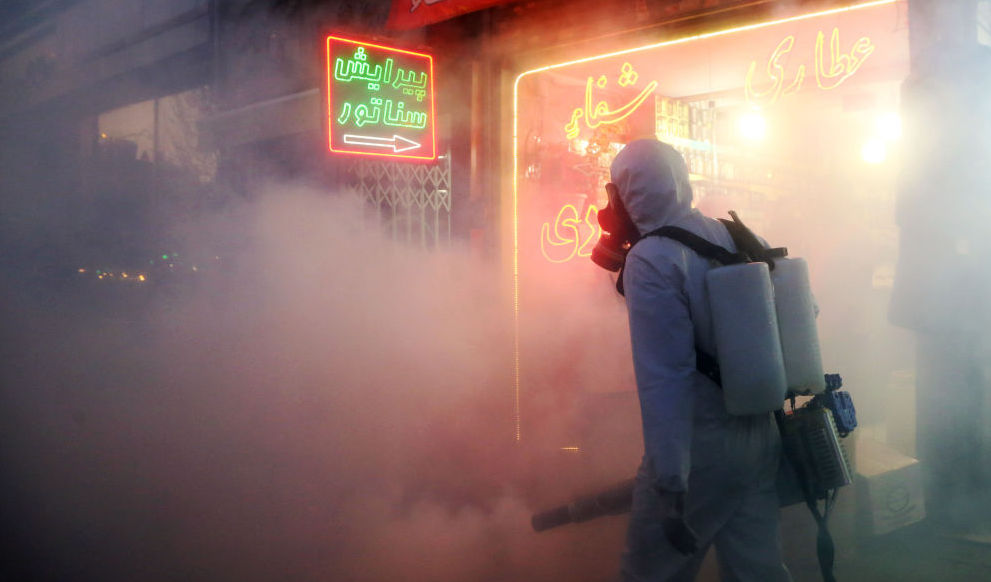
COVID-19 prompts the spread of disinformation across MENA
The growing global health crisis surrounding the outbreak of the coronavirus disease (COVID-19) has created an information environment ripe for manipulation by actors seeking to further their political and economic goals
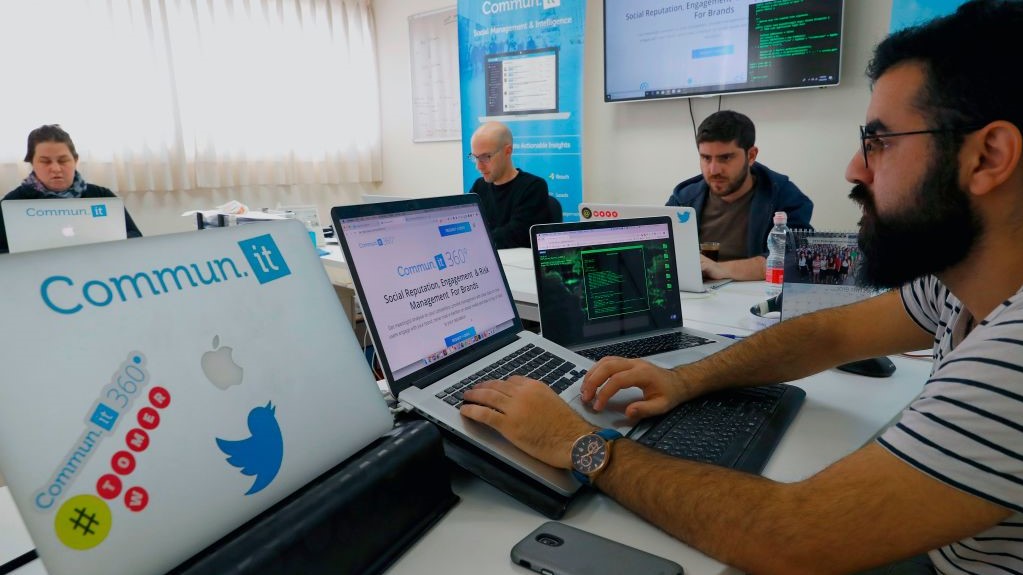
Middle East disinformation: 2020 prospects & solutions
Social media has transformed the information landscape in the Middle East over the past decade. The 2009 Green Revolution and the 2011 Arab Spring demonstrated the enormous power of platforms like Twitter and Facebook for political organizing. Popular perception in the U.S. at the time was that these services would democratize a region notorious for its strongman governments. But it also showed governments and militants in the Middle East how powerful social media campaigns can be, if co-opted for their own purposes.
Iran targeted Israel’s April 2019 elections. Was it preparing for the US 2020 elections?
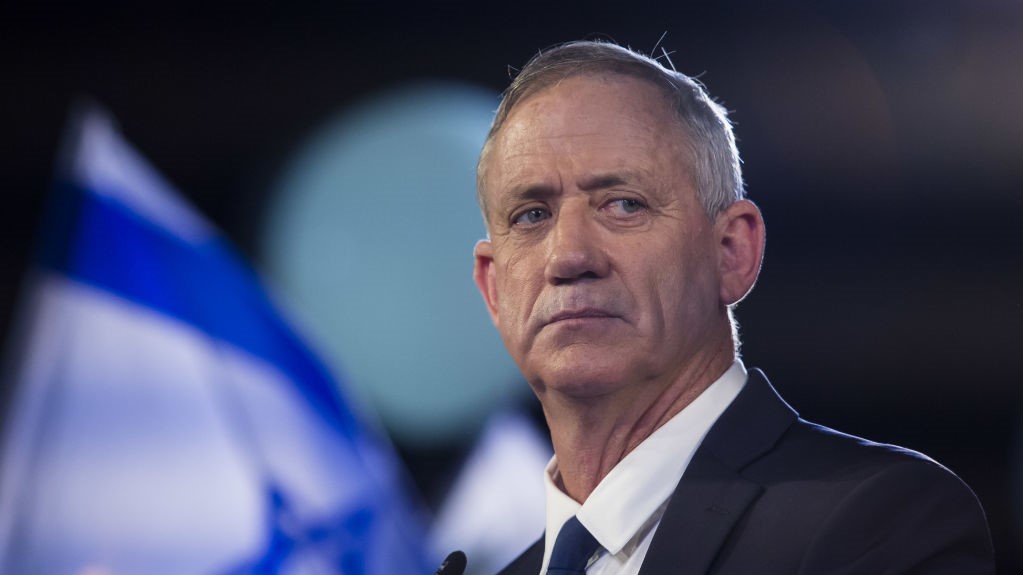
The April 2019 Israeli elections between incumbent Prime Minister Benjamin Netanyahu and his competitor Benny Gantz were fraught with tension even before external entities got involved. But when Israel’s internal security service, Shin Bet, revealed that suspected Iranian cyber actors had accessed Gantz’s mobile phone, there was yet another issue to contend with, albeit one not specific only to Israeli elections: interference.