Will latest anti-regime protests change Iran’s costly regional policies?
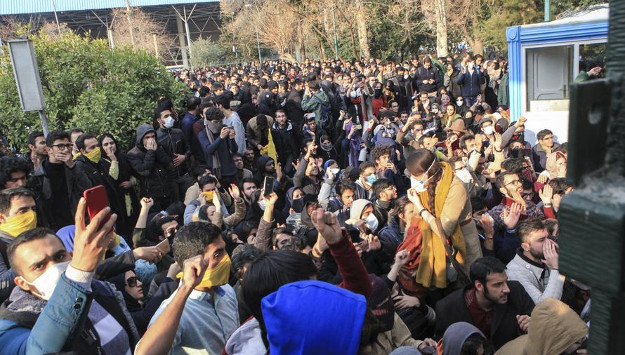
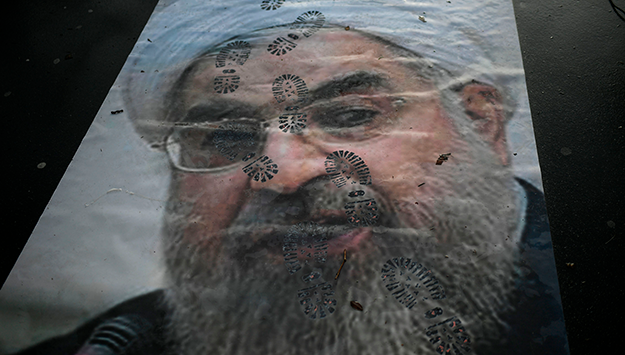
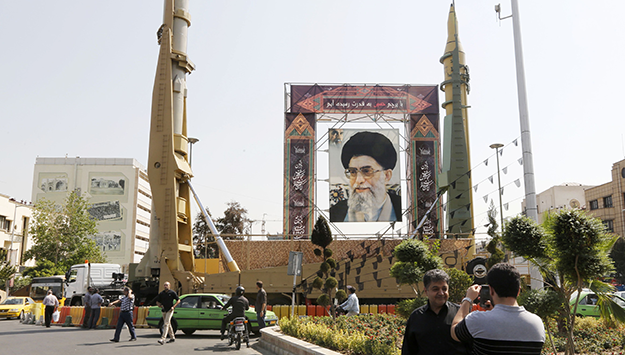
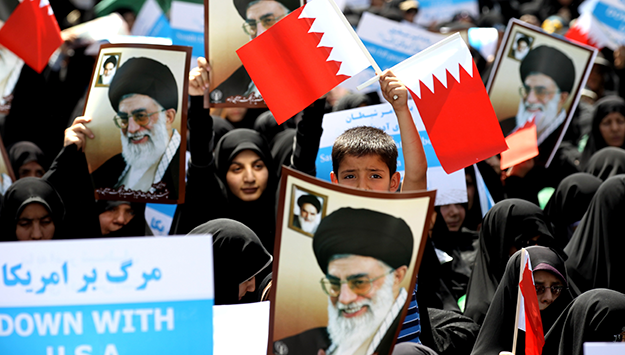
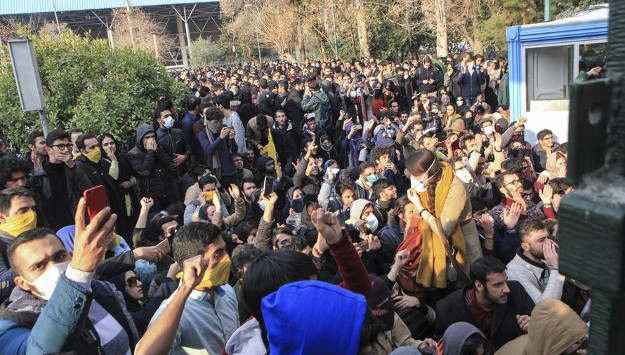
The latest antigovernment protests in Iran indicate that the regime’s costly and destabilizing role in regional conflicts is taking a political toll at home. While economic grievances are the key driver of the current protests, ordinary Iranians are questioning the wisdom of their government’s military adventurism abroad and support for foreign state and non-state actors at the expense of domestic priorities.
Turkey summons Iranian, Russian envoys over ceasefire “violations” in Syria
The Turkish government today summoned the Iranian and Russian ambassadors to protest “recurrent attacks” by the Syrian Army in Idlib Province against Syrian opposition forces backed by Ankara, the
Khamenei defies protesters' demand for ending costly regional role, threatens US
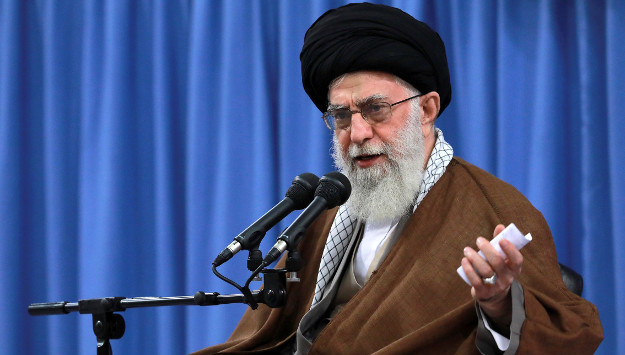
Iran’s Supreme Leader today accused the United States and its regional allies of fomenting unrest in the country and warned that Tehran will retaliate against Washington. “You inflicted damage on Iran in these days and this will not go unanswered,” he stressed, addressing the US government. “The American President says that… the Iranian government is terrified by America’s power. Well, if we’re scared of you, how did we drive you out of Iran in the 1970s and evicted you from the entire region in 2010s?” he added.
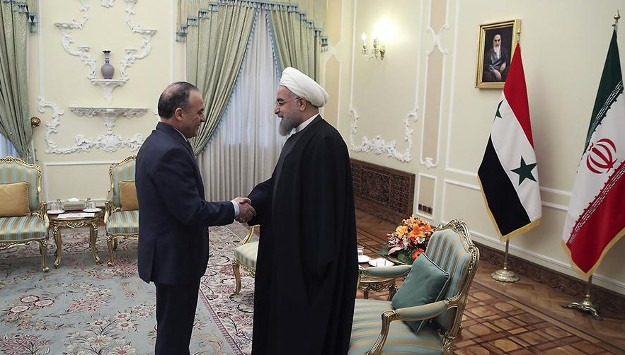
An Iranian parliamentary delegation visited Syria to seek ways of boosting bilateral ties between the two countries, particularly in the economic and trade sectors.
More than 10,000 Afghans sent by Iran to Syria reported killed and injured
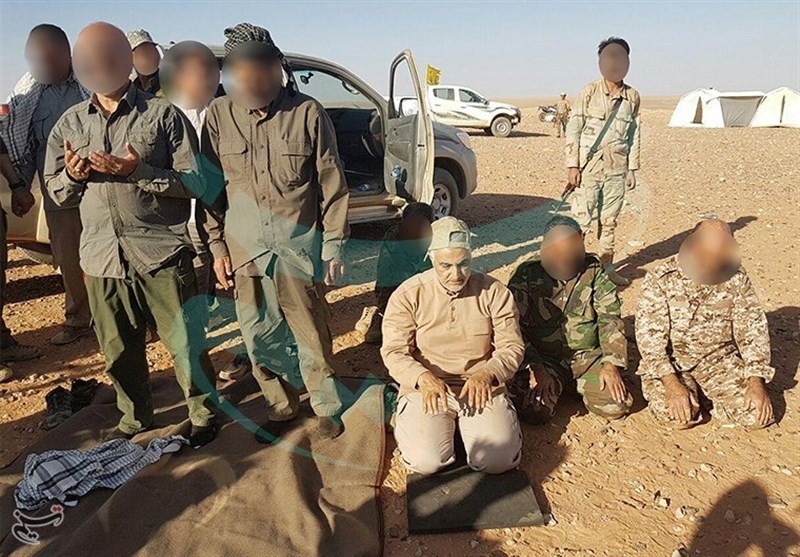
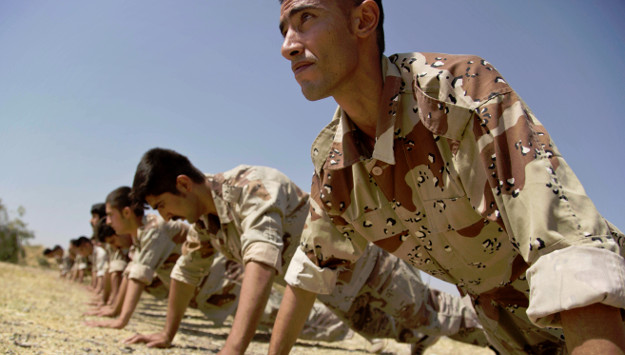
An official of the Fatemiyoun Division has revealed that at least 2,000 Afghan Shiites have been killed and 8,000 more injured in the Syrian conflict – more than twice the number previously reported. The Fatemiyoun Division is a predominantly Afghan militia unit that has been fighting under the leadership of Iran’s elite Quds Force in Syria to prop up the embattled regime of Bashar al-Assad.
IRGC takes steps to further securitize Iranian society in wake of anti-regime protests
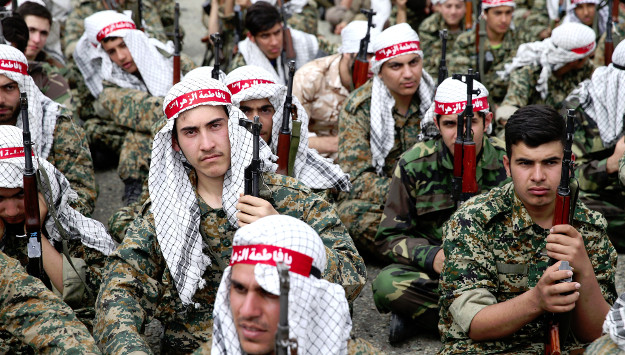
A senior official of the Islamic Revolution Guards Corps has announced that the paramilitary Basij Force will soon begin patrolling missions in the capital city of Tehran, IRGC-affiliated media outlets reported. “All necessary coordination efforts for a plan to conduct region-centric patrols have taken place with the law enforcement forces and the Judiciary. And this plan will soon begin in Tehran,” Brigadier General Mohammad Reza Yazdi, the commander of the IRGC Greater Tehran’s Mohammad Rasullah, said.
Iran Intensifies Internet Crackdown as Protests Spread across the Country
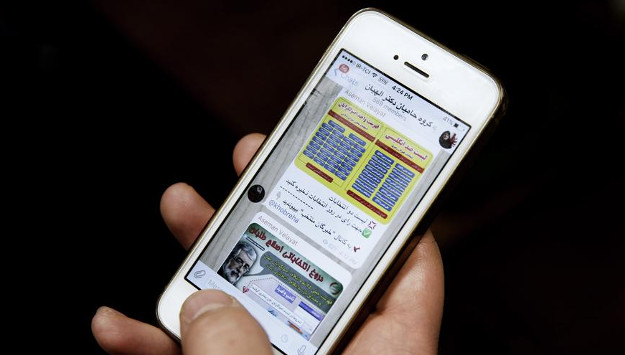
Since antigovernment protests began in the Iranian city of Mashhad last week and soon spread across the country, Islamic Republic authorities have intensified Internet crackdown in an effort to block the Iranian people from access to information and means of communication. The primary target has been Telegram, the most popular messaging app used by about half of Iran’s 80 million population. Over the weekend, the Iranian government “temporarily” blocked Telegram and Instagram, another popular social media platform.
Iran Arrests European Citizen in Connection with Antigovernment Protests
Iranian authorities have arrested a European national in the western province of Lorestan on charges of “organizing” antigovernment protests in the city of Borujerd, the Iranian media quoted local officials as saying.
Iranian Kurdish Parties Voice Support for Protesters, Call for International Help
Four Iranian Kurdish political parties and militant groups have voiced support for antigovernment protests that have engulfed the Islamic Republic over the past week. The groups urged the international community to back the Iranian people’s “legitimate demands.”
Iran-Backed Militia Groups Threaten US Forces in Iraq
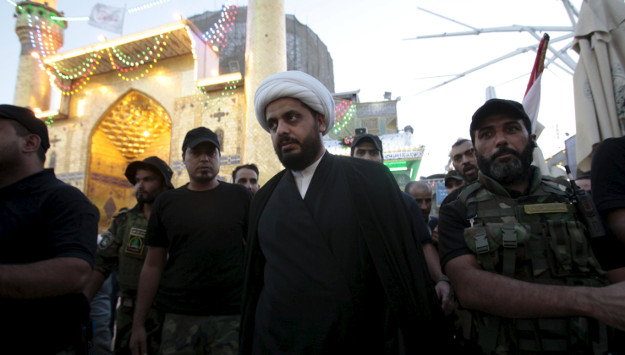
The head of a prominent Iranian-backed Iraqi militia group has called for the exit of American troops from Iraq, Iran’s Fars News Agency reported today. “We have repeatedly heard American government officials saying that Washington wants to remain in Iraq after ISIS for the long haul. This is not something that we want to allow to happen and is totally acceptable to us,” Qais al-Khazali, the secretary-general of Asa’ib Ahl al-Haq, said during a speech in the Iraqi city of Najaf.
Rouhani Talks with Macron amid Anti-Regime Protests across Iran
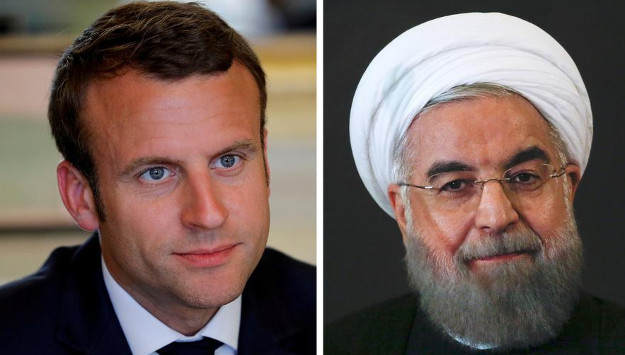
In a telephone call with his French counterpart Emmanuel Macron earlier today, Iran’s President Hassan Rouhani defended the country’s military involvement in regional conflicts and emphasized that Tehran will continue its controversial ballistic missile program despite increasing pressure from Washington and its allies, according to the account of the conversation provided by the Iranian media.
An article in Fars News Agency says Russia has reached out to all key internal and external stakeholders in the Syrian conflict to shape up the future of the country, but it cannot ignore Iran’s role and interest in Syria. “Although Russia has supported the Bashar al-Assad government through its air force, it has been Iran and the resistance axis that has carried out most of the fighting on the battlefield.