Iran-Backed Iraqi Paramilitaries Gearing up for Next Year’s Elections
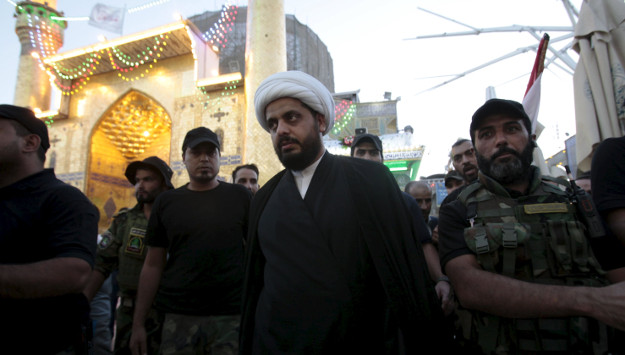
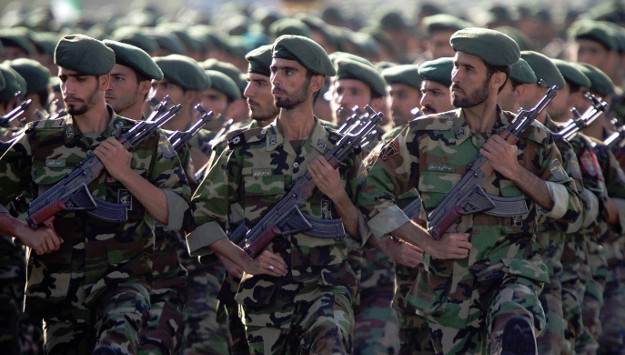
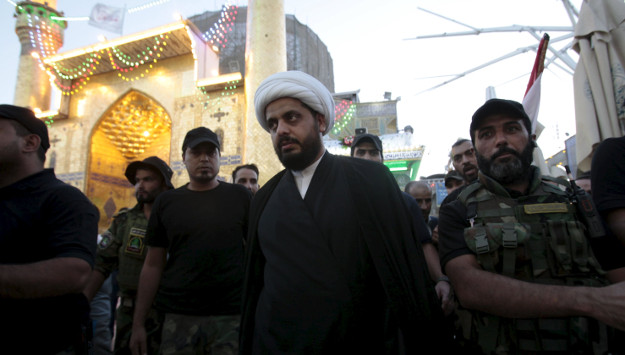
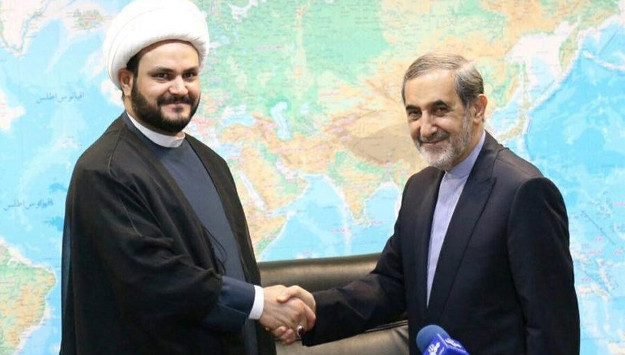
The leader of a prominent Iranian-backed unit within Iraq’s Popular Mobilization Forces (P.M.F.) said today that his group will hand over its heavy and medium weapons to the Iraqi security forces, Iran’s Fars News Agency reported. Qais al-Khazali, the head of the Asa’ib Ahl al-Haq, called on the Iraqi government to value P.M.F. forces as an asset and treat them fairly. The A.A.H.
Iranian Cleric Calls for Arming Palestinians for “Third Intifada”
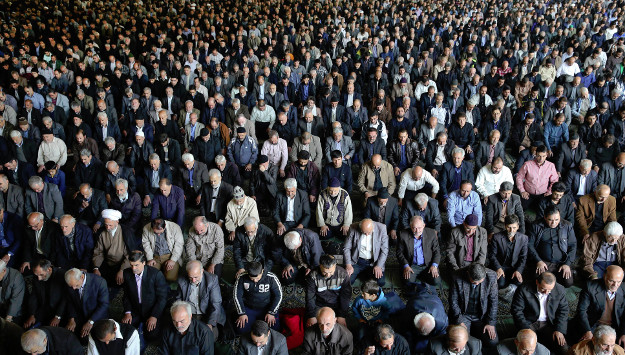
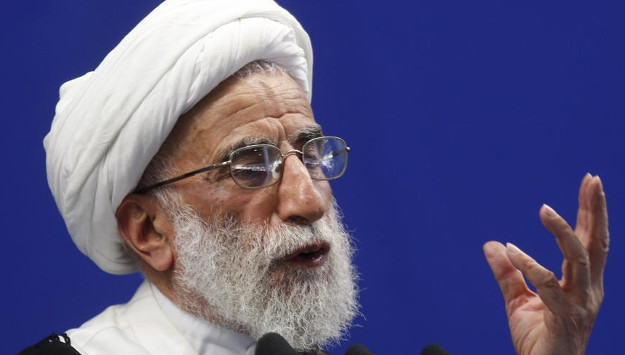
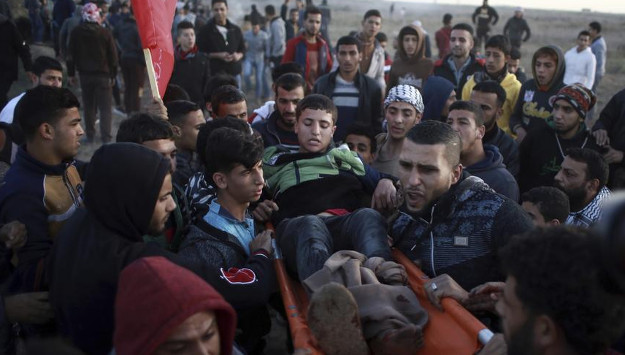
A senior Iranian cleric today called for arming Palestinians to wage a “third intifada” against Israel, Fars News Agency reported. The interim Friday prayer of Tehran told worshippers that the fight against ISIS in Iraq and Syria has further solidified Iran’s influence in the region and stressed that the creation of Iranian-led “resistance” forces in the region will lead to the destruction of Israel. “The enemies created Daesh [ISIS] so as to create a security shield for Israel.
After Iraq and Syria, I.R.G.C. Seeking to “Expand” Its Role in Yemen and Broader Region
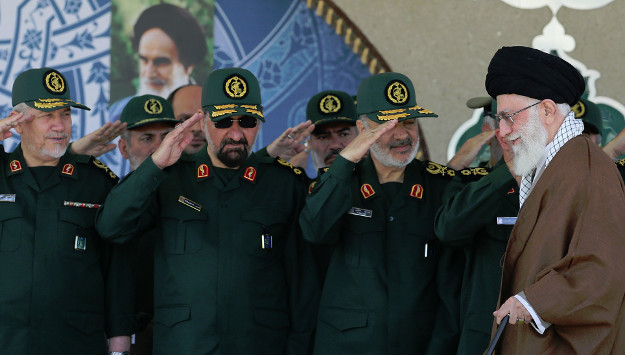
Emboldened by its recent gains in Syria and Iraq, Iranian military leaders are seeking to play a more aggressive role in other regional conflicts in order to “expand” Iranian influence and export the “Islamic Revolution.” In particular, latest statements by commanders of the Islamic Revolution Guards Corps and commentaries in the Iranian media suggest that the I.R.G.C. is planning to further increase its support for its Houthi allies in Yemen.
Iran Poised to Test More Ballistic Missiles in Defiance of International Demands
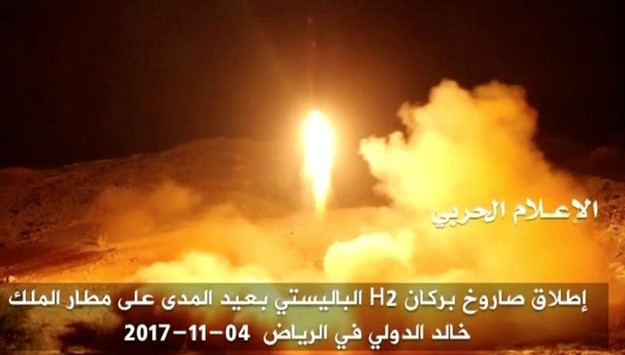
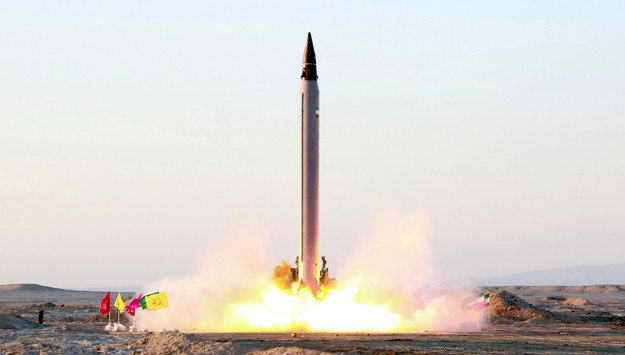
Iran’s leaders reiterate that the Islamic Republic will not negotiate over its controversial missile program despite mounting international pressure. Abbas Araghchi, deputy foreign minister of Iran, said the country will continue to test new ballistic missiles as planned. “Iran’s missiles exist with full force. And when needed, missile tests will be carried out. And if necessary, Iran will launch missile attacks as it did against Daesh [ISIS in Syria],” he added.
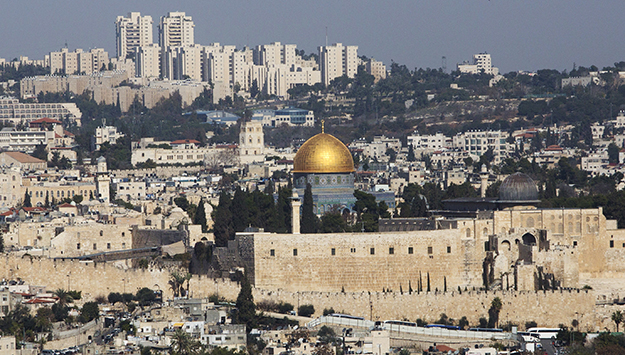
Iranian Leaders Say Israel's "Demise" Sooner after Trump's Jerusalem Plan
The chairman of Iran’s Assembly of Experts has said that President Donald Trump’s decision to recognize Jerusalem as Israel’s capital will mark the demise of Israel, according to the Iranian media.
I.R.G.C. May Seek to Expand Military Role beyond Syria and Iraq, Warns Reformist Daily
As the battle against ISIS is winding down in Iraq and Syria, some military leaders and hardliners in Iran call for not only keeping a long-term military presence in both countries but also expand the country’s “military advisory missions” to other conflict zones in the region, including Yemen and Palestine, warns reformist Iranian daily Bahar.
I.R.G.C.'s Khatam al-Anbia Eyes Leading Role in Syria’s Reconstruction
The head of Khatam al-Anbia Construction Base, the main engineering and construction arm of the Islamic Revolution Guards Corps (I.R.G.C.), has said that the conglomerate is ready to play a leading role in Syria’s reconstruction process, Tasnim News Agency reported.
The commander of Iran’s elite Quds Force today called leaders of Palestinian “resistance groups” to pledge Iran’s “all-out support” for them in their armed struggle against Israel,
Iran-Backed Militia Leader’s Tour of Lebanese-Israeli Border Raises Concern
A prominent Iranian-supported Iraqi militia commander has visited the Lebanese-Israeli border and pledged to support Hezbollah in a potential war against Israel in the future, Iranian and
Marginalizing Religious Minorities Risks Fueling Radicalism in Iran
A senior aide to President Hassan Rouhani has revealed that “rogue and radical elements” within the government oppose the integration of Iran’s disenfranchised Sunni community into the sociopolitical fabrics of society.
Iran Rules out Missile Negotiation despite International Pressure
Iranian leaders are urging European powers not to side with Washington to pressure the Islamic Republic to curb its controversial missile program and moderate its policies and actions in the region.
Senior Iranian Cleric: We Increase Missile Range to Target Israel, “Deprive White House of Sleep”
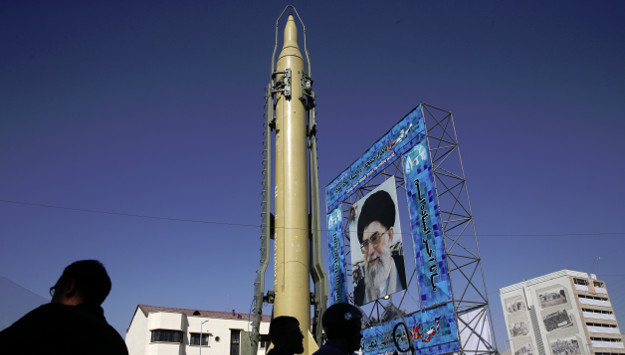
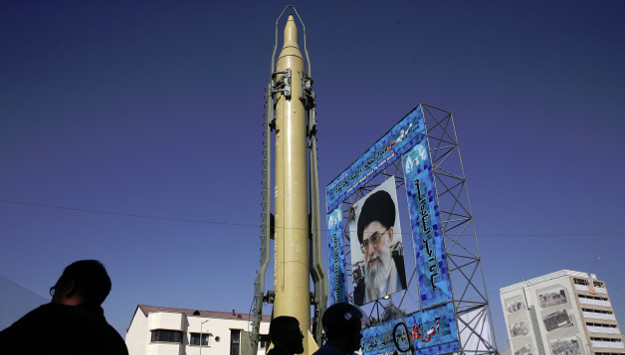
During Friday prayer in Tehran today, a senior Iranian cleric said that the Islamic Republic will further enhance the range and power of its ballistic missiles to threaten America and annihilate Israel, Iran’s Fars News Agency reported. “We have missiles and we produce missiles. And we increase the range of our missiles as much as we can so that we deprive the residents of the White House of sleep.
Iran-Backed Militia Calls U.S. Troops in Iraq “Legitimate Target”
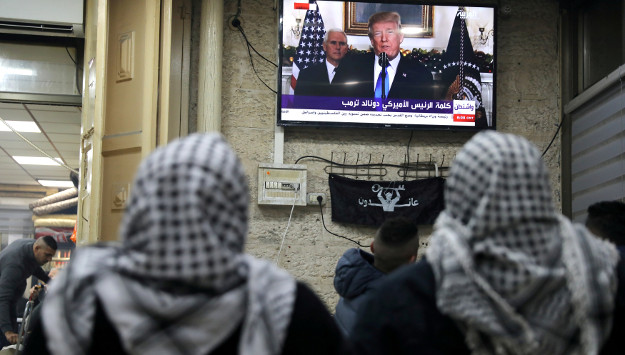
Harakat al-Nujaba, an Iranian-sponsored Iraqi militia group fighting in Iraq and Syria, today threatened to attack American troops in Iraq and the broader region in response to President Donald Trump’s announcement yesterday about the recognition of Jerusalem as Israel’s capital.
Iran Provokes “New Intifada” in Response to Trump’s Jerusalem Decision
The chief of staff of the Iranian Armed Forces said President Donald Trump’s decision to recognize Jerusalem as Israel’s capital will “usher in a new intifada against the Zionist occ