The first volume of the migration and the Arab World series dealt primarily with the trends in, consequences of, and policy responses to labor migration in the Gulf Cooperation Council (GCC) states since the “oil boom” period of the 1970s. This volume focuses on the countries of the Mashreq (i.e., Egypt and the Levant) as source and destination countries for various migrant groups, dating from the late 19th century up to the present day.
Afghanistan: Where Chaos Is King and Plunder Is Privilege
The “new and improved” tactics of “divide and conquer” are operational both at the vertical and horizontal layers of the government and society in Afghanistan.
Afghanistan 2002-2012: A Decade of Progress and Hope.
Recent media coverage of the Afghan war questions whether we’ve made meaningful progress towards security and an effective Government in that country. Or were the past ten years a lost decade for the Afghans and Coalition partners? This ten-year milestone is a good point in time to pause, check Afghanistan’s progress, and assess where it appears to be headed. With the assistance of over 40 nations, Afghanistan developed its infrastructure and has taken major steps towards self sufficiency.
We are regularly bombarded by news reports and political analysis that reflect certain underlying assumptions about Afghanistan. These assumptions range from claims that Afghanistan was always a backward state ruled by warlords, to assertions that the country was never really a nation at all, and proclamations that Afghanistan is unfit for Western-style democracy and that it is dangerously naïve to think otherwise.
Since the overthrow of King Mohammad Zahir Shah in 1973, Afghanistan has been plagued by war — either war waged among ideologues (Marxists v. nationalists) or war marked by foreign invasion and occupation. The Soviet occupation of Afghanistan, which began in 1979, lasted a full decade.
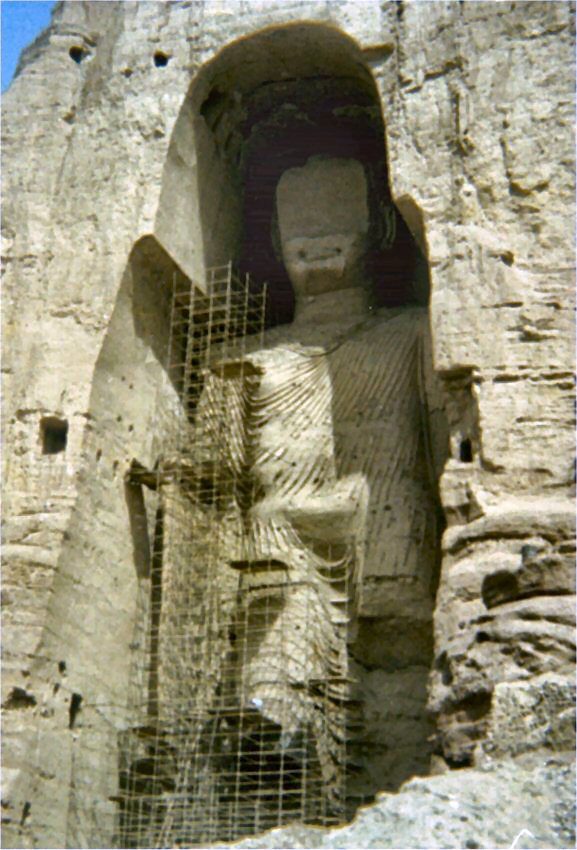
Bruce Richardson raises an important issue regarding the protection, trafficking, and exploitation of cultural patrimony. Aspects of this issue range across research, polemics, and litigation in attempts to document loss, return treasures, or on the other hand prevent restitution or repatriation. Richardson properly decries cultural looting, but we must distinguish among causes to reach agreement on protective steps.
The Afghanistan Stabilisation Program (ASP): A National Program to Improve Security and Governance
Since the coup in April of 1978 by the People’s Democratic Party of Afghanistan (PDPA), the social, cultural, political, economic, governance, and security fabric of Afghanistan’s institutions have been destroyed by the subsequent Mujahedin and Taleban regimes. It is impossible to have enduring peace, stability, and development in a country without a strong institutional foundation. After 33 years of war and instability, for the most part, the linkages between central, provincial, district, and village governance structures in Afghanistan are either very weak or non-existent.
America's Catch-22: The Iran Question in Afghanistan
This Opinion first appeared in Frontline.com’s Tehran Bureau on June 13, 2012 and was co-authored by Christina Lin
As U.S. and other NATO troops prepare to leave Afghanistan in 2014, a geopolitical realignment will be under way in Southwest Asia. One possible scenario would outright undermine a principle U.S. policy objective in the region: the containment of Iran.
When Russian archaeologist Viktor Sarianidi excavated Tilya Tepe in 1978, 21,000 bejeweled, gold artifacts created during the Greco-Bactrian era known as The Golden Hoard of Bactria were reported as inventoried, photographed, and catalogued. But in consideration of the time (1978), and the fact that the Kremlin was considering military intervention in Afghanistan in support of the Communist regime, it seems prudent to challenge the veracity of Professor Sarianidi’s findings.
This Opinion first appeared in Foreign Policy on May 30, 2012
The massacre in al-Houla, where Syrian military forces and allied militiamen massacred more than 100 civilians in cold blood, leaves no doubt about the intentions of President Bashar al-Assad’s regime: survival at any cost and through any means. Assad does not have a Plan B.
Delivering on the Commitments of Afghanistan Conferences
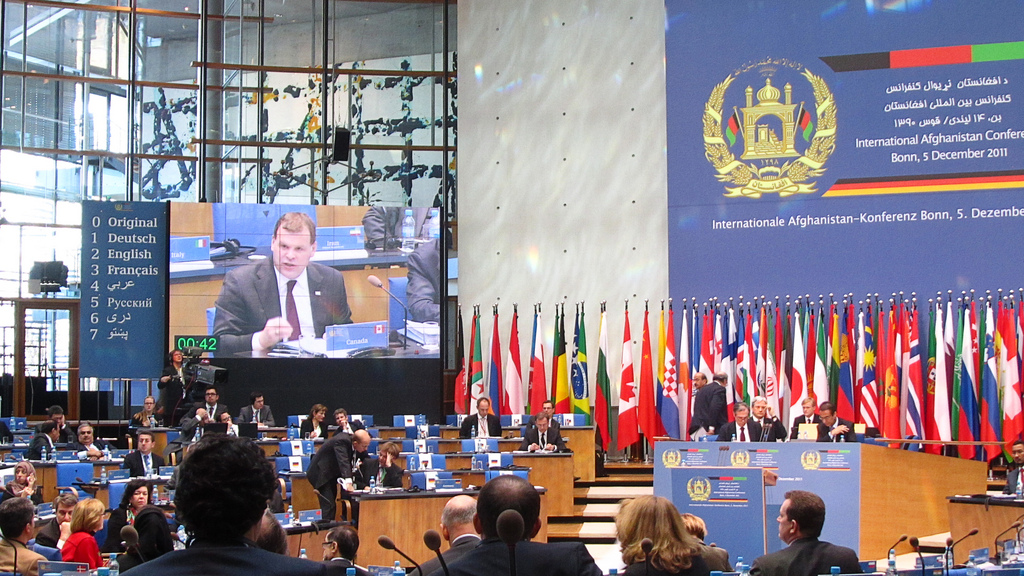
Last December in Bonn, Germany hosted and Afghanistan chaired an international conference on “Afghanistan and the International Community: From Transition to the Transformation Decade.” Eighty-five countries and 15 international organizations participated in the Conference to celebrate their shared 10-year achievements, and to recommit to consolidating and sustaining these achievements beyond 2014 into a decade of transformation until 2024.