Hariri’s Resignation and the Saudi Corruption Crackdown
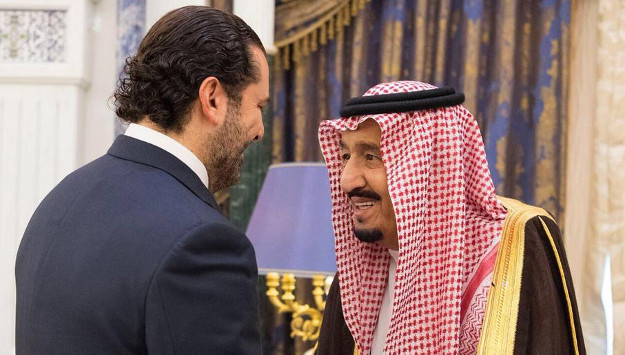
Last weekend’s arrests of prominent Saudi government officials and leading businessmen on charges of corruption has sent shockwaves through Saudi society as well as global center of finance and commerce. The developments also impacted Lebanon, with Prime Minister Saad Hariri announcing his resignation from the Saudi capital of Riyadh. MEI experts Gerald Feierstein, Jean-Francois Seznec, and Randa Slim join Paul Salem to discuss these developments.
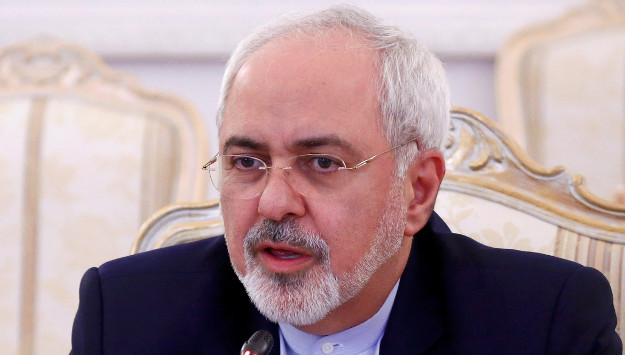
Iranian Foreign Minister Javad Zarif met with Tajikistan’s President Emomali Rahmon today in the capital city of Dushanbe to discuss ways to improve economic and trade relations between the two countries and coordinate their counterterrorism efforts in the region. The Iranian foreign minister arrived in Dushanbe on Wednesday and held meetings with his Tajik counterpart and participated in the inauguration ceremony of Iran’s new embassy building in the Tajik capital.
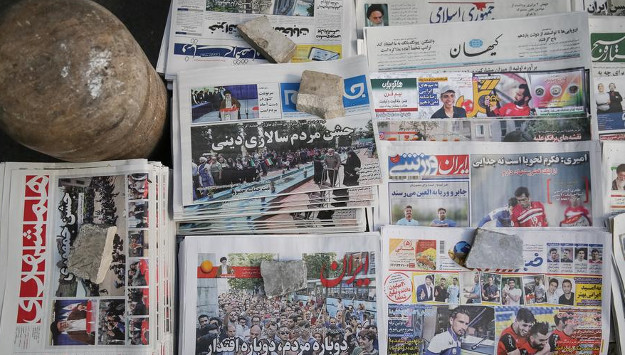
Yesterday’s edition of Jameeh-ye Farda, a reformist Iranian outlet, was published without an article written by its lead columnist Morteza Simiyari. The article, “Are We Hearing the Echo of the War? Russia, Instigator of War between Iran and Saudi Arabia,” was censored by the government, but it later surfaced on Gooya News, an independent news outlet in the Netherlands.
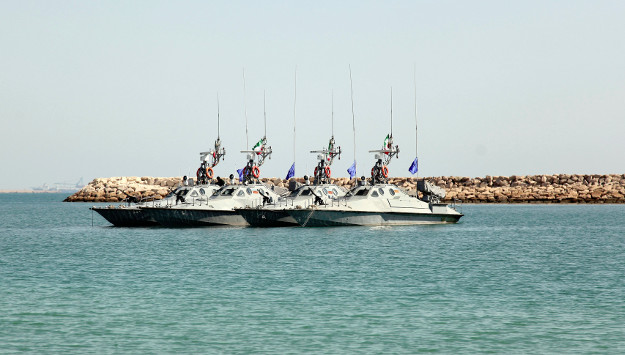
Iran Navy Plans to Deploy Fleets to Open Seas between Europe and Americas
The outgoing commander of the Iranian Navy hailed the expanding presence of the country’s naval forces in international waters and said the Navy plans to send fleets to open seas between Europe and Americas.
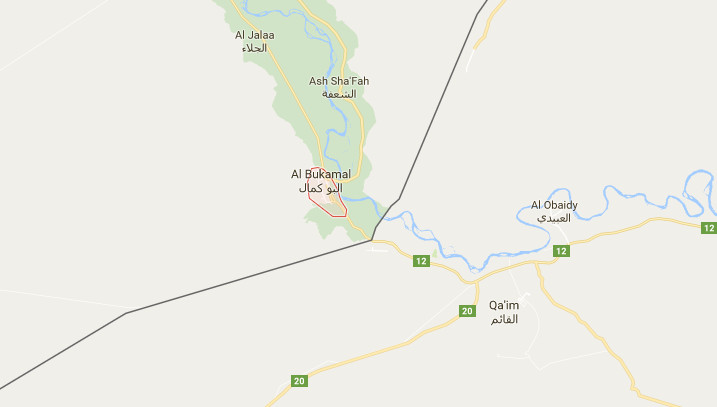
Syrian, Iranian-Led Forces Capture Abu Kamal, Threaten to Confront U.S. and S.D.F.
The Syrian Army and Iranian-led forces have captured Abu Kamal, a strategic border town in eastern Syria and the last major ISIS stronghold in the country, Iranian and Arab media report. While the physical and military defeat of the Islamic State is good news, the rapid territorial gains by pro-Syrian regime forces, particularly in the oil-rich eastern province of Deir Ezzor, have increased the risk of a potential confrontation with U.S.-backed Syrian opposition forces that have also captured strategic areas from ISIS in northern and eastern Syria.
The Political (or Social) Economy of Sectarianism in Lebanon
Most of the literature that seeks to explain sectarianism in Lebanon focuses on its history or on the regional and geopolitical dynamics associated with it. Relatively few studies have examined the internal factors that shape the process of sectarianization and sustain sectarianism today. However, if one does not first understand the present dynamics of sectarianism and the material and structural factors that shape it, then exploring the history of the phenomenon in an attempt to locate its “roots” is unlikely to be very illuminating. This essay seeks to shed light on the current political economy of sectarianism in Lebanon so as to advance our understanding of this phenomenon.
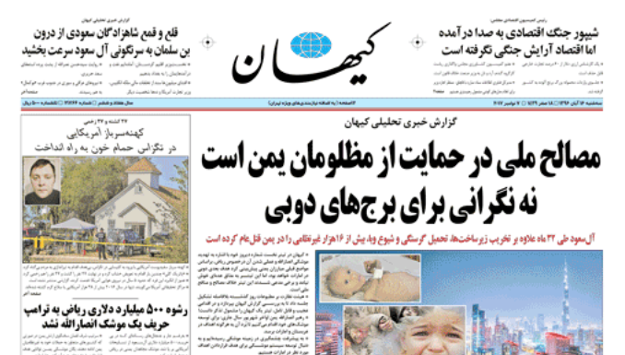
The Houthi missile attack against King Khalid International Airport in Riyadh on Saturday not only heightened tension between Saudi Arabia and Iran, but also triggered a war of words between media outlets representing different factions in the Islamic Republic.
Harakat al-Nujaba Reacts to U.S. Move to Sanction Iran-Backed Iraqi Militias
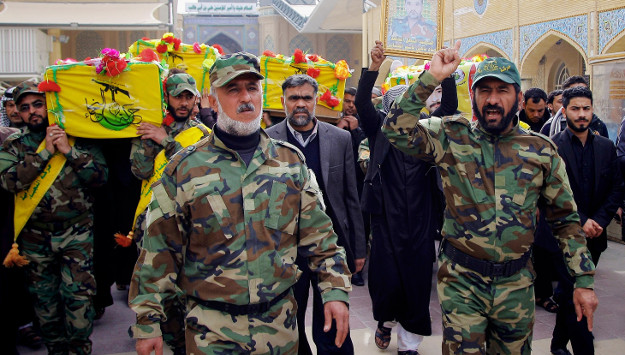
Harakat al-Nujaba, a militia unit within Iraq’s Popular Mobilization Forces (P.M.F.), lashed out at the United States for seeking to impose sanctions against the group and other Iranian-sponsored militia organizations fighting in Iraq and Syria. On November 3, a bill was introduced the U.S. House of Representatives, entitled “Iranian Proxies Terrorist Sanctions Act of 2017,” which, if passed, will impose terrorism-related sanctions with respect to Asa’ib Ahl al-Haq and Harakat al-Nujaba groups.
Mohammed bin Salman’s High-Wire Act | Monday Briefing
In this week’s Monday Briefing, MEI experts Gerald Feierstein, Paul Salem, Ruba Husari, Amal Kandeel, and Gonul Tol provide analysis on recent and upcoming events including the arrests of numerous prominent Saudi government officials and leading businessmen on charges of corruption, Lebanese Prime Minister Hariri’s resignation, oil prices in the Middle East hitting new highs, the threat to MENA due to rising temperature levels in the region, and the Turkish prime minister’s visit to Washington.
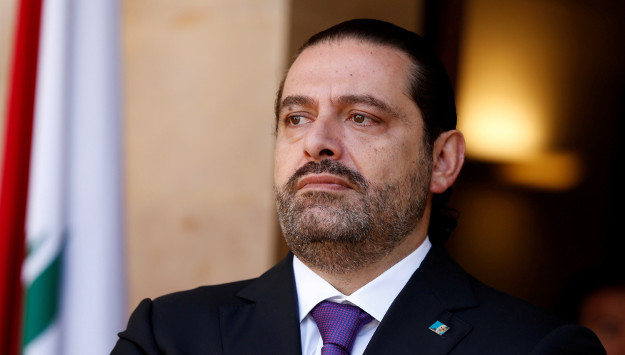
Hariri’s Resignation Alarms Tehran about Lebanon’s Future
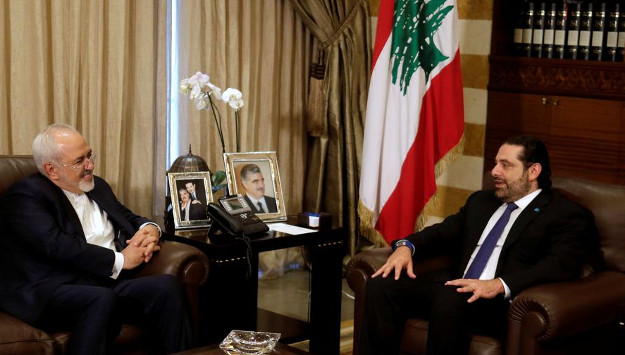
The resignation of Lebanese Prime Minister Saad Hariri on Sunday has sent shockwaves in Tehran. While Iranian leaders and their regional allies try to appear measured and confident, they fear that political instability in Lebanon and a potential war between Israel and Iran’s ally Hezbollah – particularly at a time when Hezbollah and other Iranian proxies are still engaged in the Syrian war – could adversely impact Tehran’s regional ambitions.
Iran Sees Hariri’s Resignation as Part of U.S.-led Plan to Counter Its Regional Influence
Saad Hariri’s unexpected resignation has rattled Tehran. Many Iranian officials, analysts and media outlets warn that the Lebanese prime minister’s resignation is part of a broader strategy by the United States and its regional allies – particularly Israel and Saudi Arabia – to counter the growing influence of Iran and its proxies in the Middle East.
The sudden resignation of Massoud Barzani as president of the Kurdish Region of Iraq (K.R.I.) casts into high relief the challenges that confront U.S. policy in the region today. Focused military action has set ISIS on its heels. Chairman of the Joint Chiefs of Staff General Joseph Dunford, U.S.