A midstream appraisal of Trump’s historic Middle East trip
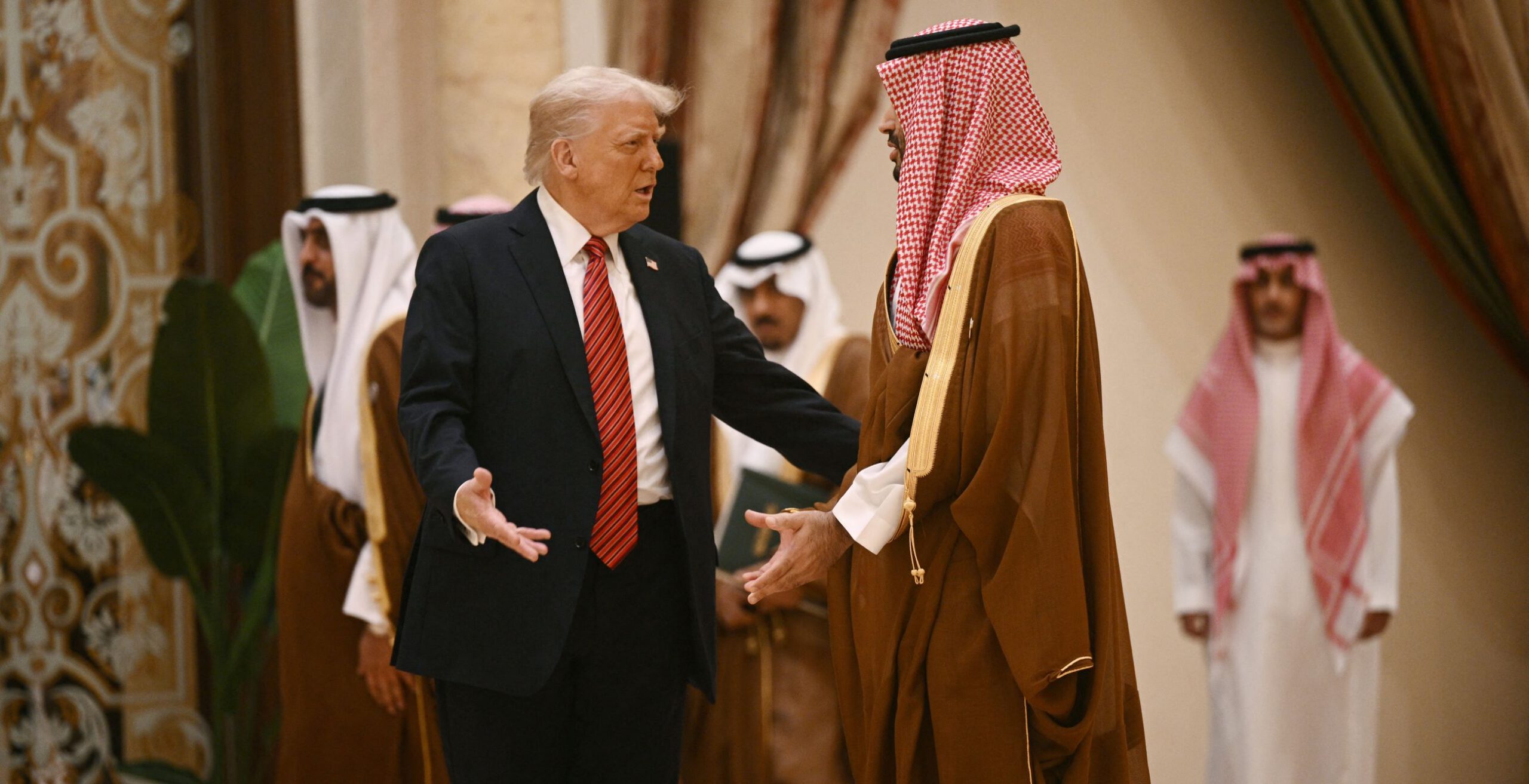
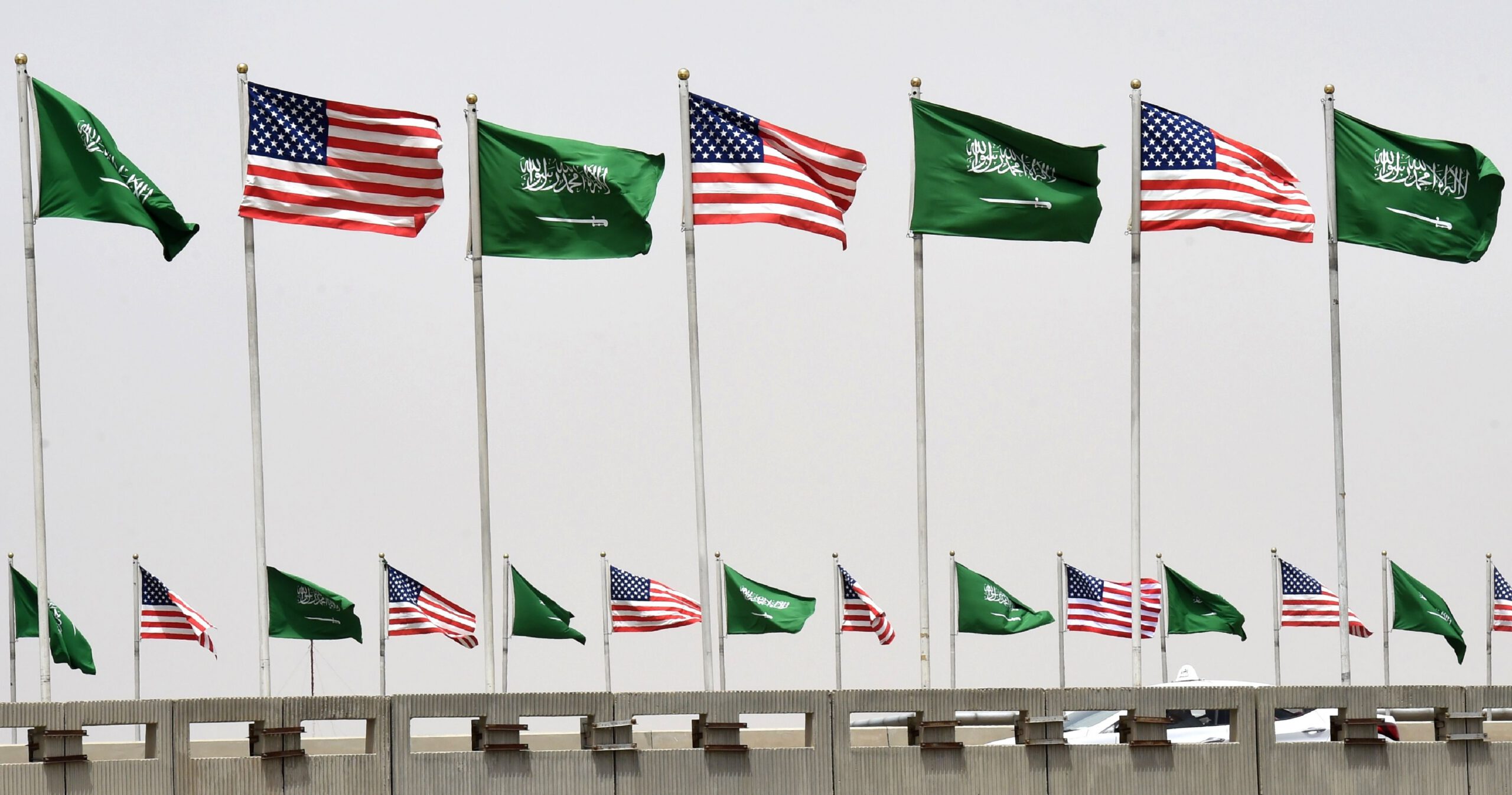
One of the strategic thrusts of the opening months of Trump’s second terms has been aimed at deepening America’s economic engagement with the leading economies of the Gulf. Thus, the first leg of his trip to the region resulted in a template for deeper US-Saudi ties.
This week, US President Donald Trump makes his inaugural visit to the Middle East since the start of his second term, traveling to Saudi Arabia, Qatar, and the United Arab Emirates on May 13-16. Amid the heightened focus on US policy toward the Middle East, MEI’s experts take stock of Trump’s trip to the Gulf, how his administration has shaped its approach to the wider region in its first several months, and how regional actors are responding to the policies coming out of Washington.
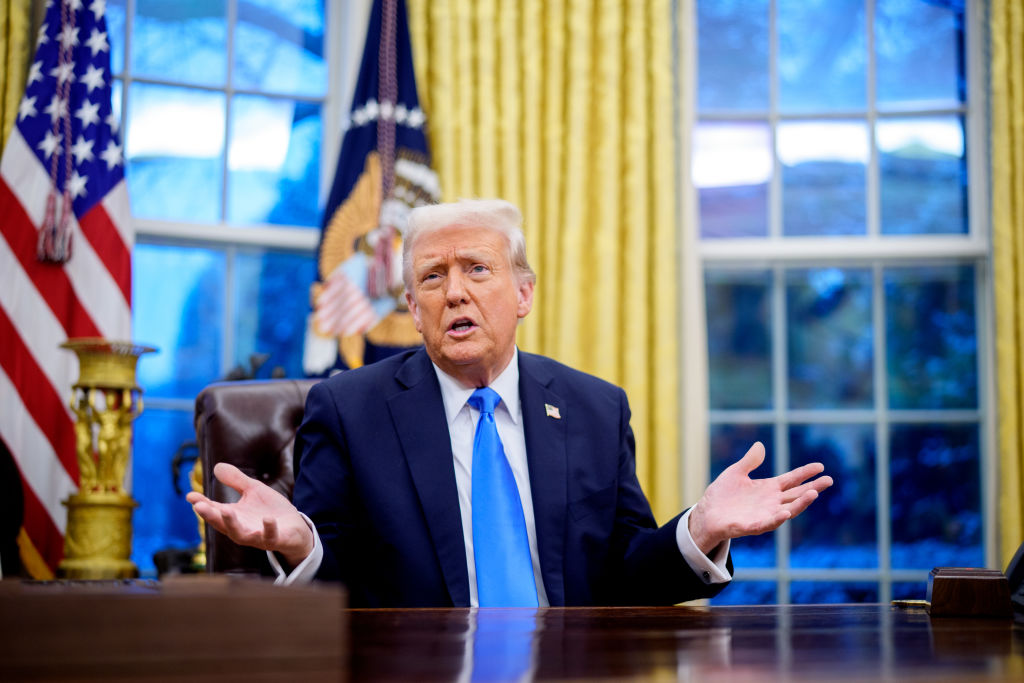
President Donald J. Trump’s trip to the Middle East on May 13-16 comes on the heels of more than three months of whirlwind activity in US foreign policy where the region has been a higher priority than it was in the early months of the previous US administration. The US president has gained attention by proposing some provocative ideas and his team has made some signs of progress in talks with Iran, but thus far the second Trump administration has produced very few tangible advances for stability, prosperity, and progress in the Middle East. The following report assesses the US government’s actions on Middle East policy over the past three months, from late January to late April 2025.
As Saudi Arabia accelerates its transformation into a global technology powerhouse, the United States has a pivotal opportunity to redefine its partnership with the kingdom. Moving beyond the traditional oil-for-security framework, a new partnership centered on artificial intelligence and digital infrastructure can anchor US-Saudi relations in the 21st century.
Trump’s domestic political support craters at the 100-day mark before his Middle East trip
President Donald Trump reached the 100-day mark in his second term this week seeing a sharp drop in his domestic political standing. This comes less than two weeks before Trump embarks on a key Middle East trip to the Gulf. The administration may be looking to the presidential visit as a chance to achieve some progress, but the region remains fraught with uncertainty and US policy in the Middle East rarely provides domestic political dividends.
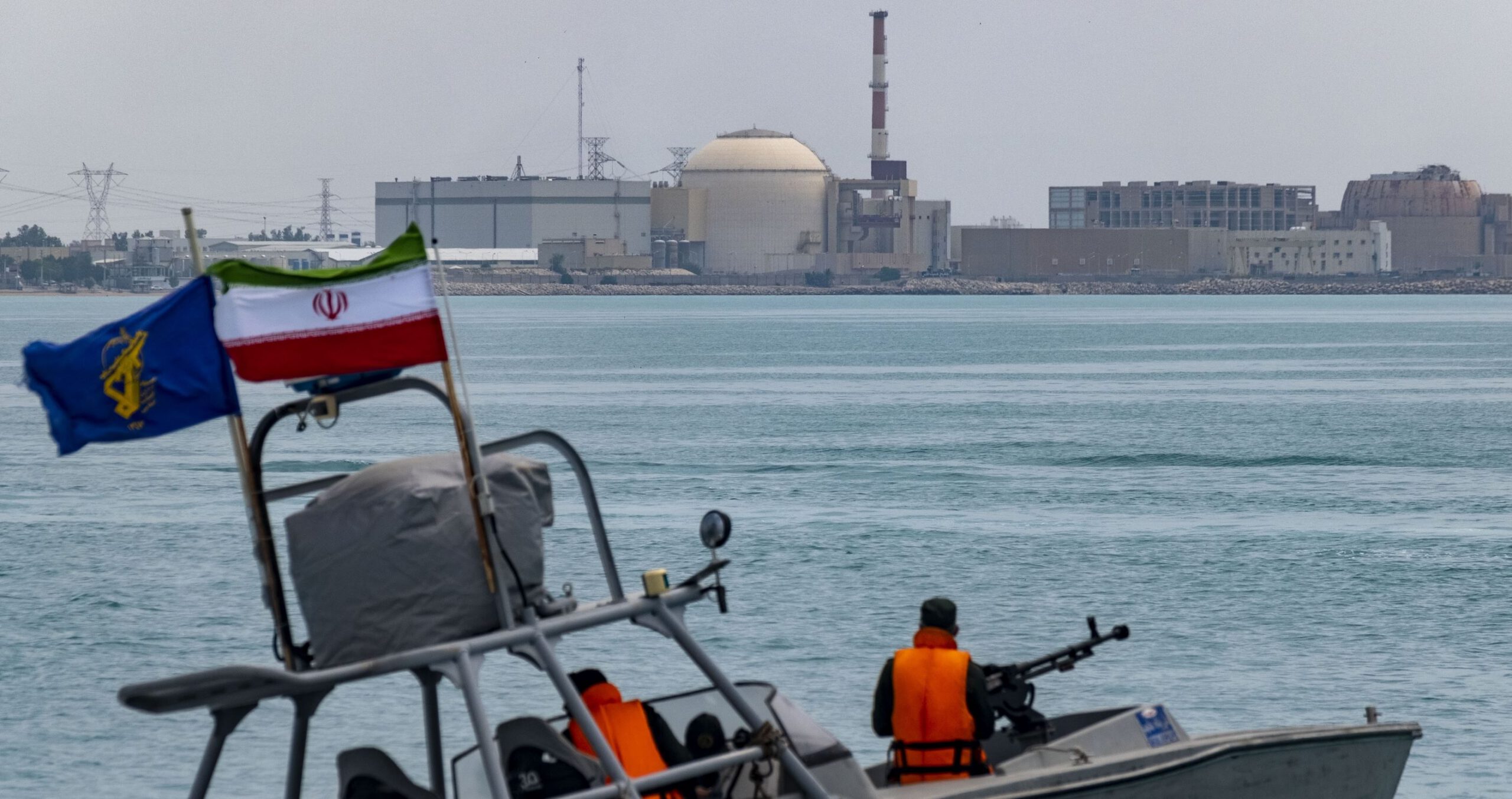
Iran appears to be reorienting its approach to diplomatic engagement with its neighbors and the West by prioritizing the economic benefits of cooperation. A possible withdrawal of support for the Houthis is the latest significant potential outcome of Iran’s shifting stance. The following are five factors to watch for as a Tehran under duress reformulates its policies.
Could Russia support US-Iran negotiations? The risks outweigh the benefits.
President Donald Trump wants a deal with Iran. Russia has offered to mediate. But an agreement negotiated by Moscow would turn the Middle East upside down as well as negate years of Western efforts to impede and deter further aggression by the Kremlin.
Thinking the unthinkable: Improved US-Iran relations under Trump?
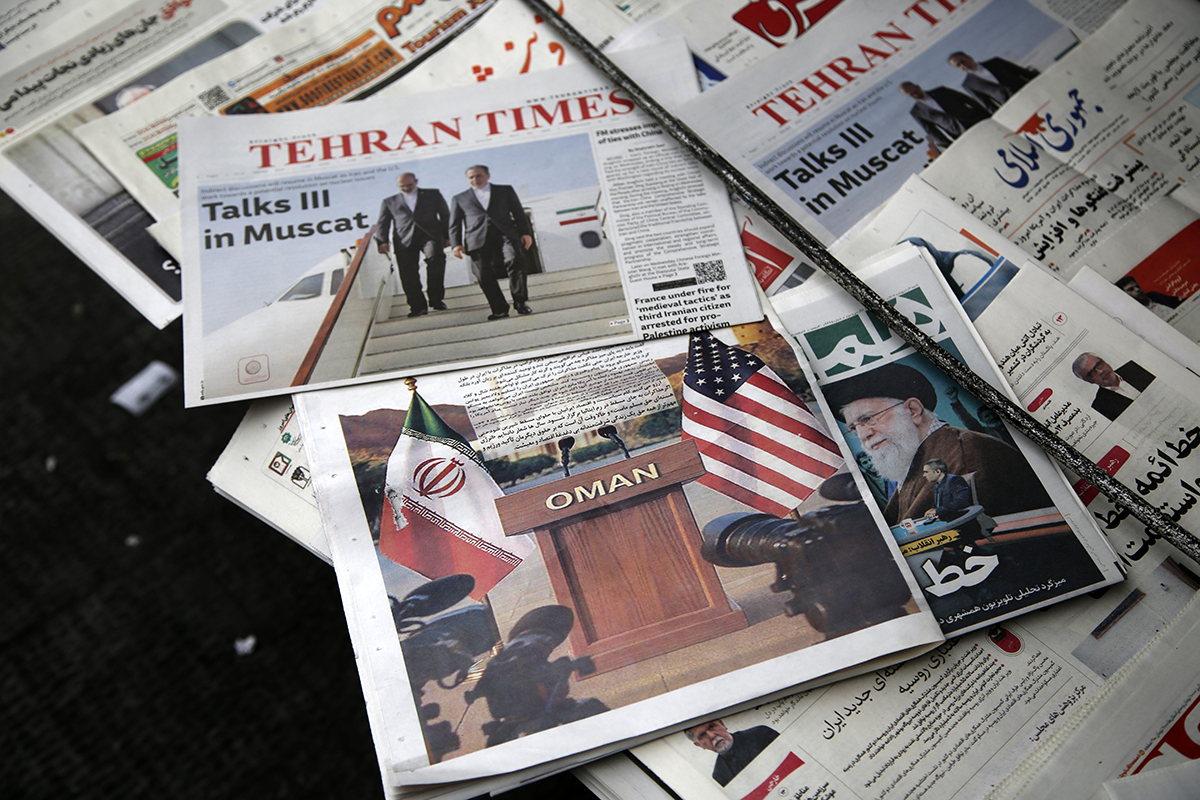
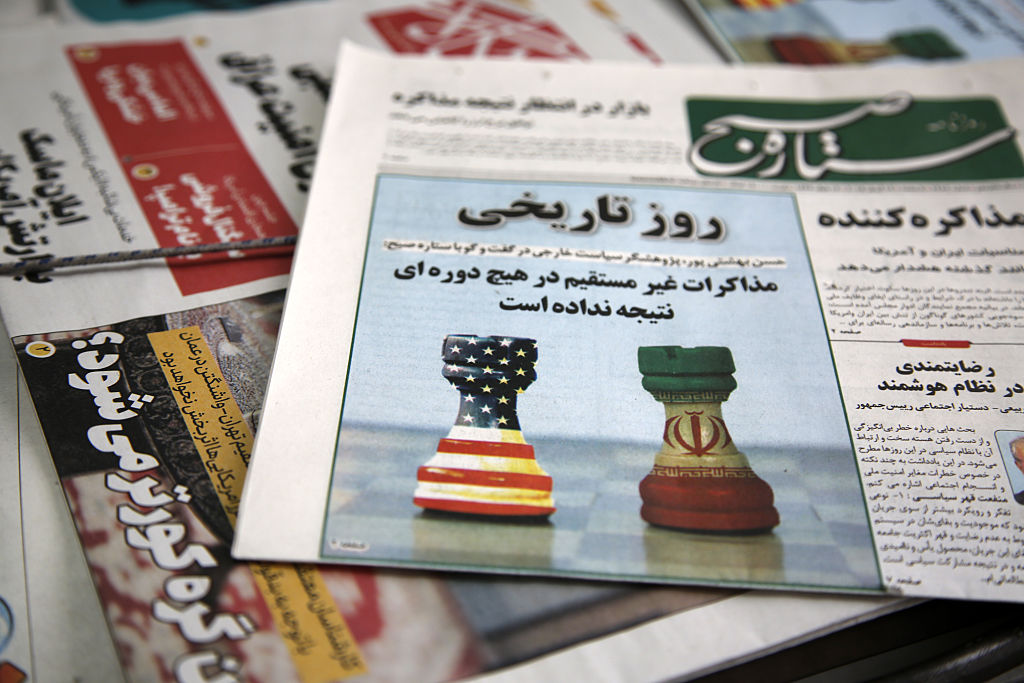
It is no surprise that both Iran and the United States have approached their first diplomatic engagement in four years with wariness. There are plenty of reasons to be skeptical about the probability of the negotiations culminating in a deal. But it would be a mistake to assume that the conditions in 2025 are the same as existed in 2015. Time is not on the Iranians’ side now and changes afoot in the Middle East and the broader global community give Iran an incentive to move toward an agreement, assuming that Washington is sincere and realistic in its negotiations with Tehran.
Three issues to watch in Trump’s emerging Iran policy approach
The biggest development this past week in the Middle East policy of Trump’s second administration was the initiation of talks between the United States and Iran. This small sign of hope for diplomatic progress comes at a time when the administration continues to implement an assertive and unpredictable economic unilateralism that has roiled global markets and reduced trust and confidence between the United States and most close international partners. Brian Katulis unpacks three things to watch closely as Trump’s Iran policy evolves and his broader national security approach unfolds.
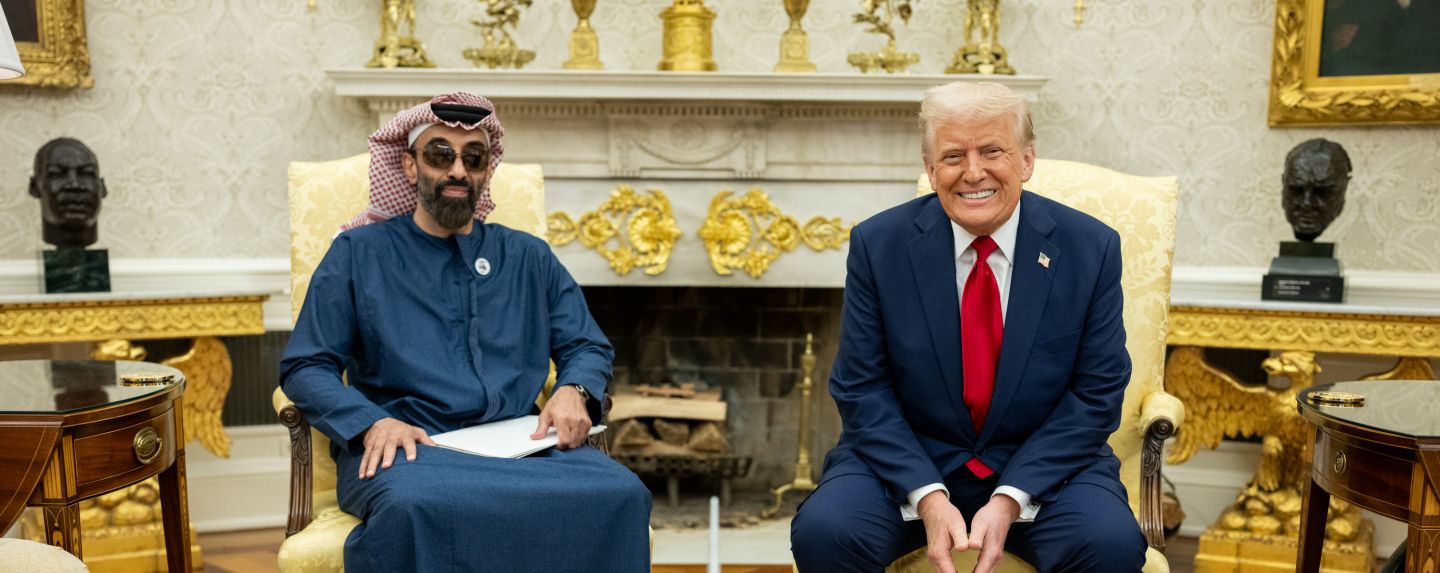
Sheikh Tahnoon in Washington: UAE-US relations reimagined for the 21st century with technology at the core
Sheikh Tahnoon bin Zayed, the United Arab Emirates’ national security adviser and a central figure in its tech and security landscape, visited Washington for high-level engagement with President Donald Trump’s team late last month, signaling a transformative shift in UAE-US relations.
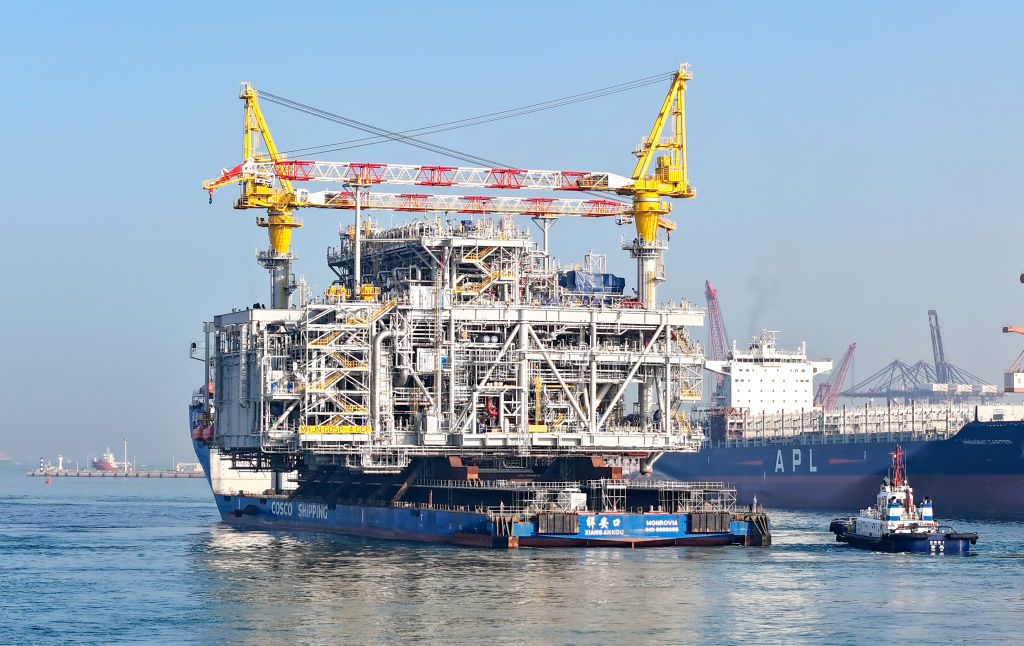
MENA Energy Recap, Q1-2025: Tariffs and Sanctions Loom Large as Trump Returns
The MENA Energy Recap is a quarterly review of key energy developments that took place in the Middle East and North Africa region from January to March 2025 and what they signal for the months ahead. The Recap views these developments through the lenses of policy and strategy, energy security, and markets.
Trump’s upcoming Middle East trip presents opportunities at a time of increased risks
President Donald Trump confirmed this week that he plans to travel to Saudi Arabia and other Middle East countries later this spring. This visit will bring the region into sharper focus at a time when Trump’s priorities have focused closer to home and on his unique brand of economic warfare.
The first two months of Trump 2.0 in the Middle East: Hard push for elusive breakthroughs
President Donald Trump is focused on realizing two transformative breakthroughs that his predecessors failed to accomplish: an end to the Arab-Israeli conflict, centered on a tripartite US-Saudi-Israeli deal, and an agreement between the US and Iran. Both would be historic achievements. So far, however, progress in each case has proven difficult and plodding.
Iran is accumulating enough near-weapons-grade enriched uranium to build a nuclear weapon within weeks or months, not years. President Donald Trump, having withdrawn the United States in 2018 from the nuclear deal that would have postponed that possibility, is now appealing for negotiations with Tehran. But in the Middle East, the nuclear question does not concern only Iran.
Roadmap for America’s Leadership in AI Action Plan
In response to the request for information (RFI) from the National Science Foundation (NSF) and the Office of Science and Technology Policy (OSTP) regarding the “Development of an Artificial Intelligence Action Plan” in support of the objectives set forth in Executive Order (EO) 14179, the Middle East Institute (MEI) offers five recommendations to solidify the United States’ position as the global leader in AI innovation while addressing critical ethical, regulatory, and infrastructural imperatives.