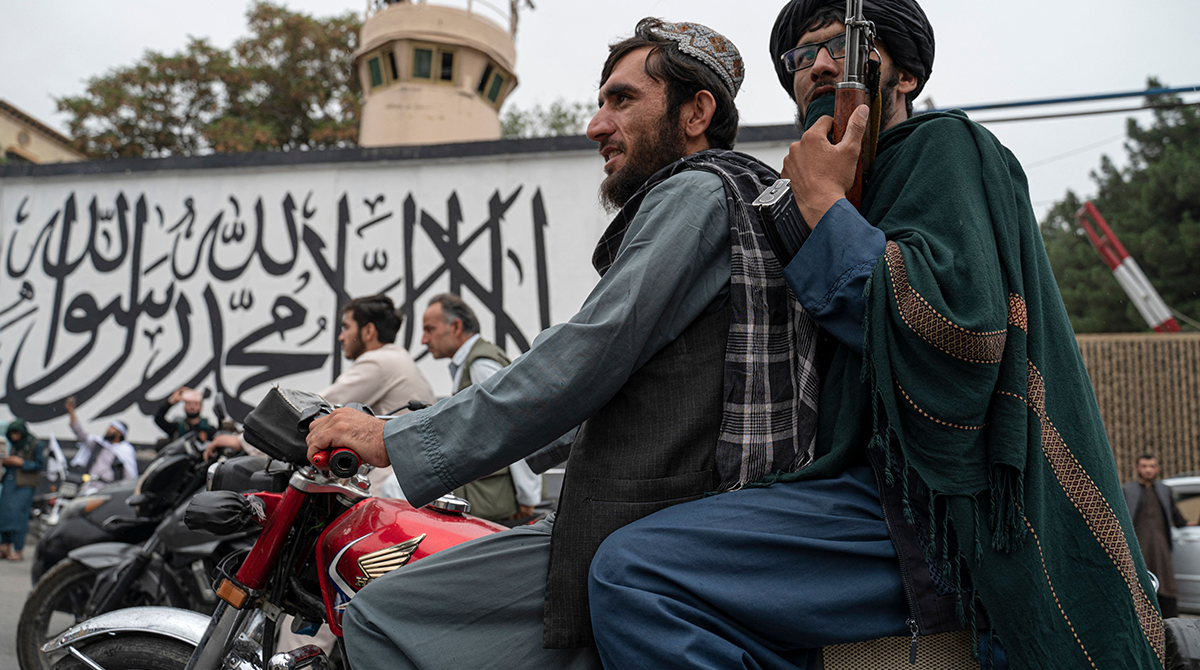
A Reassessment of American Policy Toward Taliban Afghanistan
It has been long enough since the Taliban seized power in Afghanistan in August 2021 for us to reach some conclusions about how the regime intends to govern and the policy options this presents. For a variety of reasons the U.S. now finds itself drawn into several areas of policy in Afghanistan and trying to decide what form and degree of engagement with the Taliban government can best advance American interests.
Fish Farmers in the Nile River Delta: Empty Lakes and Dirty Waters
Egyptian fish farmers are facing mounting pressures: Year after year, their fish are getting smaller and less healthy, their production decreases, and they are forced to take out loans they are later unable to pay back. The Egyptian government’s recent efforts to invest heavily in aquaculture, though intended to address future food shortages, may only worsen the position of local fish farmers in the Nile Delta by exacerbating the effects of urbanization and climate change while undercutting prices.
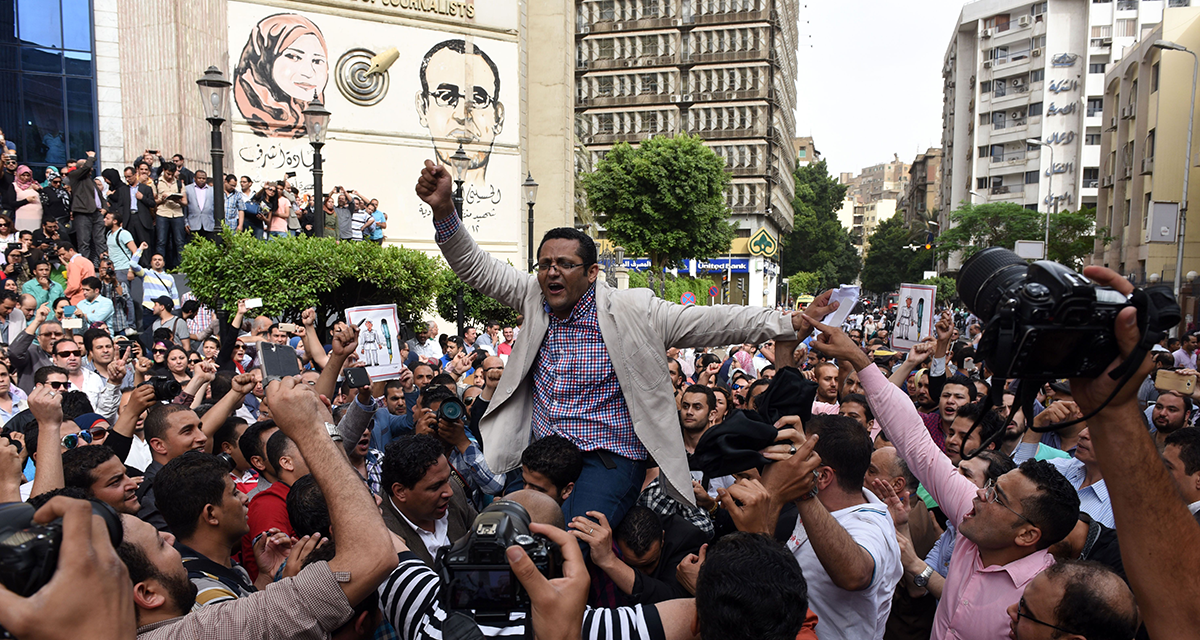
Press Syndicate elections provide a rare chance for Egypt’s journalists to celebrate
Since Egyptian President Abdel-Fattah el-Sisi took office nearly nine years ago, placing all forms of media under total state control has been a top priority. So when seasoned opposition journalist Khaled el-Balshy narrowly won the Egyptian Press Syndicate election on March 17, it was considered a major surprise, and provided a glimmer of hope for weakened opponents that they could still challenge the heavy-handed tactics of the state.
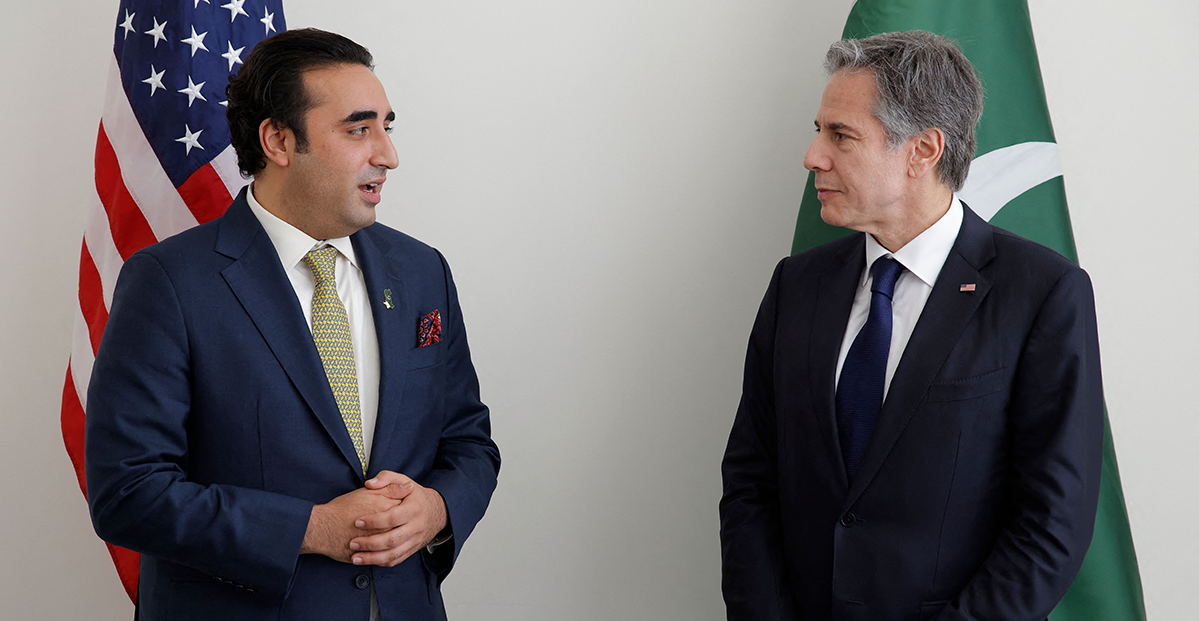
The multipolar moment has arrived in Pakistan’s backyard. Like China and India, Pakistan too is attempting its own geopolitical rebalancing. It seeks to revive ties with the United States and other Western countries. This pivot to the West comes after an earlier one to the East that began more than a decade ago. But, like the previous pivot, Pakistan’s efforts to rekindle ties with the West are unlikely to succeed unless it embraces the imperatives of economic reform and political stability.
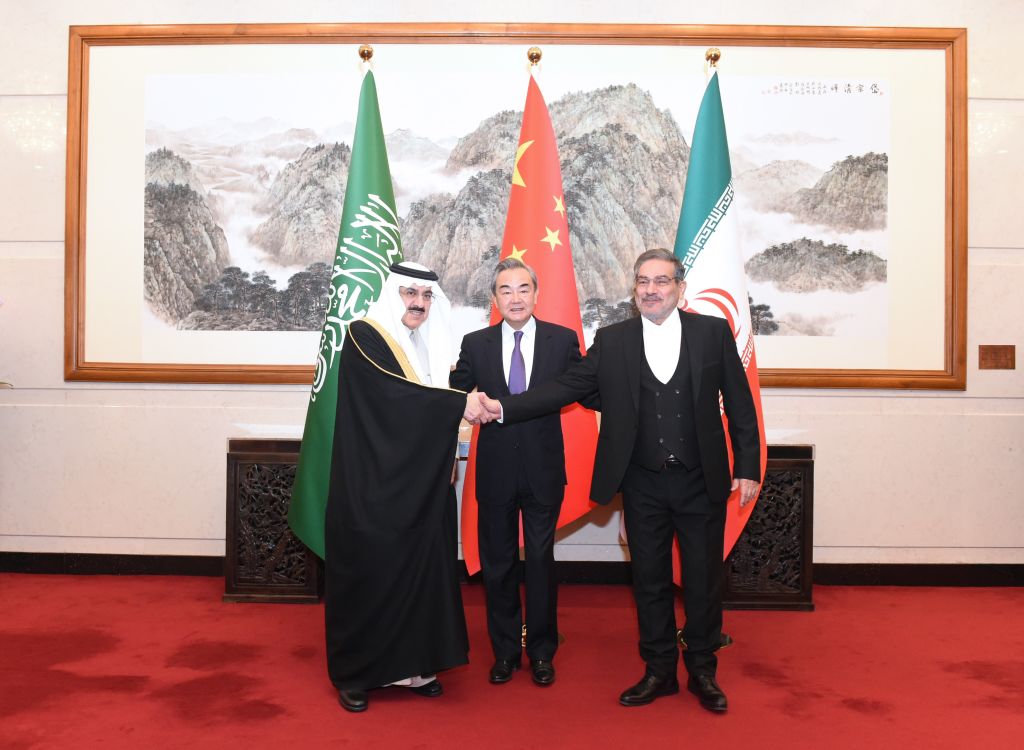
Unexpected beneficiary: The implications of the China-brokered Saudi-Iran deal for Pakistan
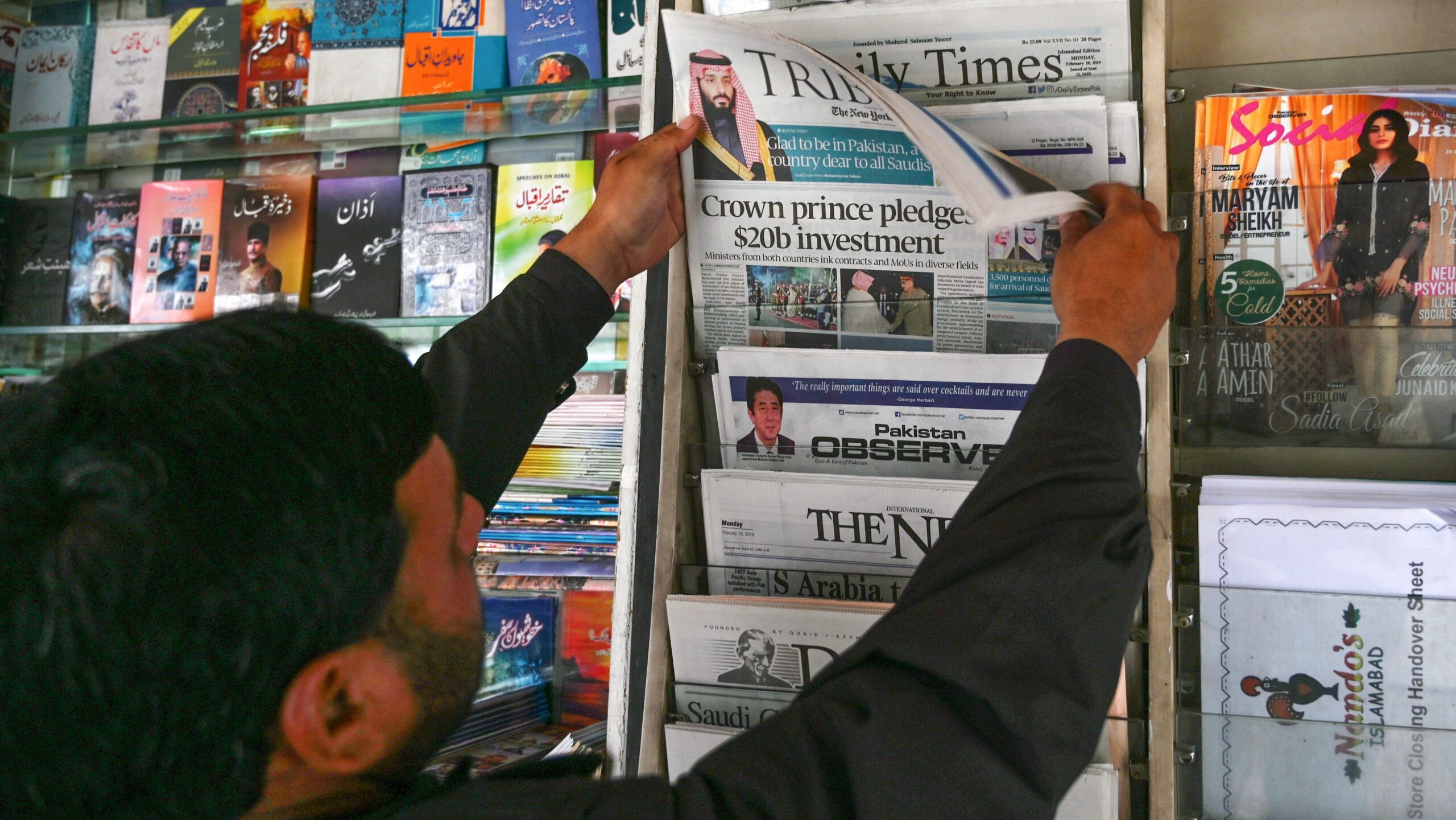
The implications of the apparent rapprochement between Saudi Arabia and Iran are likely to have significant consequences for vital neighboring regions like South Asia and other populous Muslim countries, including, notably, Pakistan.
Arab women break boundaries and stereotypes in Middle Eastern militaries
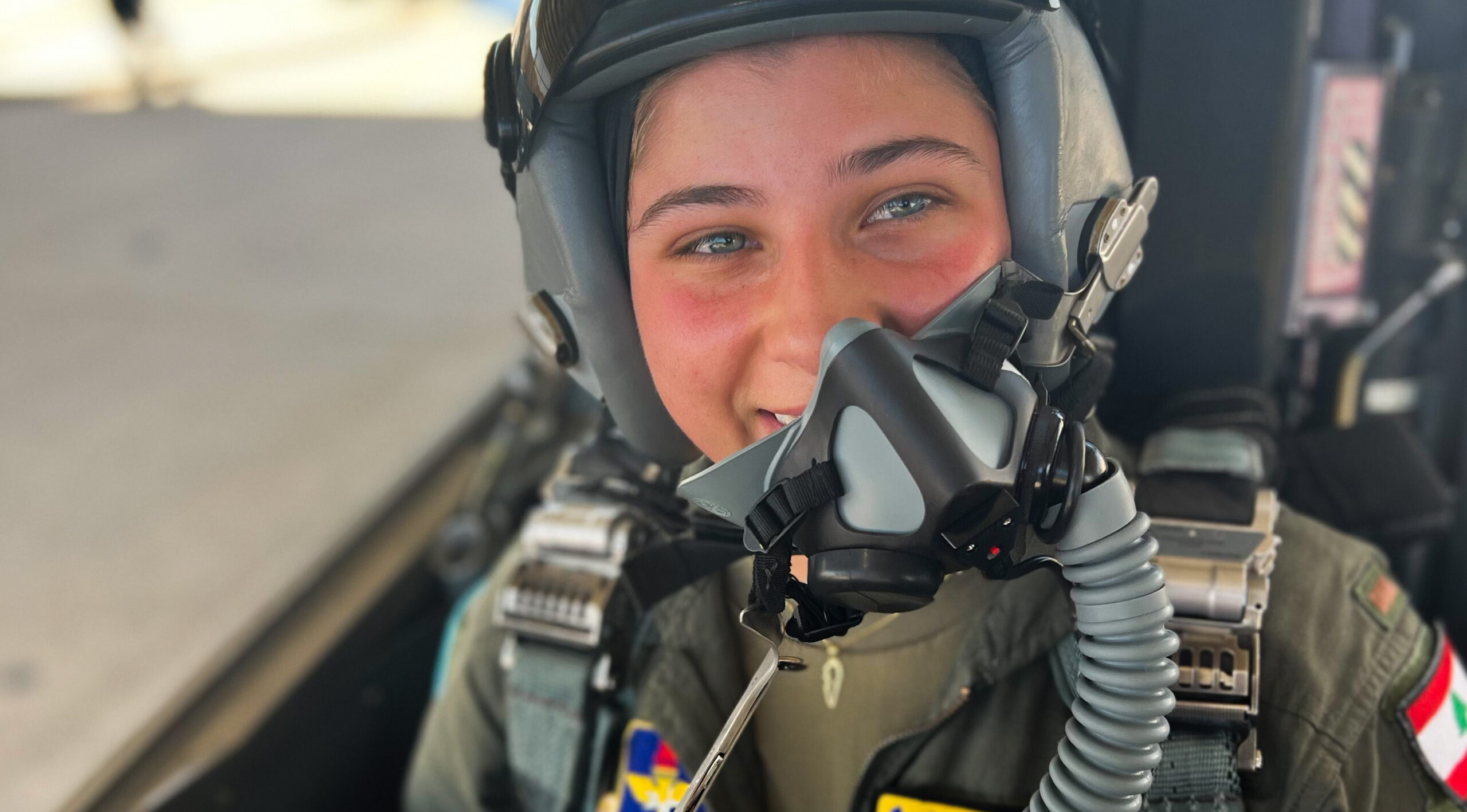
As Women’s History Month in the U.S. draws to a close, women in the armed forces of several Middle Eastern countries continue to achieve historic milestones, with many now serving as pilots, engineers, peacekeepers, and in special forces units. The role of women is steadily increasing as the result of new initiatives, policies, and gradually changing mindsets in the Middle East.
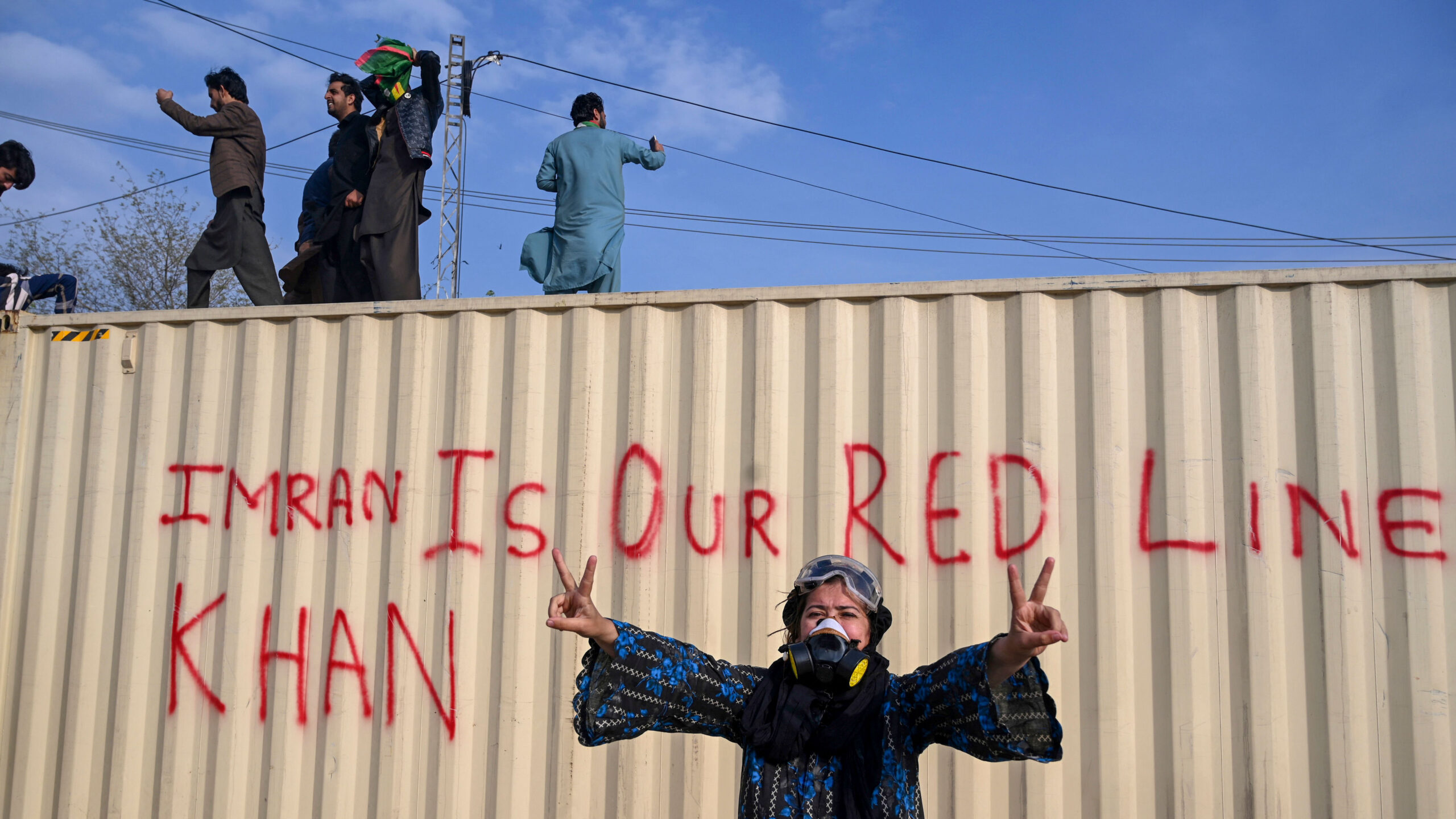
Pakistan’s democratic dilemma at the edge of a political precipice
The ongoing conflict in Pakistan between Imran Khan’s Pakistan Tehreek-e-Insaf (PTI) and Prime Minister Shehbaz Sharif’s coalition government has escalated to new heights, widened the political chasm even more, and multiplied social fragmentation in the face of public hostility to state institutions. It has also increased the likelihood of anarchy and civil war.