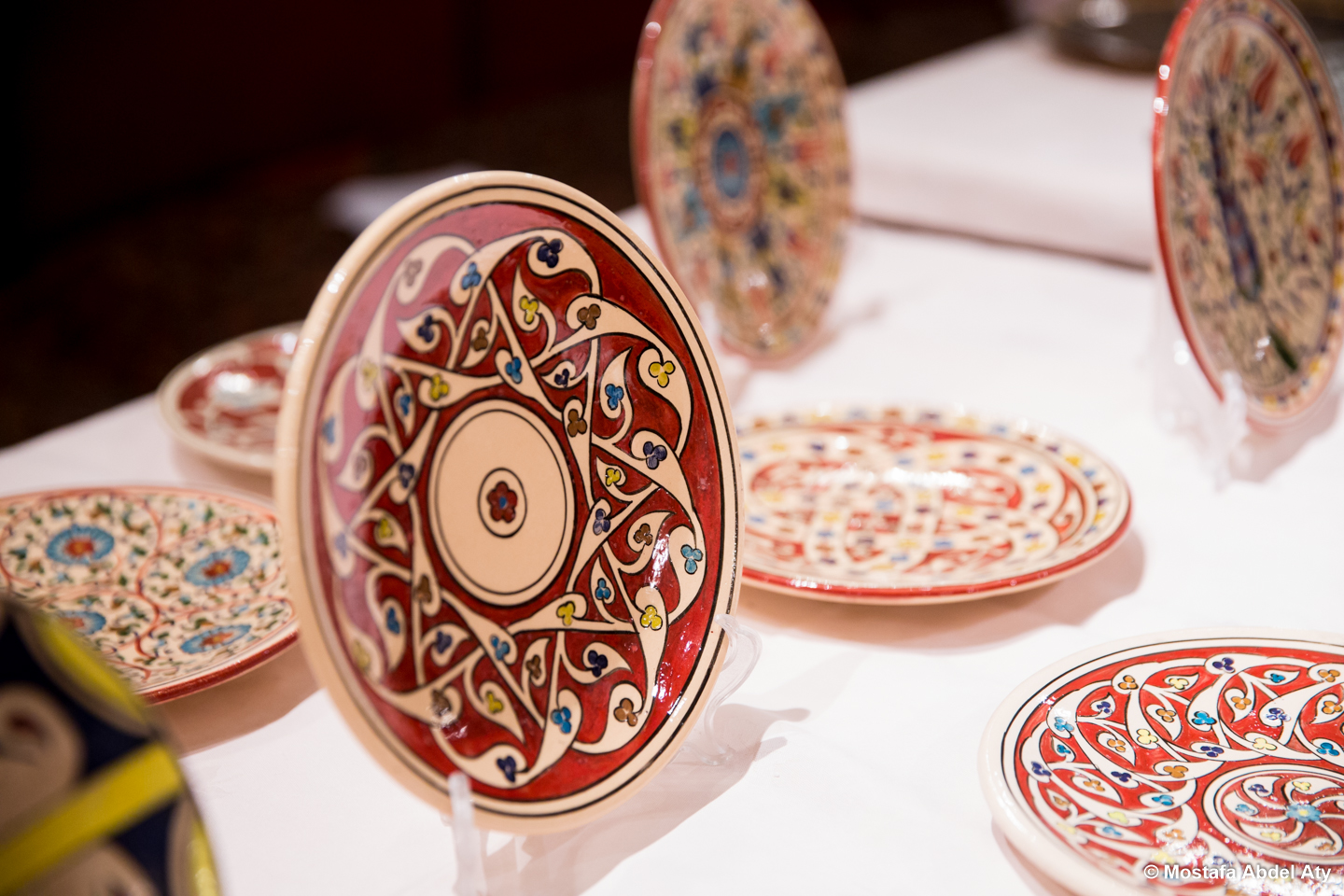
Safeguarding and celebrating Egypt’s traditional crafts
Accomplished craftspeople are a dying breed in Cairo, but Jameel House of Traditional Arts and Atelier Cairo are working to change that by training a new generation of artisans in traditional media like ceramics, wood, brass, glass, and gypsum work (stucco), helping to replenish the stock of skilled Egyptian craftspeople and keeping rare and beautiful art forms alive.
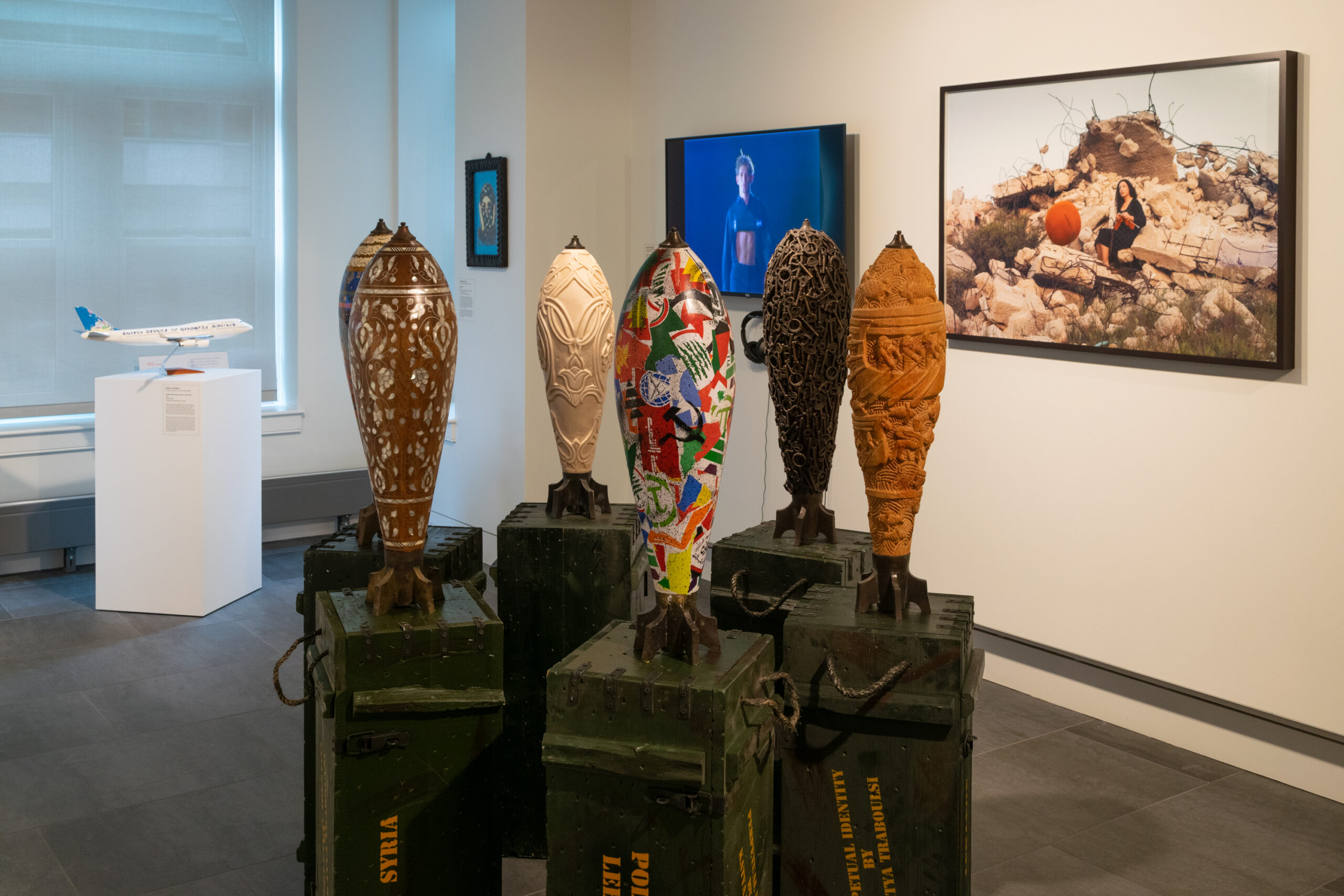
Perpetual Identities: Interview with Katya Traboulsi
Lebanese artist Katya Traboulsi joins guest host Lyne Sneige to discuss her art exhibition, Perpetual Identities, which consists of 22 hand-crafted replicas of bombshells used in the Lebanese civil war, each adorned with designs and iconography associated with the artistic traditions of 22 featured countries.
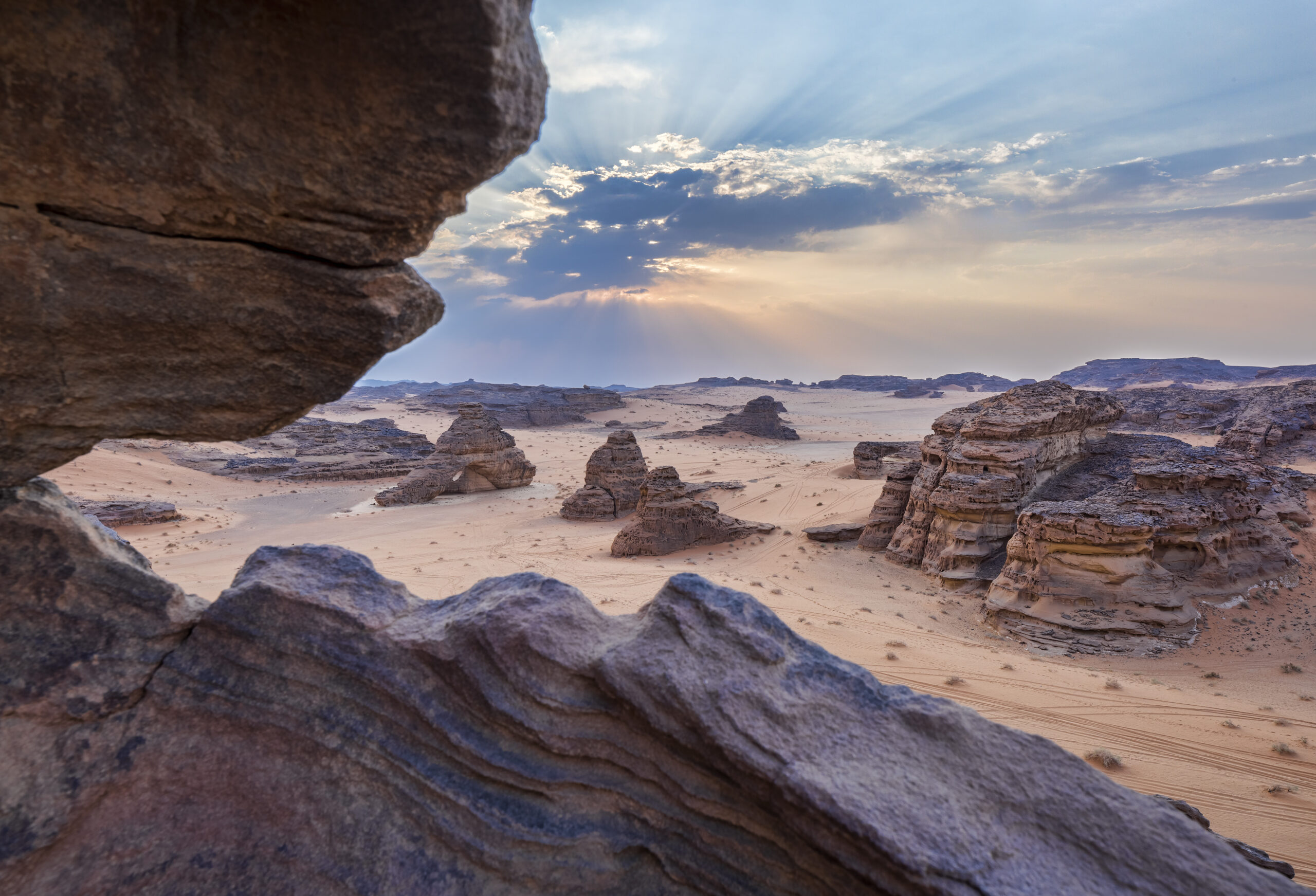
Saudi Arabia’s archeological treasures have long been hidden in plain sight, known mainly to the people living in their proximity and a handful of scholars. But five recent UNESCO World Heritage Site designations have highlighted the universal value of the country’s material legacy.
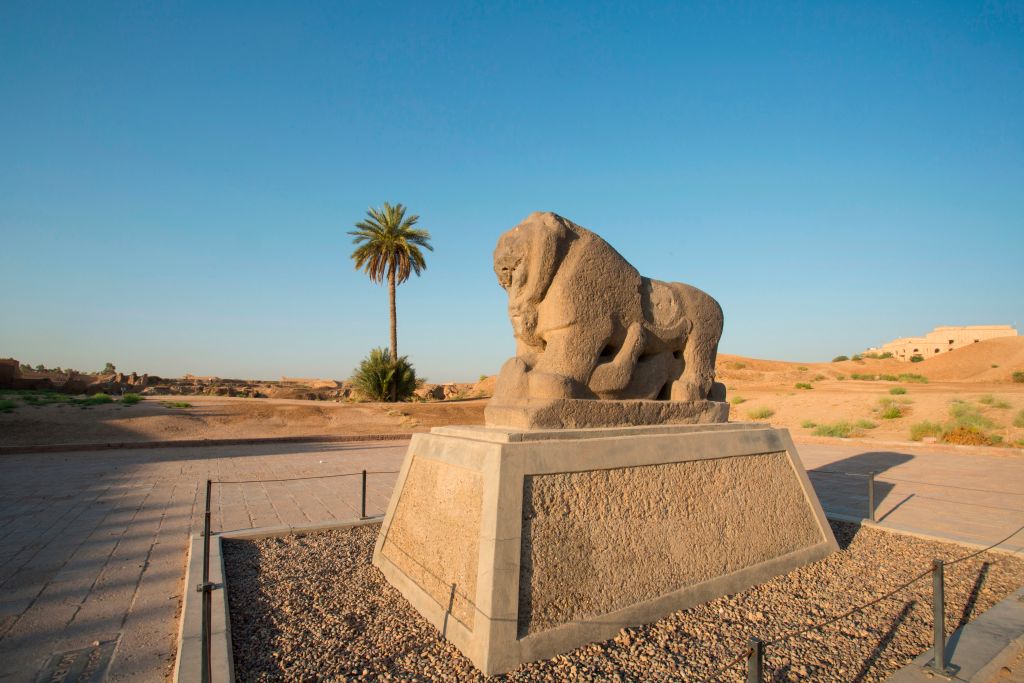
Iraq’s ancient city of Babylon gets long-overdue international recognition
Babylon has seen it all. From its peak as the Neo-Babylonian capital under King Nebuchadnezzar through its heavy-handed 1987 reconstruction by Saddam Hussein to its post-invasion demise when American and Polish troops ran roughshod over its ruins and ISIS threatened its very existence, the ancient city has witnessed empires come and go.
Arabicity: Bringing the art of the Middle East to Washington
Renowned curator Rose Issa joins MEI Arts & Culture director Lyne Sneige to discuss Arabicity | Ourouba, the inaugural exhibit of contemporary Middle Eastern art that premiered September 14 at the new MEI Art Gallery, and why an understanding of the region’s arts and culture are important to the policy discourse in Washington.
Messages for Peace: Iranian Artist Imprisoned for Music Releases New Album
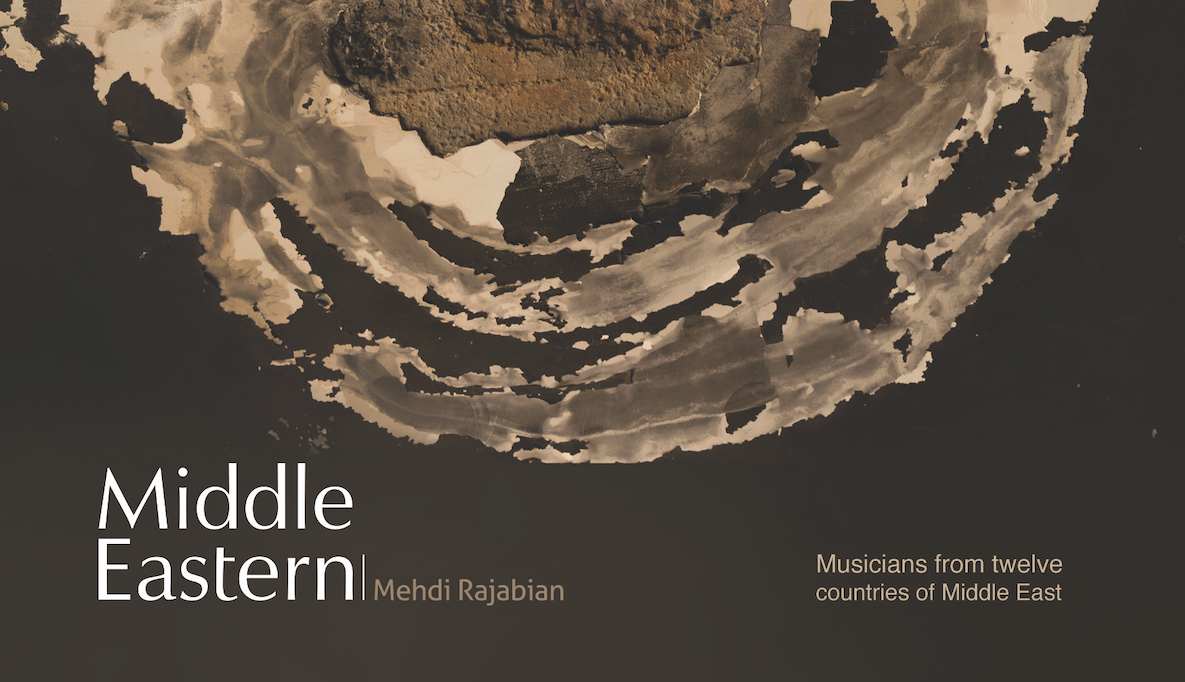
Revolutionary Guards came to Mehdi Rajabian’s door on October 5, 2013. His crime? Running a music production company — Barg Music — that the Iranian government deemed offensive to Islam and the regime. Barg Music worked with restricted artists in Iran, particularly women, who have been legally forbidden from performing solo since the Iranian Revolution.
Landscape, loss, and Palestinian identity: Intimate Terrains
Part survey show, part historical document, the latest exhibition at the Palestinian Museum just outside of Ramallah, “Intimate Terrains: Representations of a Disappearing Landscape,” covers work from the 1930s until today. The show explores how representations of landscape evolved over time via a selection of iconic, rarely seen works, and special commissions by artists from Palestine and its diaspora, encompassing painting, photography, installation, video and film, natural media, sculpture, and even an “intervention” in the museum’s gardens.
In 2014, a professor and former U.S. diplomat approached The Middle East Institute (MEI) with a remarkable offer: he would donate to MEI’s Oman Library nearly 20,000 meticulously annotated Kodachrome slides of photographs he had taken throughout the Middle East over half a century.
Larry Schwartz, former deputy assistant secretary in the State Department’s Bureau of Near Eastern Affairs, and Domenic DiGiovanni, vice president of Red Arch, join host Alistair Taylor to discuss the illegal theft and smuggling of cultural artifacts from the Middle East, and what regional governments and international partners can do to help preserve the region’s cultural heritage.
A tale fit for the silver screen: The rebirth of the Basrah Museum
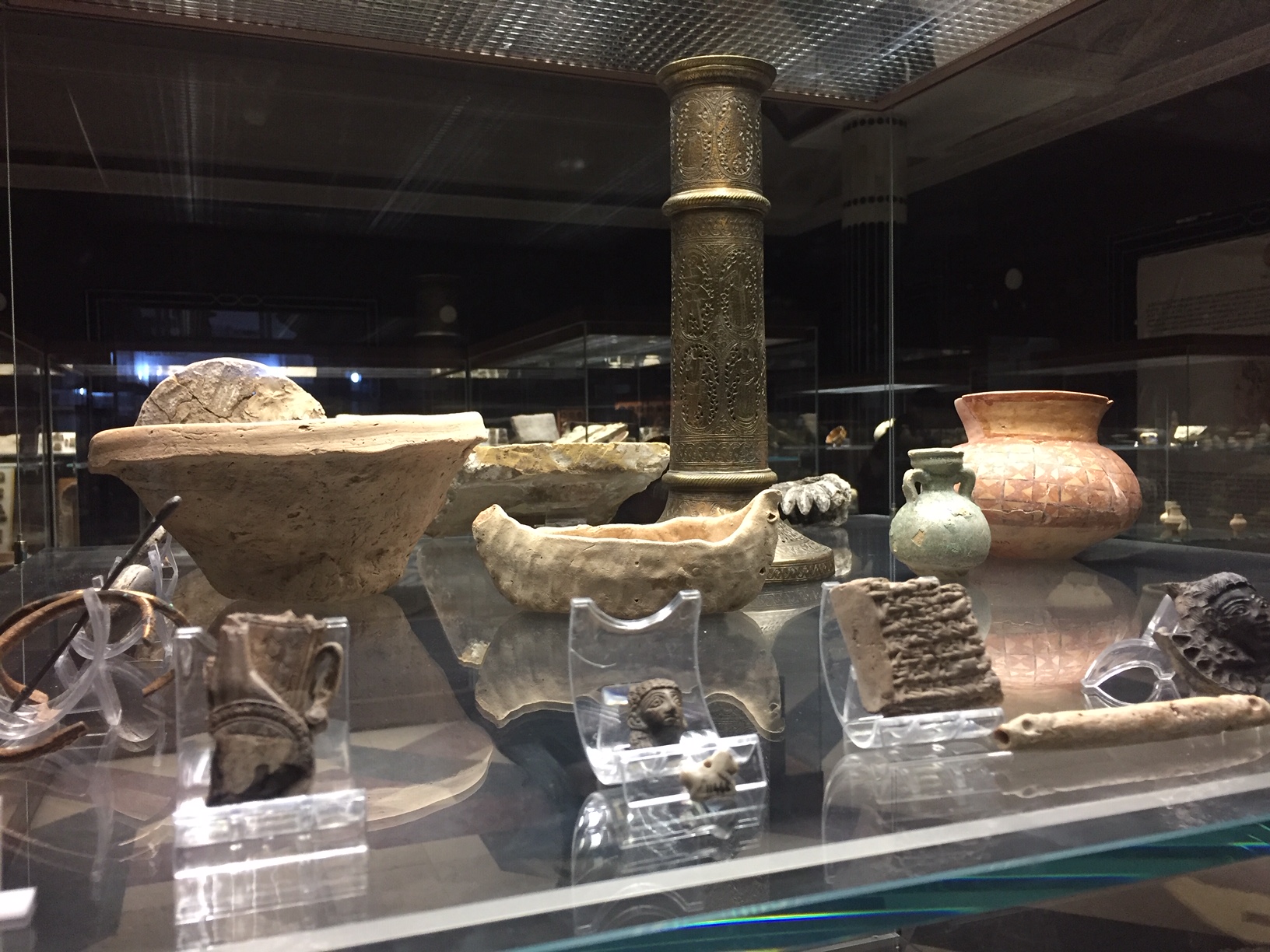
The story of the Basrah Museum, which opened three new galleries on March 19th after languishing for 28 years, is nothing less than cinematic. Read it here.
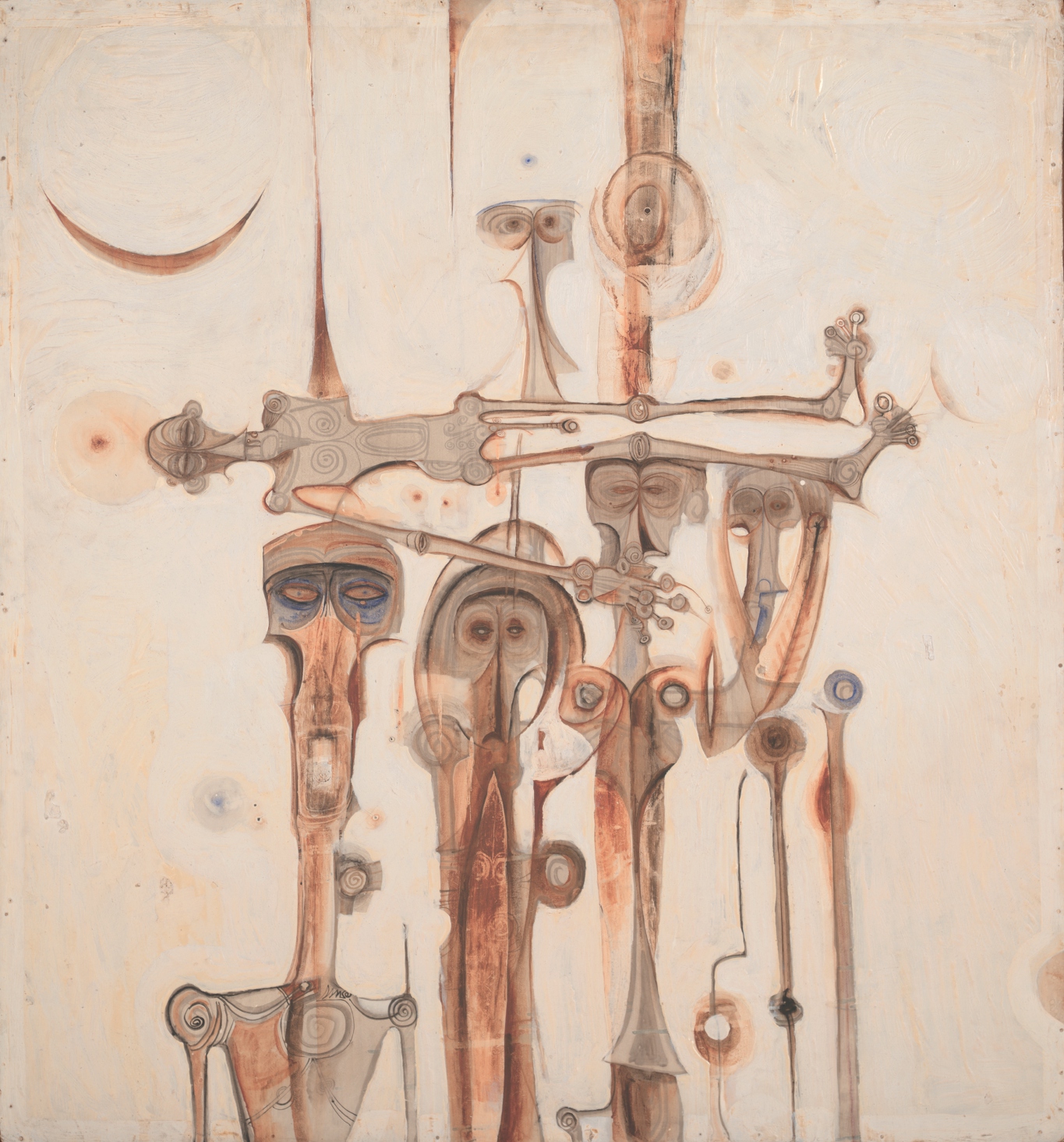
The works of Sudanese artist Ibrahim El Salahi were long overlooked by the international arts community. Today, his extraordinary works are recognized globally as defining works of African modernism and are housed in some the world’s most prestigious galleries, including they Tate Modern and the MoMA – all thanks to the tireless work of fellow Sudanese scholar Salah Hassan.
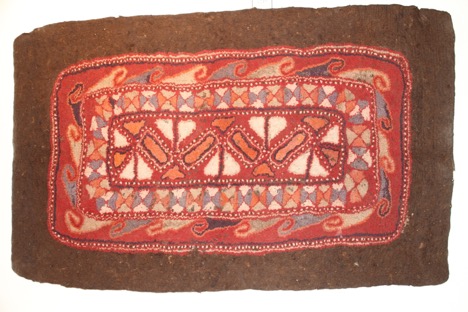
As Iraqi Kurds gain more autonomy than ever in modern history, they seem to be losing their cultural heritage. This is exemplified best by the disappearing tradition of Kurdish carpet weaving.
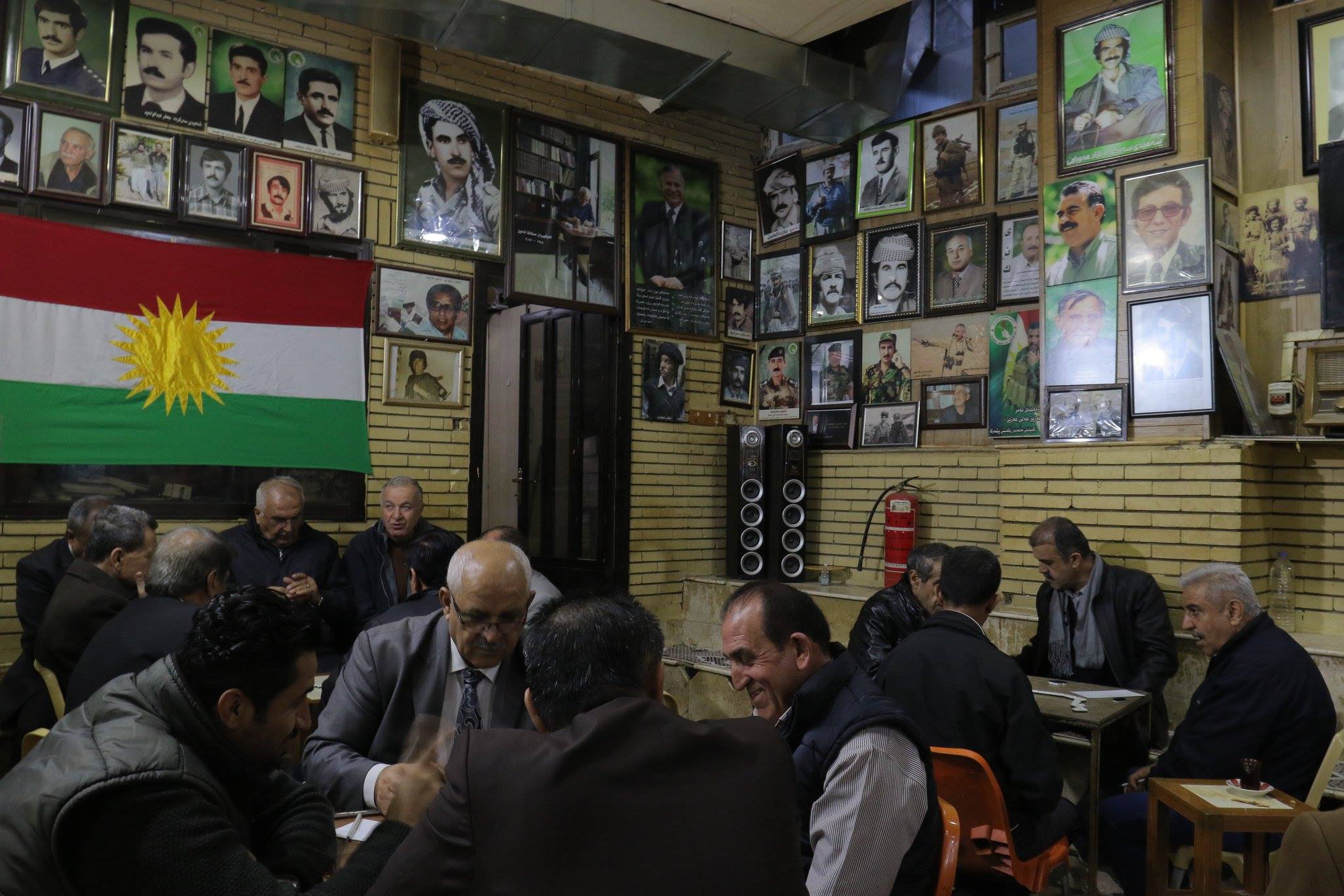
In Iraqi Kurdistan, there’s more than just tea brewing in the teahouse
Teahouses are at the heart of Kurdistan’s culture and are linked to the Kurdish collective memory of struggle and oppression, making them a central part of contesting narratives about progress, change, and tradition.
Antiquities trafficking and the battle to reclaim cultural heritage
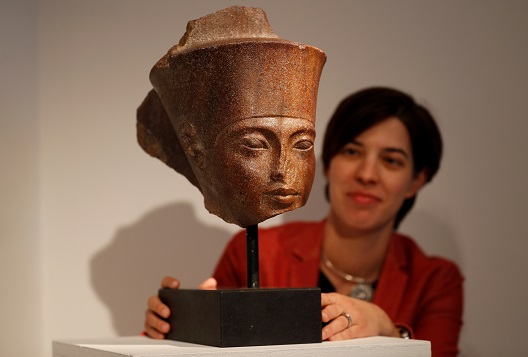
As long as there have been tombs, there have been tomb raiders. Today the plunder is taking place on an unprecedented scale, and the multi-billion dollar illegal trade has been used to fund groups such as ISIS. Brigadier General Fabrizio Parrulli of Italy’s Carabinieri Command for the Protection of Cultural Heritage, and Deborah Lehr, founding director and CEO of The Antiquities Coalition, join host Paul Salem to discuss the international efforts to crack down on antiquities trafficking.