Monday Briefing: New threats and a far more dangerous environment in Afghanistan
اقرأ تقرير MEI الأسبوعي الذي يتضمن تحليلات الخبراء للتطورات الإقليمية الرئيسية للأسبوع المقبل.
Charles Lister on what Afghanistan’s fall to the Taliban means for the future of al-Qaeda.
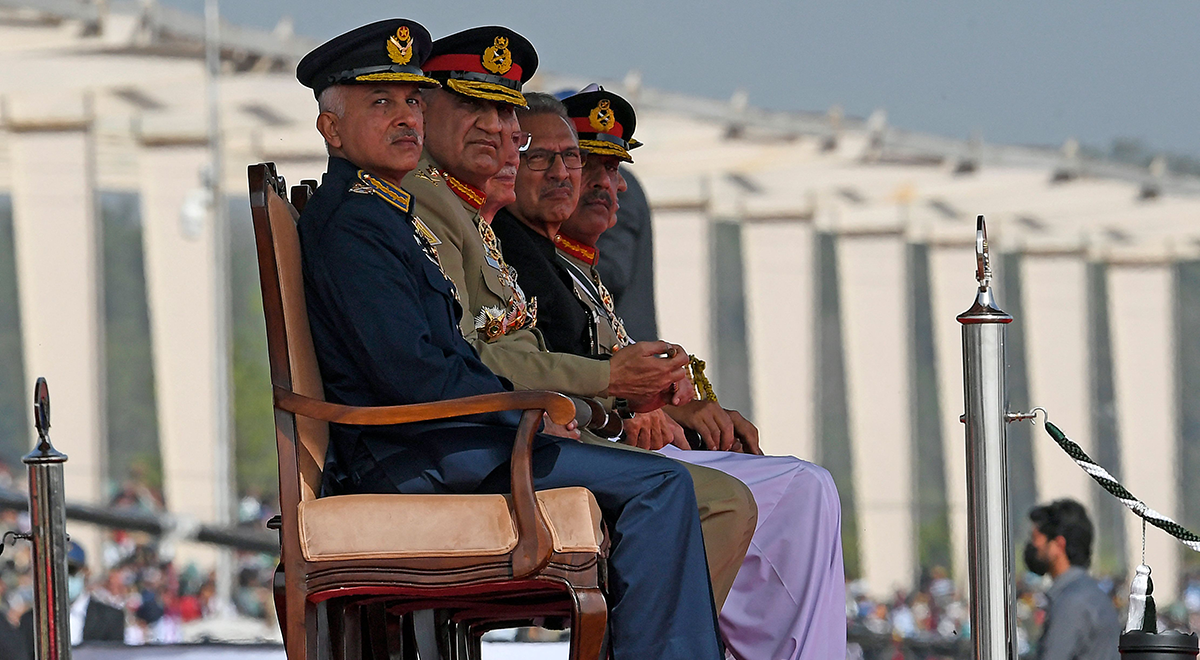
“You’re all going to die,” the diminutive, senior U.S. intelligence official observed in matter-of-fact fashion to her stunned Pakistan Inter-Services Intelligence (ISI) hosts. Her rather blunt appraisal was uncharacteristic of the engagement to which the senior Pakistani officials had grown accustomed and cut to the chase: the consequences of decades of Pakistan’s support to the Taliban, violent Kashmiri liberation groups, radical madrassas, and extremist local political groups were coming home to roost.
As Kabul falls to the Taliban, it’s safe to say that this is without a doubt the most significant day for al-Qaeda since 9/11. After two decades of relentless counterterrorism pressure from the United States and allies, al-Qaeda’s central leadership was in dire straits just weeks ago.
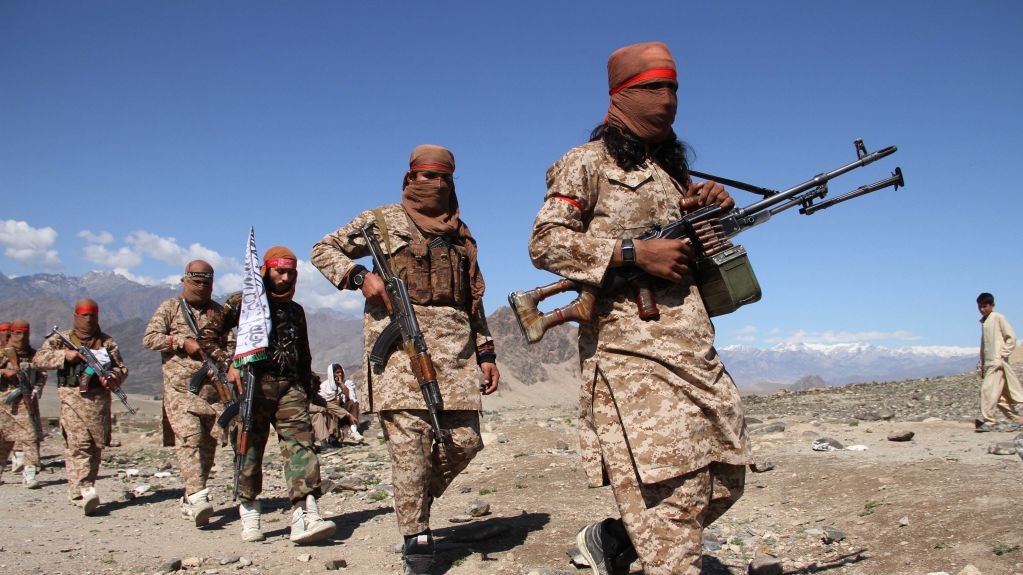
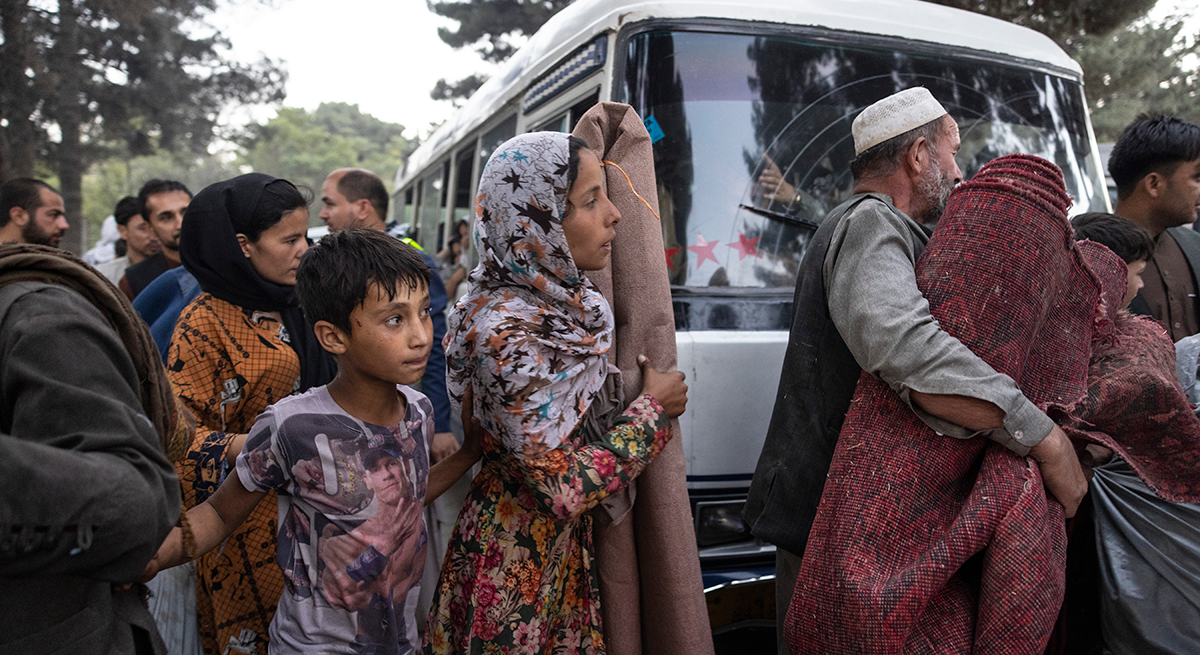
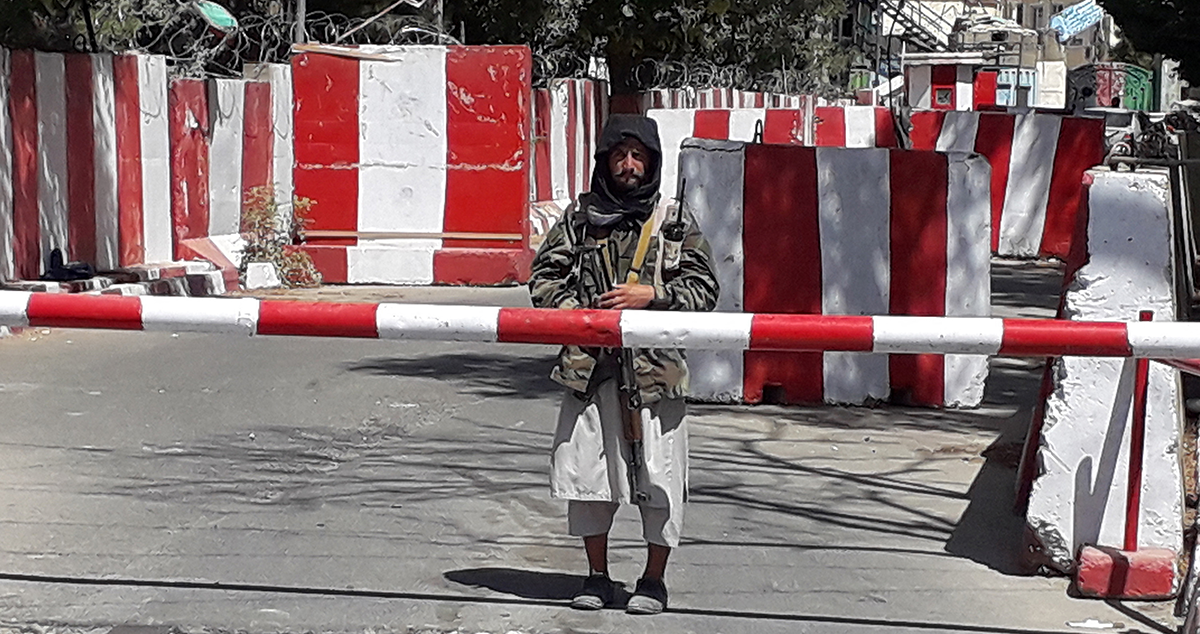
Weeks before the official U.S. military withdrawal, Afghanistan is unraveling rapidly as the Taliban continue their swift military advance. They now control more than two-thirds of the country and half of the provincial capitals. With the government’s hold on Kabul in doubt, the Biden administration has dispatched troops to evacuate U.S. citizens from the country. We asked experts and scholars from across MEI to weigh in with their thoughts on the situation and what it means for the country, the wider region, and key international players.
The Afghan government appears to be in a state of precipitous collapse. At least a dozen provincial capitals have fallen to the Taliban in a week. The Taliban now control around 66% of the country.
The debate about whether Afghanistan was worth thousands of U.S. lives and a trillion U.S. taxpayer dollars should have occurred before those lives were lost and the money was spent. The decision to pull out our remaining 2,500 troops was made after all of that was done. That minimal number of troops preserved everything we fought for in the last two decades. We had significantly reduced the risk to our forces and the expense to the U.S. taxpayer.
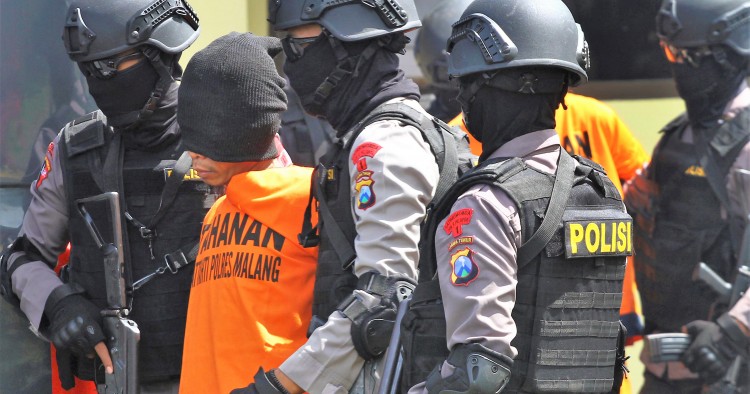
Despite being largely low-key and limited in nature, ties between pro-Al Qaeda jihadists operating in Indonesia and Syria respectively continue to exist. Recent activity involving Jemaah Islamiyah (JI) and other militant Indonesian groups illustrates the potential security risks from this nexus, which should not be overlooked.
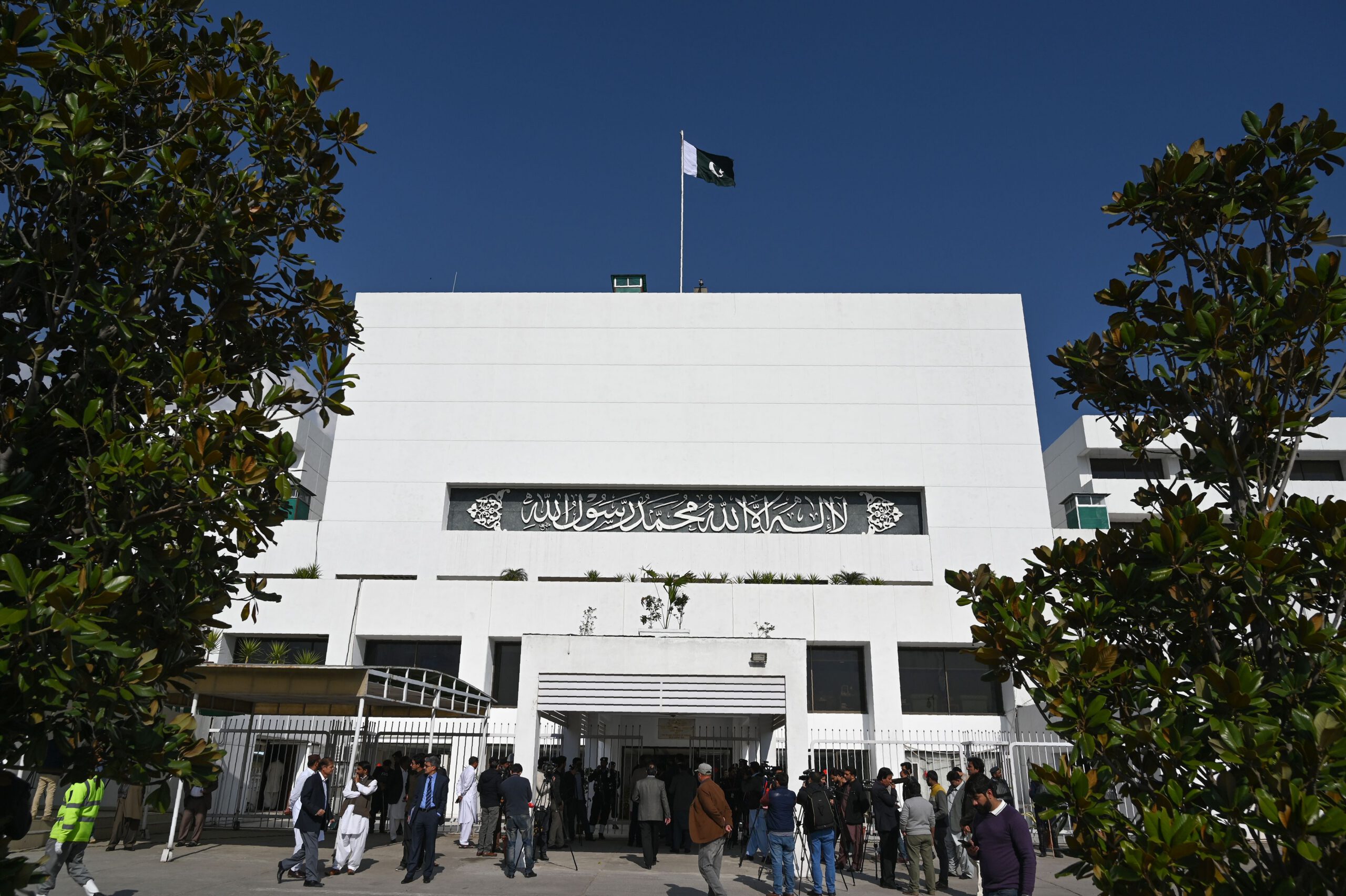
The United States and Pakistan have had a complex and often disappointing “love-hate” relationship since 1947 — one severely tested during the 20-year U.S.-led intervention in Afghanistan. We believe the time has come for serious policy consideration of whether and how both nations can achieve a more strategically beneficial and sustainable post-intervention relationship between the American and Pakistani governments and their populations
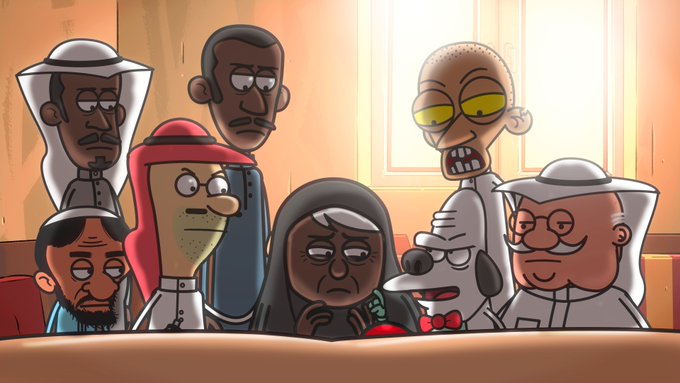
Masameer County, the Netflix animated television series taking Saudi Arabia by storm, reveals how the country’s creative class, over the last two decades, has posed awareness-raising questions while reevaluating the assumptions and terms used to discuss contentious social issues. This is not the Saudi Arabia of clerics, oil, and the royal family, but the one experienced by everyday people.
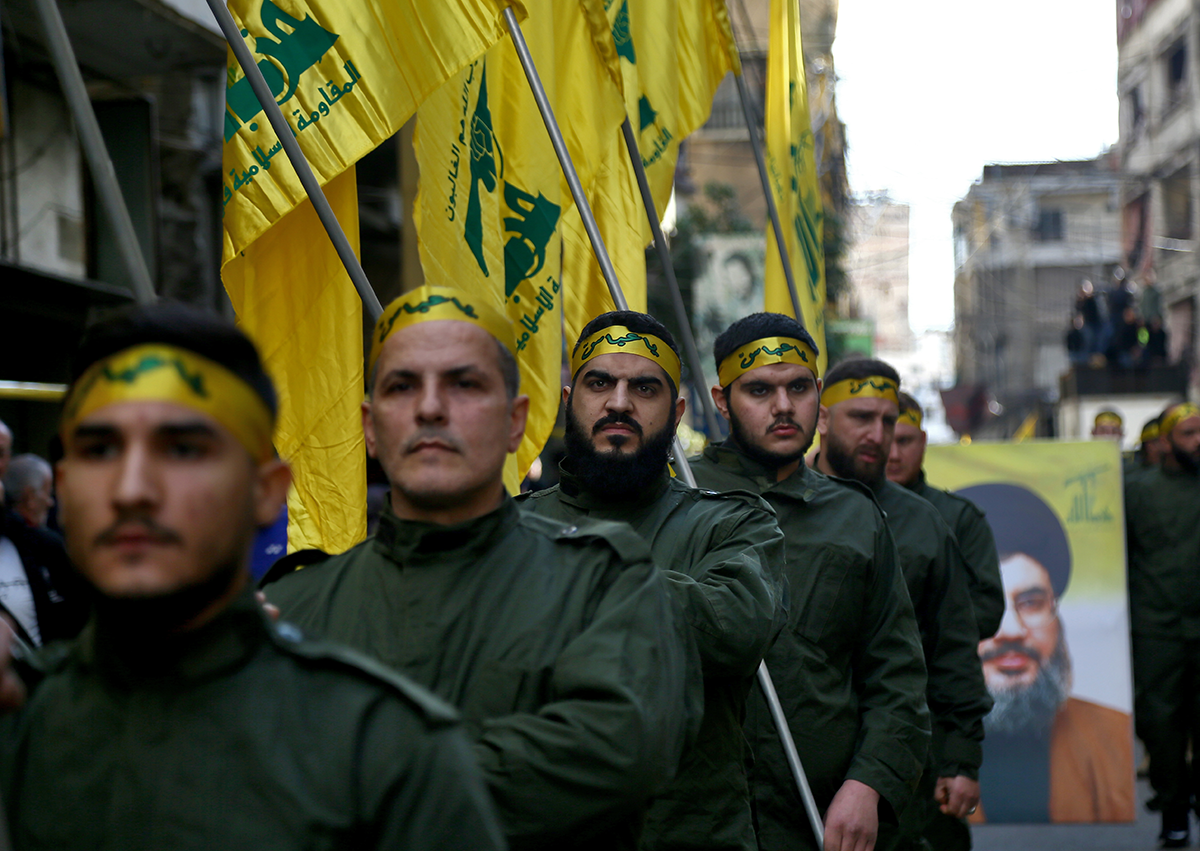
As a Lebanese actor ideologically tied to Iran, Hezbollah has multiple allegiances and objectives that do not always align symmetrically. Hezbollah’s regional activities are a reflection of the group’s increasingly close alignment with Iran, rather than the interests of the Lebanese state or citizenry. Today, Hezbollah’s regional adventurism is most pronounced in its expeditionary forces deployed in Syria and elsewhere in the region, but no less important are the group’s advanced training regimen for other Shi’a militias aligned with Iran, its expansive illicit financing activities across the region, and its procurement, intelligence, cyber, and disinformation activities. Together, these underscore the scale and scope of the group’s all-in approach to transforming from one of several Lebanese militias into a regional player acting at Iran’s behest.
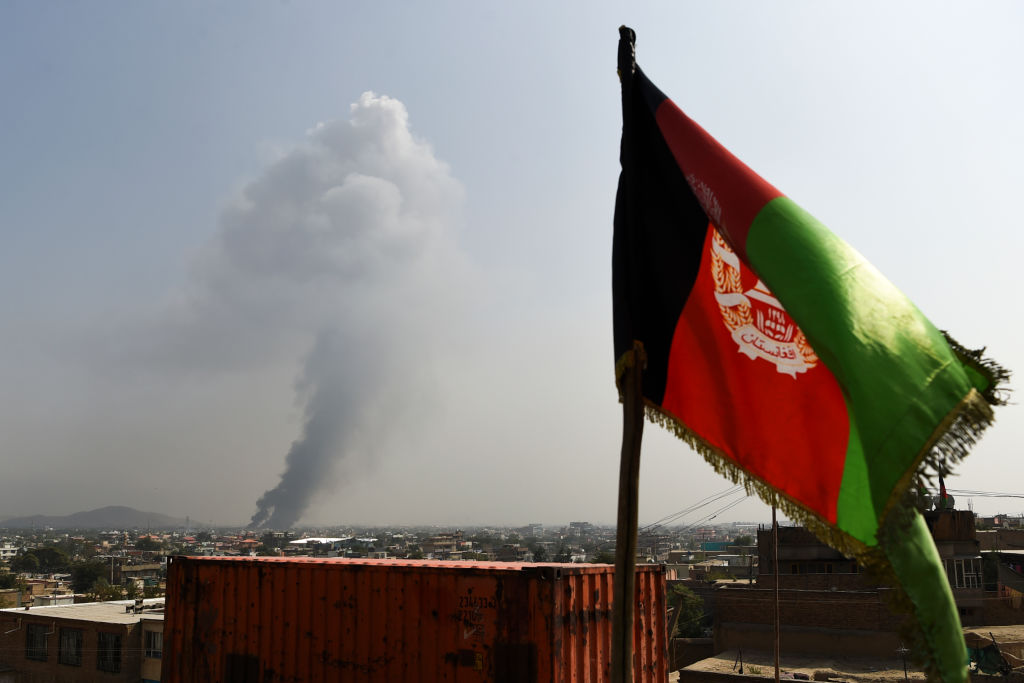
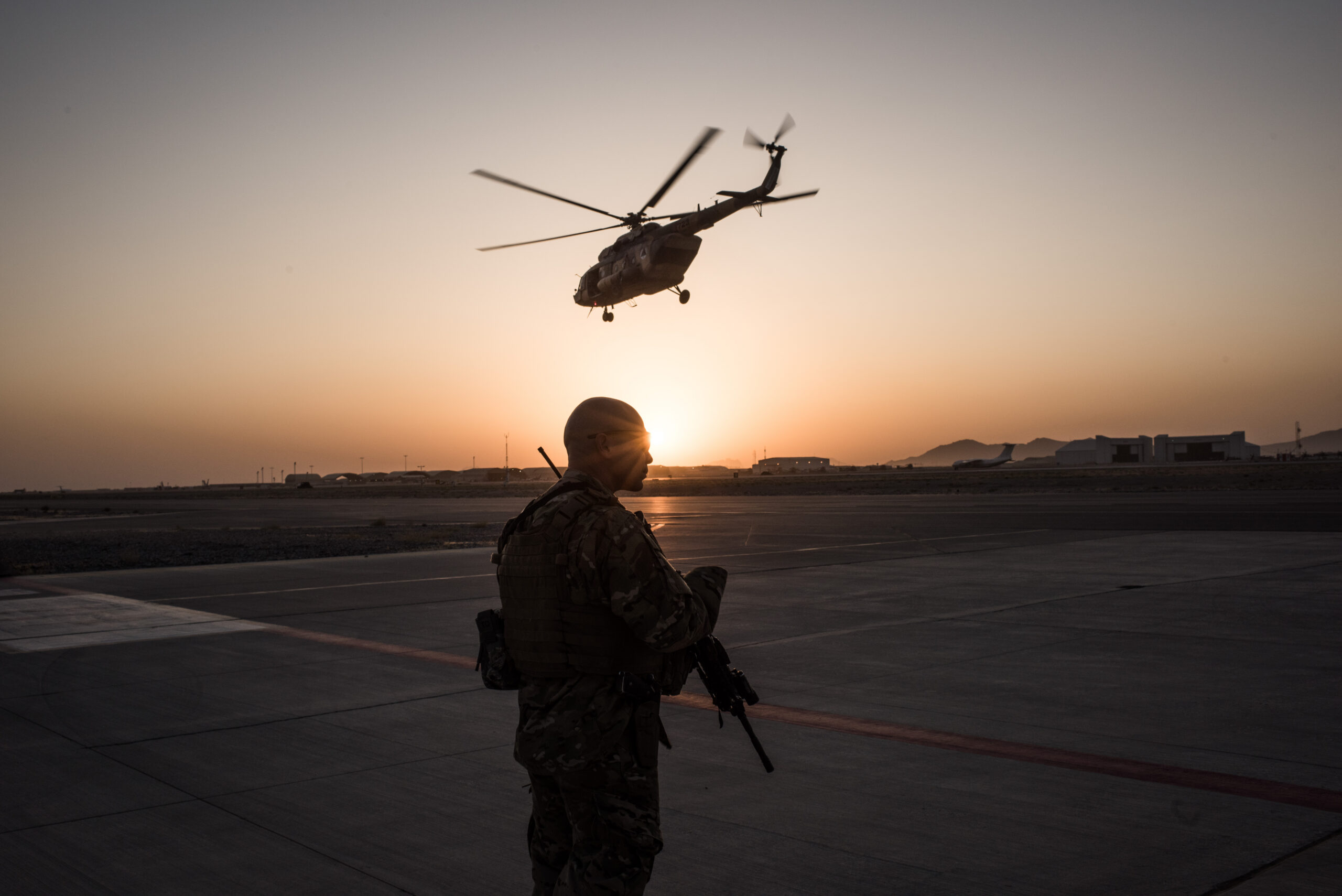
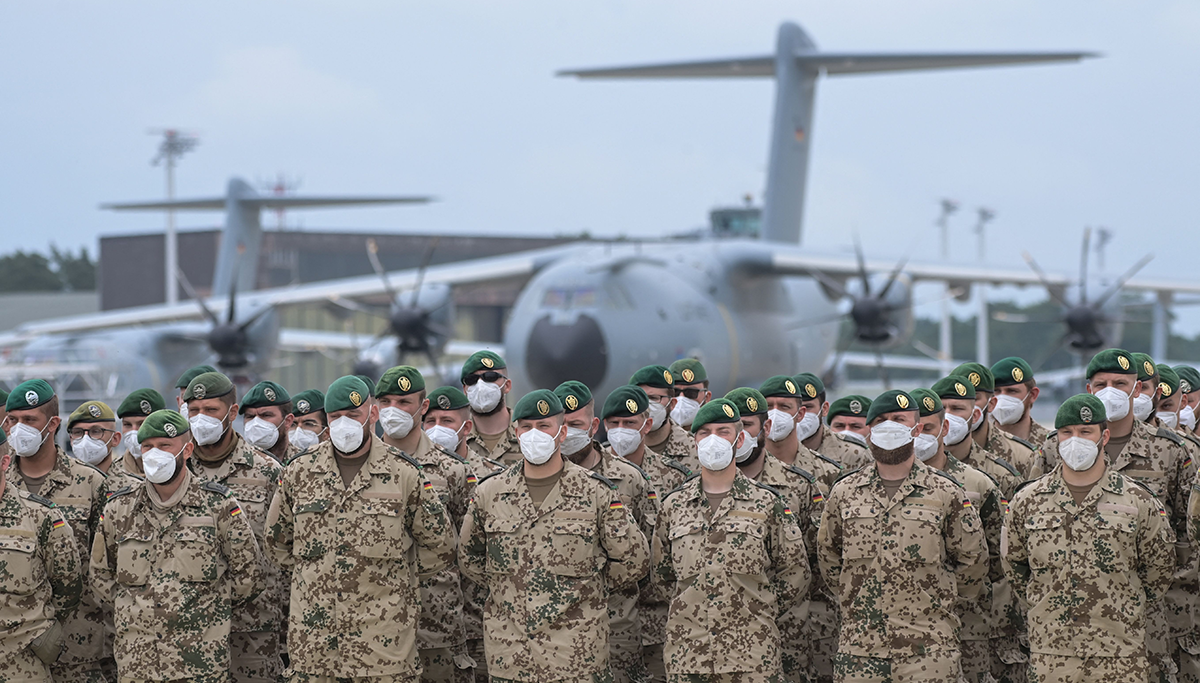
The withdrawal from Afghanistan marks the end of a historic chapter. It involves more than just the conclusion of a drawn-out international military engagement in Afghanistan. Rather, it signals the end of a decades-long phase in which Western militaries placed the broader Middle East and the fight against international terrorism at the center of their strategic attention. With competition between the great powers on the rise, Western militaries have realized their current vulnerabilities vis-à-vis near-peer competitors and the need to shift gears.
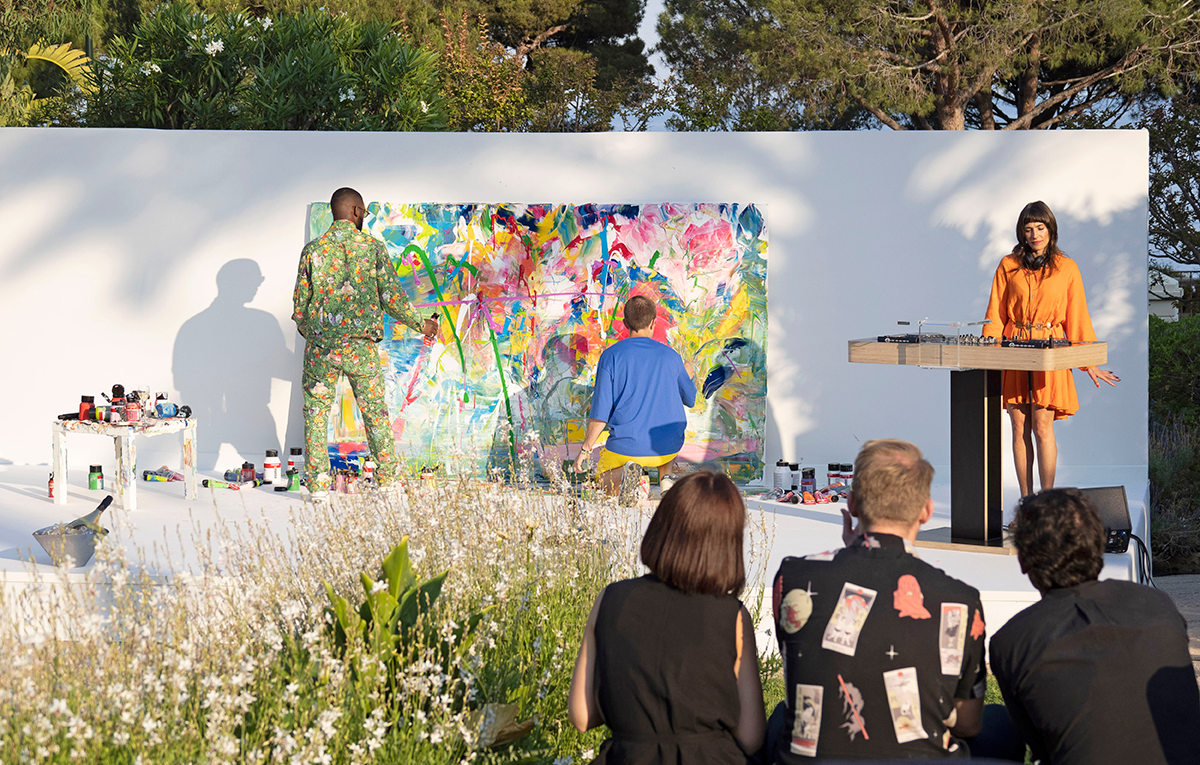
The digital space has not only enabled claims to online avatars or alter-egos, it has also ushered in new forms of digital ownership. The explosion of the online marketplace is changing the ways in which art is created, perceived, and owned. If post-internet art propelled artworks into immateriality, Cryptoart, which uses blockchain technology, is creating a new generation of art collectors. Sales of Cryptoart have leaped from over $416,000 in June 2020 to $616 million in the past year, based on data from cryptoart.io.
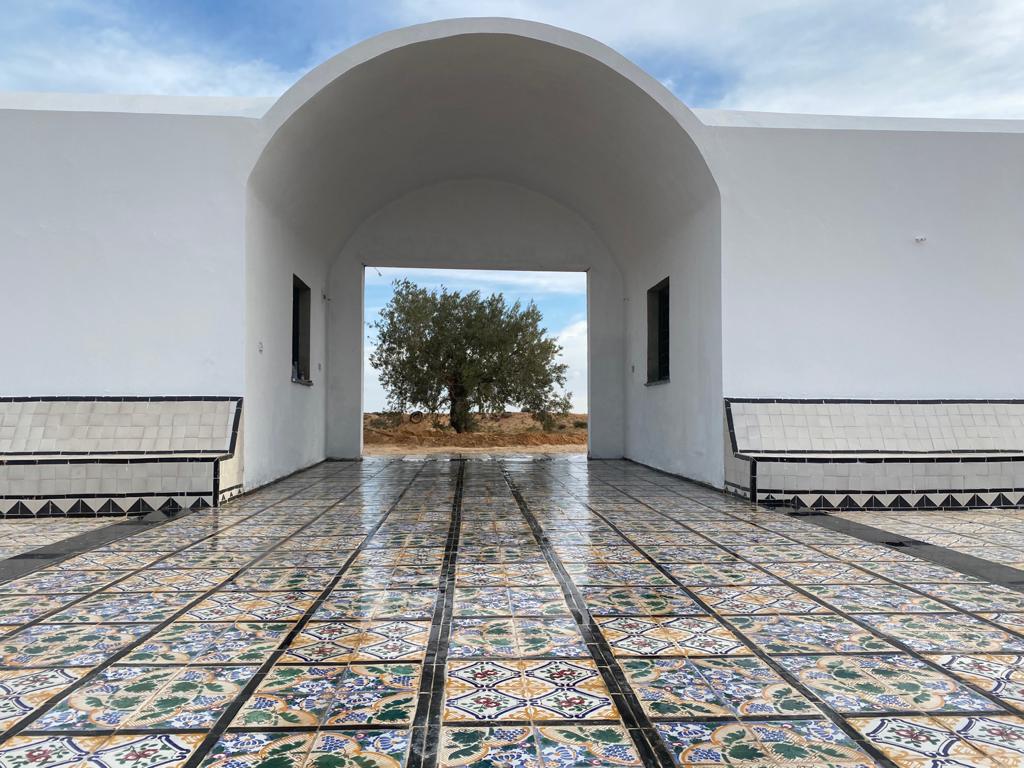
In Zarzis, on Tunisia’s southern coast, Algerian artist Rachid Koraichi has created a moving memorial to the thousands of migrants who have died crossing the Mediterranean. A hybrid of graveyard, garden, and art installation, Jardin d’Afrique has become the final resting place for over 300 souls whose bodies washed up on the shore of this tourist town.
Singer Kamilya Jubran, founding member of the iconic Palestinian band Sabreen, once famously sang, “We’ve tried resistance, we’ve tried confrontation, we’ve tried intifada, we’ve tried peace. What else is left to us?” The answer of course, that hung in the air of her breathtaking vocals, was “to sing.”