The six oil-producing monarchies of the Persian Gulf — Bahrain, Kuwait, Oman, Qatar, Saudi Arabia, and the UAE — are among the most important but also the most enigmatic societies to study.
Kurdish issues have been an important part of the myriad political and socioeconomic problems that have preoccupied the Islamic Republic of Iran since its inception. The Kurdish factor has also been an important determinant of Iran’s regional foreign policy in the past three decades. Shortly after the onset of the Iran-Iraq War of 1980-1988, the Iraqi government began to woo the Kurdish Democratic Party of Iran (KDPI) as potential leverage in its war effort.
The Arab world, especially the Gulf countries, face many environmental threats and problems such as desertification, biodiversity loss, marine and coastal areas pollution, air pollution, and water scarcity and quality. Beside these traditional environmental threats, various other environmental problems have begun to emerge in the last few years, related to military conflicts, construction and demolition debris, and climate change.
Social Change Amidst Terror and Discrimination: Yezidis in the New Iraq
Originally posted August 2008
On August 14, 2007, in the largest single terror attack during the war in Iraq, over 350 Yezidis were killed and two entire villages completely destroyed, leaving over 1,000 families homeless. The two villages, Qahtaniya and Jazeera are located in the Sinjar Mountains, an area in northwestern Iraq that is hotly contested by Sunni Arab insurgents, Kurdish peshmergas, US-led coalition forces, and several minority groups.
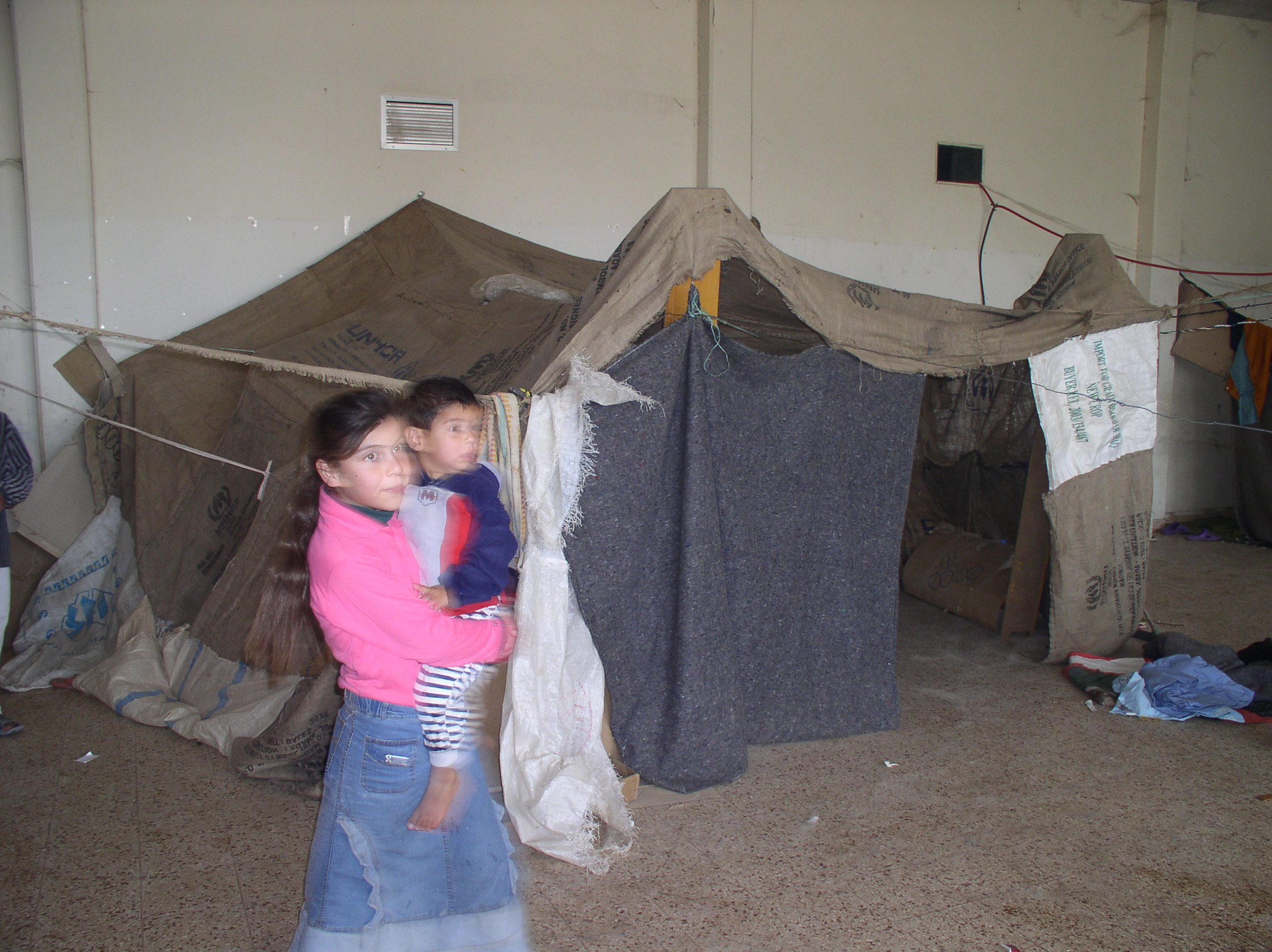
Palestinian Refugees from Iraq in Critical Need of Protection
Originally posted July 2008
“The twice-displaced Palestinian refugees are one of the worst-off groups in a country full of desperate people. … They have no country to go to, no valid travel documents, no protectors inside Iraq, and hardly anyone prepared to support them outside either. … It is to everyone’s dishonor that these human beings are still rotting [in border camps] and — worst of all — in Baghdad where one or more is being murdered virtually every day.”1
Kirkuk: Constitutional Promises of Normalization, Census, and Referendum Still Unfulfilled
Originally posted July 2008
Many people view Kirkuk as a microcosm of all of Iraq. The ancient city counts among its inhabitants significant numbers of almost all of Iraq’s ethnic and religious groups — Arabs, Kurds, Turkmen, Assyrians, Chaldeans, Sunnis, and Shi‘ites. The last semi-reliable census of Kirkuk’s population, from 1957, indicated a slight majority of Turkmen in Kirkuk City and a majority of Kurds, followed by Arabs, in the province as a whole.