Saudi Arabia on the Edge: The Uncertain Future of an American Ally
Of all the countries that are vital to the strategic and economic interests of the United States, Saudi Arabia is the least understood by the American people. Today's Saudis, far better informed than previous generations, are looking for new political institutions that will enable them to be heard, but these aspirations conflict with the kingdom's strict traditions and with the House of Saud's determination to retain power. Meanwhile, the country wishes to remain under the protection of American security but still clings to a system that is antithetical to American values.
Following last week's Russian-Chinese veto of an Arab-backed U.N. resolution, the international community is struggling to find ways to stem the ongoing violence and bloodshed. European states are considering a fresh round of sanctions, while Turkey says it's preparing a new initiative to address the crisis. Nerguizian, Slim and Yacoubian will discuss the international community's options, as well as examine the status of the Syrian opposition and the role of regional players.
A Rentier Social Contract: The Saudi Political Economy since 1979
Originally posted October 2009
The year 1979 was the last year of the pivotal decade in which the Saudi economy took its modern shape; no other decade before or since has seen more change. The patterns of oil-driven politics that emerged at the time still define the Kingdom’s political landscape today — even if some of the players in the political game have subtly shifted their roles.
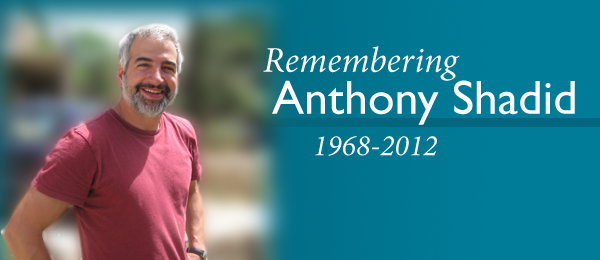
The Middle East Institute Remembers Anthony Shadid
The Middle East Institute is deeply saddened by the untimely death of Anthony Shadid, the Pulitzer Prize-winning journalist who covered the Middle East for the Boston Globe, Washington Post, and most recently the New York Times. Shadid died of an apparent asthma attack while on assignment in Syria. His insightful, humane reporting on the Middle East painted an uncommonly nuanced portrait of a region and people in turmoil, and will be sorely missed. Shadid's death is a terrible loss for journalism and the Middle East community.