The Syrian Conflict and the Ascendancy of the Lebanese Armed Forces
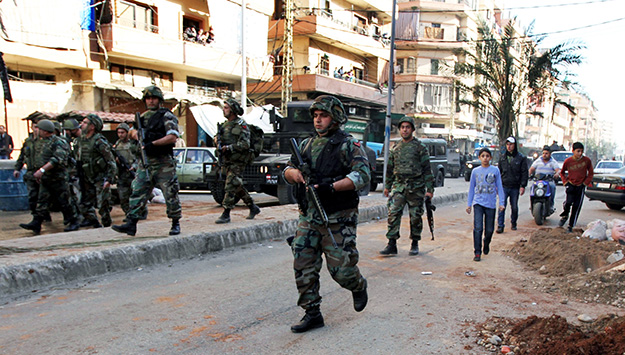
In the past, the Lebanese Armed Forces’ (LAF) inability to confront or deter Israel was reflected as political weakness for the Lebanese government vis-à-vis Hezbollah. Israel’s withdrawal from south Lebanon in 2000 heralded a growing political role for Hezbollah. This role was further enhanced by the 2006 war with Israel, with Hezbollah claiming victory and consolidating its influence within the LAF and the government.
Obama’s Legacy in the Gulf: Despite Disgruntlement, U.S. Remains Indispensable
This paper is part of an MEI scholar series, titled “Obama’s Legacy in the Middle East: Passing the Baton in 2017.” Click here to view the full project, or navigate using the table of contents to the right.
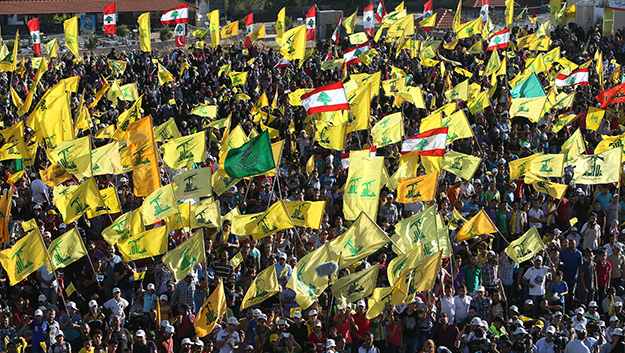
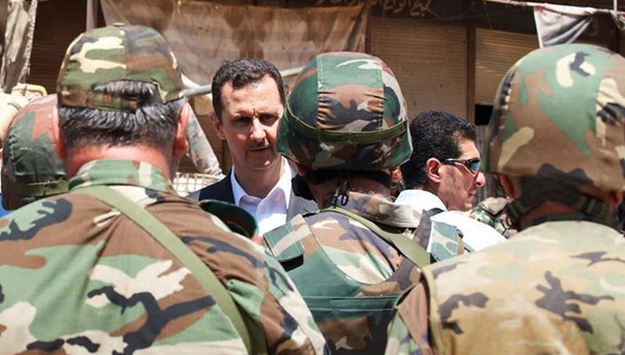
As Syrian President Bashar al-Assad gazes across Damascus from his palace on Mount Qasioun, he can be grateful to his Russian, Iranian, and Hezbollah allies that he is still in a position to enjoy such a view.
ISIS and President Obama’s Uncertain Legacy in Iraq and Syria
This paper is part of an MEI scholar series, titled “Obama’s Legacy in the Middle East: Passing the Baton in 2017.” Click here to view the full project, or navigate using the table of contents to the right.
In the space of just 48 hours last week, Turkey went from calling the PYD — the Kurds defending the Syrian border town of Kobani — a terrorist group to opening up an arms corridor from Iraq to aid its fight against ISIS.
Thanks to unprecedented current account surpluses, the Gulf Cooperation Council (GCC) countries are investing billions abroad and looking more toward the East. The GCC’s growing trade ties with China have been accompanied by encouraging development in investment relations. For these countries, investment projects in China promise access not only to large and rapidly growing energy markets, but also to other booming sectors.
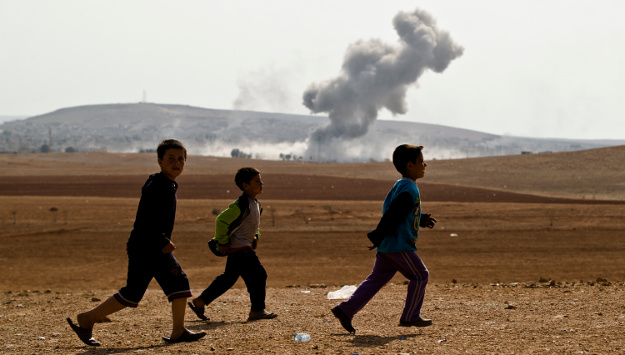
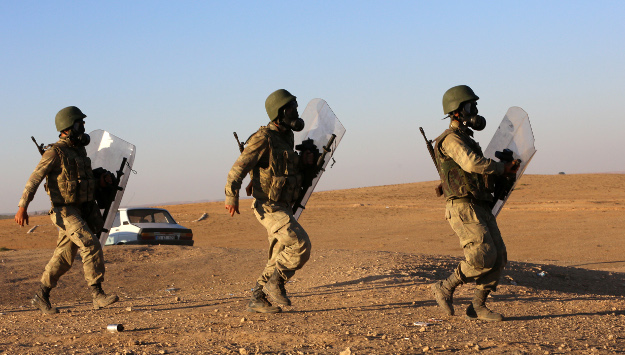
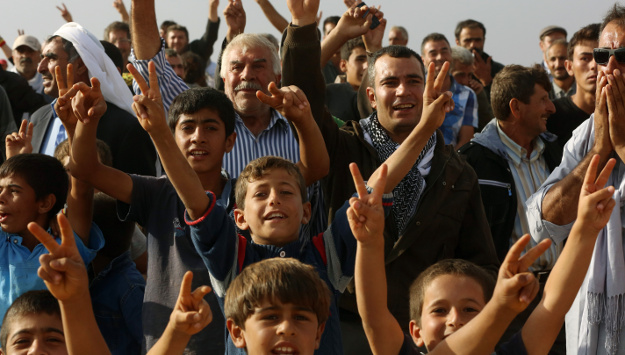
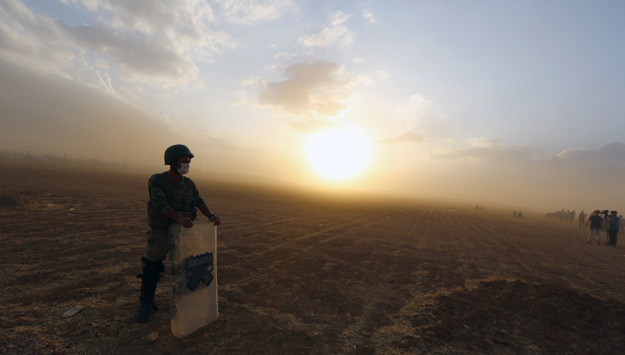
Turkey is in a tough spot. It has ISIS militants threatening the Syrian border town of Kobani, inching ever closer to confronting Turkish security forces. In addition thousands of Syrian Kurds, fleeing ISIS attacks, have massed along its border, adding further to Ankara’s troubles.
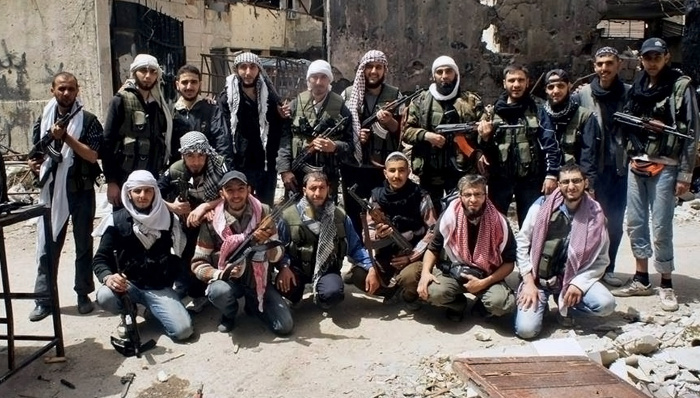
President Obama made the right decision to boost military aid to moderate Syrian rebels last year, but today America’s approach to attacking Islamic State fighters risks undermining the moderate opposition and alienating support among the Syrian public.
Gulf Investment in China: Beyond the Petroleum Sector
This essay explores recent GCC investment in sectors of the Chinese economy other than the petrochemicals industry and examines the challenges confronted by Gulf investors.
Defeating the Islamic State Militarily is Only Half the Battle
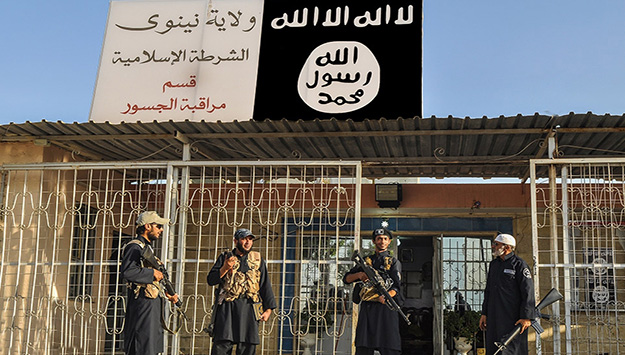
In his speech on September 10 President Obama characterized the Islamic State (ISIS) as a terrorist group.[1] There were clear political benefits to using this label, not the least of which was to facilitate the formation of a broad-based military coalition against the organization.
The rise of China and India, coupled with major changes in the global energy market such as the US shale revolution have shifted the Gulf countries’ economic focus towards the Asian continent. East Asia has already emerged as the GCC’s most important trade partner, accounting for over 57% of its external trade.
Alongside the wave of Syrian Kurdish refugees into Turkey this month is an equally unsettling story: alarming gains by the Islamic State in an offensive against a potential ally. Syria’s Kurds carved out their own regional bastion extending west from their main base in the extreme northeast corner of Syria. For two years they have fiercely defended their lands against the Islamic State and other extremists, employing many thousands of veteran Kurdish fighters.
Turkey, a key U.S. ally and a NATO member that borders the territory captured by ISIS, which now calls itself the Islamic State, in Syria and Iraq, could play a critical role in the U.S.-led military assault against the jihadist group.