The Middle East Institute is pleased to host Egyptian journalist Ashraf
Khalil for a discussion of his new book, Liberation Square: Inside the
Egyptian Revolution and the Rebirth of a Nation, and the political
landscape in Egypt on the first anniversary of the revolution. This
book is the first account of the Tahrir Square uprisings from someone
who was on the ground and witnessed the protests firsthand. Ashraf
Khalil will analyze the status quo in Egypt today and reasons for both
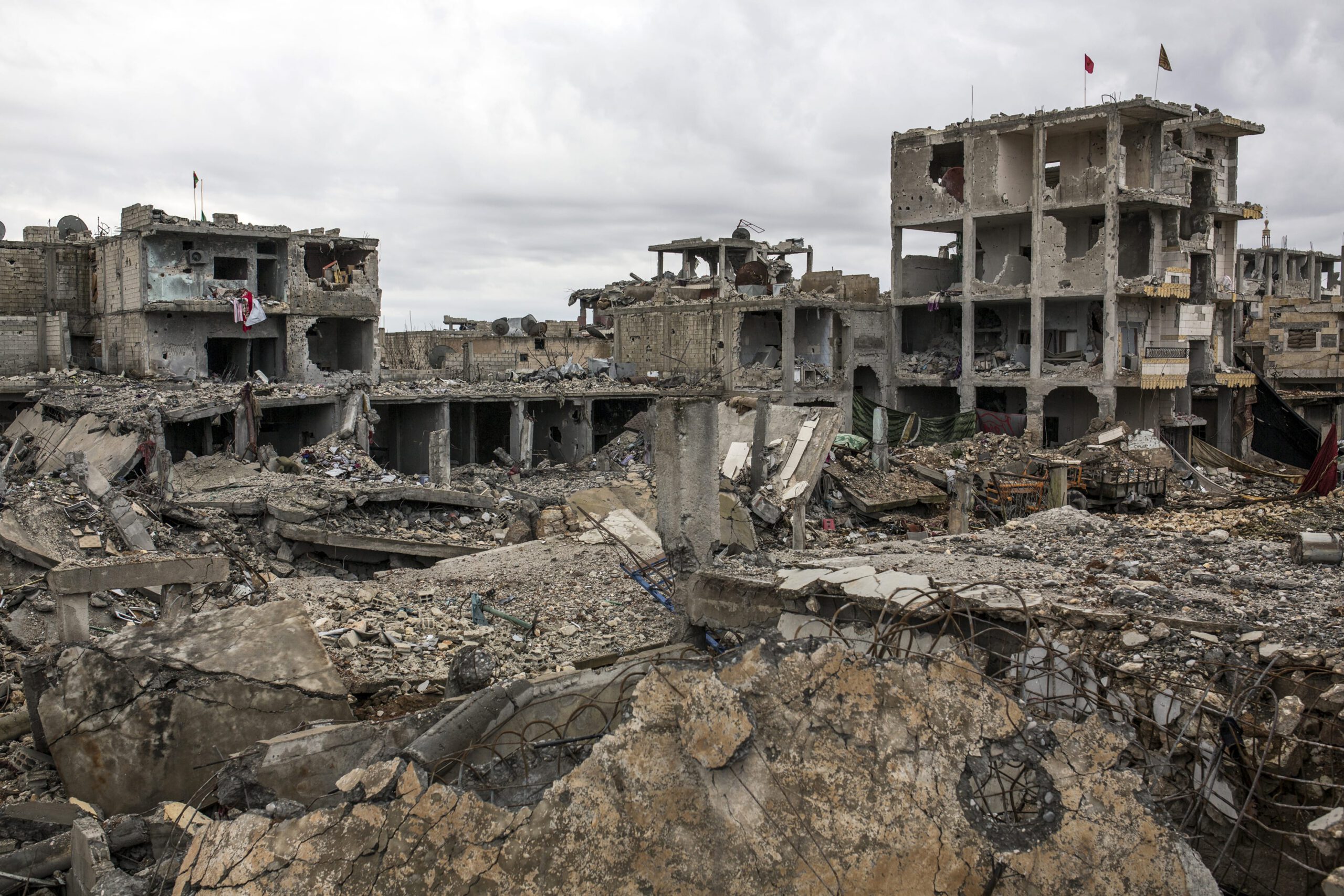
Bashar al-Assad and his top regime cronies appear to be operating under a deeply flawed assumption: the relatively broad-based opposition it now faces is similar to the narrower Muslim Brotherhood challenge it defeated back in 1982 by killing more than 10,000 Syrians in Hama. Much the same way it did 30 years ago, the regime keeps pounding away at the resistance. But unlike the Hama massacre, a few severe blows will not put an end to this latest uprising. Instead, Assad’s brutish tactics will only escalate the bloodshed and resistance.
This Opinion was first published on CNN.com on February 6, 2012
The double veto cast by Russia and China at the United Nations Security Council on Saturday represents a clarifying moment in the Syrian uprisings.
At the 2012 Munich Security Conference, U.S. Secretary of State Hillary Clinton noted, "We don't know what the endgame will be until we start the game." Well, fasten your seatbelt — the game over Syria has started.
Syria on the Verge: Implications for a Nation in Revolt
International response has been growing to the violent crackdowns in Syria, yet the government remains mostly unresponsive. Radwan Ziadeh, Ausama Monajed, Amb. Theodore Kattouf, and Andrew Tabler discuss the domestic and regional implications of the ongoing political unrest and violence in Syria.
One of the most enduring epithets for Hamas, right up there with “terrorist,” is “proxy.” If you Google “Hamas Iran proxy,” you get 1,750,000 hits. The idea that the relationship between Sunni Hamas, the Gaza affiliate of the Muslim Brotherhood, and Shia Iran was merely a marriage of convenience and not a true love match is rejected by those who forget that most enduring maxim of Middle East politics: “The enemy of my enemy is my friend.” And implicit in that maxim are two more words: “for now.”
The Arab League observer mission to Syria—sent under an agreement with the Syrian government to withdraw forces from the cities, release all political prisoners and allow monitors and journalists free movement throughout the country—has utterly failed and should not be extended.
*This Opinion first appeared in the Huffington Post on December 13, 2011
The first free and by all accounts fair elections in Egypt mark a major turning point in the country's long history. In what is likely to be a tenuous and trying transition to democracy, Egypt's Islamists won a resounding victory, gaining two-thirds of the vote in the first round of Egypt's parliamentary elections. While many in the West fear that the Islamist victory in this first election will radicalize Egypt, in reality, the situation is far more complex and nuanced.