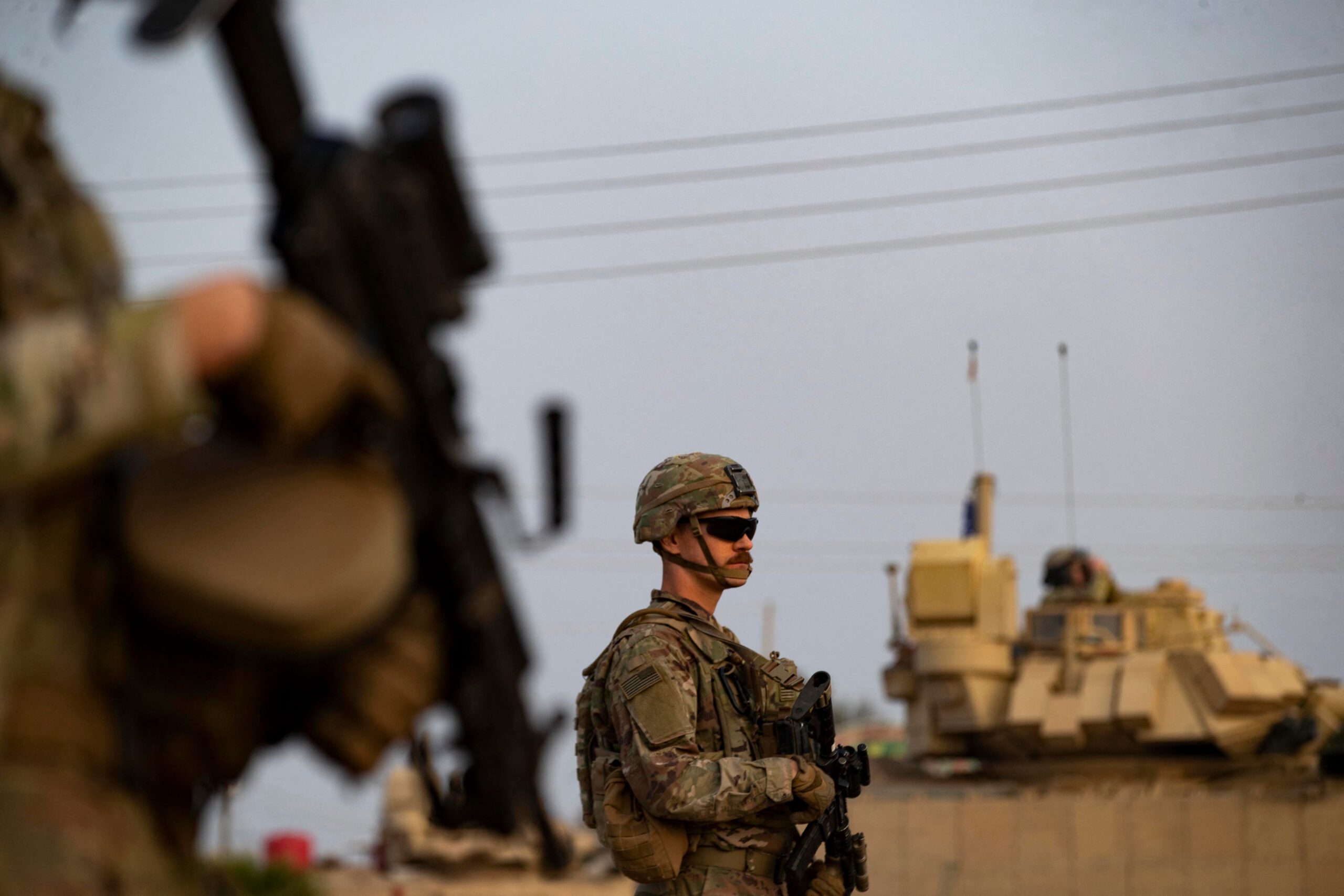
On this week’s episode, Director of MEI’s Syria and Countering Terrorism & Extremism Programs Charles Lister and MEI Editor-In-Chief Alistair Taylor talk about US policy toward Syria. The deadly Jan. 28 drone attack on a US military outpost in northeastern Jordan, near the borders with Syria and Iraq, has drawn renewed attention to the US military presence in the area. This comes against a backdrop of regional conflict and escalation.
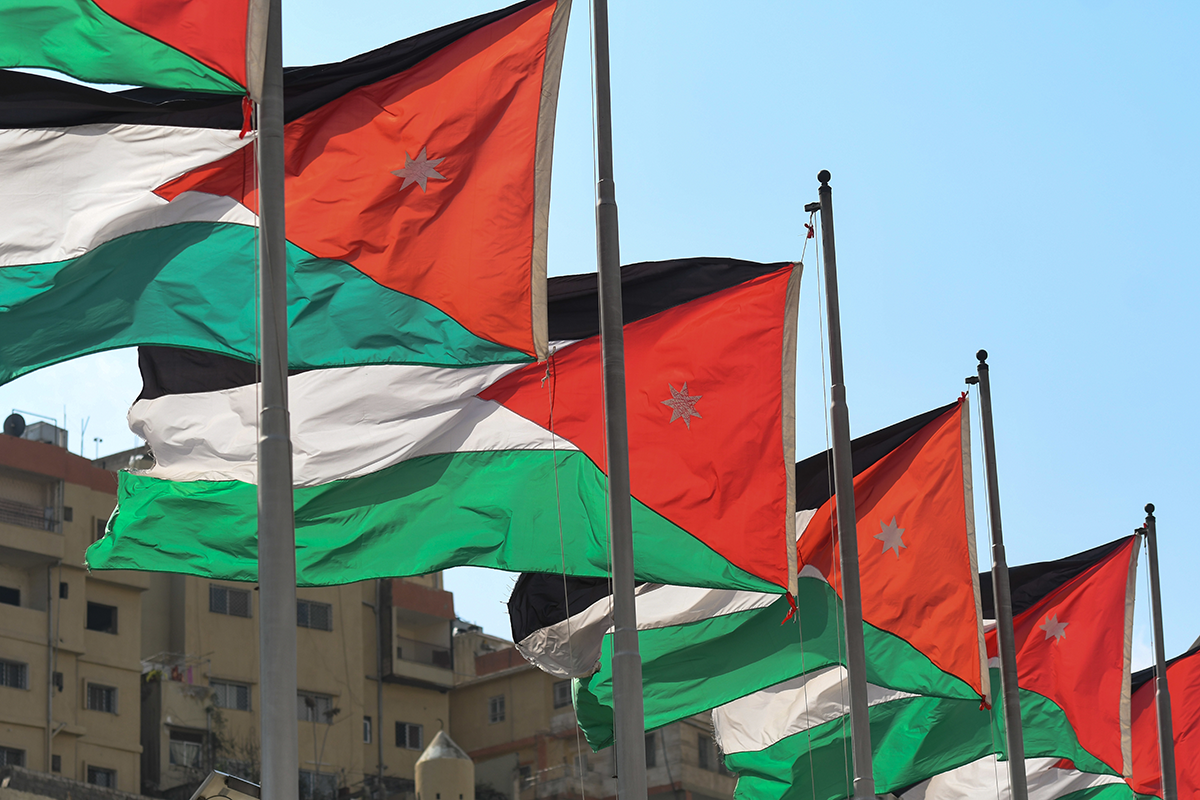
Growing unrest in Syria’s Suwayda as Jordanian airstrikes and civilian deaths increase
As the civilian death toll continues to rise, Jordan has come under growing criticism for its airstrikes in southern Syria’s Suwayda Governorate, aimed at combatting drug trafficking and smuggling operations.
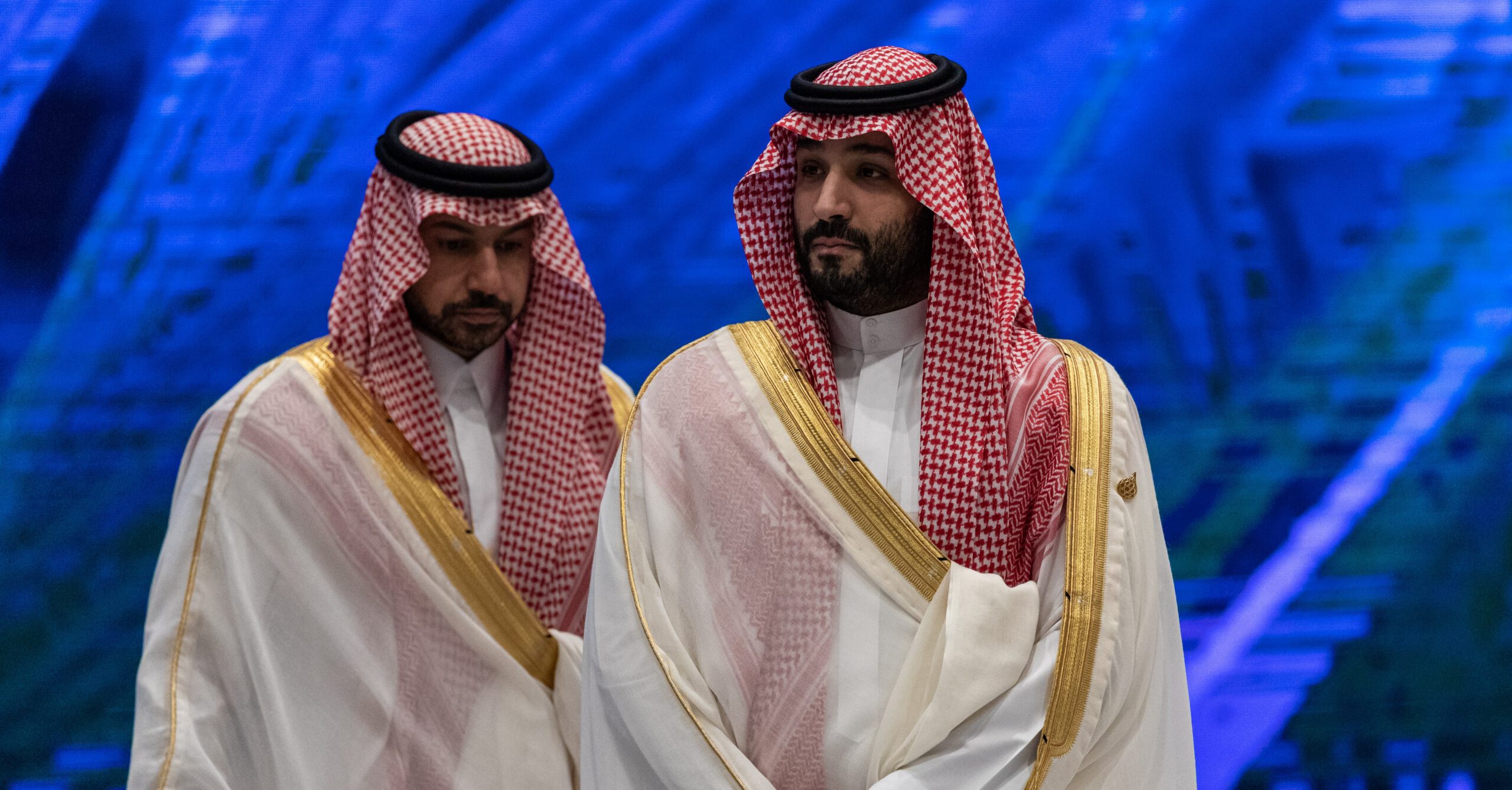
Jordanian ambitions, Saudi funds: A look at Saudi investments in Jordan
In 2017, Saudi Arabia’s Public Investment Fund and a number of Jordanian banks established the Saudi-Jordanian Investment Fund to channel $3 billion into the Jordanian economy. Two SJIF projects provide relevant case studies of the challenges facing Jordan’s broader efforts to attract more FDI and drive economic development.
Locals fight their own war on drugs in Syria’s Daraa Province
Since early last year there has been a surge in drug-related assassinations in Syria’s southwestern Daraa Province, adding a new layer to the region’s persistent violence. The regime’s complicity, driven by financial and political motives, has fostered a climate where drug networks operate with impunity, spurring locals to take matters into their own hands.
In response to the Oct. 7 attacks and subsequent bombing and invasion of the Gaza Strip, most media outlets and think tanks concluded that Hamas initiated the war to sever the path toward normalization between Saudi Arabia and Israel. Prior to the Hamas strike, Saudi Crown Prince Mohammed bin Salman (MbS) said his country was moving steadily in the direction of normalizing relations with Israel.
Transformational implications of moving toward smart cities in the Gulf
As Gulf nations embrace the opportunities presented by developing smart cities, challenges such as cybersecurity and infrastructure sustainability must be addressed through strategic policies and trusted partnerships to ensure a secure and sustainable digital transition.
AI global governance regime gradually taking shape
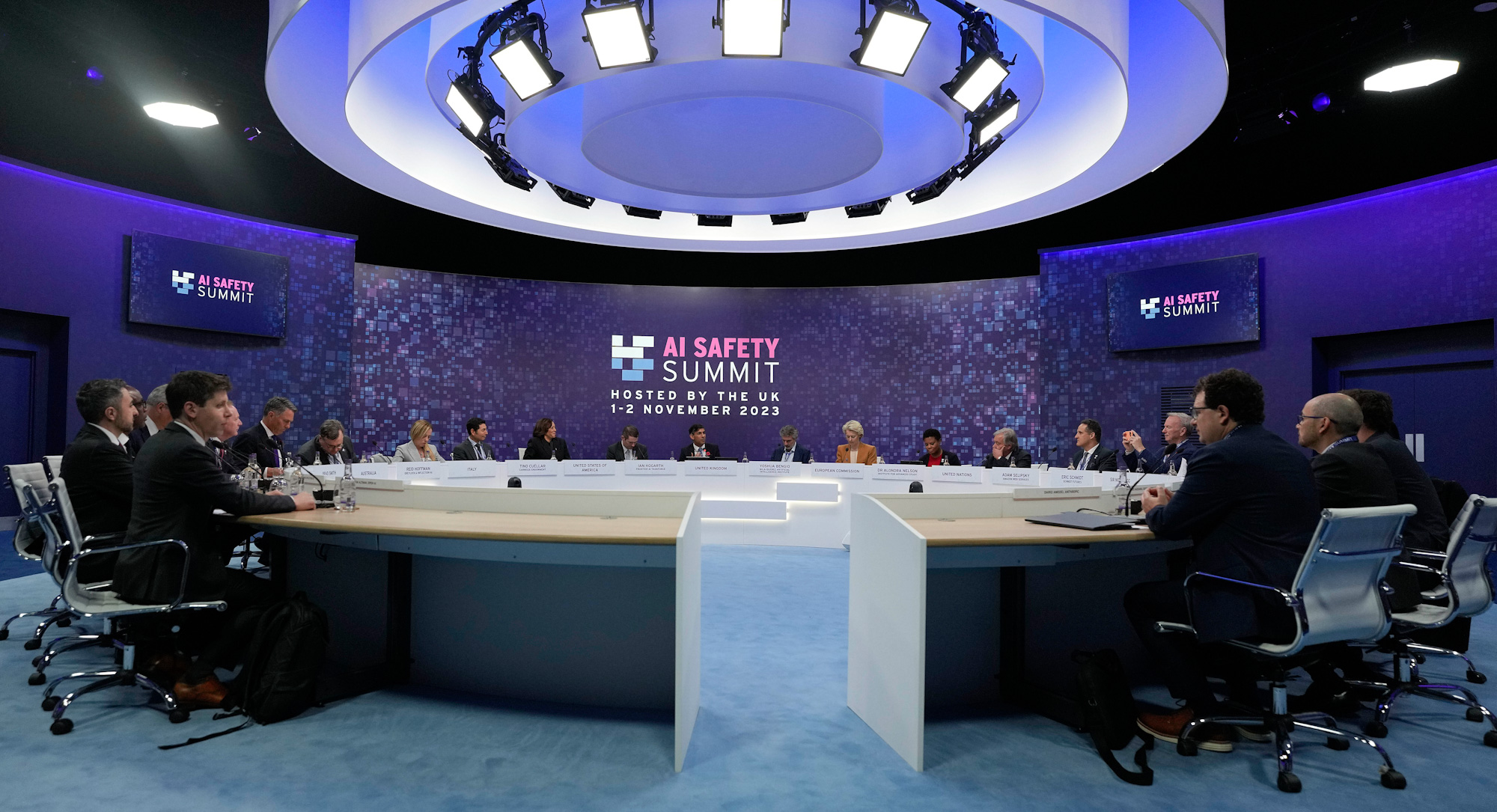
In recent years, the international community has witnessed a surge in momentum toward the development of standards for artificial intelligence (AI) governance. The AI Safety Summit, convened last month by Prime Minister Rishi Sunak, marked a diplomatic milestone and a definite step in the right direction. However, its impact is contingent on the ability of the global community to navigate the multiparty landscape of AI governance.
War delays but likely will not fully derail IMEC plans
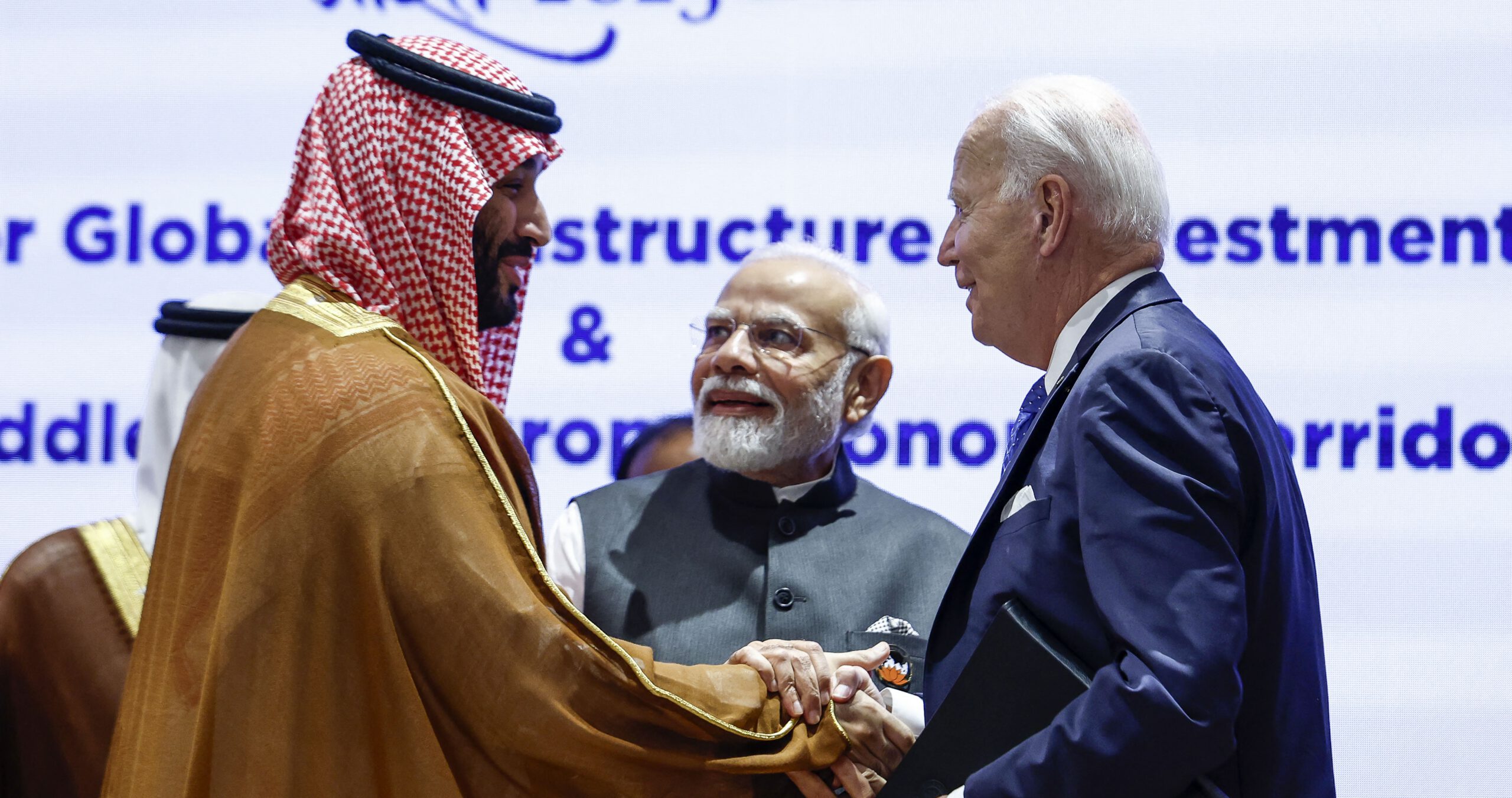
The Oct. 7 Hamas attack against Israel and the latter’s ongoing military operation in Gaza have stalled progress in the development of the India-Middle East-Europe Economic Corridor and raised questions about its prospects for eventual completion. The IMEC faces multiple viability challenges, but none of them are insurmountable; thus, its participants are unlikely to abandon it.
Israel’s Response to Iran in Syria: Choosing Between Escalation and Accommodation
The following quantitative analysis explores the core of Israel’s strategic airstrikes in Syria between 2013 and August 2023, a critical aspect of its defense policy during this time, aimed at mitigating Iranian influence in the region and protecting its national borders.