CENTCOM says ISIS is reconstituting in Syria and Iraq, but the reality is even worse
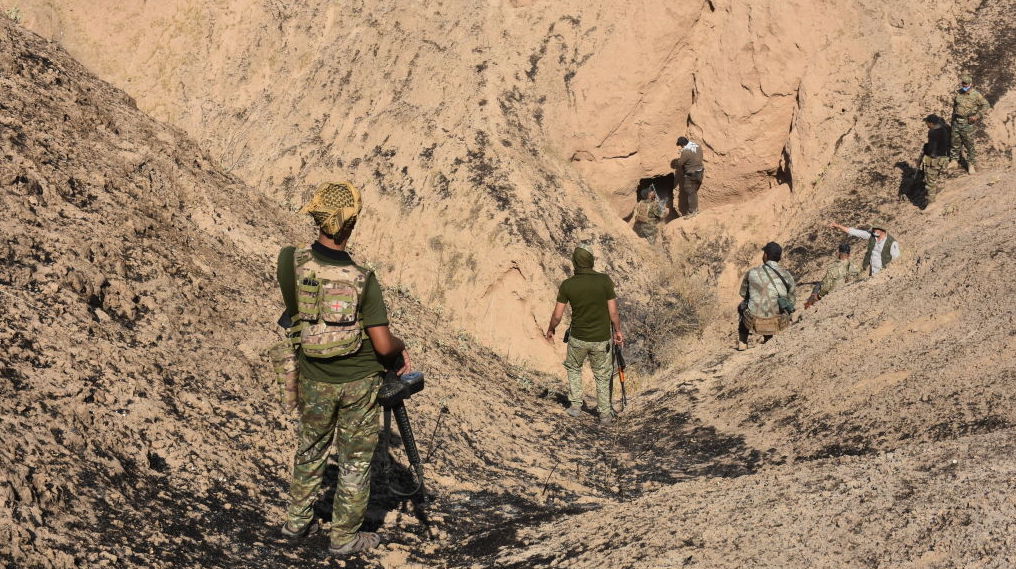
On July 16, CENTCOM announced that after six months of 2024, “ISIS is on pace to more than double” the number of attacks in Syria and Iraq it claimed in 2023. But the reality is far worse than this statement suggested because the data represents only a fraction of ISIS’s actual attacks in Syria and Iraq.
Syrian armed groups divided over Turkey-Syria normalization push
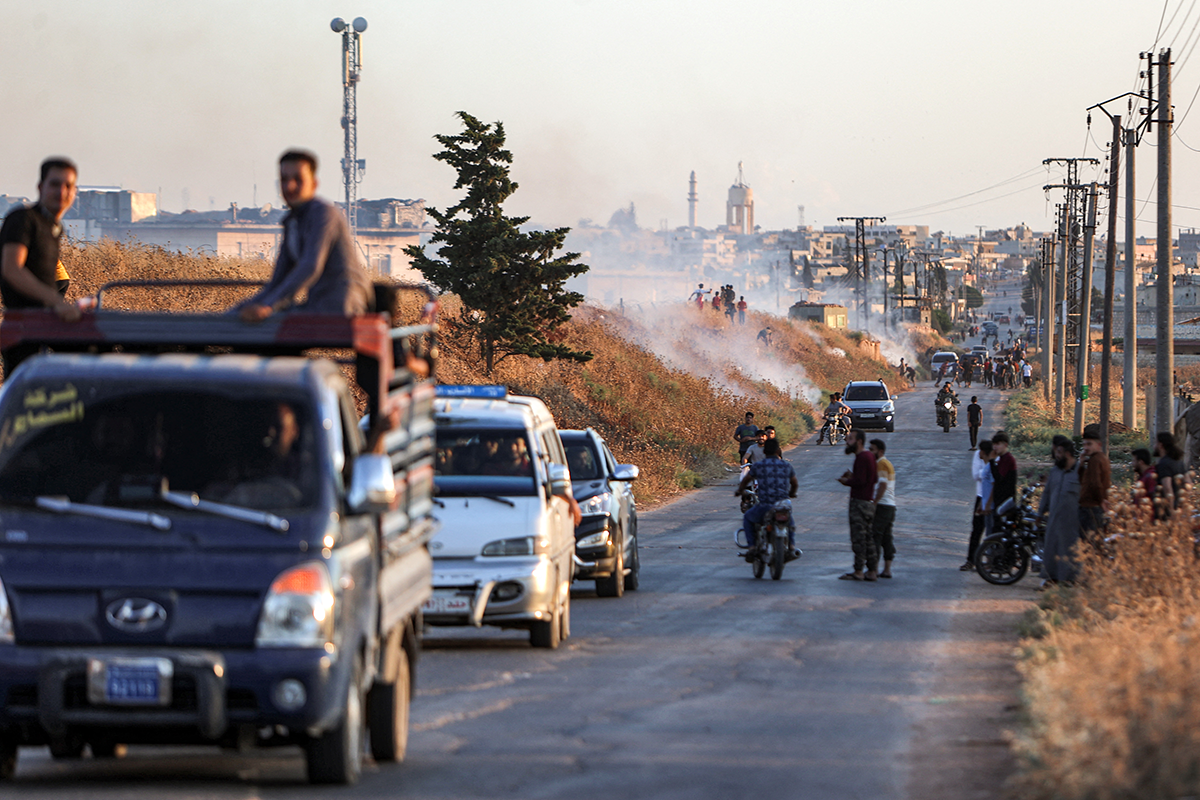
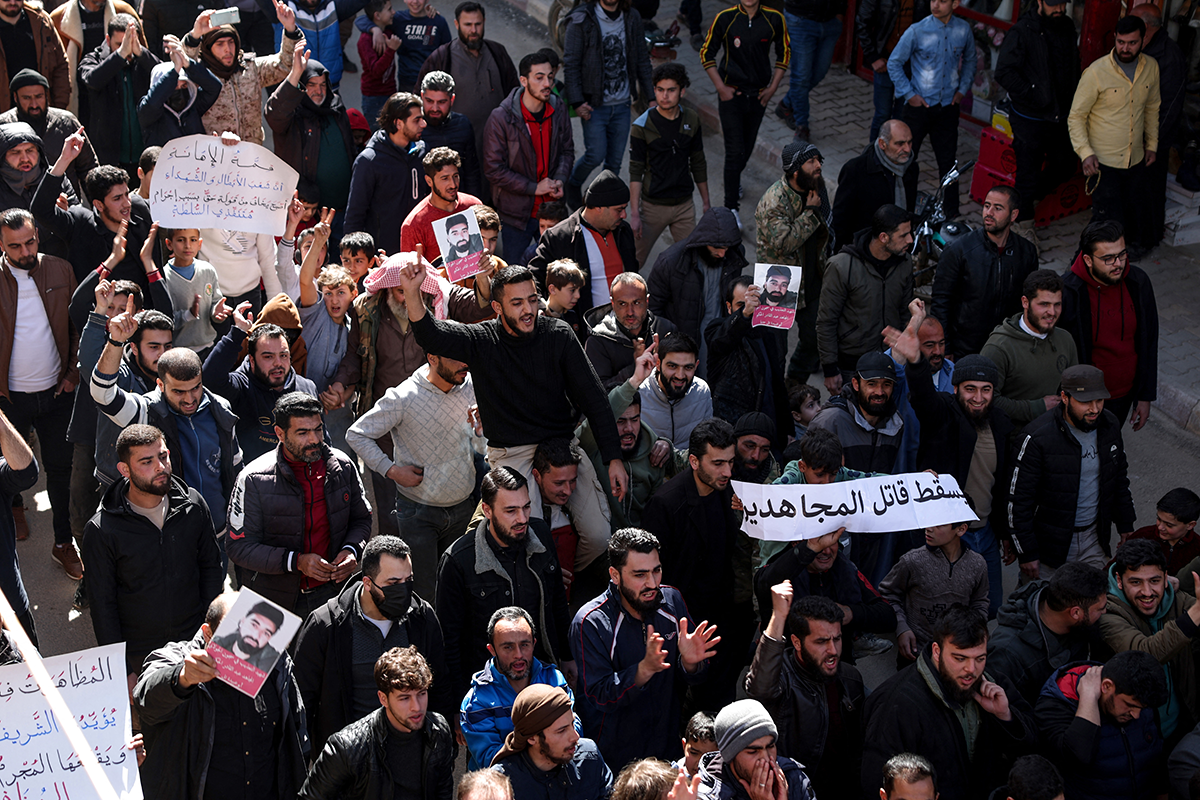
Despite their popular nature, the protests in northwestern Syria, sparked by racist attacks on Syrians over the border in Turkey, have exposed the rifts and divisions between various opposition factions. Bilal Samir explores the positions of the major military groups in Turkish-controlled areas and assesses how closely they align with Turkey’s policy.
Smoke and mirrors: The Syrian regime's dubious anti-drug campaigns
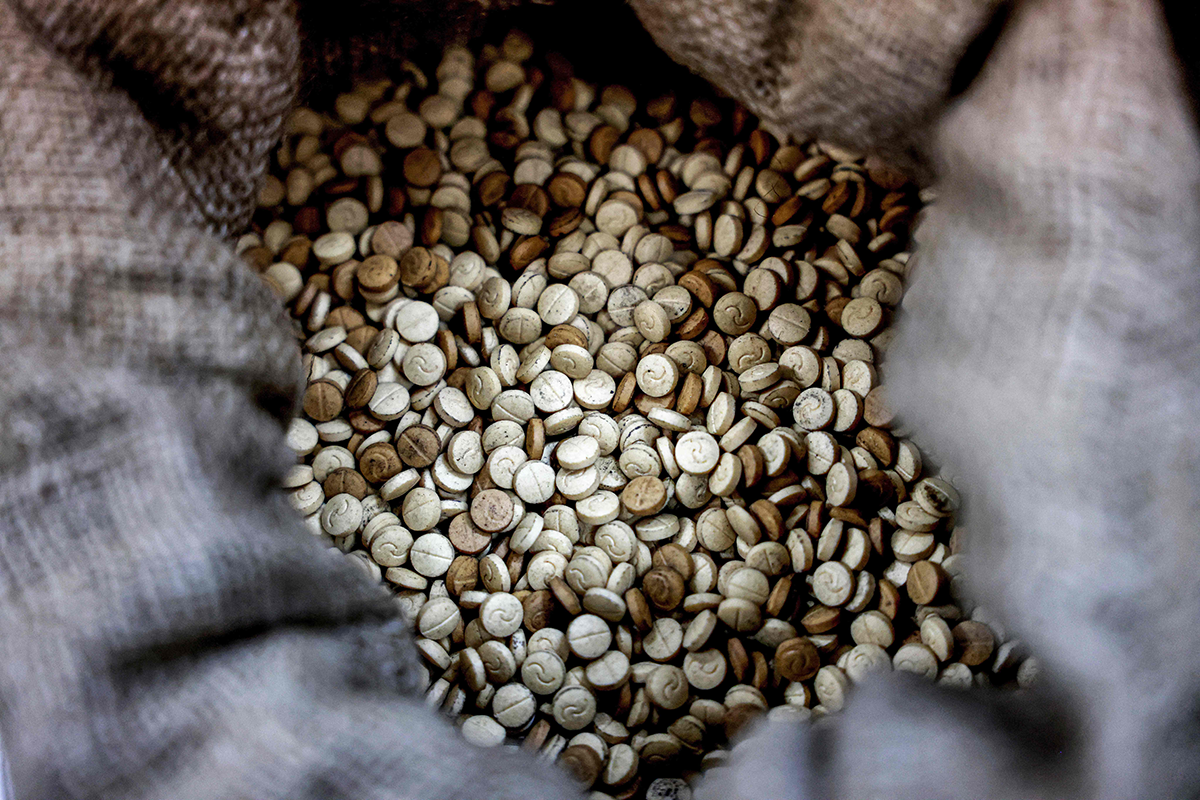
The Syrian regime recently announced that it had arrested over 2,000 people in Damascus on drug-related charges during the first half of 2024. However, the relatively small amount of drugs confiscated suggests the regime is focusing on arresting users and street-level pushers rather than going after the major producers and traffickers. This highlights how the Syrian regime manipulates drug crackdowns to serve multiple agendas while ensuring the flow of illicit drugs continues uninterrupted.
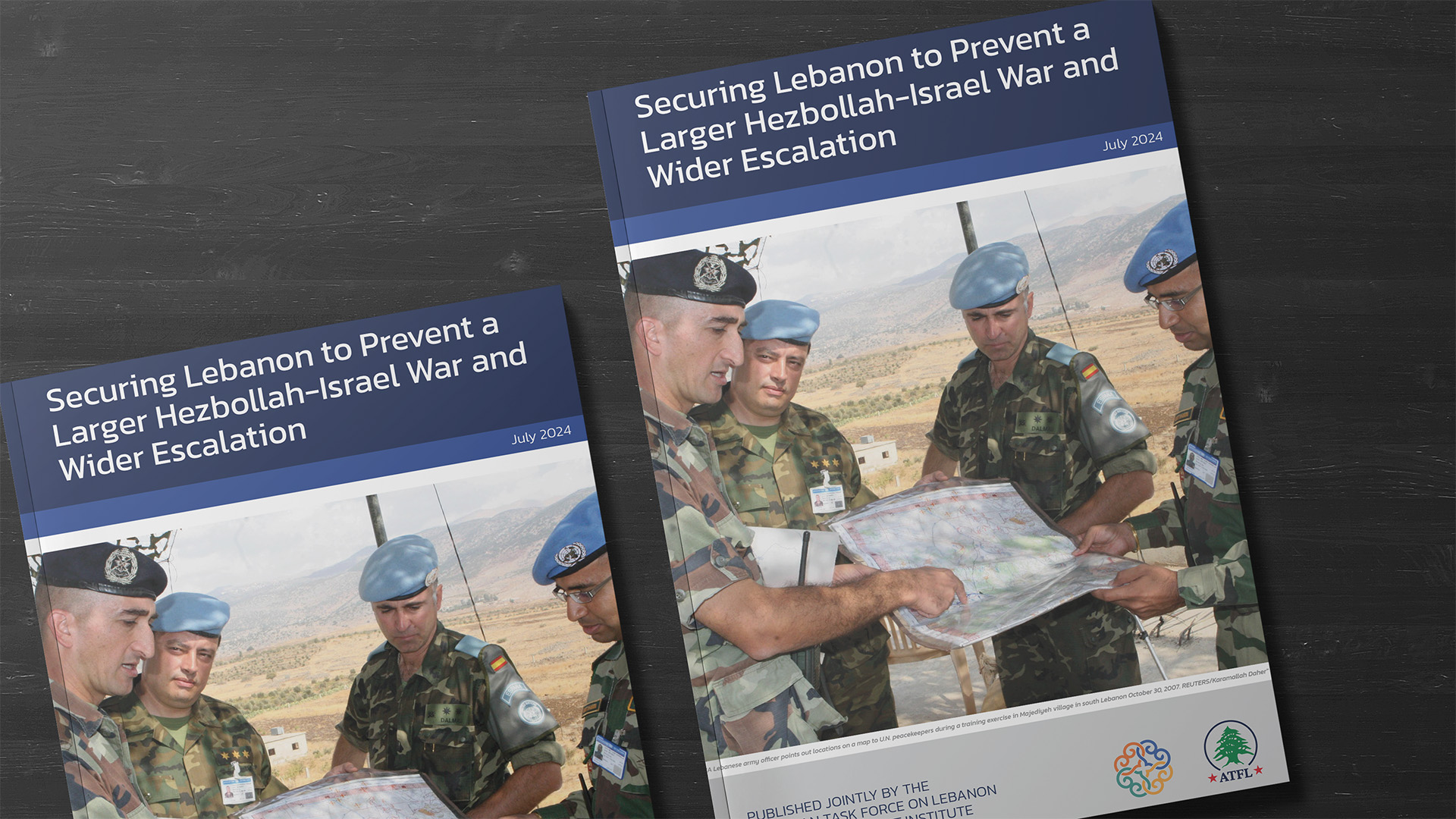
Securing Lebanon to Prevent a Larger Hezbollah-Israel War and Wider Escalation
The Middle East Institute (MEI) and the American Task Force on Lebanon (ATFL) convened a group of experts on Lebanon who co-authored this policy brief.
Executive Summary
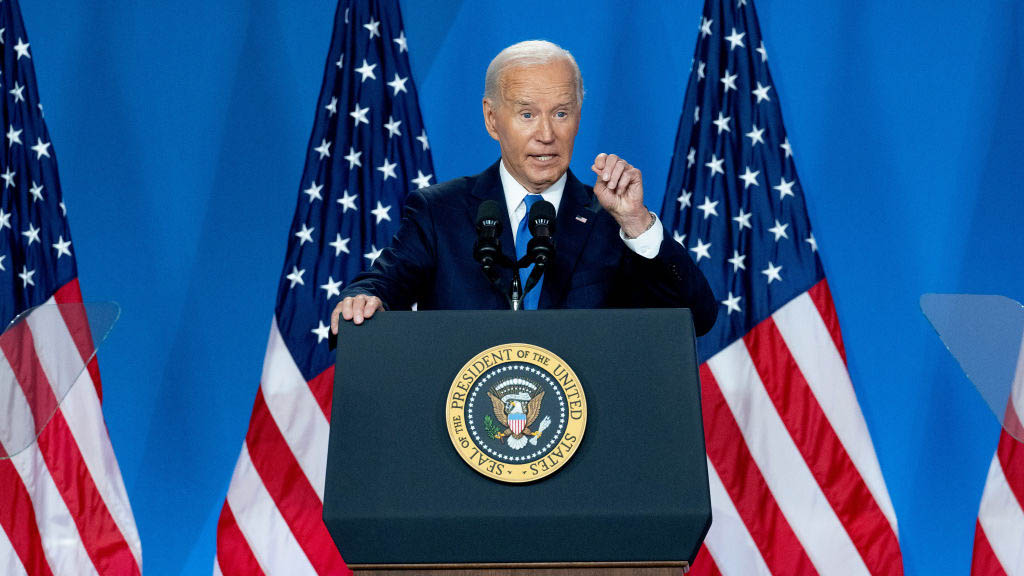
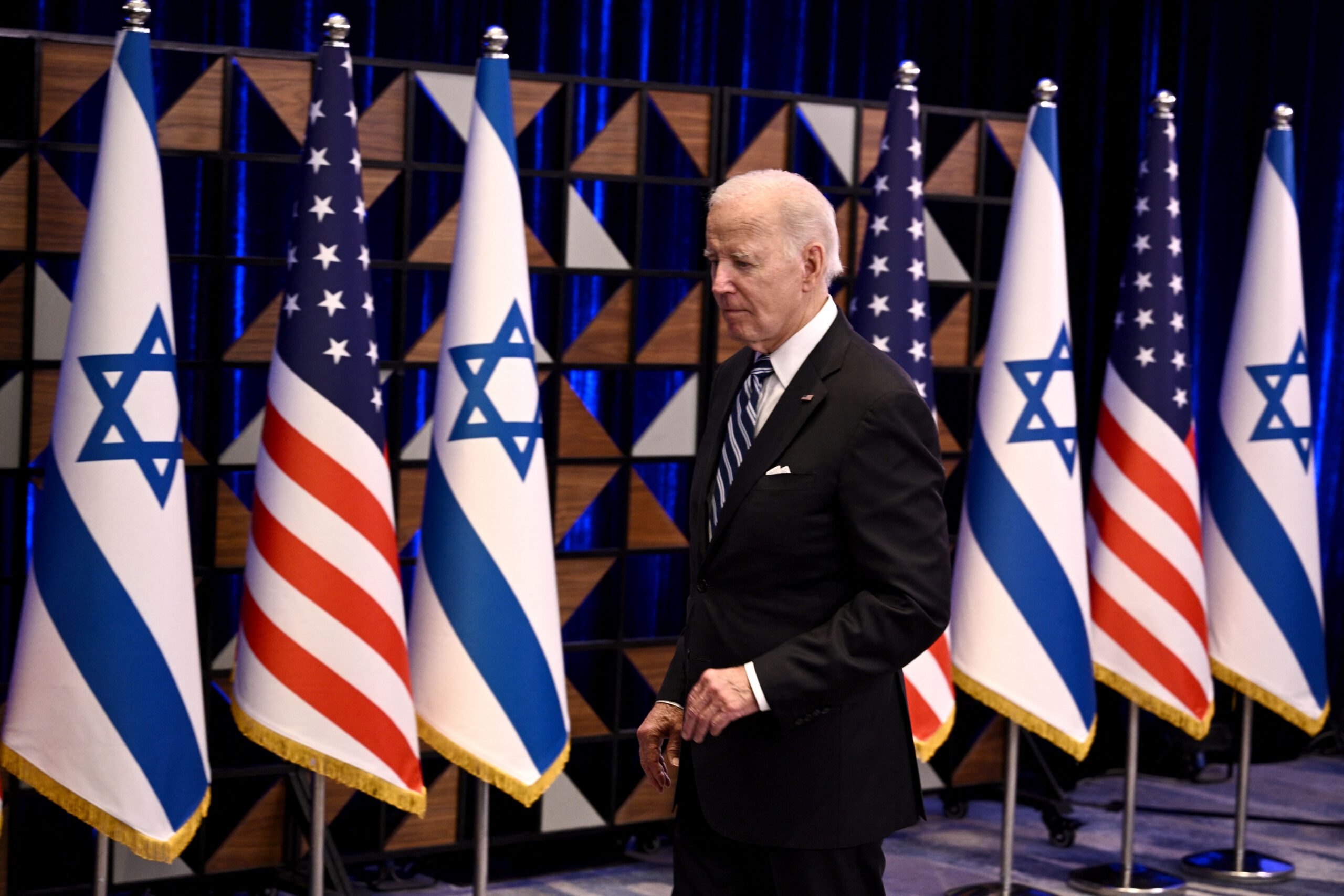
As tensions between Israel and Hezbollah escalate, the specter of a full-scale war, with the potential to draw in the United States and Iran, demands the US’s immediate attention. The Biden-Harris Administration has tasked, in response, White House Senior Advisor Amos Hochstein with mediating efforts to de-escalate the conflict and bring stability to the Lebanon-Israel border.
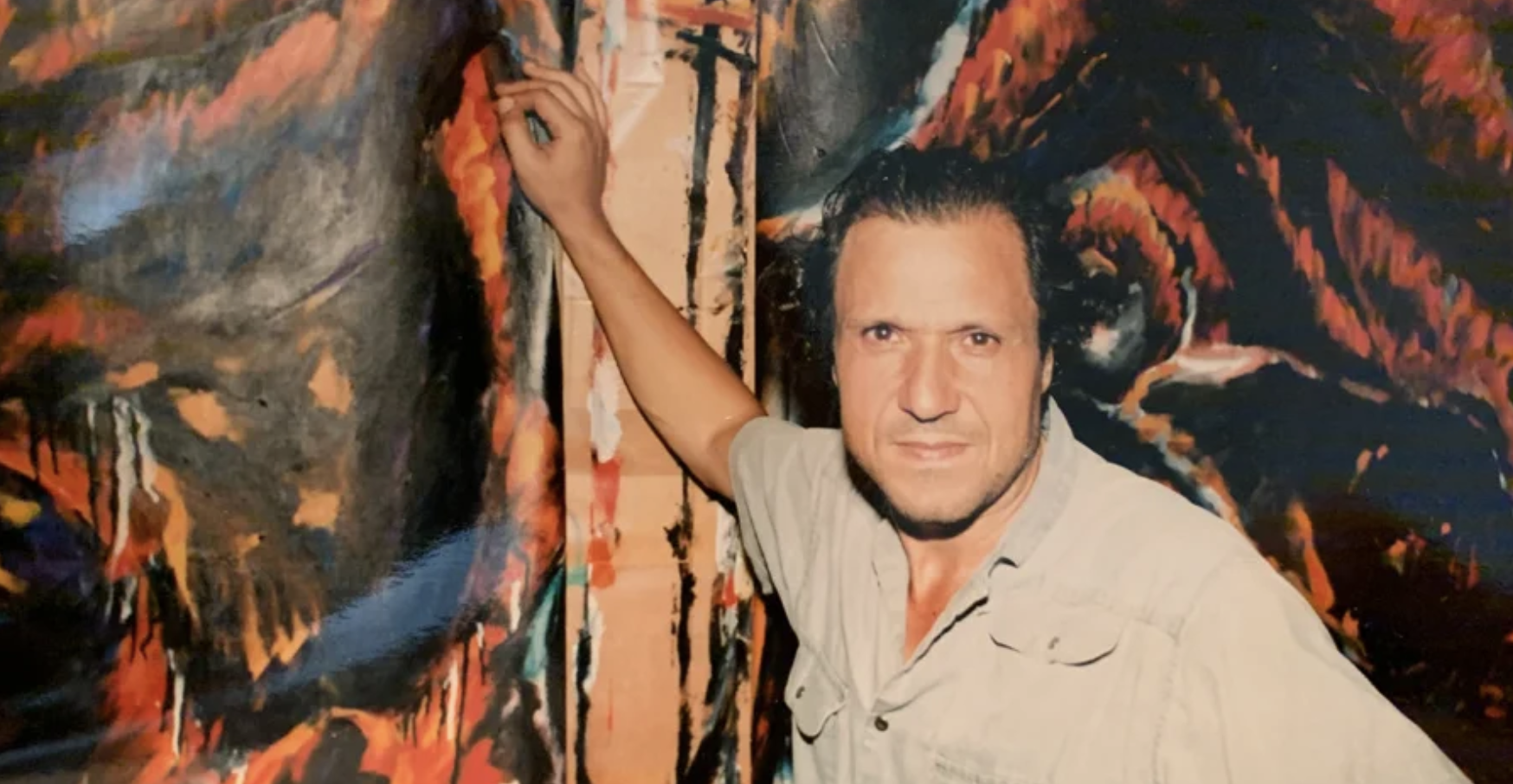
“Vision of darkness balanced by light”: Lebanese-American Artist Nabil Kanso’s Works Express the Current Moment, Decades After Their Creation
Nearly six decades after Kanso moved to America and began his career as a visual artist, his work remains enormously important, channeling the zeitgeist of our uncertain and violent era. Yet as dark as Kanso’s vision is, he also reminds us that even the most hellacious of contexts can contain light and the possibility of rebirth and renewal.
American Diplomacy Toward Lebanon With Amb. David Hale
Ambassador David Hale joins MEI’s US-Lebanon Fellow Fadi Nicholas Nassar to discuss his book American Diplomacy Toward Lebanon: Lessons in Foreign Policy and the Middle East. They cover takeaways from his time as ambassador and the state of US-Lebanon and regional diplomacy following the Gaza war.
Crossroads in Idlib: HTS navigating internal divisions amid popular discontent
As the world focuses on Israel’s war in Gaza, northwest Syria is undergoing a significant political upheaval that could lead to major instability. For the last three months, Hay’at Tahrir al-Sham, an armed Sunni Islamist group that governs more 4.5 million people in the Idlib region, has been facing widespread protests.
Syrians turn to street justice to free relatives from Assad's prisons
In recent weeks, the southern Syrian province of Sweida has seen a series of kidnappings targeting regime military officers. Unlike the financially motivated incidents common in the region, these abductions, which occurred on April 2 and 25, stand out because they targeted individuals based on their affiliation with the regime of Bashar al-Assad rather than their personal identities. Reports suggest that Sweida residents orchestrated the abductions as a way of negotiating the release of relatives detained by the regime.