Oman’s regional role in a time of challenge and change
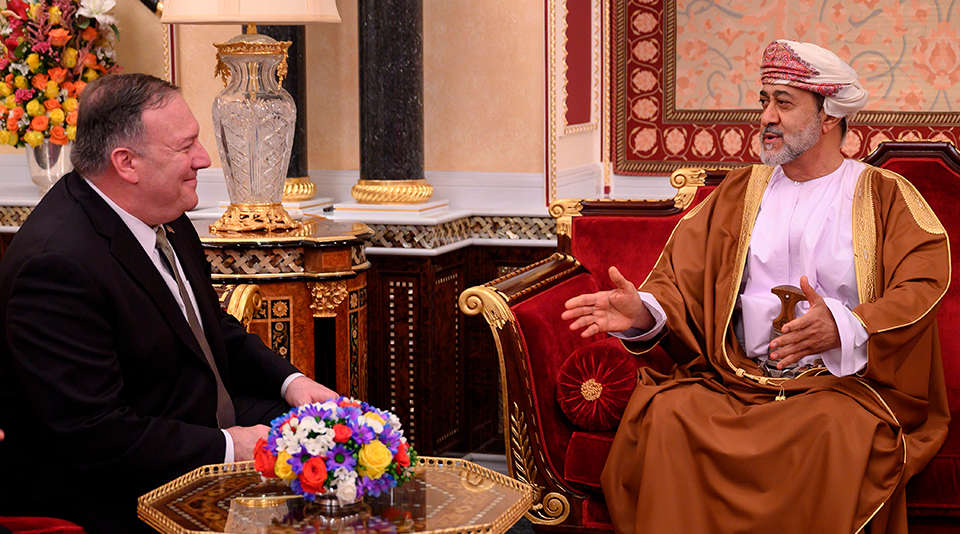
Oman’s independent and creative foreign policy has been a boost to a region fraught with instability, but the combination of a new sultan and an adverse regional environment means Muscat’s trademark foreign policy may be diminished.
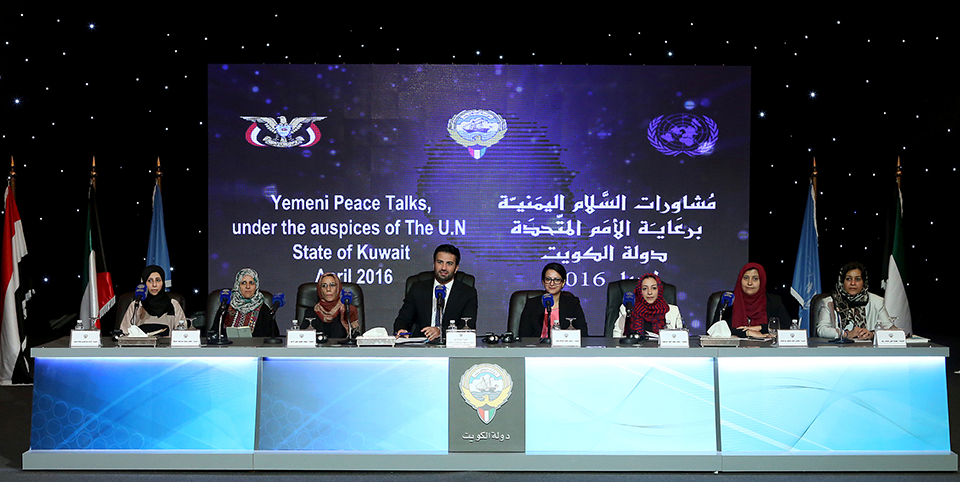
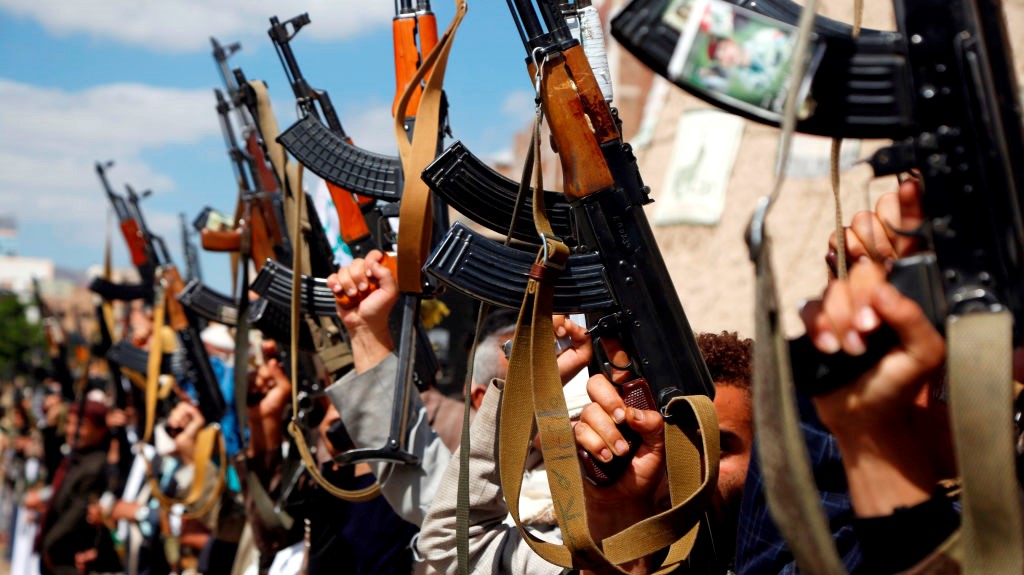
When the Saudi-led coalition launched military operations against the Houthi insurgents on March 26, 2015, all of the Gulf Cooperation Council (GCC) states, except for Oman, joined the multinational force. As has become clear, each of the Arab Gulf sheikdoms has its own national interests and unique history of relations with Yemen and Yemeni factions, and these have shaped their changing perceptions of the war over the past five and a half years. Kuwait’s role in Yemen’s multidimensional conflict is a case in point.
The EU steps up its engagement in Yemen, but is it enough?
The conflict in Yemen poses a real threat not only to its immediate neighborhood, but also to global players such as the European Union. Although the country is located relatively far away from the EU’s external borders, instability on the Arabian Peninsula could seriously affect European interests and security.
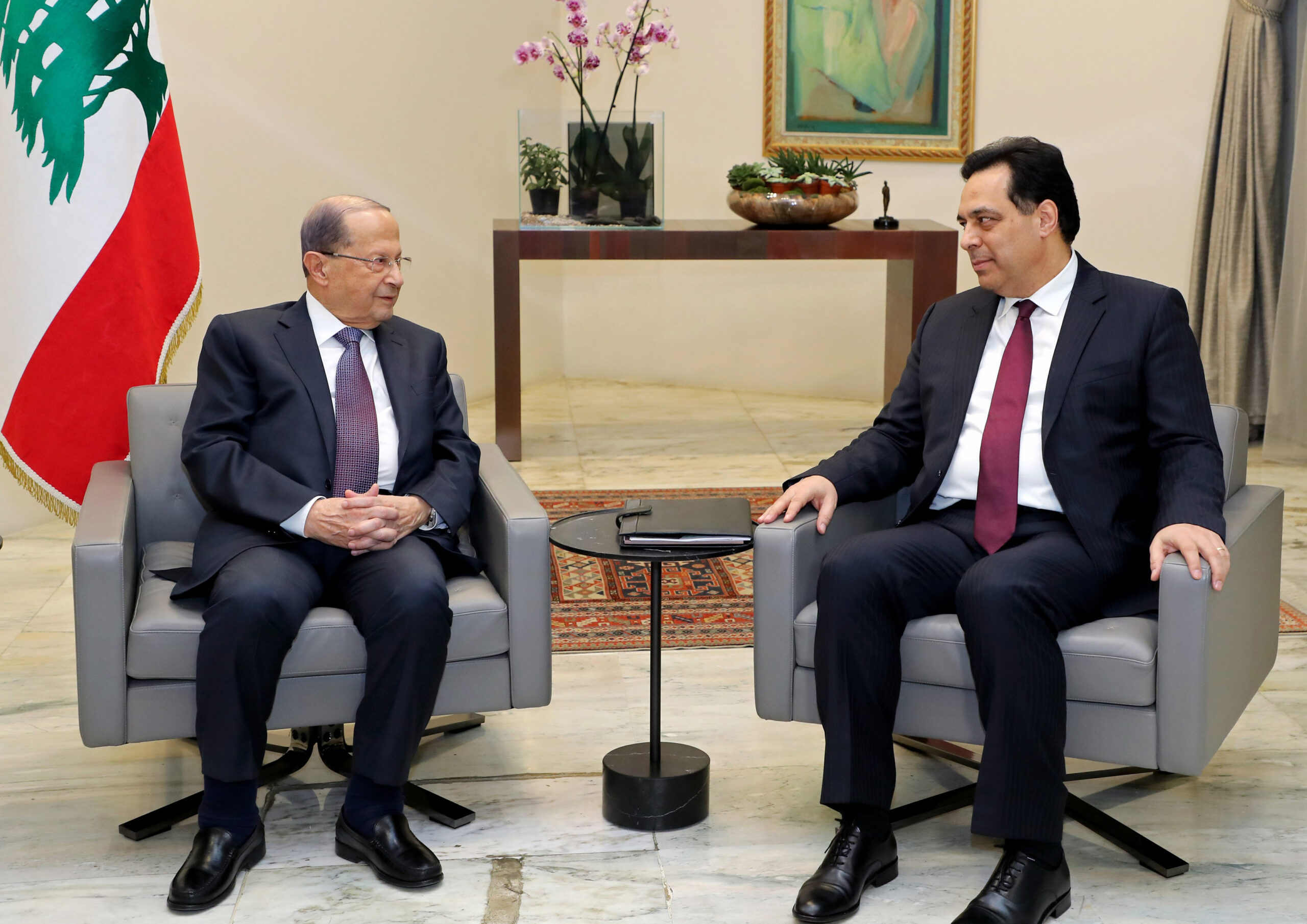
Monday Briefing | Lebanon: The twilight of an impotent government
This week’s briefing on recent news and upcoming events in the region featuring Paul Salem, Hafsa Halawa, Marvin G. Weinbaum, Anne-Linda Amira Augustin, and Gerald Feierstein.
Linking the past to the future: Economic diversification and tourism in Oman
Oman’s new ruler, Sultan Haitham, only has a short timeframe in which to aggressively diversify the country’s economy and reduce its dependency on hydrocarbon exports. This already difficult task is further complicated by the twin challenges of the global coronavirus pandemic and low oil prices, both of which limit the government’s fiscal room for maneuver. One obvious sector that Oman should consider expanding rapidly is its tourism industry.
Jerry Feierstein, Karen Young, and Dania Thafer join host Alistair Taylor to discuss the political, economic, and foreign policy challenges facing the sultanate and its new ruler, Sultan Haitham bin Tariq, who ascended to the throne following the death of Sultan Qaboos, Oman’s long-time ruler, in early January.
Defusing a “floating bomb”: Yemen’s impending Safer disaster
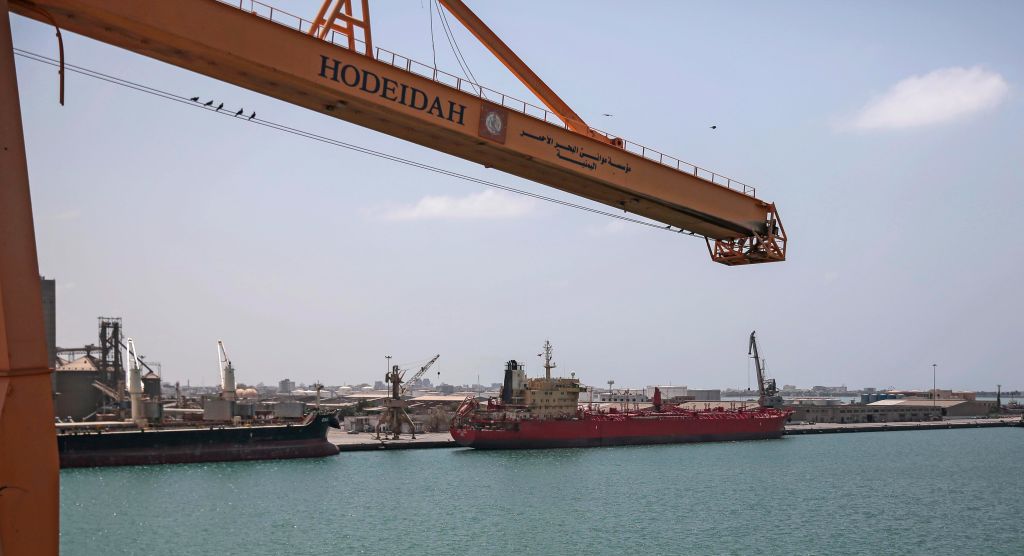
Having given Yemen’s Houthi rebels control over the ports of Hodeida governorate on humanitarian grounds as part of the December 2018 Stockholm Agreement, the international community has failed to address the looming environmental, economic, and political threats presented by the decaying Safer oil tanker sitting offshore — a “floating bomb” waiting to explode.
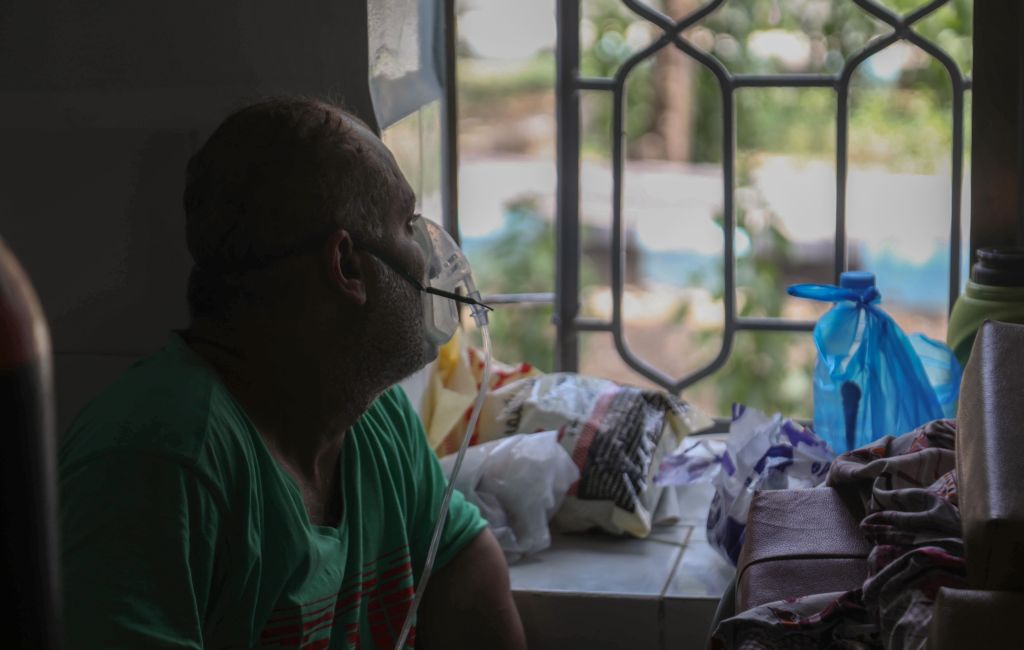
Since Yemen was first hit by the coronavirus in April, the southern port city of Aden has gone on to become the epicenter of COVID-19 in the country. While the number of cases and deaths remains low, the situation on the ground in Yemen is far more complex than the official numbers suggest.
From Dependents To Allies: America's Gulf Relations Need Reform
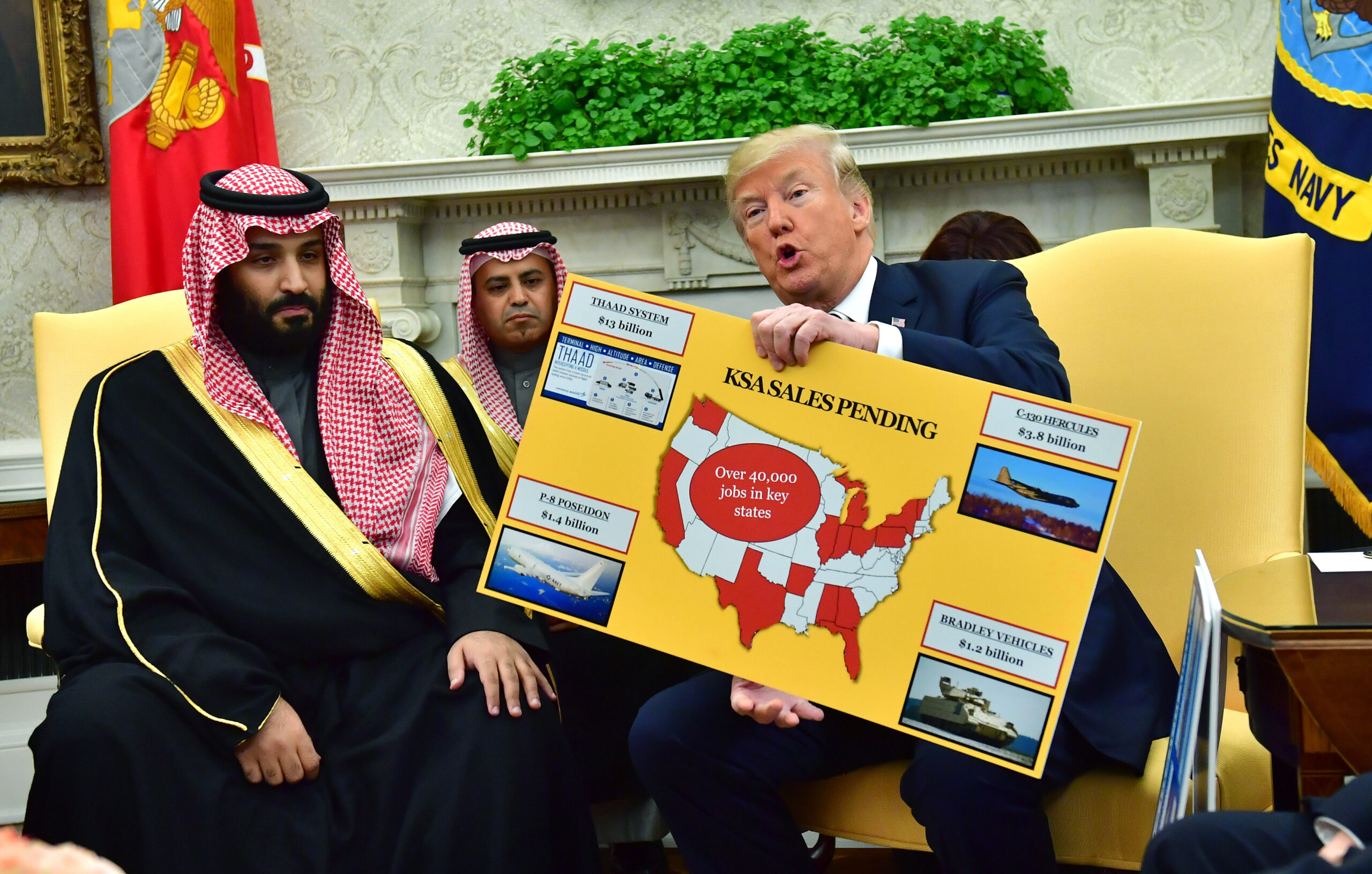
During three major crises, each happening under a different administration, the U.S.-Gulf partnership failed to effectively address the security concerns of the Gulf states. While no partnership is perfect, such major and persistent breakdowns in coordination among longstanding security partners are uncommon, and can be deadly if left unresolved.
Yemen’s botched pandemic response and fragile conflict dynamics allow COVID-19 to spread undetected
On April 2, 2020, the Houthi version of Saba News Agency in Sanaa announced the first coronavirus case in Yemen, but shortly afterwards it retracted the news and the deputy chairman of the agency’s board of directors was fired. Many Yemenis had hoped the Saudi-led coalition’s blockade of the country and its resulting isolation might have helped to prevent an outbreak.
Gulf regimes may oppose annexation, but they helped bring it about
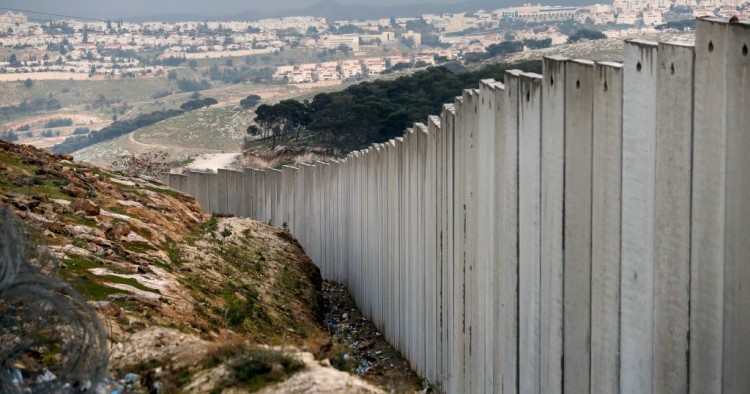
Leaders of Arab Gulf regimes now decry the attempt to implement the vision of the Israeli Right, which aims to prevent the establishment of a Palestinian state. But it is exactly the policies of the Arab Gulf regimes, through their normalization of ties with Israel at the expense of the Palestinians, that directly contributed to the rise of the Israeli Right and made this annexation more likely.
What happened in al-Awadh illustrates how the tribes are increasingly caught between the brutality of the Houthis and the incompetence of the Yemeni government.
President Hadi and the future of legitimacy in Yemen
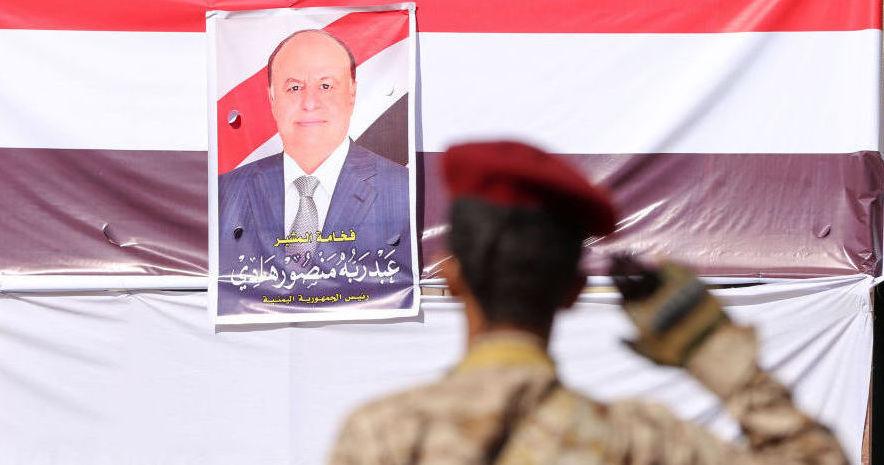
What is the future of legitimacy in Yemen? The question of what would happen if President Abed Rabbo Mansour Hadi were to die has been an unspoken concern for the past several years. It is important to address the question of legitimacy after Hadi because the constitutional rules on how to transfer his authority to a successor and how to avoid a presidential vacuum are impractical given the ongoing conflict.
Protracted conflict on Yemen’s island of Socotra reflects rival geopolitical ambitions
On April 30, roughly a week after the Southern Transitional Council (STC) declared self-administration in Aden, a military confrontation broke out on the remote Yemeni island of Socotra between members of the STC and government forces. After just a few days, the situation was diffused when the island’s governor and the STC asked the Saudis to intervene. Although an agreement was reached quickly, it is likely to be fragile because the causes of the conflict are not entirely local. The island of Socotra is simply too important to multiple international players that are not willing to let it easily slip outside their sphere of influence.
Self-administration: Will it strengthen Yemen’s STC or further complicate the conflict?
A few hours before Ramadan’s pre-fasting suhoor meal on April 25, the Southern Transitional Council (STC), a UAE-sponsored regional secessionist movement, abruptly announced self-administration in Yemen’s South and a state of emergency.