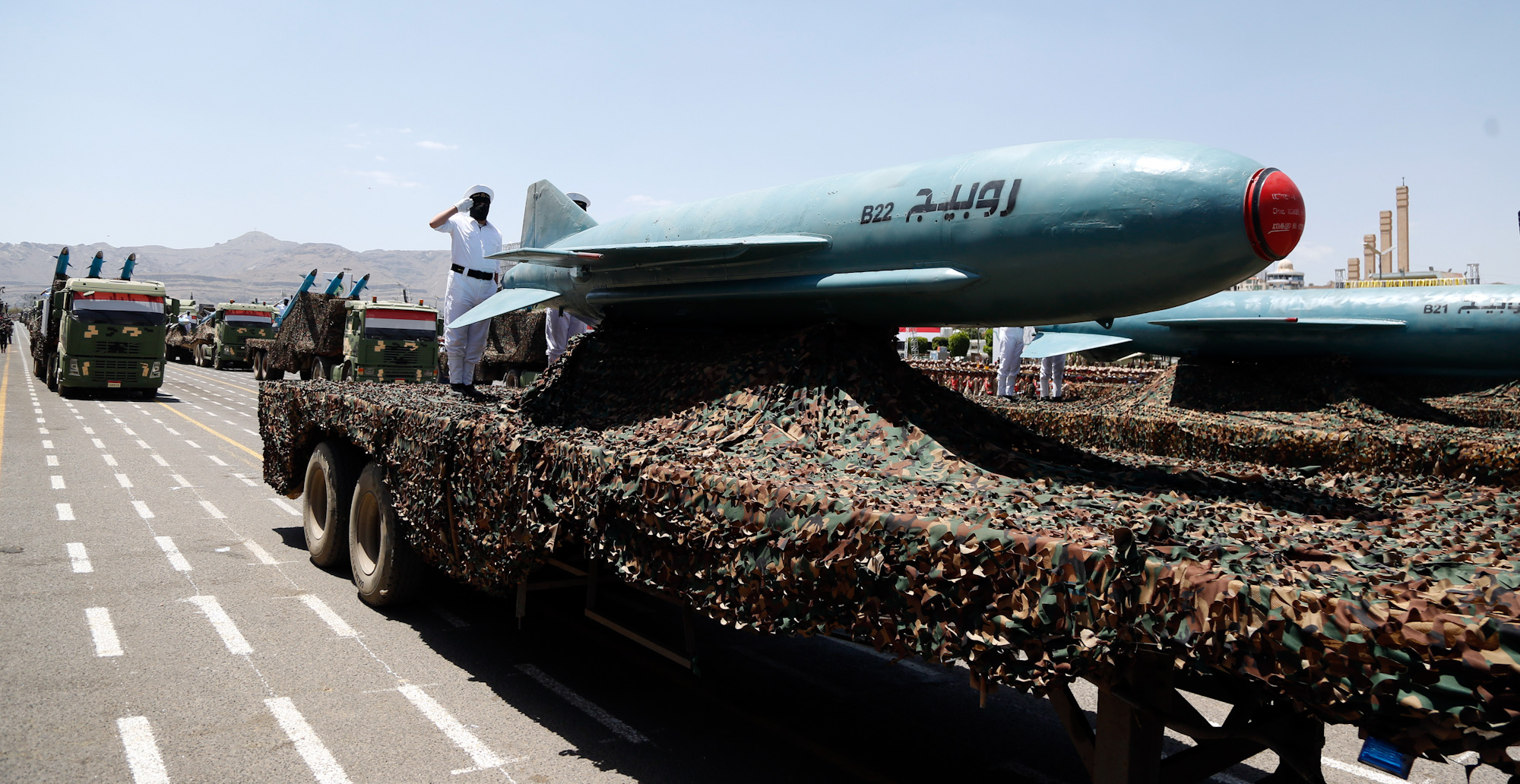
Despite the Houthis’ geographical distance from Israel and perceived limited capabilities, the threat they represent is all too real and if underestimated, they have the potential to derail diplomatic efforts and destabilize the region, with potentially catastrophic consequences.
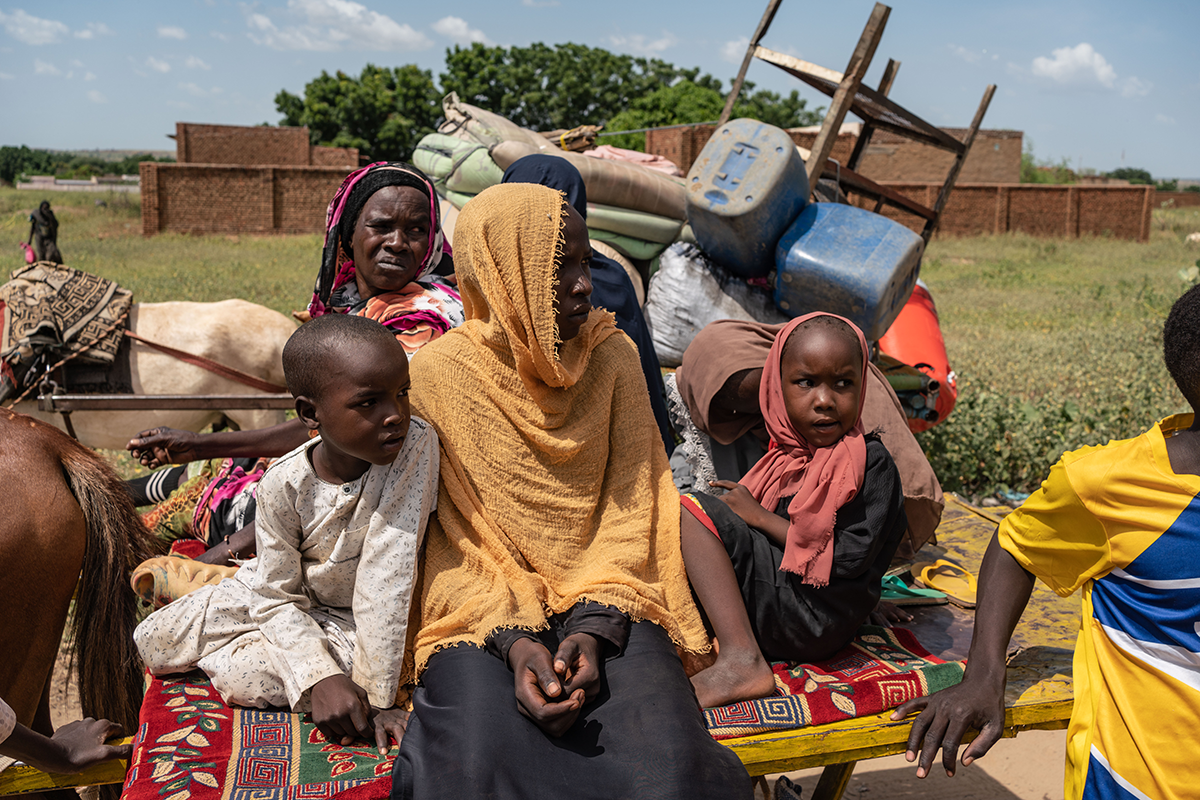
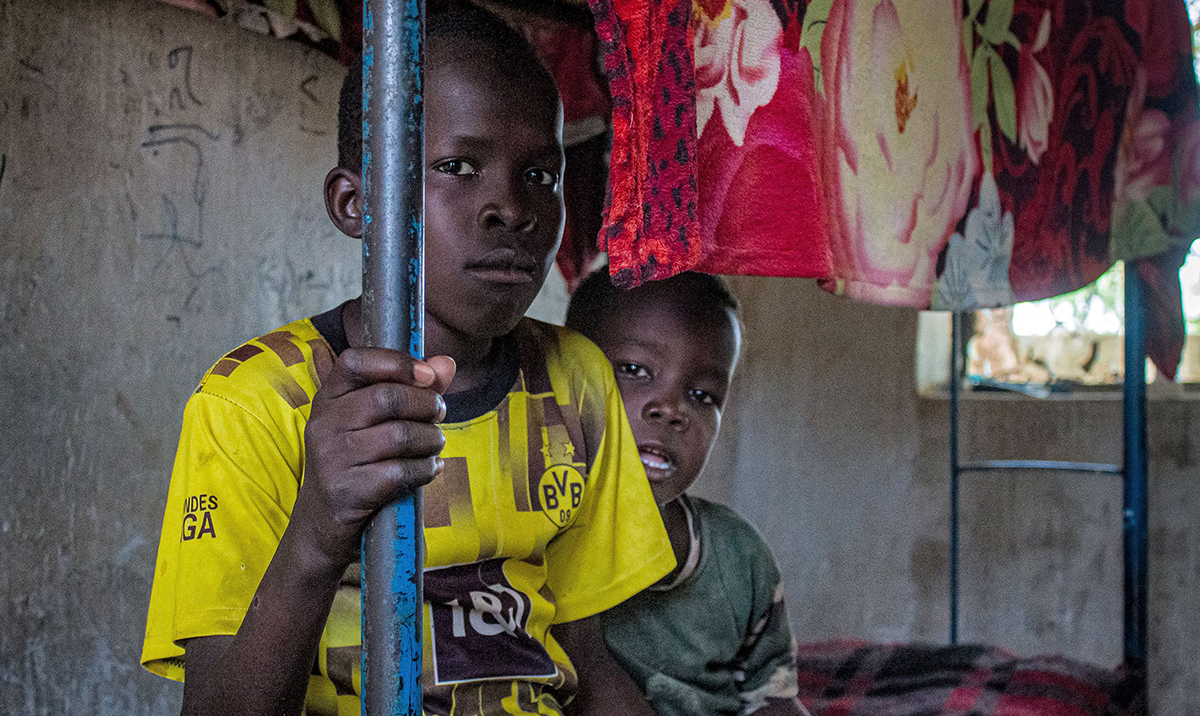
It isn’t a surprise that Sudan’s two warring sides — the Sudanese Armed Forces and its sprawling paramilitary Rapid Support Forces — did not agree to a ceasefire. When they resumed talks in Jeddah, mediated by the U.S. and Saudi Arabia in late October, the RSF was busy launching a major offensive on the vast western region of Darfur.
China’s growing maritime presence in Egypt's ports and the Suez Canal
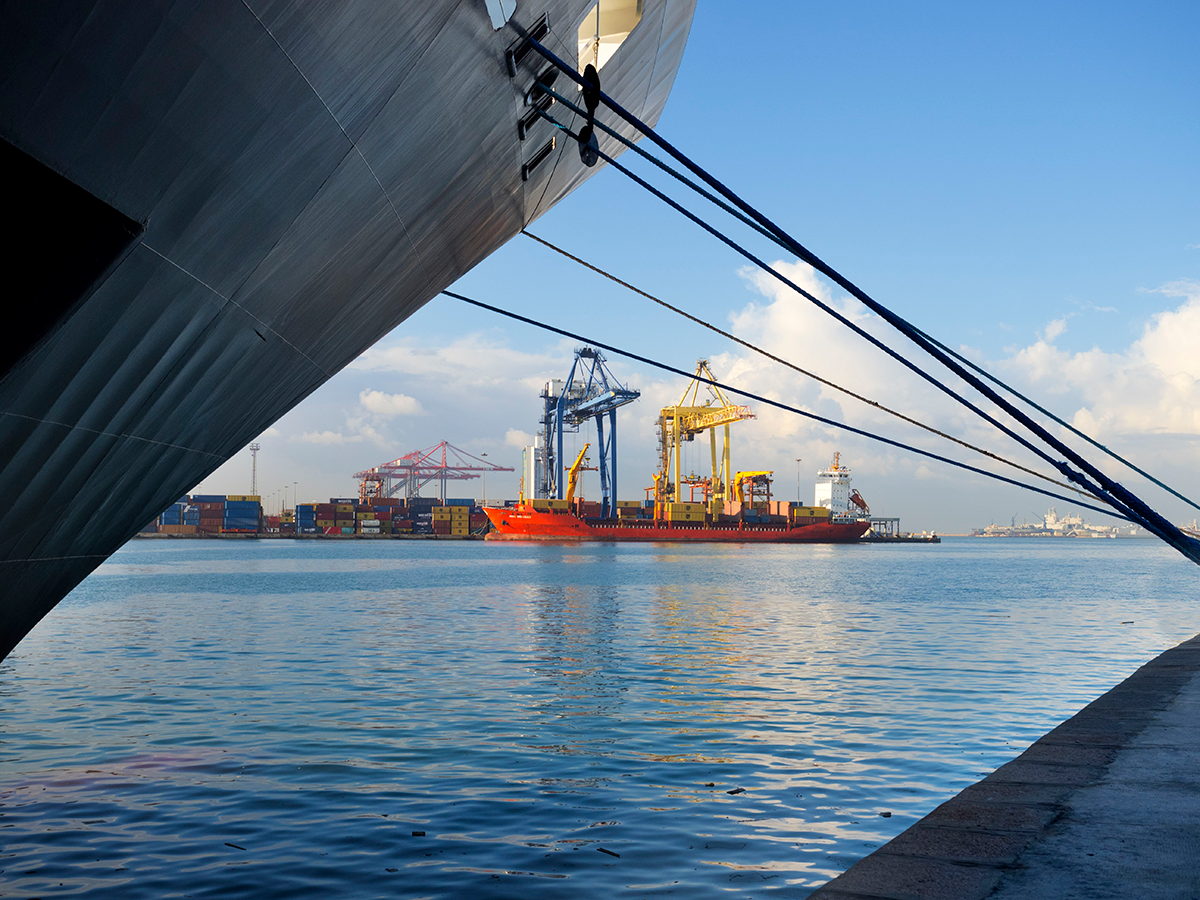
In recent years, China’s presence in Egypt’s strategic ports has grown noticeably, including the involvement of both private and state-owned Chinese companies. While this reflects Beijing’s growing ambitions in the region, the opacity of the Sino-Egyptian agreements and the blurry lines between China’s commercial ports and its military aspirations raise questions about the potential implications.
Expert Views: US diplomacy and the Israel-Hamas war
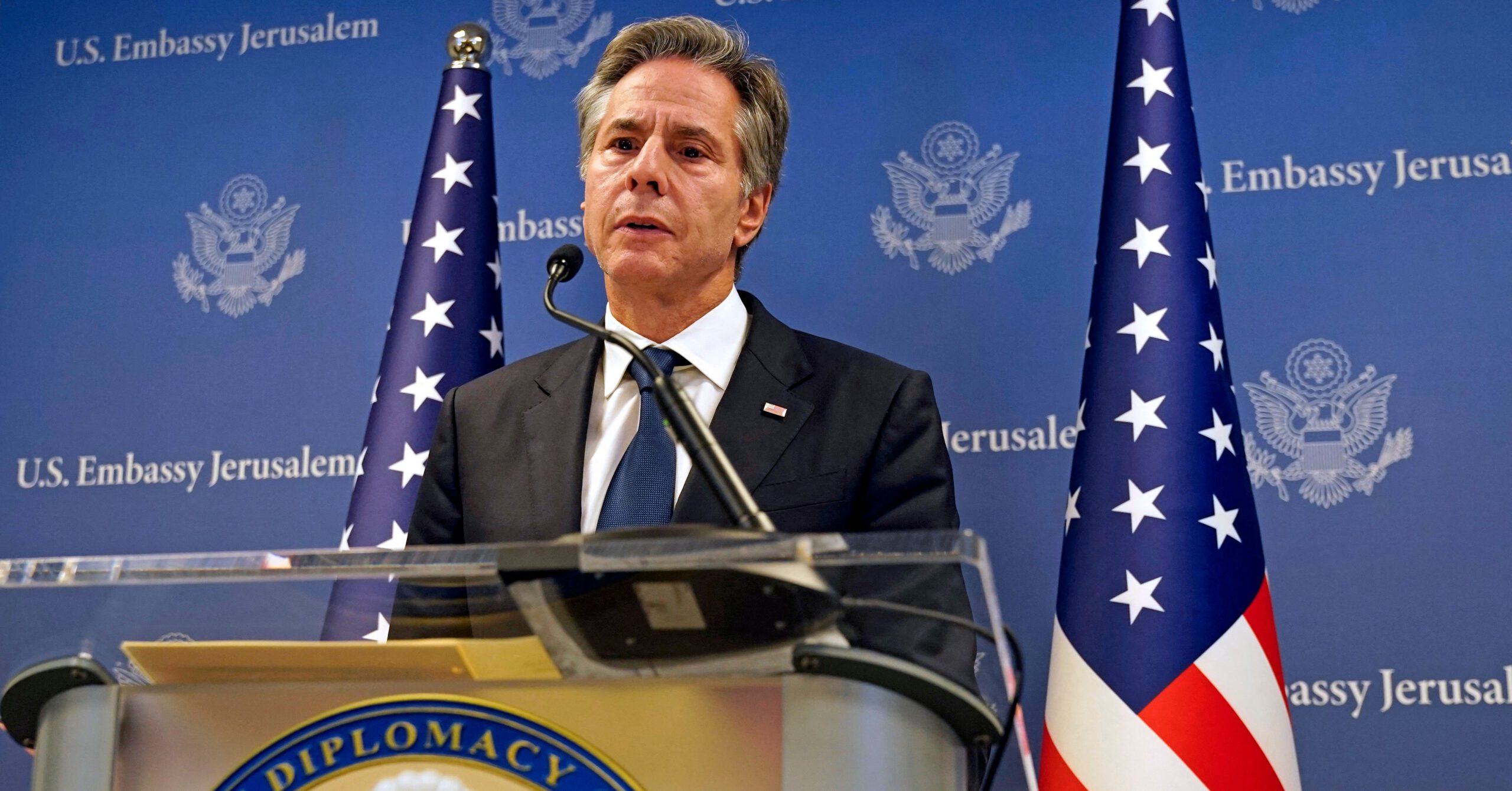
What further diplomatic steps should the U.S. take to respond to the Israel-Hamas war and its broadening regional reverberations? MEI has asked a group of former U.S. ambassadors and senior government officials specializing in the region to weigh in.
The war in Gaza as a major test of China’s Middle East peace diplomacy
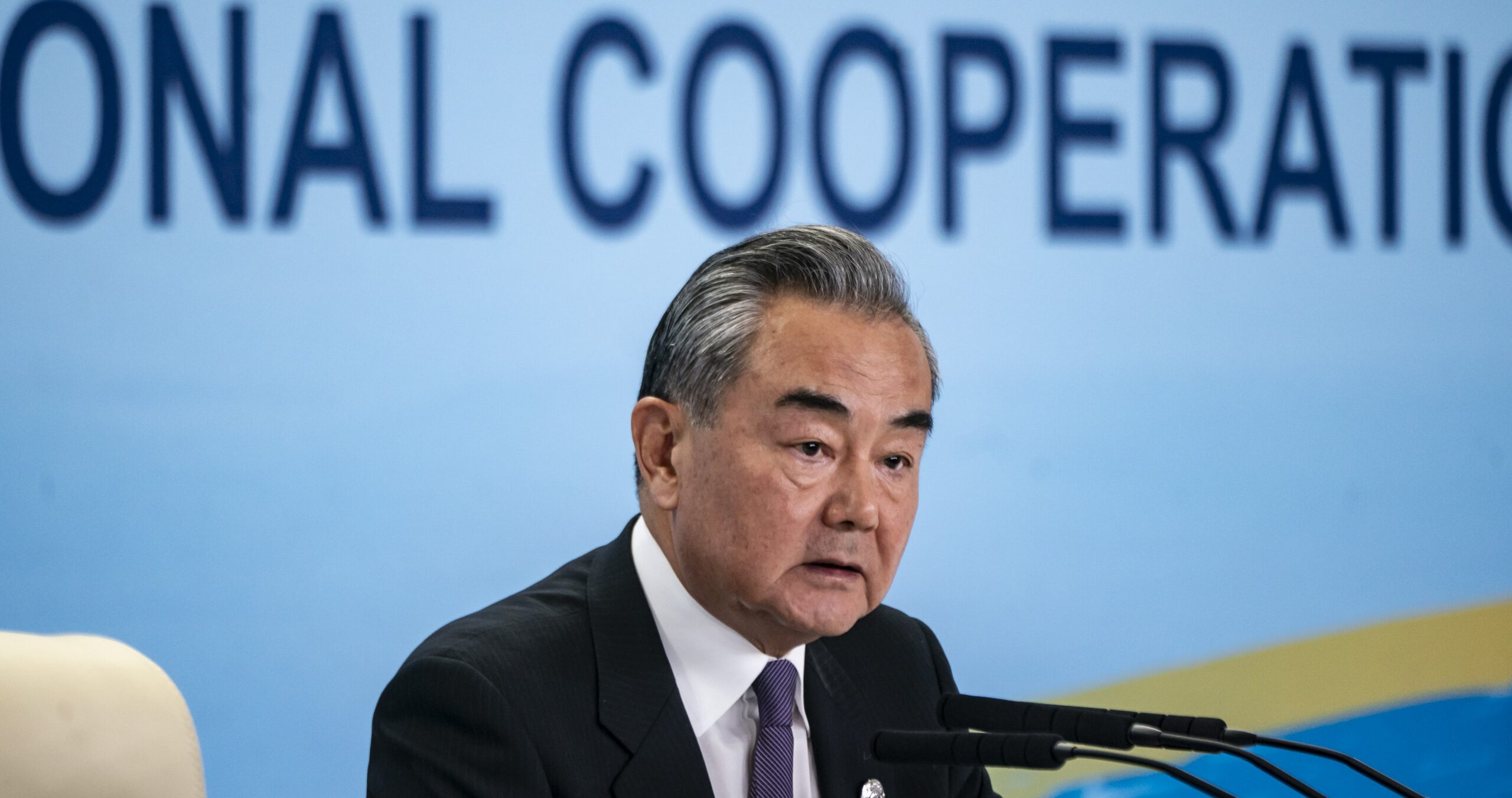
China has long sought to brand itself as a “neutral” player and force for peace in the Middle East and elsewhere, willing and able to talk to “all sides.” Beijing’s nascent ambition to play the role of peacemaker and its potential to shape regional events was on display when it succeeded last March in brokering the détente between Riyadh and Tehran. The Israel-Hamas war offers no such low-hanging fruit. On the contrary, it poses a major test of China’s Middle East peace diplomacy — and an opportunity to examine some of our own, perhaps faulty assumptions.
As Israel-Hamas war begins, it’s not too late to shape this historic inflection point
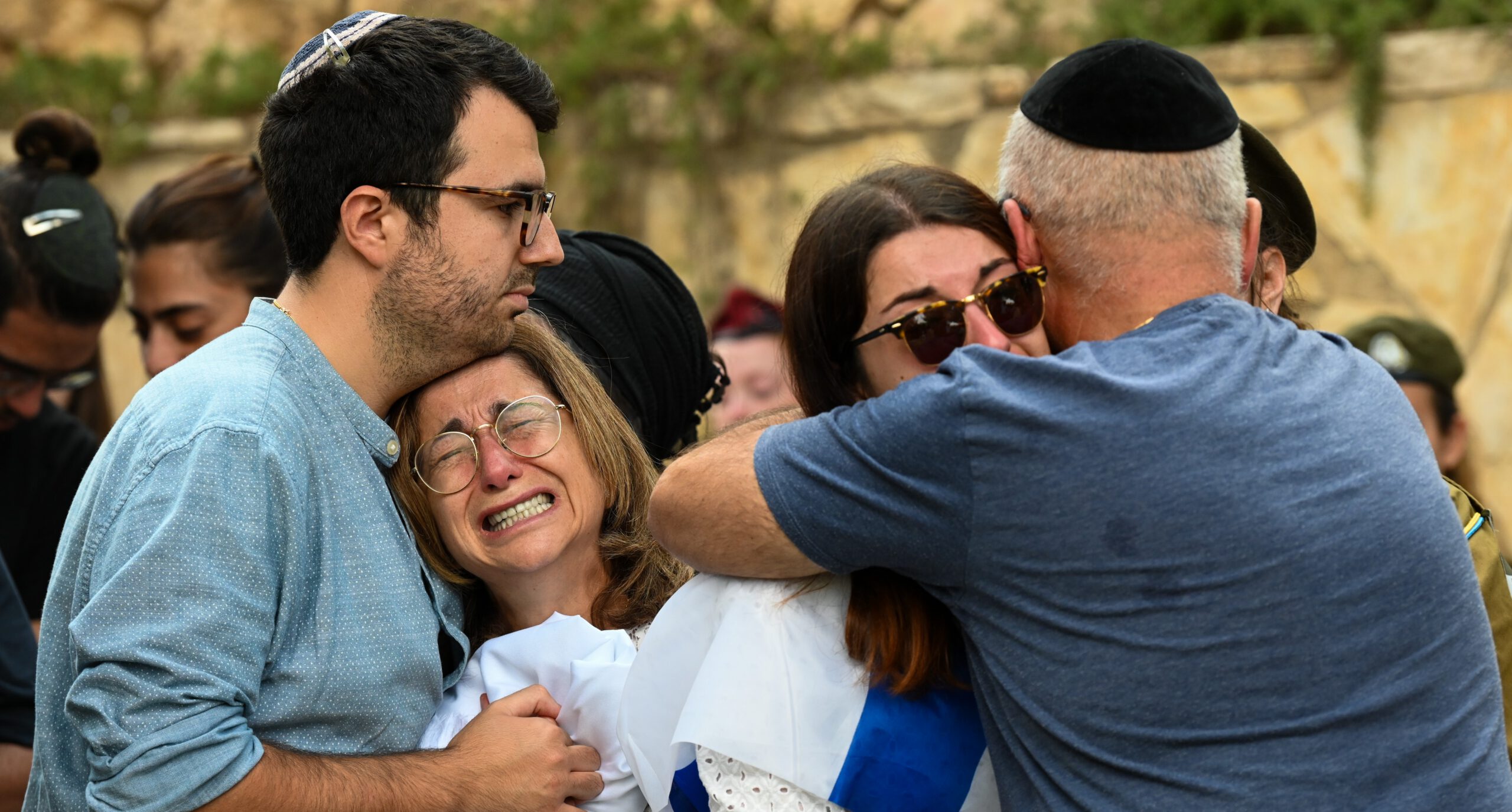
Hamas’ murderous raid on Oct. 7, resulting in the deaths of more than 1,300 Israelis, mostly civilians, may well turn out to be a consequential inflection point, having unleashed political and popular forces that could lead in a positive or, just as likely, extremely negative direction.
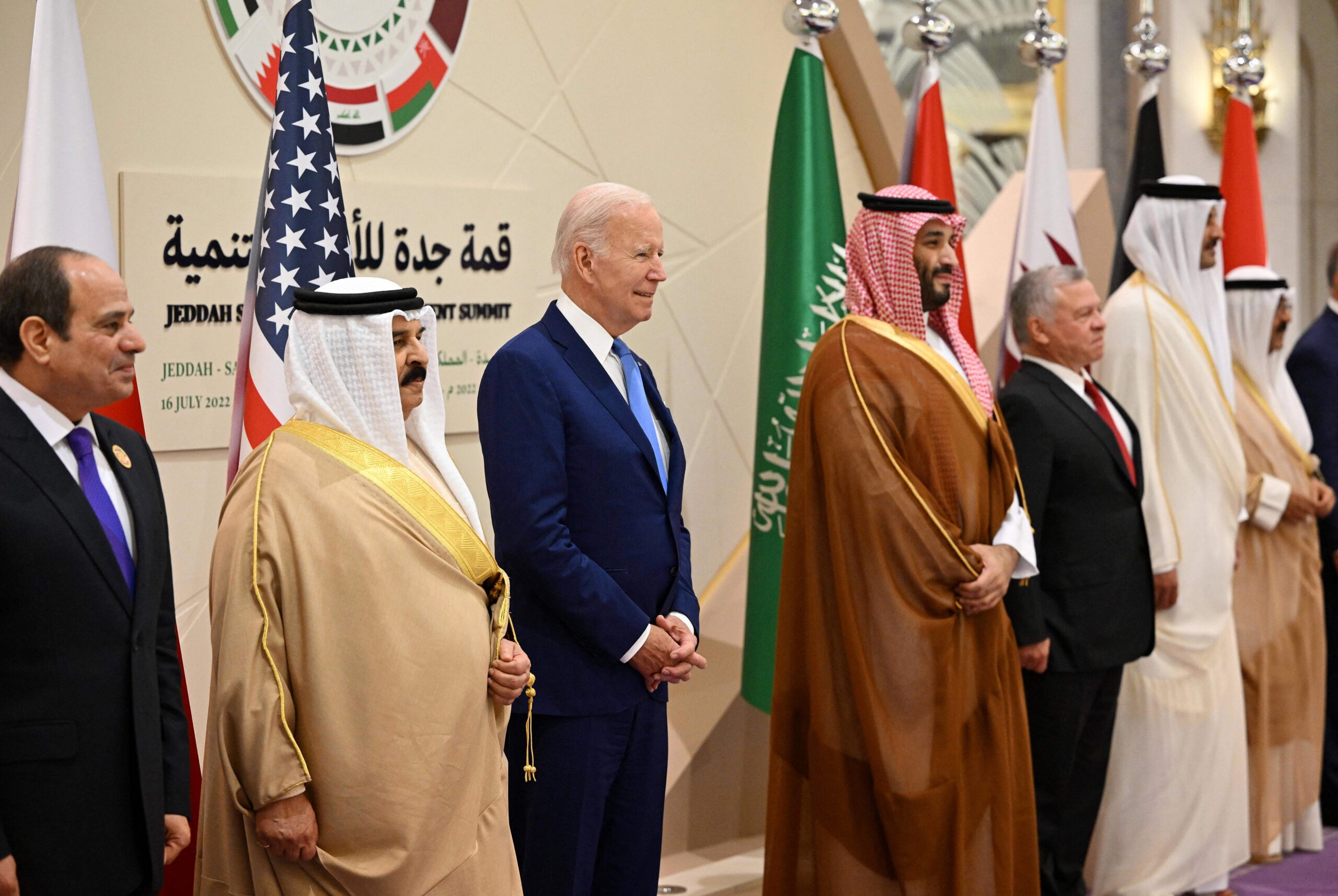
Treading Cautiously on Shifting Sands: An Assessment of Biden’s Middle East Policy Approach, 2021-2023
This report provides an interim assessment of the Biden administration’s overall Middle East strategy and examines the strategic opportunities and risks for U.S. policy in the broader region.
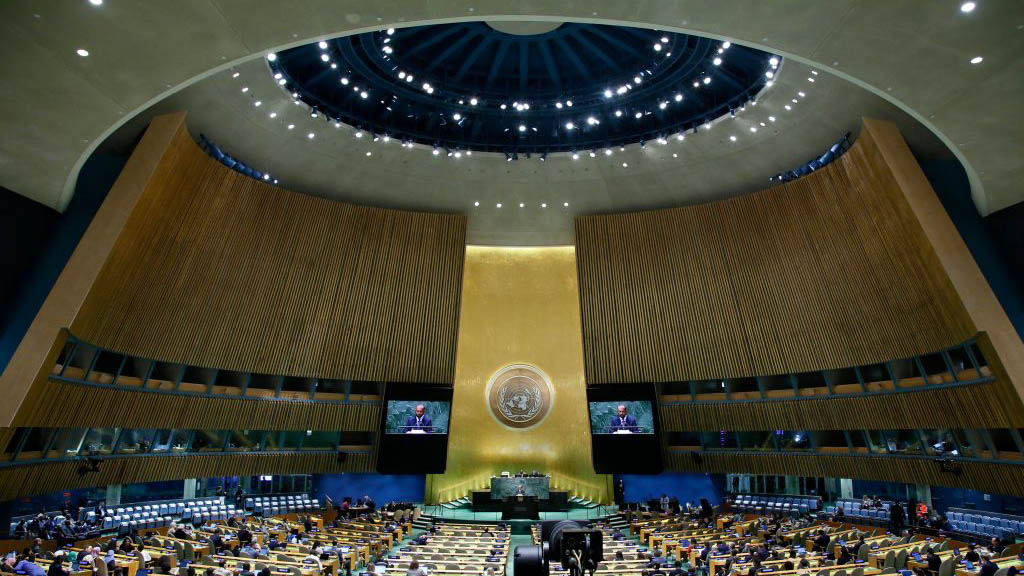
Nearly five months on, Sudan’s war between its army and largest paramilitary force has destroyed much of Khartoum, the adjacent cities of Bahri and Omdurman, as well as key towns in Darfur. The warring forces have killed thousands of civilians, destroyed critical infrastructure, and forced a staggering 4.9 million people to flee their homes. The U.N. is providing important humanitarian assistance, but it should be doing far more, especially to advance accountability and improve coordination in the messy diplomatic arena. Both the high-level week in New York and the Human Rights Council session in Geneva present opportunities that it should not squander.
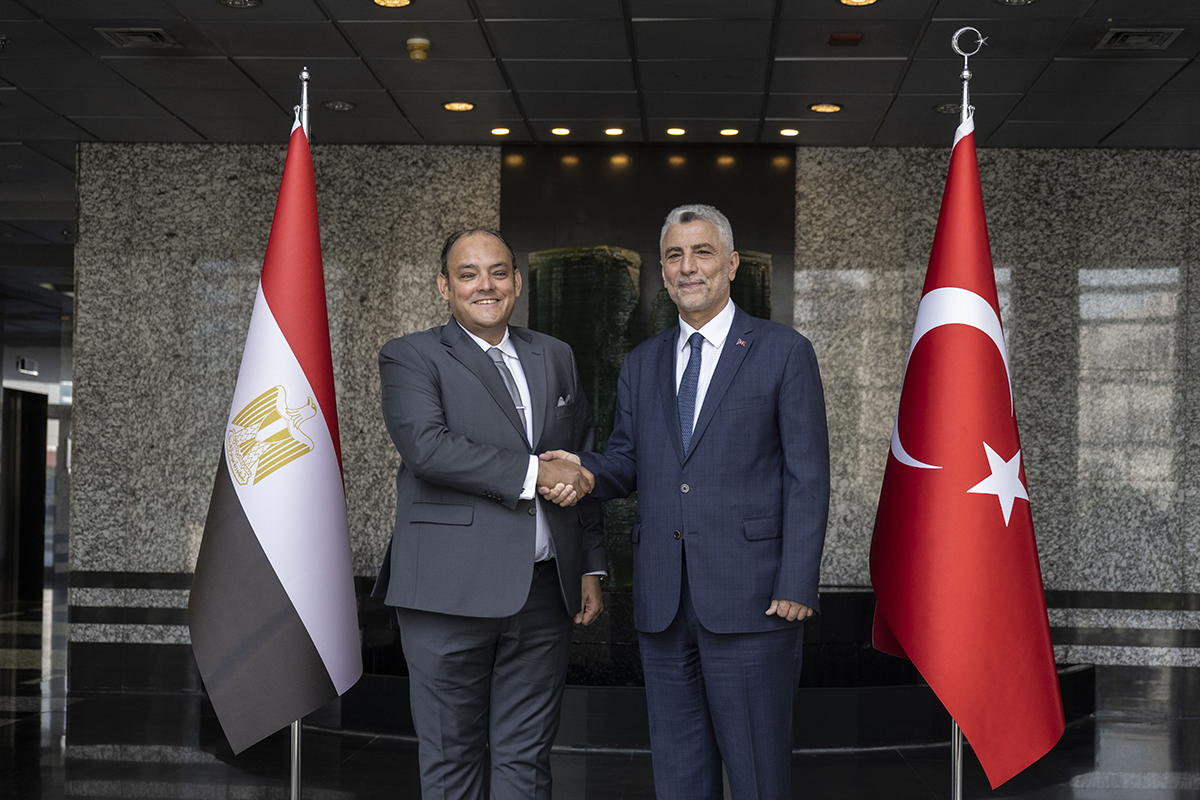
Putting Egypt-Turkey relations on a sustainable footing
Turkey and Egypt, two influential regional players with a complex history of cooperation and conflict, are now working on mending their ruptured ties. As officials navigate this process, it is essential to identify practical steps to capitalize on the diplomatic breakthrough. Sustainable peace can only be ensured by shifting the focus from political ideology to shared interests. One way to do that is by creating an inclusive, multi-track process that involves state institutions, businesses, NGOs, academics, and the grassroots.
Power cuts in Egypt: A political liability for Sisi ahead of the upcoming elections
A brutal heat wave tormenting Egypt since mid-July, resulting in lengthy and repeated power cuts, has turned into a political liability for President Abdel-Fattah el-Sisi ahead of his expected campaign to run for a third, six-year term early next year.