Pakistan’s shifting positions on the plight of Palestinians and relations with Israel
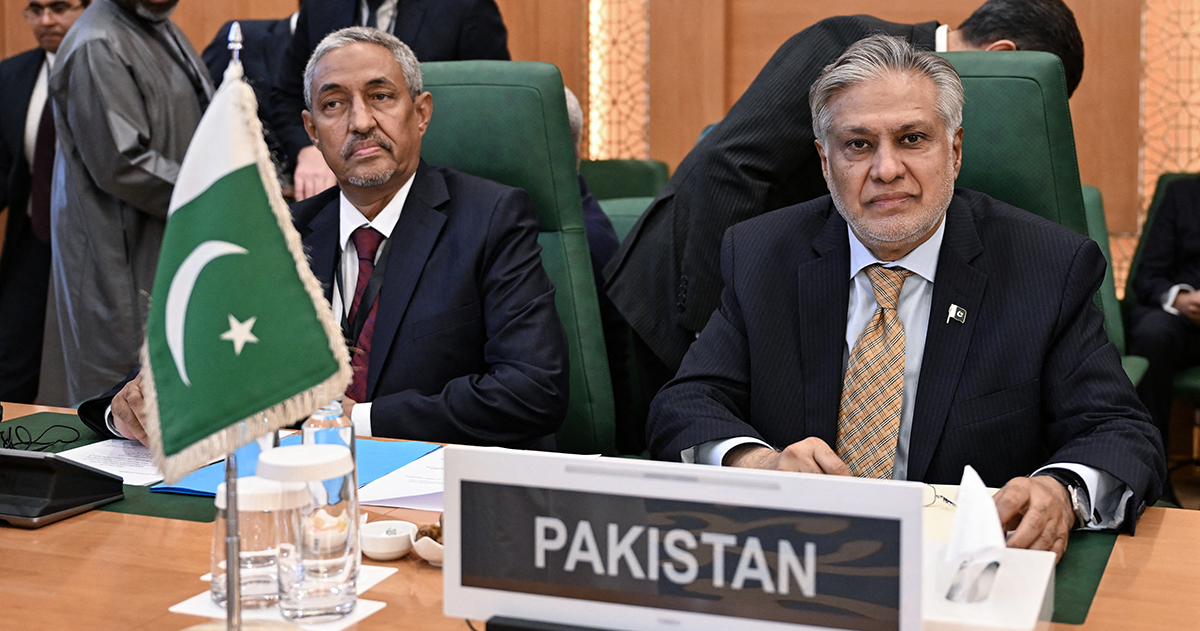
It is ironic that Pakistan and Israel are both countries created in the name of religion, at around the same time, and yet they have no formal relations. While Pakistan’s animosity toward Israel is rooted in the displacement of Palestinians, it has also served as a means of burnishing the country’s credentials within the community of Muslim nations and pushing back against India, which maintains increasingly close ties with Israel.
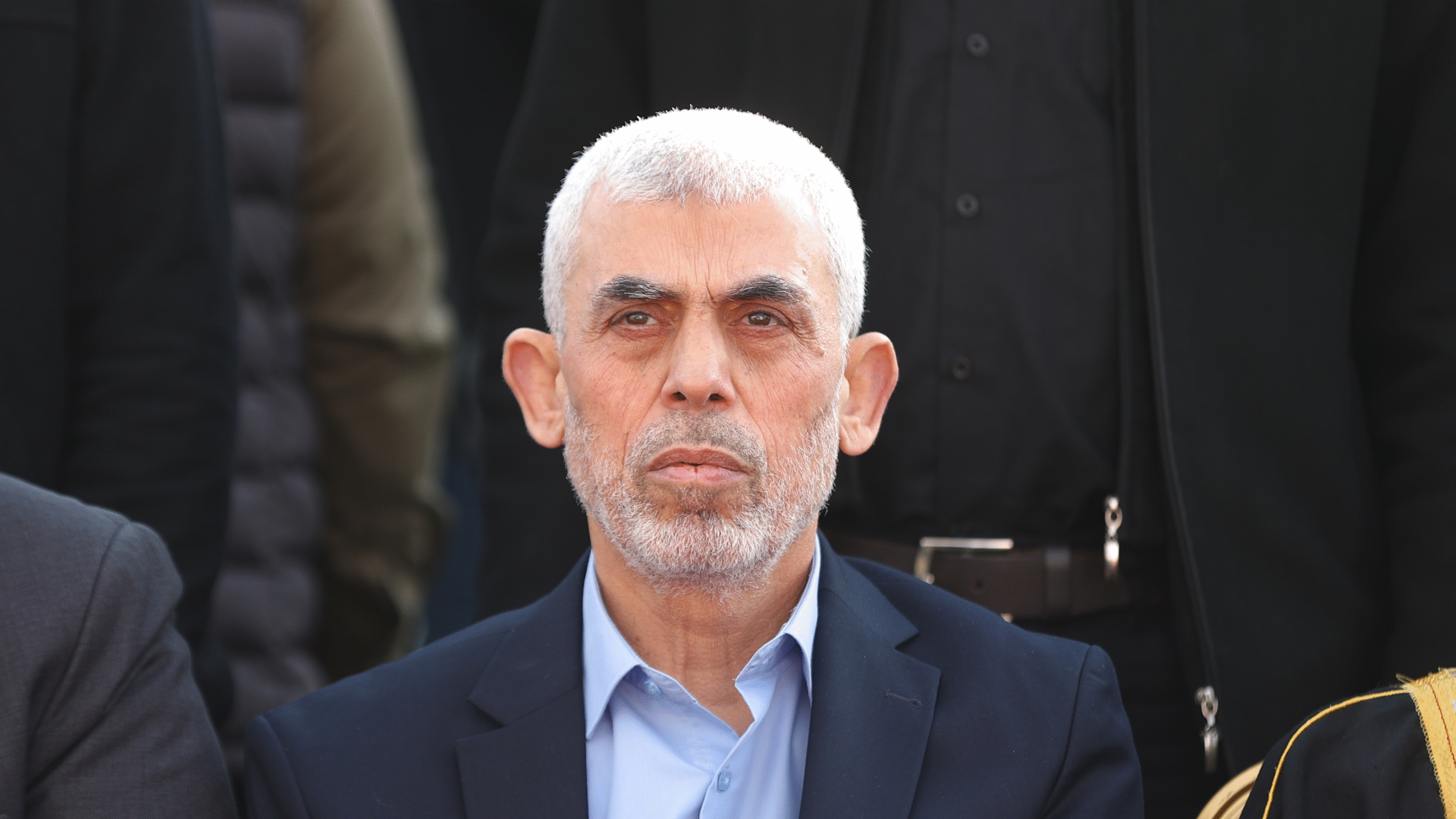
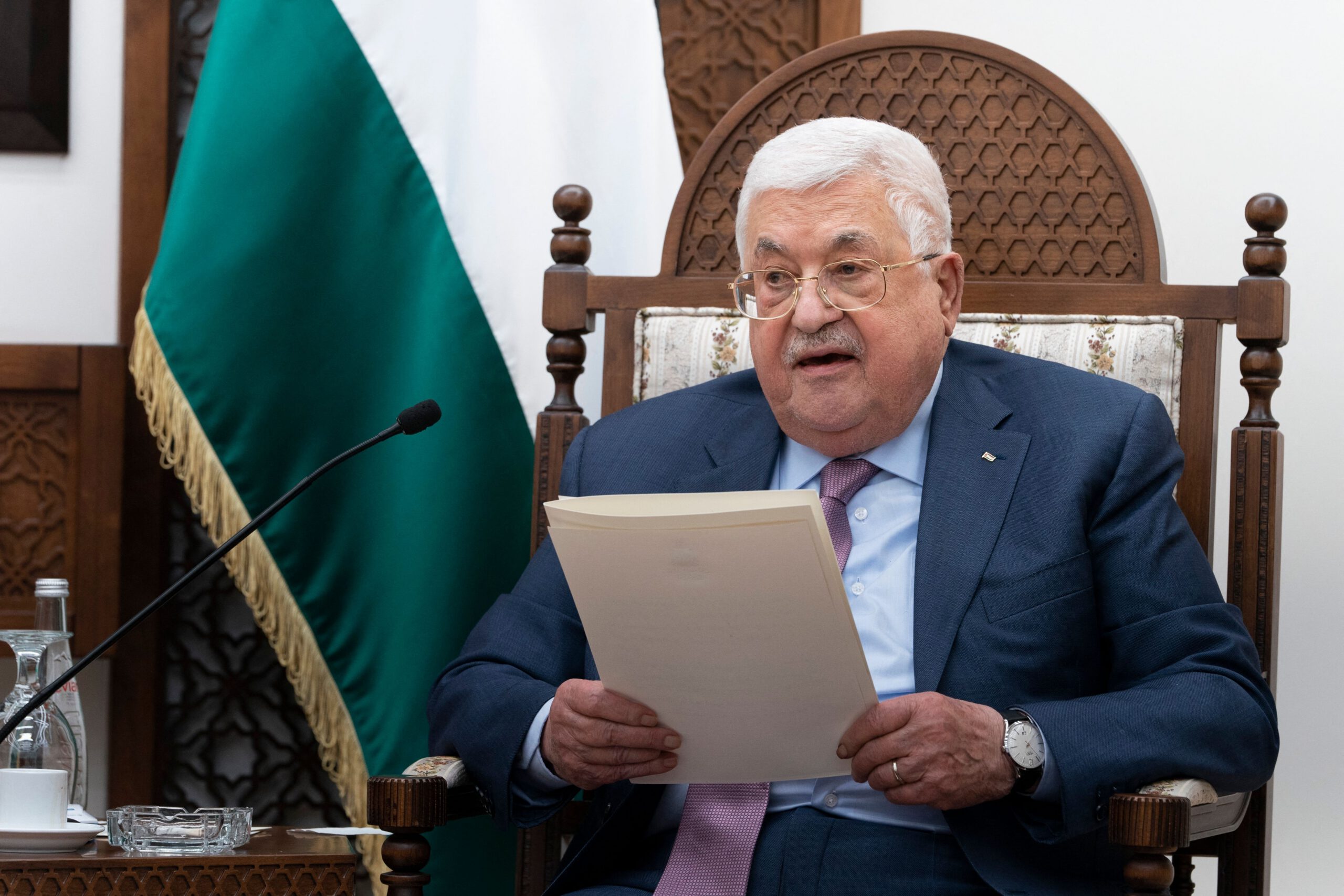
For nearly two decades, Palestinian leadership has been fractured. Along with a basic division between Hamas in Gaza and the Palestinian Authority in the West Bank, numerous other groups have competed for influence. In late July, leaders of all 14 Palestinian political factions, including Fatah and Hamas, met in Beijing to issue a call for national unity.
Israel and the Axis of Resistance in the wake of the Gaza war
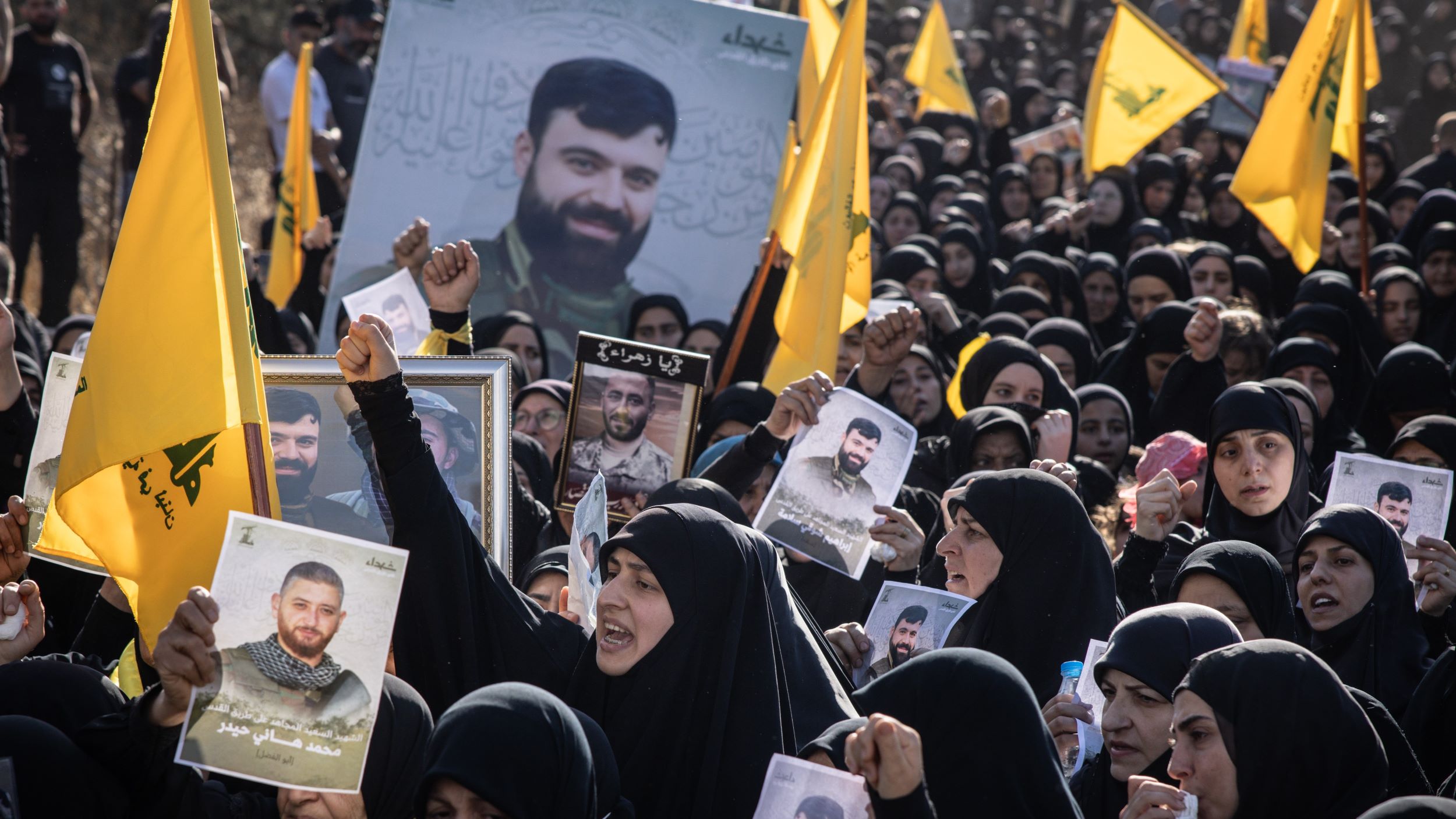
Hamas’ Oct. 7 attack touched off a destructive war with Israel and a limited but fierce regional conflagration between Israel and the Iran-led “Axis of Resistance,” with Lebanese Hezbollah at the forefront. The ongoing conflict has been multi-fronted, multi-faceted, dynamic, and already highly consequential. While a clear bottom line remains elusive, exploring the war’s primary origins and evolution offers useful indicators.
Pakistan's Independence Day highlights deepening ideological divide
On Aug. 14, Pakistan celebrated its 78th Independence Day against the backdrop of a widening ideological and societal divide between proponents of Islamic nationalism and those championing democracy. Seizing the occasion, both the military and political leaders, recognizing Pakistan’s vulnerability to political instability and eroding social cohesion, have sought to shape the national discourse and sway public opinion with their respective narratives.
باكستان والشرق الأوسط: النهج المتطور تجاه أفغانستان
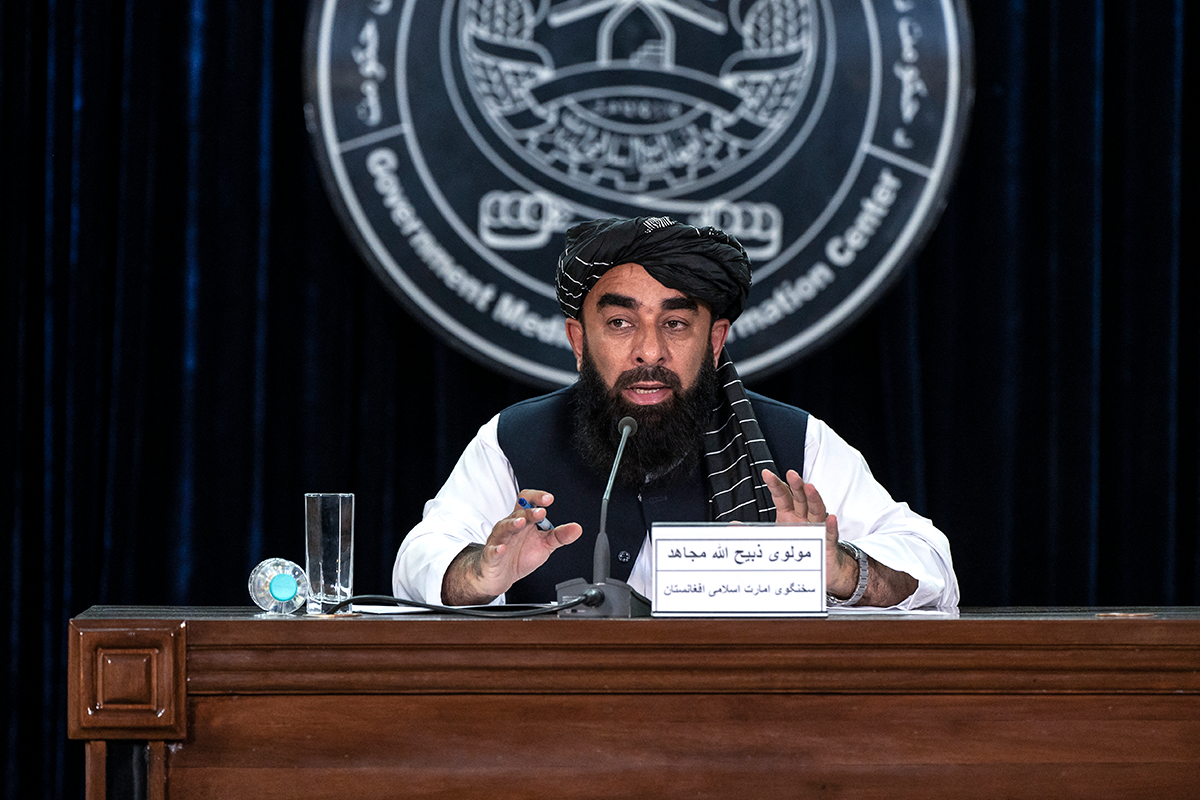
لطالما كانت أفغانستان ساحة للمنافسات بالوكالة بين القوى الإقليمية، التي اتبعت سياسات متباينة تجاه أفغانستان على مدى العقود الماضية من الاحتلال الأجنبي، وتقوم بذلك مرة أخرى الآن في ظل سيطرة طالبان المتجددة على البلاد.
Ten months after October 7, Israel’s reality is gloomy, but with some silver linings
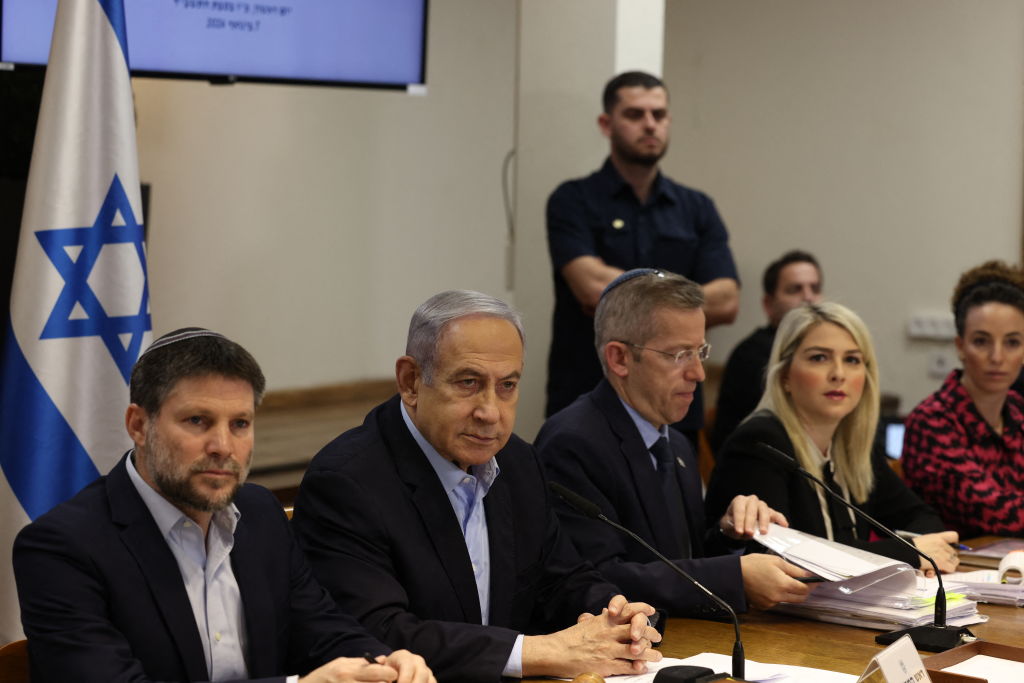
More than 300 days after the Hamas terror attack of October 7th, Israel is stuck in a war that the majority of its society wants to see end, with a governing coalition that most of its population wants to see changed. Just a couple of weeks after US officials stated that we are “closer now than we’ve been before” to an Israel-Hamas ceasefire in Gaza, Israel finds itself instead as close as it has ever been to a war with the Iran-led axis.
The IMF, CPEC, and Pakistan: Will the Chinese save Islamabad yet again?
The China-Pakistan Economic Corridor (CPEC), once heralded as a “game-changer,” has almost disappeared from the spotlight in recent years. The project has faced slow implementation, unpaid loans, corruption, and a dire security situation. How is China responding to Pakistan’s poor handling of CPEC, its perpetual financial troubles, and its periodic demands on China to bail it out?
Monday Briefing: The Middle East is the closest it has ever been to an all-out war
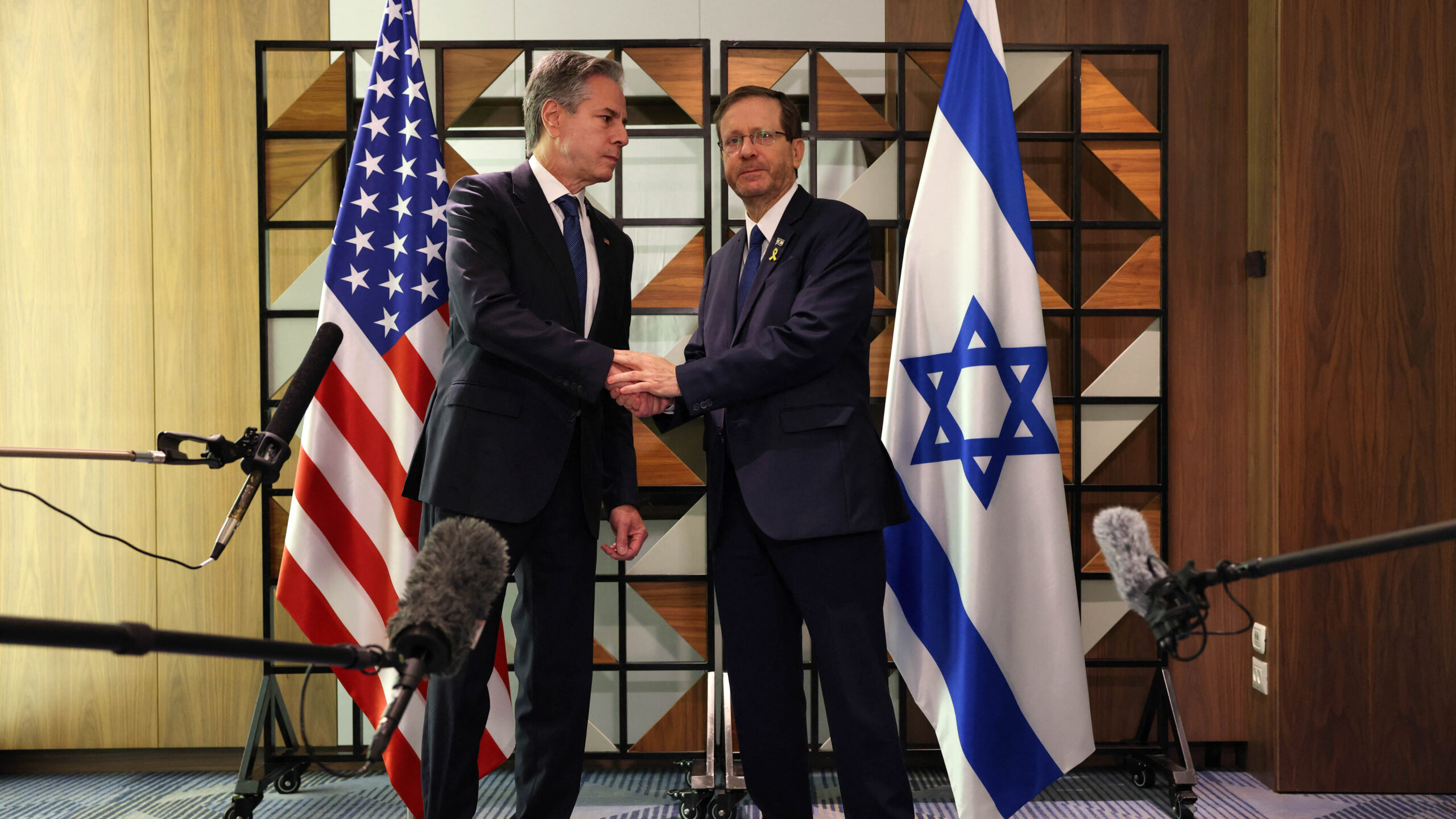
After 10 months of Israel’s war on Gaza, the US administration has lost control over its ally and the fear of its opponents. As a result, Washington has only limited, if any, impact on the cost-benefit escalation calculus of the fighting sides. The Middle East is today the closest it has ever been to an all-out multi-front regional war.
Iran strives to become a pan-sectarian Islamic power
The success of Iran’s Islamic Revolution in 1979 marked the first time in modern history that a secular regime in the Middle East was toppled in favor of a theocratic, Islamist order. Over the following decades, the Islamic Republic of Iran’s primary objective has been to become a regional hegemon. In pursuit of this goal, Iran’s Shi’a clerical leadership has been willing to adopt a remarkably pragmatic approach, allowing it to often diverge from its religious dogma.