The great financing gap: The state of climate funding in MENA
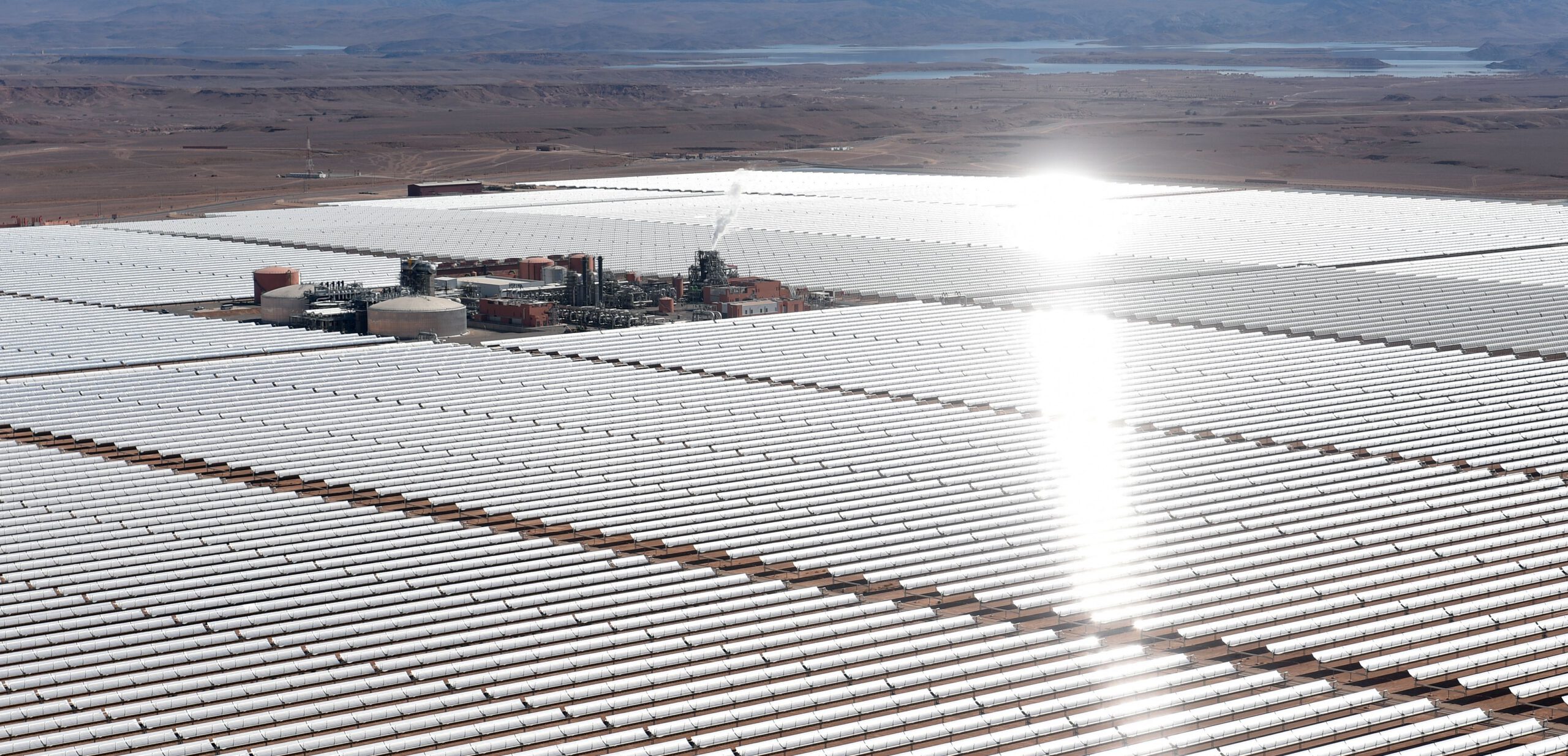
The Middle East and North Africa region is one of the lowest recipients of climate finance compared to other areas of the globe, such as East Asia and the Pacific Islands, despite MENA’s exposure to extreme climate risks. The MENA region’s share of climate financing from the big three global climate funds — the Green Climate Fund (GCF), the Climate Investment Funds (CIF), and the Global Environment Facility (GEF) — and their sub-funds made up only 6.6% of their cumulative global financing through 2023.
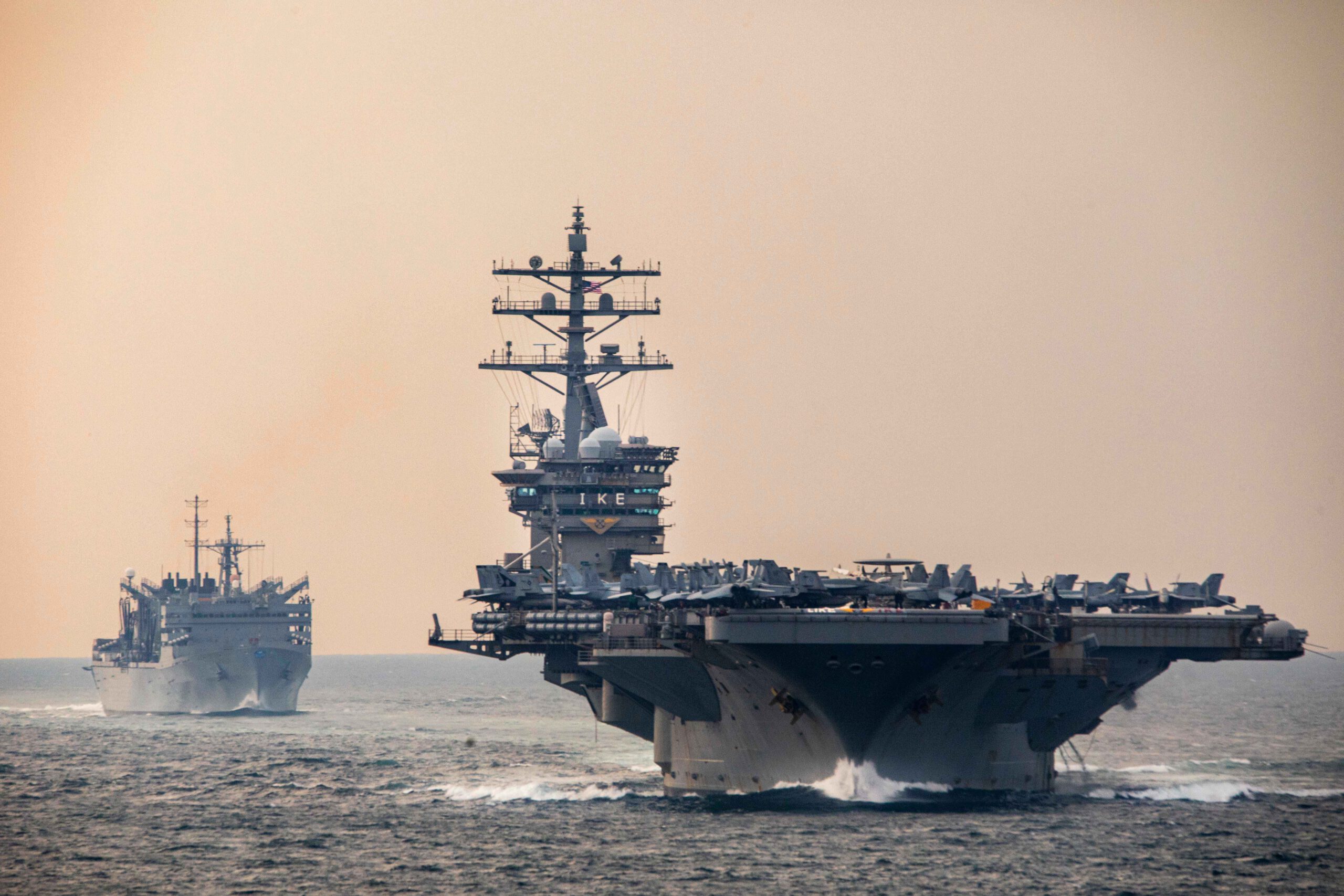
Sweeping the minefield: The case for a NATO Black Sea Fleet
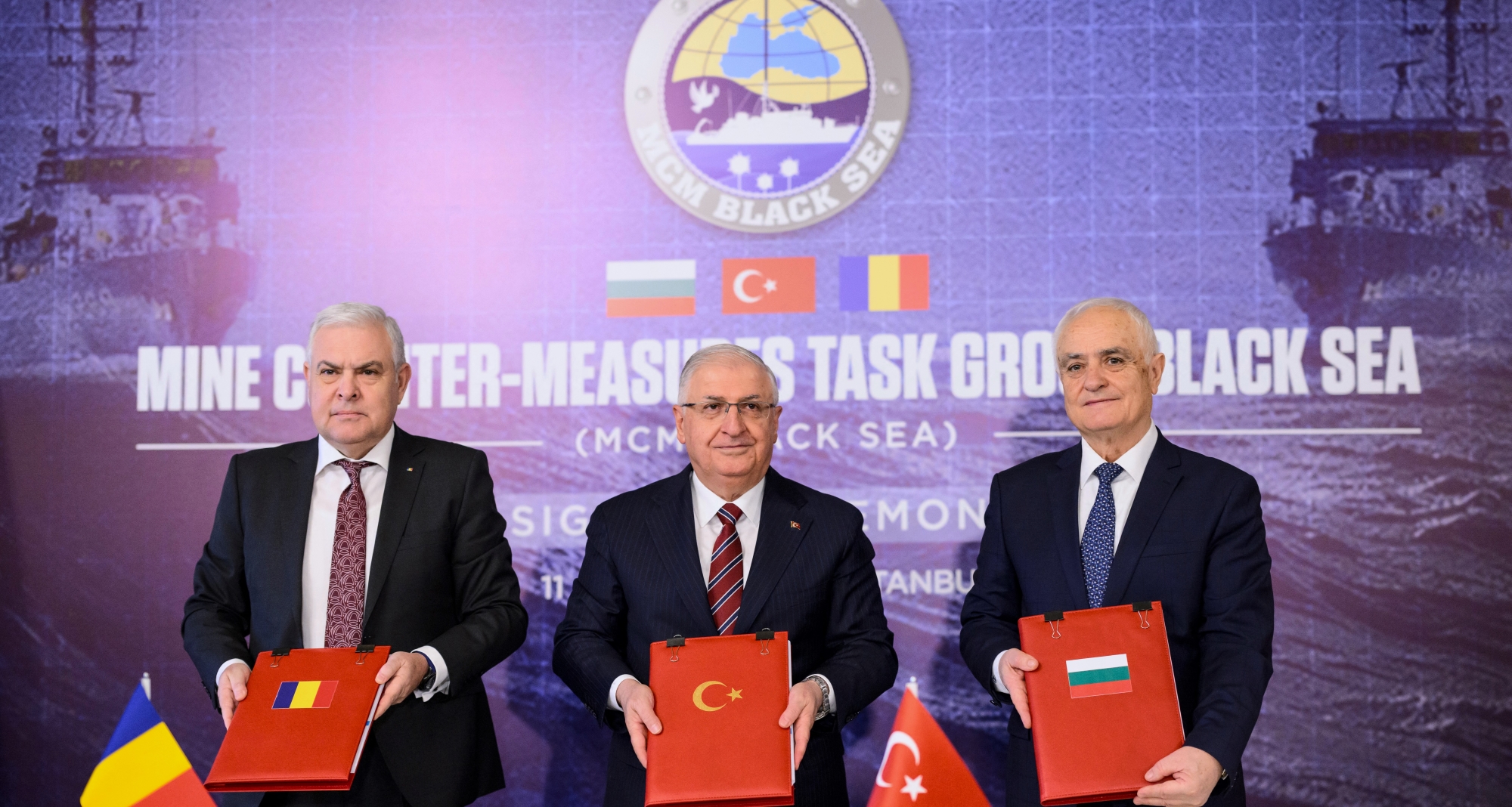
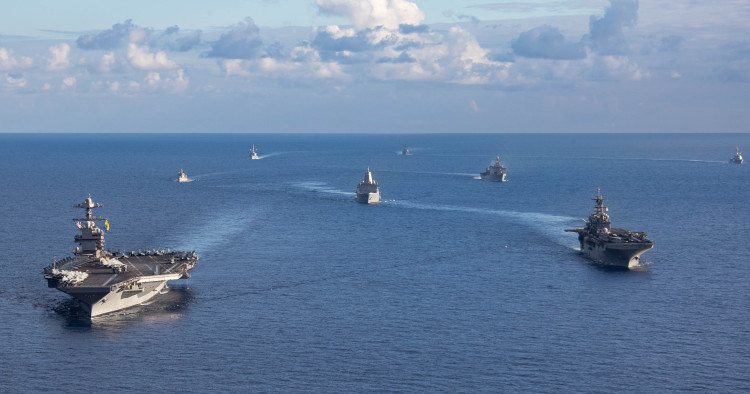
Since the start of Russia’s full-scale invasion of Ukraine, the threat of sea mines to maritime traffic in the region has become exponentially more acute. The Turkish-Romanian-Bulgarian trilateral minesweeping mission is a welcome sign of regional willingness to cooperate in this space and could, with the right incentives and sufficient political will, open the door to the establishment of a NATO Black Sea Fleet.
The devastating impact of Gaza’s acute and prolonged water crisis
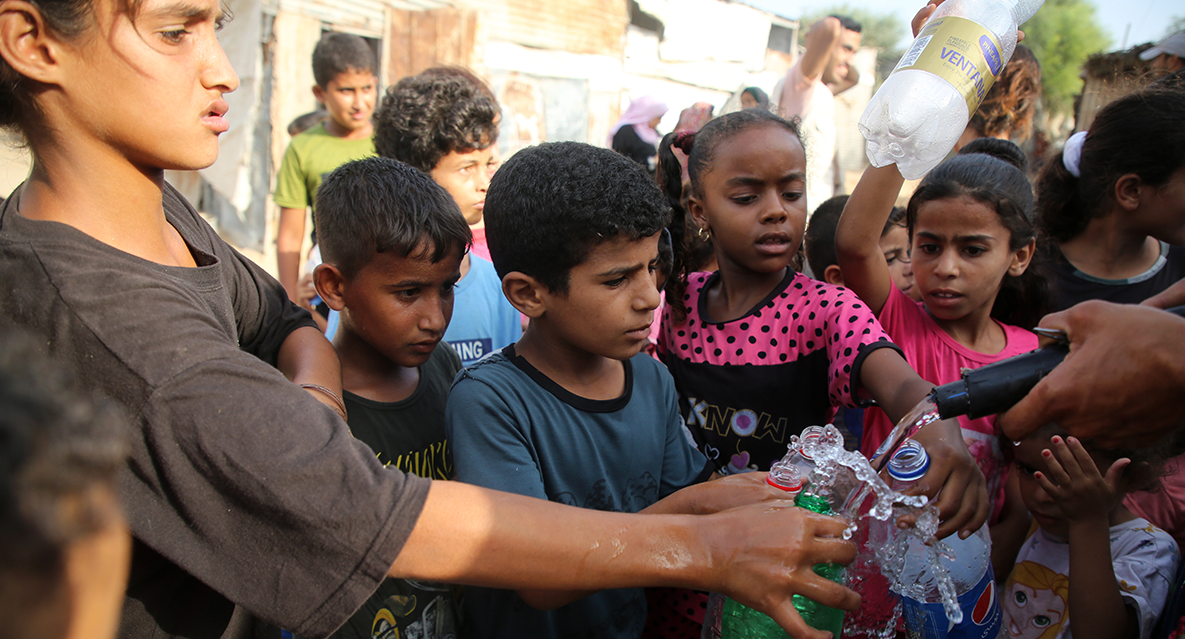
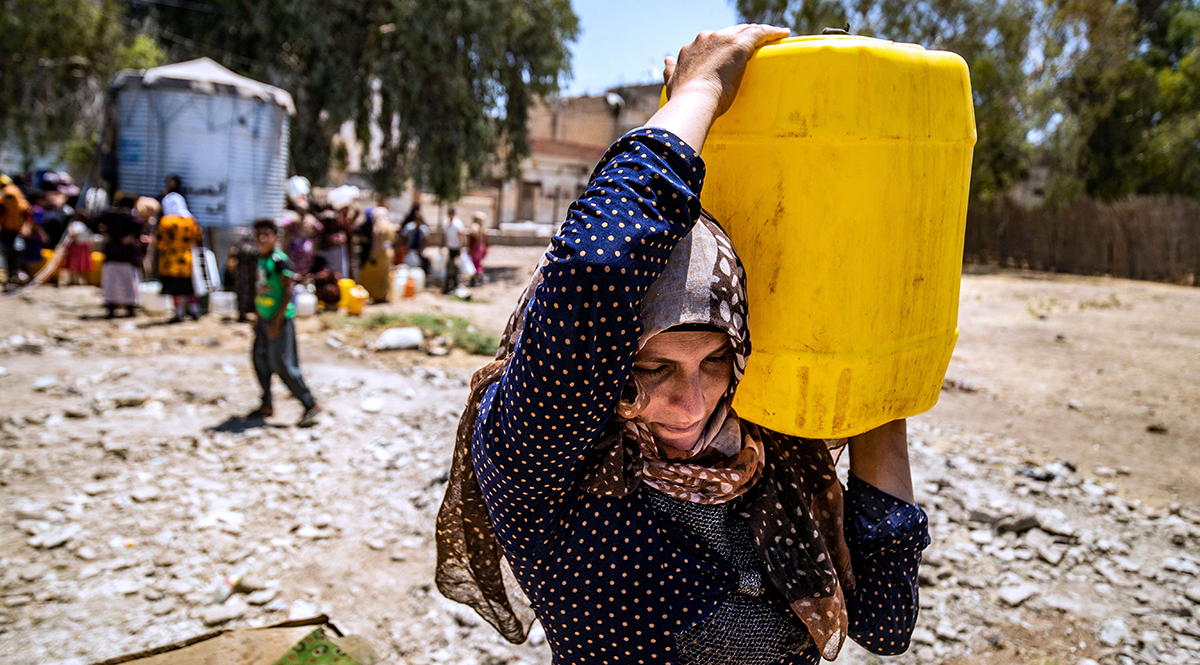
The Gaza Strip faces a severe and worsening water crisis. With the death toll now above 31,000 and a catastrophic humanitarian crisis plaguing the strip, one of the most urgent challenges facing its residents is access to water.
A report card on women’s integration into Arab militaries
A look at what Arab countries have done to implement the year 2000 UN Security Council resolution on women, peace, and security, especially in terms of increasing women’s presence in the armed forces.
As Western options narrow, Yemen's anti-Houthi forces vie for US military support
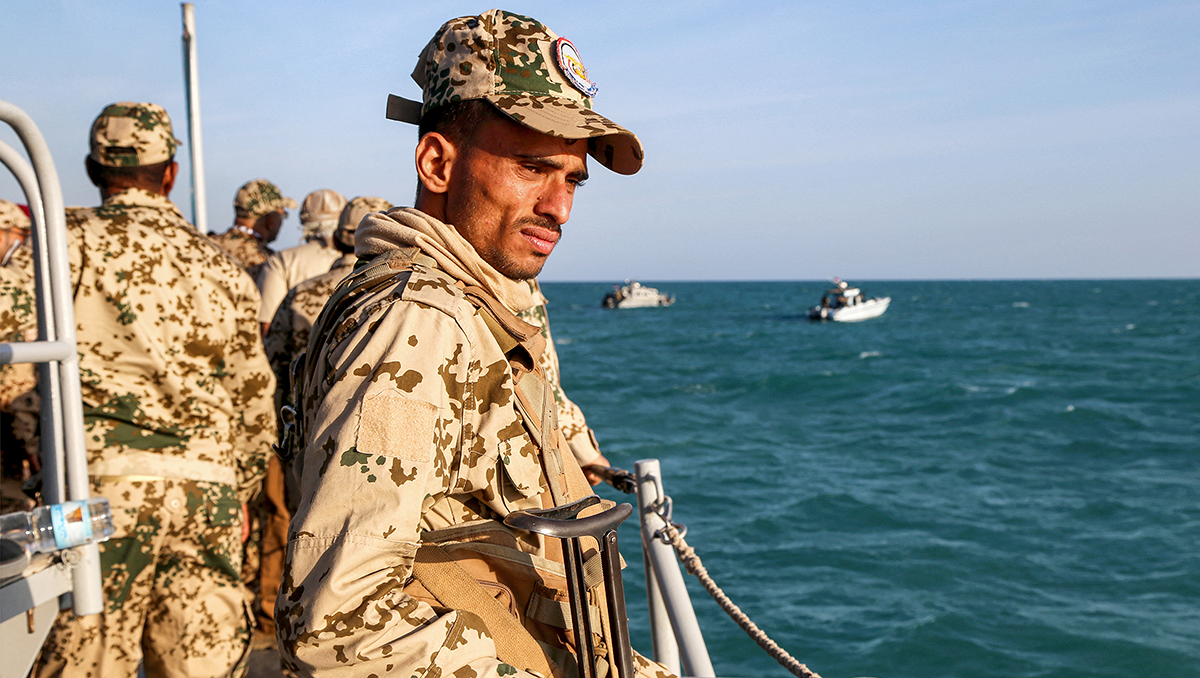
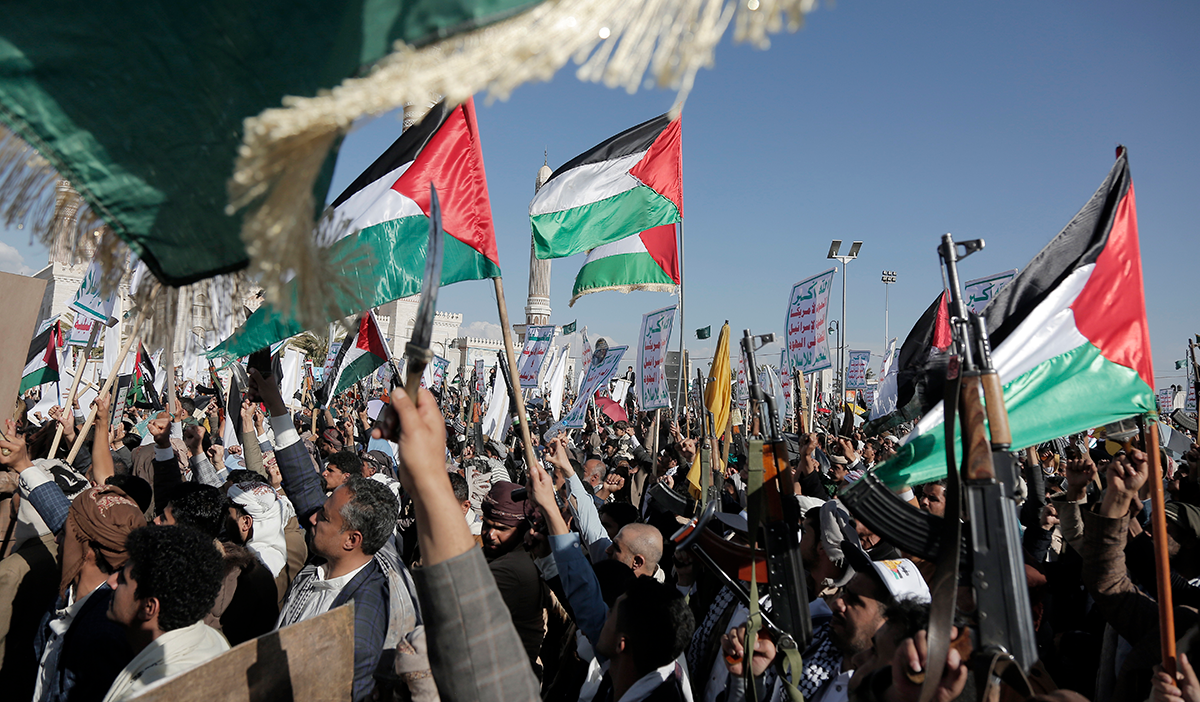
In recent weeks, Yemen’s main anti-Houthi leaders have increasingly been sending the same message to the US, urging it to provide support in the fight against the Houthis on the ground. The provision of military assistance is still hypothetical but seems more and more plausible given developments in Yemen, triggered by the Houthis’ continuing attacks on maritime shipping in the Red Sea.
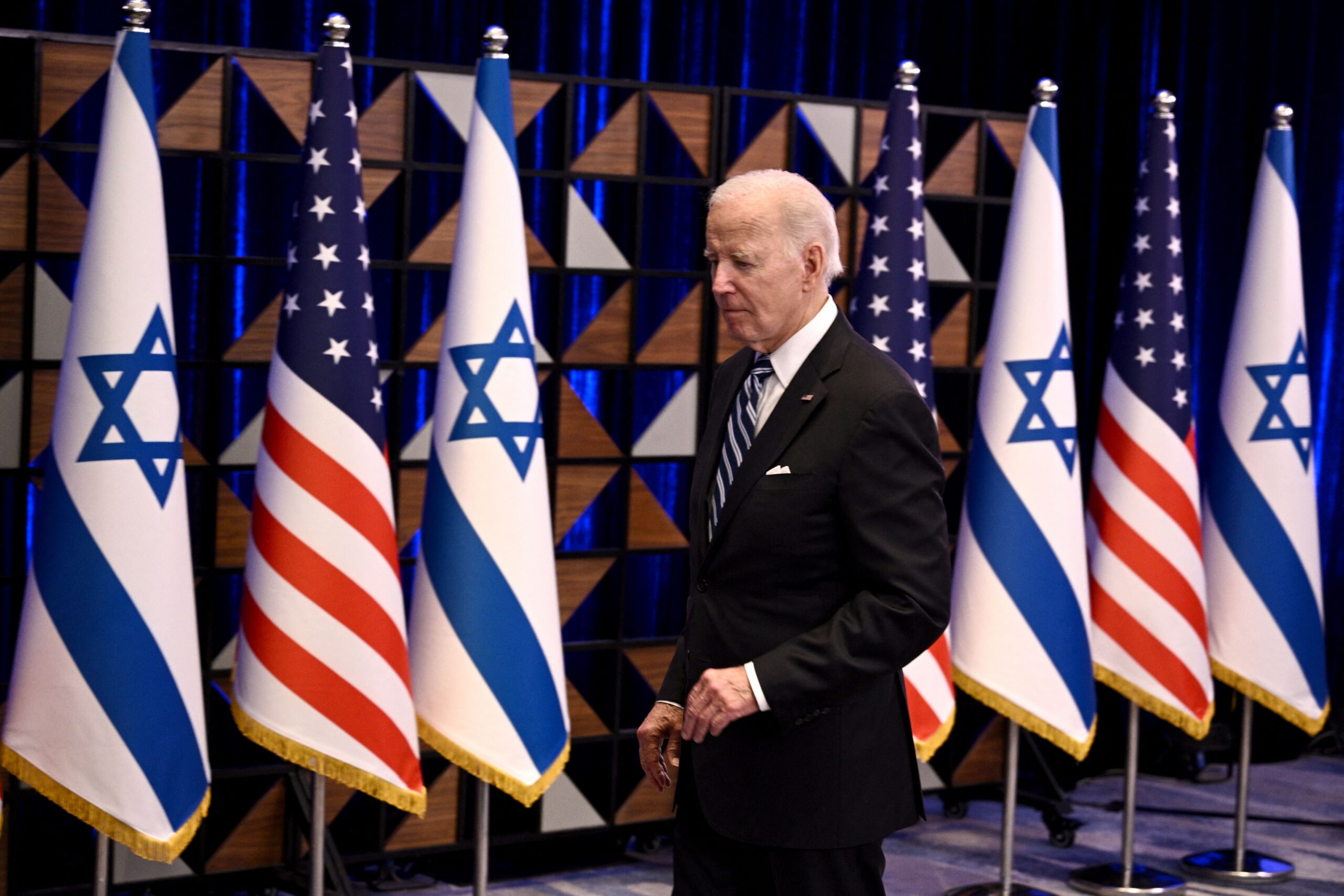
On 13 December 2023, following discussions with Israeli Prime Minister Benjamin Netanyahu on Israel’s military campaign in Gaza, US President Joe Biden rejected congressional calls to stop or condition US military assistance to the Jewish state.
“We’re not going to do a damn thing other than protect Israel in the process. Not a single thing,” he said at the time.
A month earlier, Vice President Kamala Harris said the United States “(was) not going to create any conditions on the support (it) was giving Israel to defend itself.”
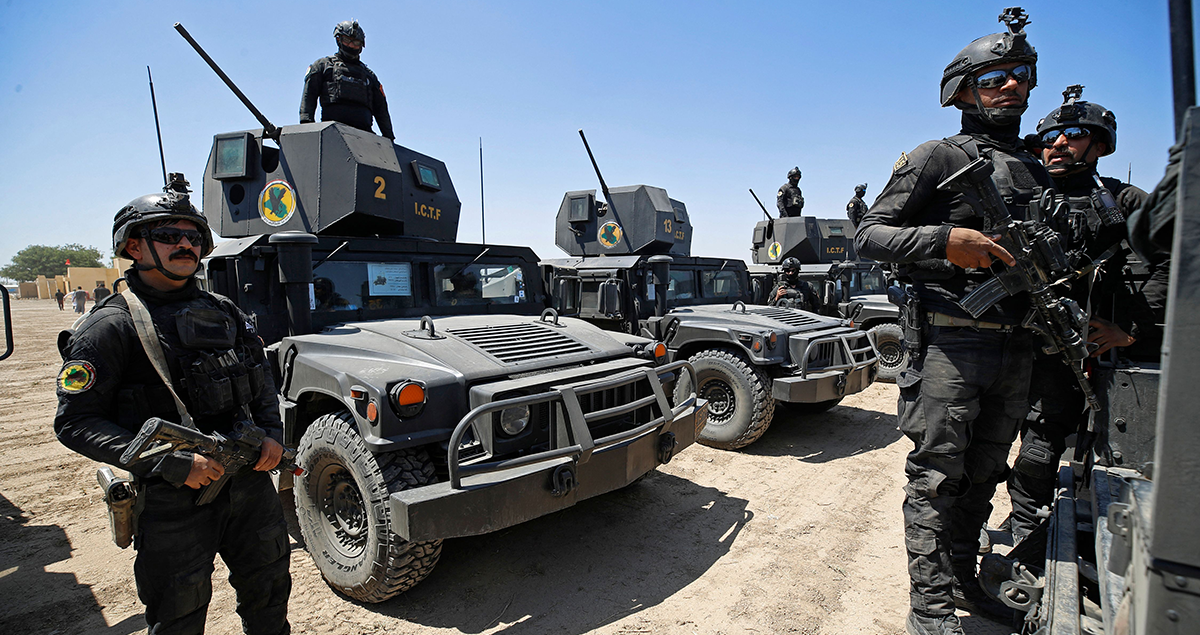
Maintaining the best thing the US built in Iraq: Continued support to the Iraqi Counterterrorism Service
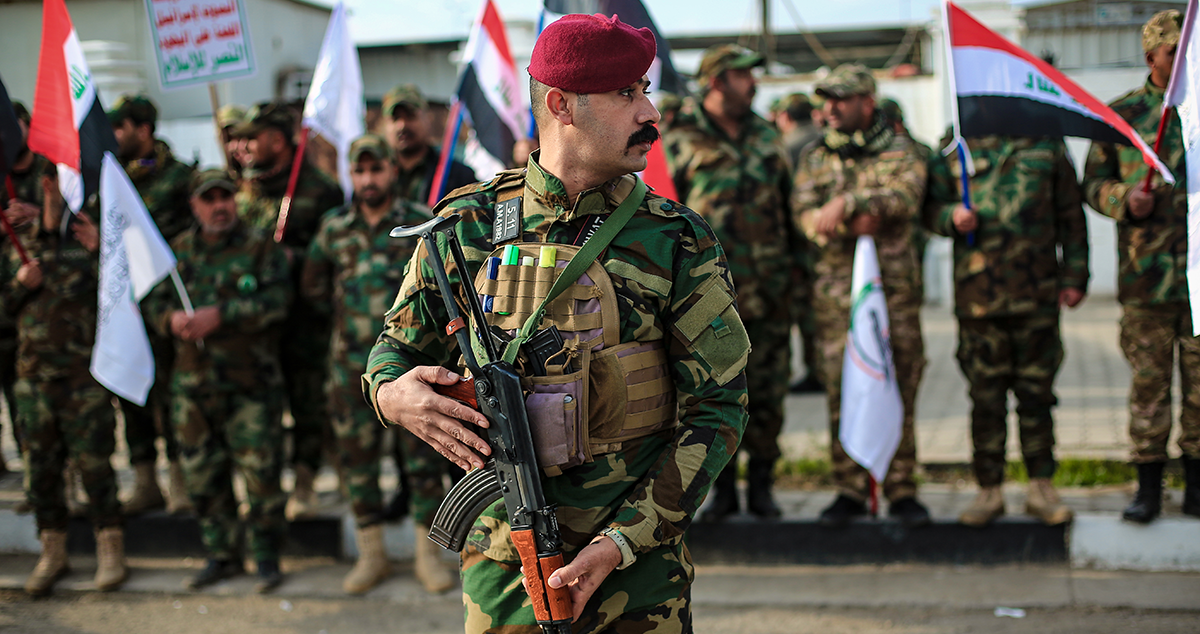
As the US engages in a dialogue with the Iraqi government over the future of the coalition forces combating the Islamic State, Washington must ensure a continued relationship between the US Special Operations Forces and the Iraqi Counterterrorism Service.
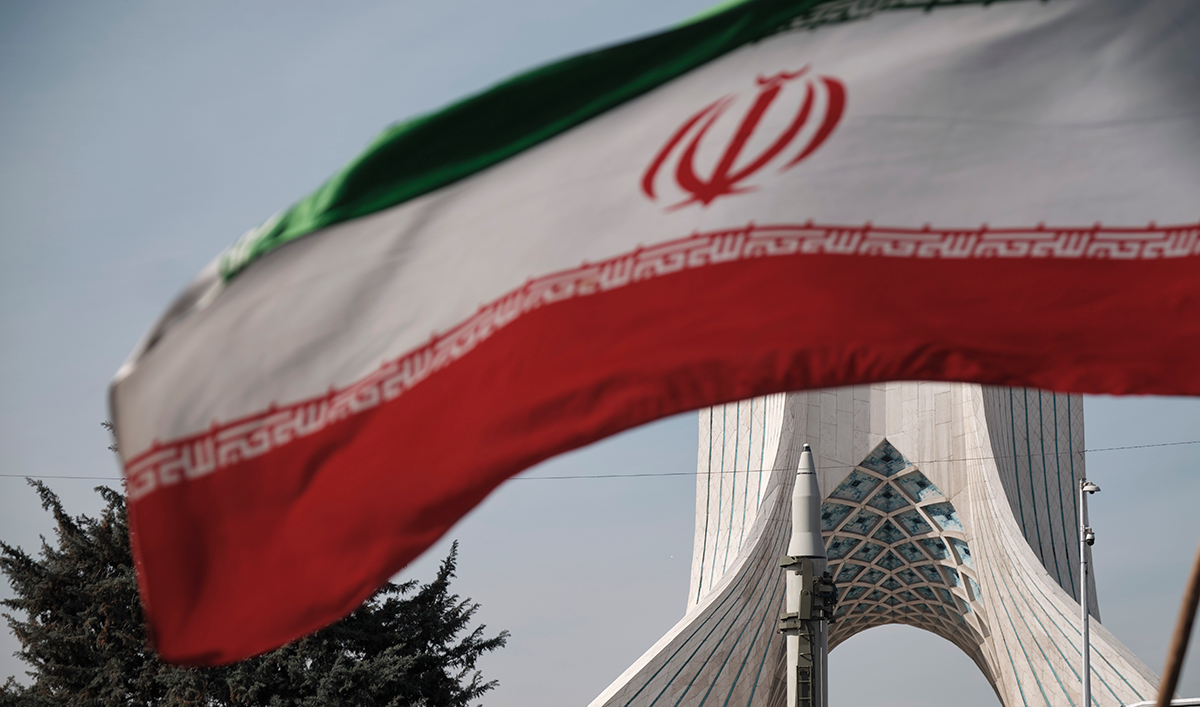
“Exporting its internal problems”: Understanding Iran’s January missile salvos against its neighbors
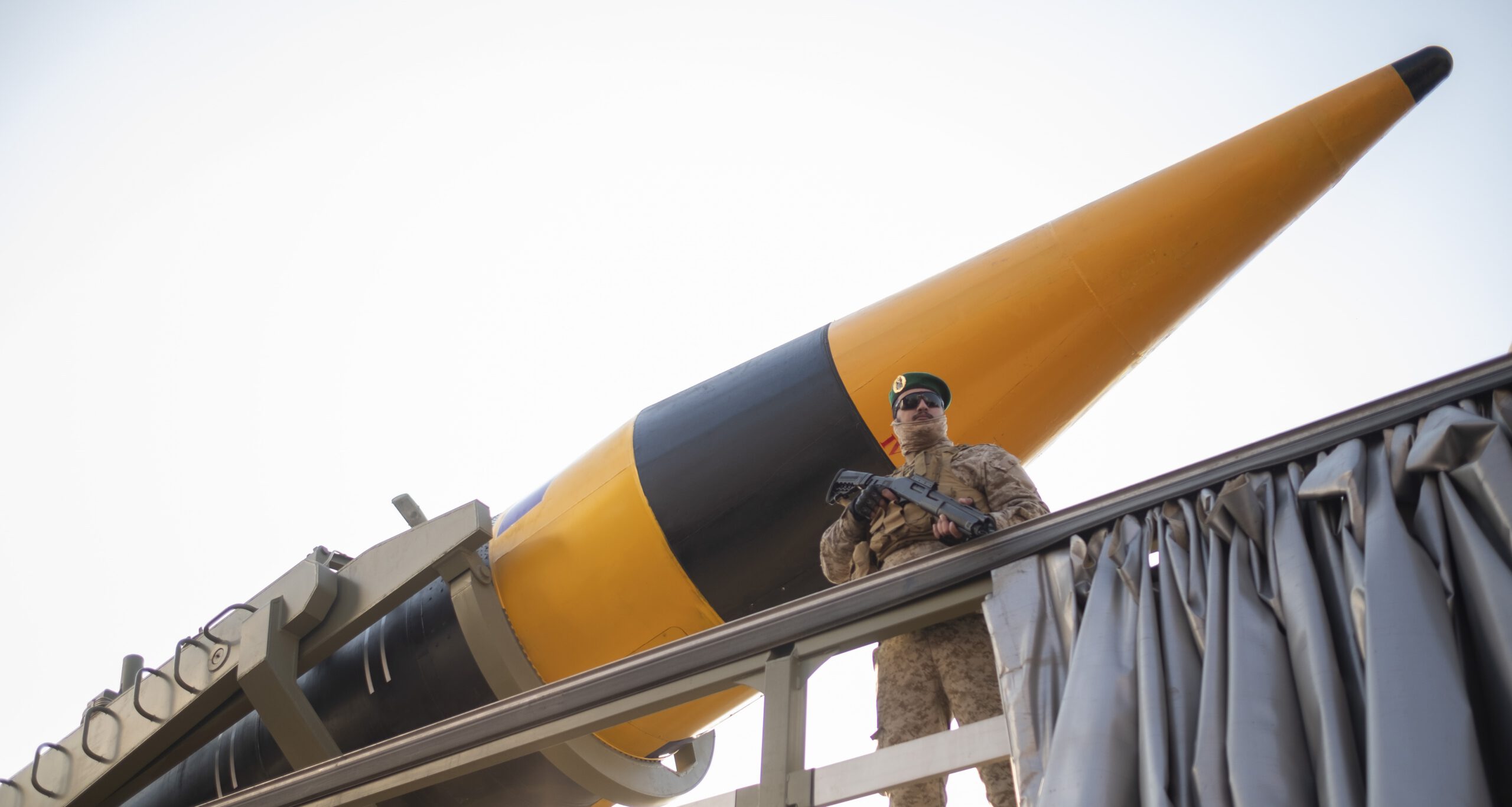
In mid-January, with the war in Gaza continuing to rage on, Iran launched a series of surprise missile attacks on its immediate neighbors Iraq, Syria, and Pakistan over two days. Taken together, these attacks illustrate that the Islamic Republic puts regime survival above national interest in its foreign policy calculations, which undermines its efforts to engender solidarity and good relations with other Muslim-majority states in the region.
From Yemen to Palestine: The strategic depth of the Houthi-Iranian alliance
Houthi rhetoric focusing on Palestine underscores the militia’s strategic alliance with Tehran as part of the “Axis of Resistance.” This relationship, central to understanding the Houthi movement’s actions and narratives, frames its position within the larger geopolitical contest in the Middle East.
The Biden administration has largely relied on airstrikes to prevent the Houthis from causing further harm to international maritime trade in the Red Sea and the Gulf of Aden. But as we have seen already, this approach is unlikely to work against an armed group that has survived years of such one-off attacks from above. To effectively degrade the military capacity of the Houthis, a comprehensive and fully-resourced interdiction regime at sea is needed to target their supply lines and deny them the use of various forms of Iranian assistance.
US response to Tower 22 attack in Jordan: Less intense, more restrained than anticipated
On the evening of Saturday, Feb. 3, local time, US warplanes bombed facilities used by Iranian forces and Iran-backed militias in Syria and Iraq, in retaliation for the death of 3 US service members in a Jan. 28 drone attack on Tower 22, a US military base in northeastern Jordan on the Syrian border. The airstrikes primarily targeted locations in eastern Syria and western Iraq.
Women and climate change in MENA: Turning adversity into opportunity
The MENA region is both a climate change hotspot and one of the world’s most gender unequal regions. As a result of gender inequality, women face disproportionate risks from climate change, but there are ways to transform these threats and turn them into opportunities.
The road to war with Iran is paved with good intentions and serious miscalculations
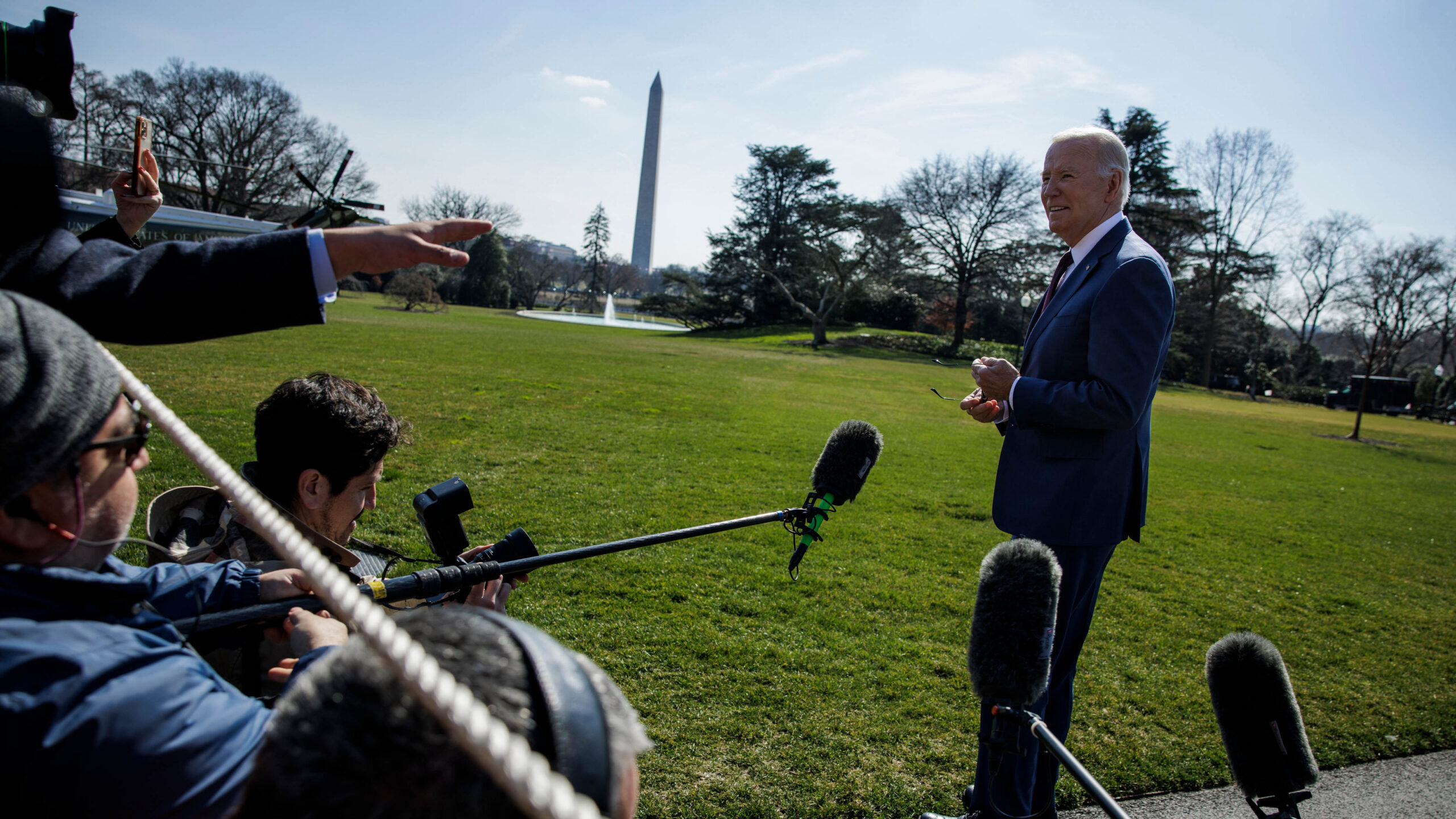
Forty-five years after Iran’s February 1979 revolution, American officials continue to struggle to understand this nation of almost 90 million. Rather than trying to solve a crisis that threatens to draw the US into direct conflict with Iran, the Biden administration appears more intent to manage it.