COVID-19 and the digital landscape in the Gulf
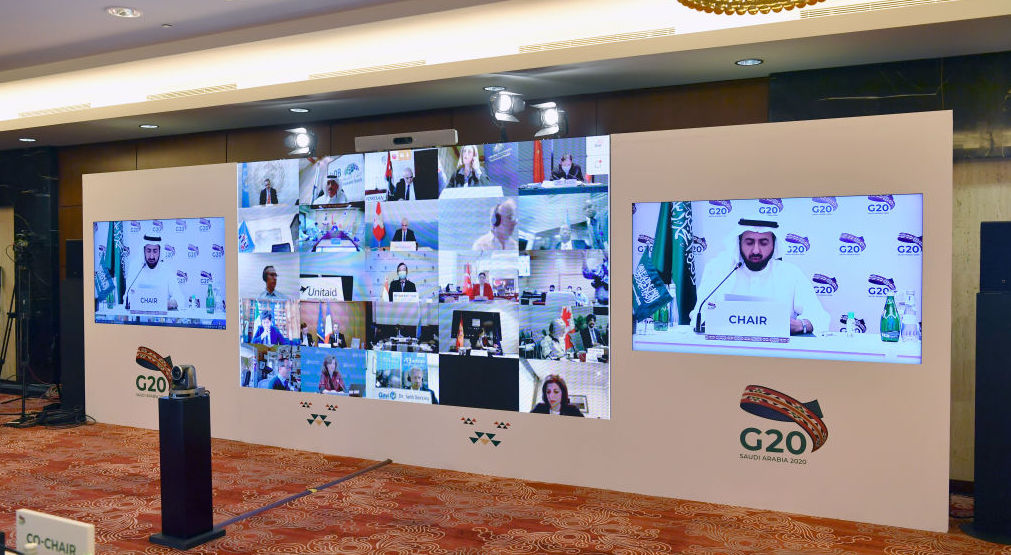
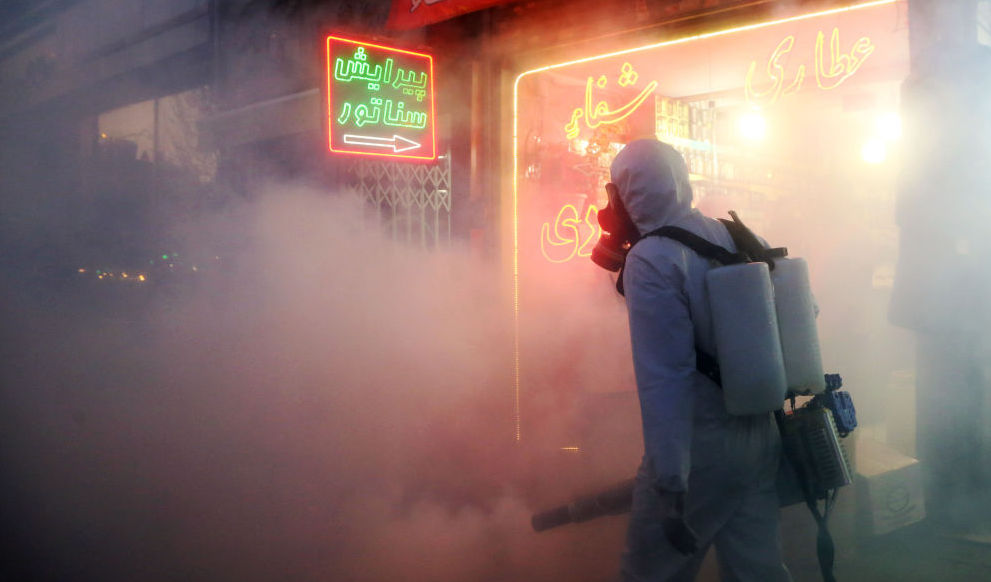
While COVID-19 and historically low oil prices are disrupting the Gulf’s political economy, the pandemic has demonstrated the region’s tech resilience.
This is only the latest flashpoint in a series of social media disinformation campaigns targeting Qatar.
For LGBTI+ individuals in Tunisia, the internet and social media have played a critical role in the development of a community and activist network. Simultaneously, however, these technologies have been used by legal authorities to suppress and harass the queer community.
In an effort to boost its economic competitiveness, Qatar is hedging its bets on emerging technologies. The Gulf sheikhdom, eager to diversify its gas-dependent economy, is cultivating various technological areas, notably artificial intelligence (AI).
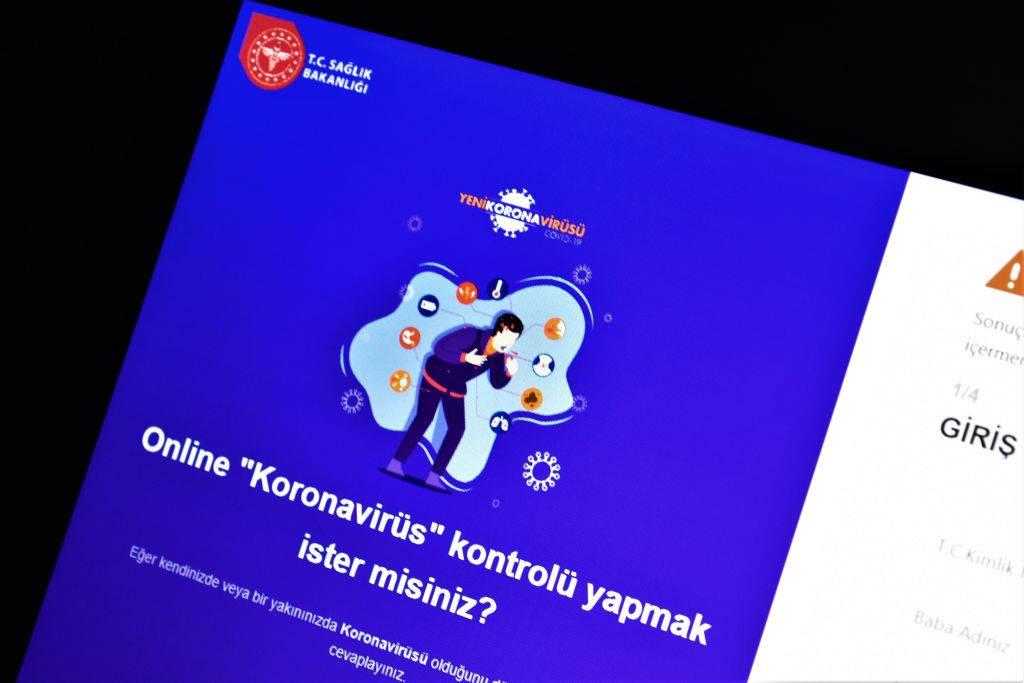
MEI’s Michael Sexton and Eliza Campbell join host Alistair Taylor to discuss the variety of new surveillance technologies deployed by governments in the region to track the spread of COVID-19, and the tension they are setting up between public health and privacy concerns in the long term.
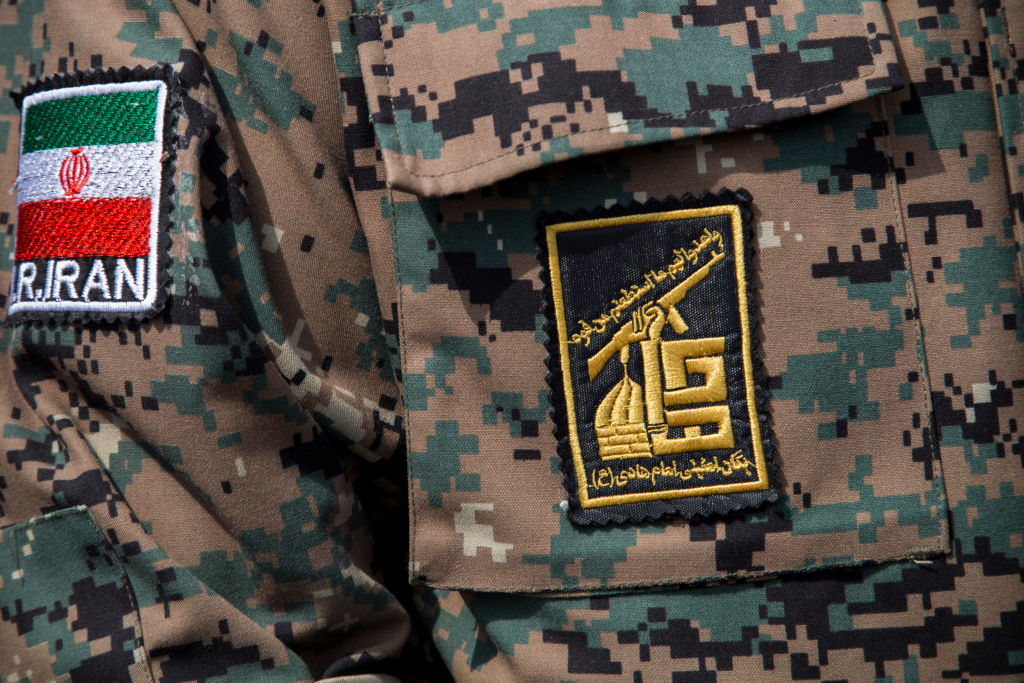
Blurring the lines between the physical world and the online one, the Iranian group known as the “Nakhsa Warriors” remains cloaked in mystery. Their identity and status are unclear. Are they a military force that carries out operations, an online group of like-minded individuals that share content, part of an Iranian disinformation campaign — or perhaps something else altogether?
The danger of disinformation relating to the virus remains potent, and continues to present a persistent threat.
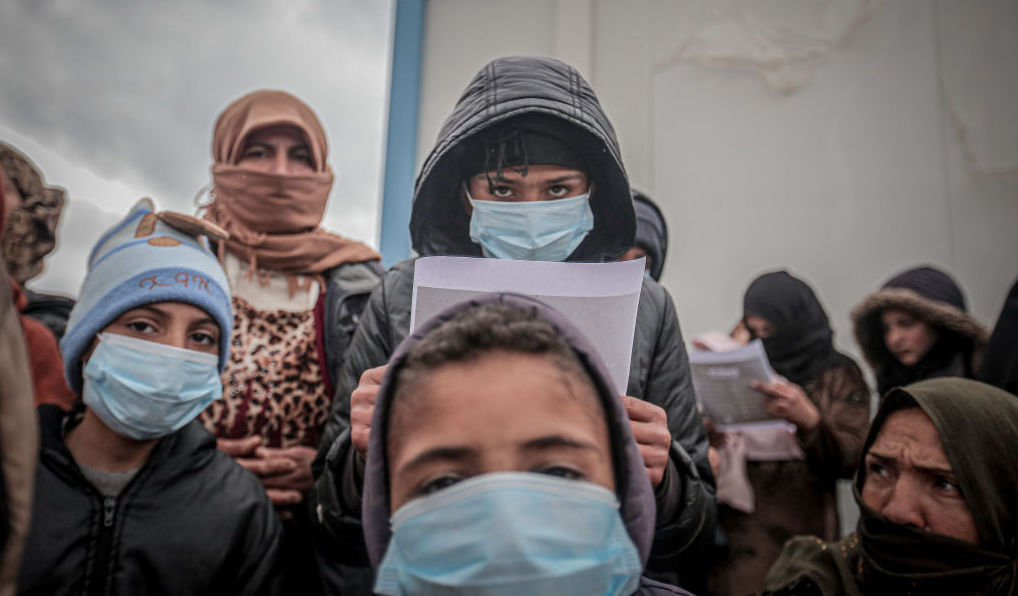
The growing global health crisis surrounding the outbreak of the coronavirus disease (COVID-19) has created an information environment ripe for manipulation by actors seeking to further their political and economic goals
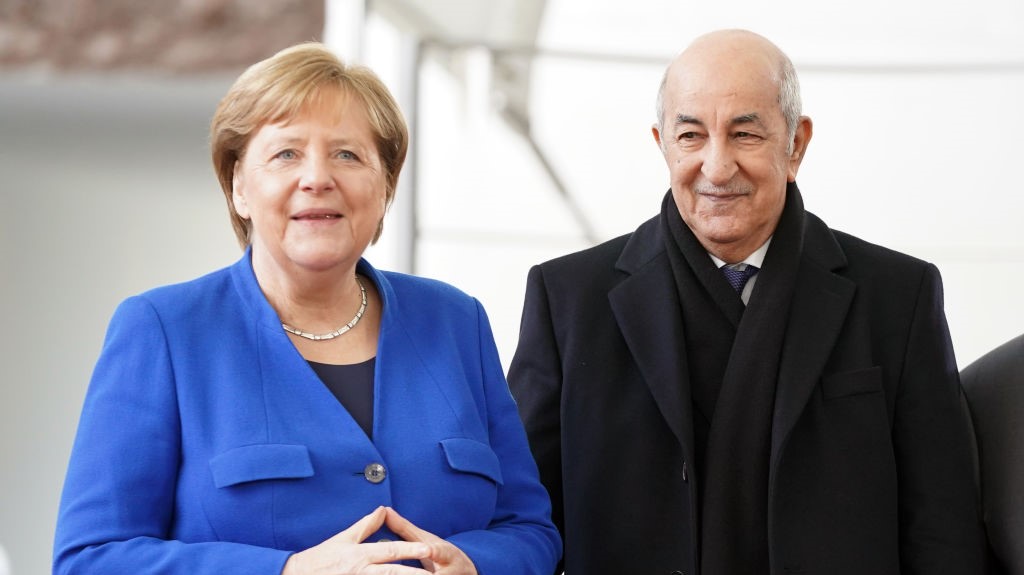
In the face of Algeria’s Hirak protest movement, the response of the EU so far has been measured, and it is notable that the EU’s calls for democratic reform are framed in economic terms that emphasize the benefits of greater economic integration between the states of the Maghreb. What opportunities do the ongoing changes in Algeria present for enhancing economic integration in the long term?
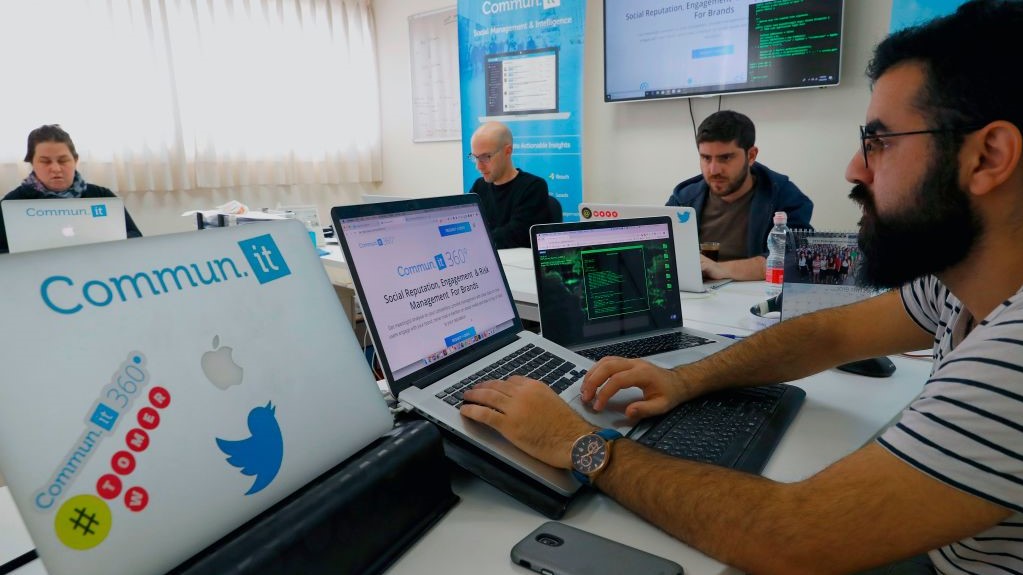
Social media has transformed the information landscape in the Middle East over the past decade. The 2009 Green Revolution and the 2011 Arab Spring demonstrated the enormous power of platforms like Twitter and Facebook for political organizing. Popular perception in the U.S. at the time was that these services would democratize a region notorious for its strongman governments. But it also showed governments and militants in the Middle East how powerful social media campaigns can be, if co-opted for their own purposes.
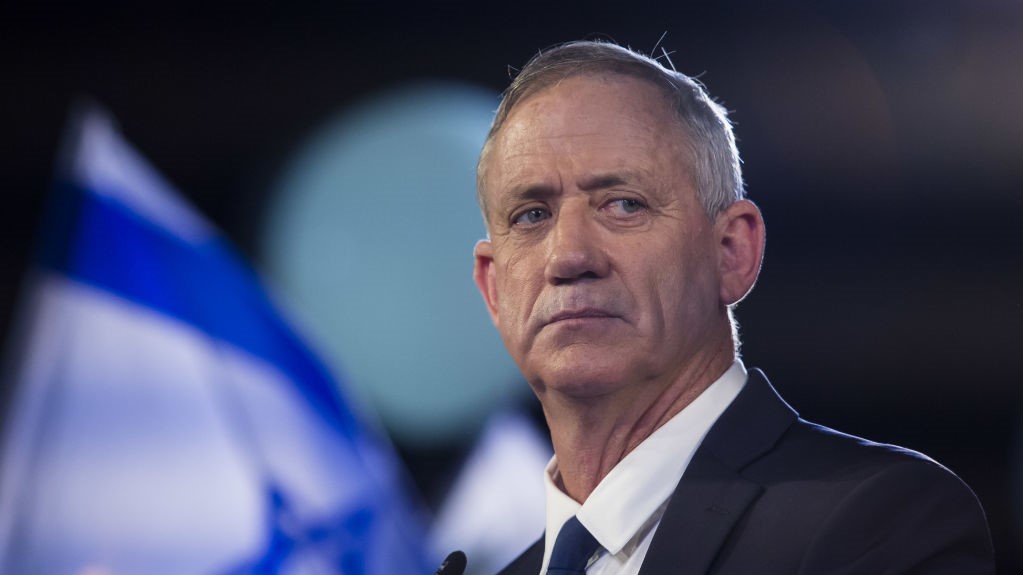
The April 2019 Israeli elections between incumbent Prime Minister Benjamin Netanyahu and his competitor Benny Gantz were fraught with tension even before external entities got involved. But when Israel’s internal security service, Shin Bet, revealed that suspected Iranian cyber actors had accessed Gantz’s mobile phone, there was yet another issue to contend with, albeit one not specific only to Israeli elections: interference.
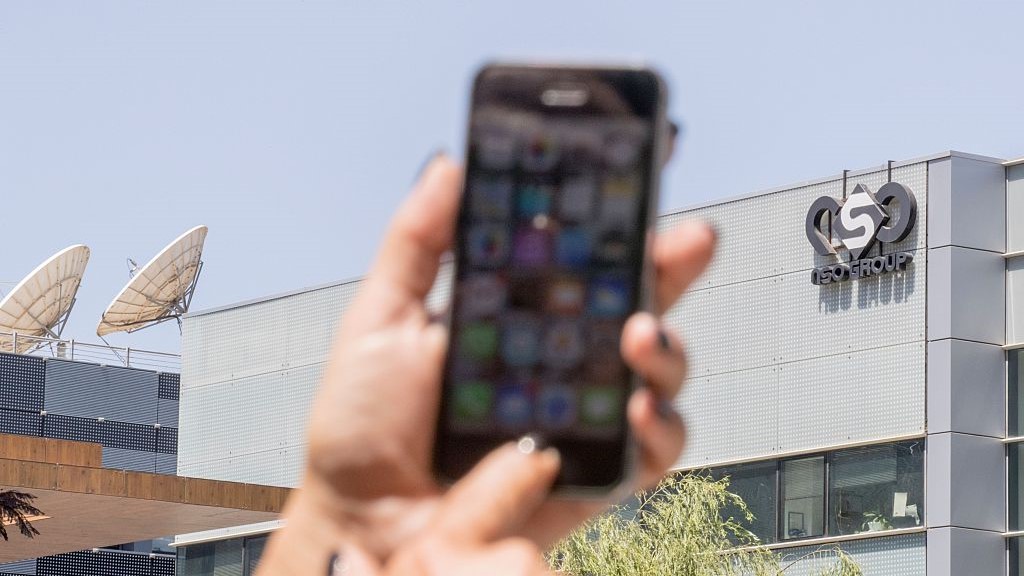
Reuters reported on Jan. 30 that the FBI has been investigating Israeli spyware firm NSO Group since 2017. The revelation comes after Sen. Chris Murphy and UN Special Rapporteur Agnes Callamard called on the U.S. to investigate the apparent hacking of Amazon CEO Jeff Bezos’s phone by Saudi Crown Prince Mohammed bin Salman. In its statement, the UN identified NSO Group as a likely source of the malware.
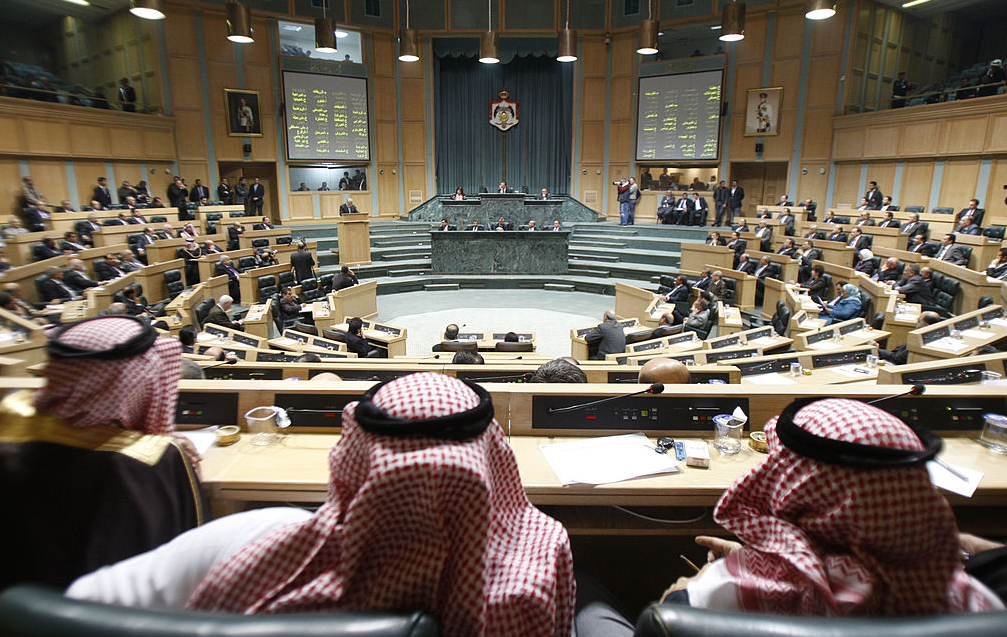
Jordan is bracing for protracted cyber insecurity. Since 2010, the Hashemite Kingdom has rolled out a raft of policies to manage digital vulnerabilities. In keeping with its proactive approach to cybersecurity, Amman is taking additional measures to inoculate the kingdom against digital ailments, including, most recently, the adoption of the 2019 Cybersecurity Law.
However unsurmountable geopolitical crises may seem today, it will be domestic protests that determine the social and economic landscape in the Middle East in the coming years.
Following the recent escalation in U.S.-Iran tensions, the threat of Iranian cyberattacks is likely to intensify in the near to medium term. There are three possible fronts where Iran might look to carry out cyber operations: targeting the energy infrastructure of America’s Gulf allies; deploying malware against U.S. private sector companies; and launching disinformation campaigns that would aim to influence public opinion in both the Middle East and the U.S.