Iranian and Qatari Leaders Pledge to Expand Bilateral Ties
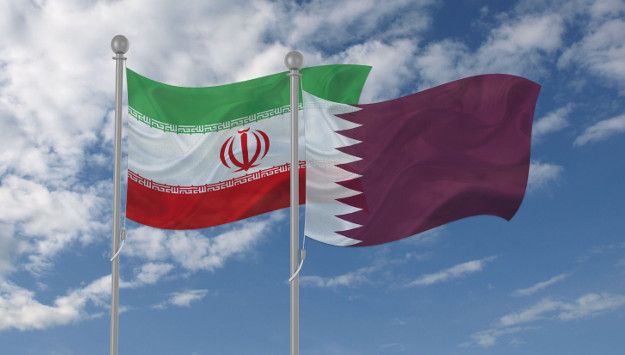
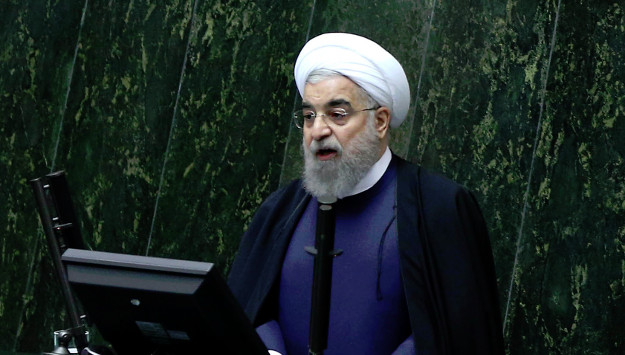
Iran opposes “unjust” sanctions against Qatar and is ready to expand its relations with the Arab country in all fields, President Hassan Rouhani said in a phone conversation with Qatari Emir Sheikh Tamim bin Hamad al-Thani on Thursday. “The Islamic Republic of Iran believes what was imposed on Qatar was unfair and that it fuels tension between regional countries. Iran will do all in its power to cooperate with and assist the Qatari people and government as well as to [promote] regional stability,” Rouhani added.
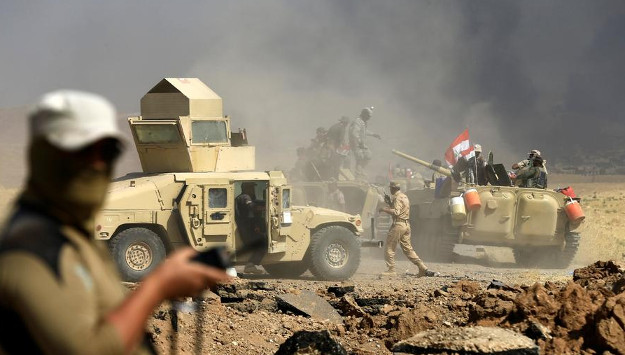
Iran-Backed Iraqi Paramilitary Forces Will Participate in Hawija Offensive
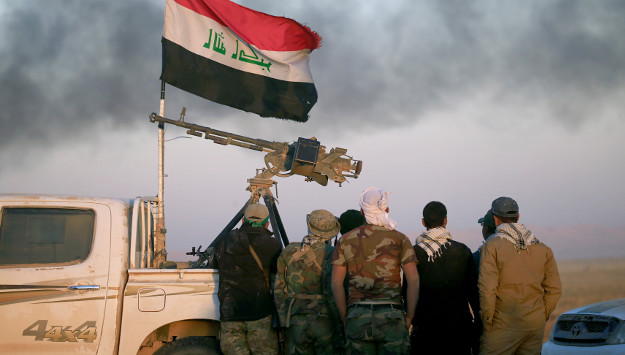
The spokesman of the Iraqi Popular Mobilization Forces (P.M.F.) has announced that the paramilitary forces will participate in the next major offensive against the Islamic State in Hawija city of Iraq’s Kirkuk Province. Ali al-Husseini said on Friday that the military operation will begin within a few days. There are about 2,000 Islamic State fighters in Hawija, Fars News Agency quotes a local official as saying. The P.M.F.
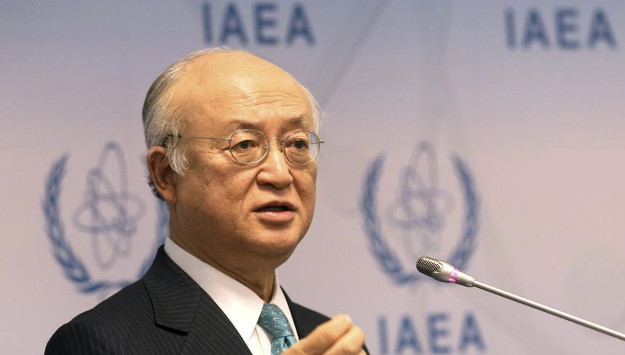
Iran praised the latest report by the International Atomic energy Agency (I.A.E.A.) on the country’s compliance with the nuclear agreement as “Iran’s victory and Washington’s defeat.” The state-run Islamic Republic News Agency said that the nuclear watchdog’s report was the latest sign that the White House has failed in its efforts to derail the
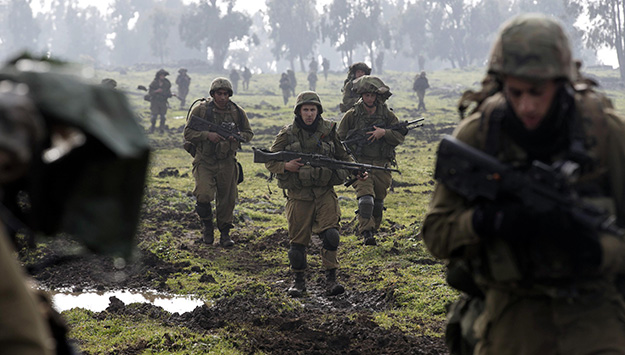
Israel has weathered the campaign to oust Bashar al-Assad far better than its neighbors. Unlike many others, Israel was never a true believer in the failed effort to topple the Assad regime, preferring an opportunistic rather than a principled strategy that aimed at keeping Israel out of harm’s way.
The challenges of postwar Syria, however, may prove more daunting. Israel must now deter any interest by Syria’s Arab and Iranian allies to deploy military forces in Syria against it.
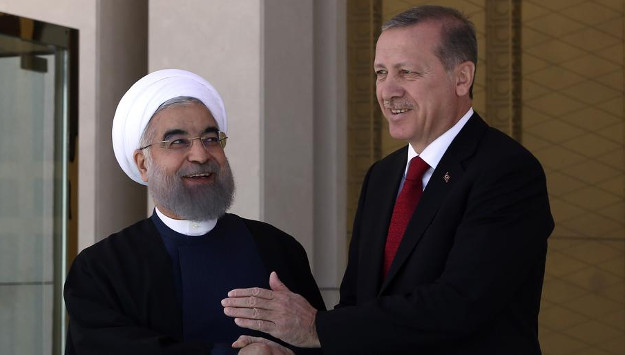
Rouhani and Erdogan Pledge to Boost Bilateral Ties, Cooperate on Regional Problems
Iran wants to cooperate more closely with Turkey to resolve regional problems, Iranian President Hassan Rouhani told his Turkish counterpart Recep Tayyip Erdogan in a telephone conversation earlier today. Rouhani offered his congratulations to Erdogan on the occasion of Eid al-Adha and stressed that he will do more during his second term in office to expand Tehran’s ties with Ankara in all fields.
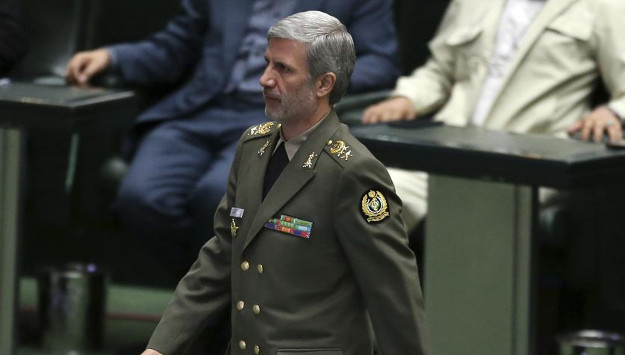
Iran’s New Defense Minister: Support for “Resistance Front” Will Continue
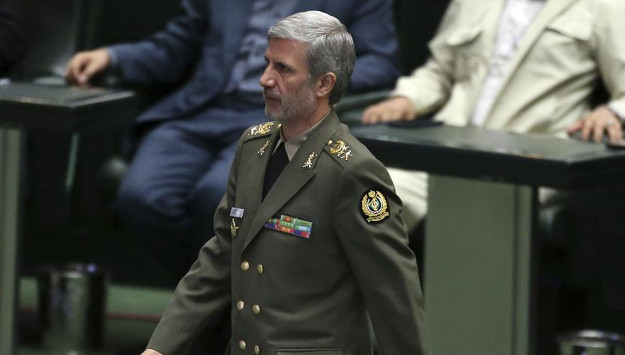
Iran’s new defense minister has said that the country will continue to support the “resistance front” by providing “advisory” assistance. In an interview with the Islamic Republic of Iran Broadcasting (I.R.I.B.), Brigadier General Amir Hatami also stressed the need for employing “defense diplomacy” to ensure Iran’s national security interests in the region. He claimed that Iran’s enemies are worried that the Islamic Republic has become a “role model for resistance” and supports resistance groups in the region.
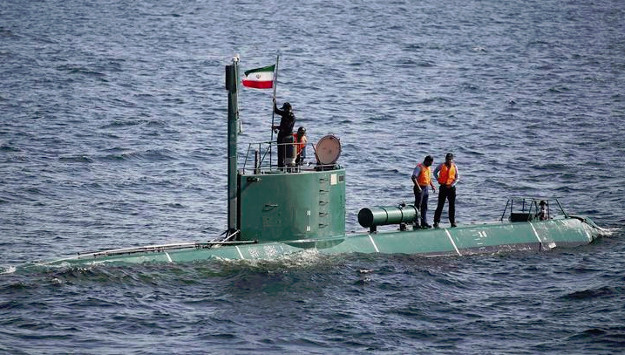
A new homegrown military submarine Fateh (Conqueror) is going through final tests and will soon join the Iranian naval forces, Defense Minister Brigadier General Amir Hatami has said. Speaking to reporters on Wednesday, the new Iranian defense minister added that the 527-ton Fateh submarine is a semi-heavy undersurface vessel. The submarine reportedly is equipped with an advanced sonic radar system which can identify enemy vessels and uses a missile defense system.
U.S. and Iran on a Collision Course in Syria, Again
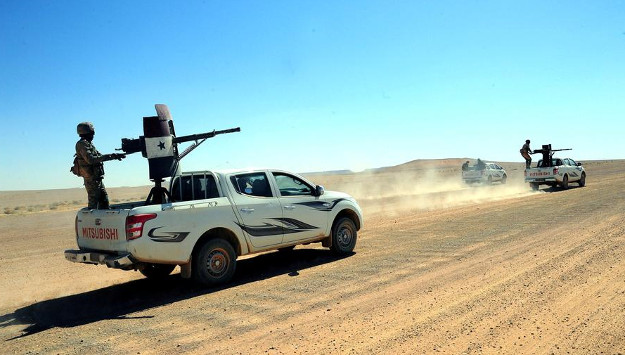
Iran and its allies are sending reinforcements near a de-confliction zone in southeastern Syria to pressure the U.S. military to withdraw from a strategic garrison near al-Tanf border crossing. Both Tehran and Damascus see the presence of U.S. troops training rebel forces in al-Tanf, as well as in northeastern Syria, as a serious threat. Iran also views the expulsion of the U.S.
Iran Expanding Influence in Syria, Despite Israeli Warnings
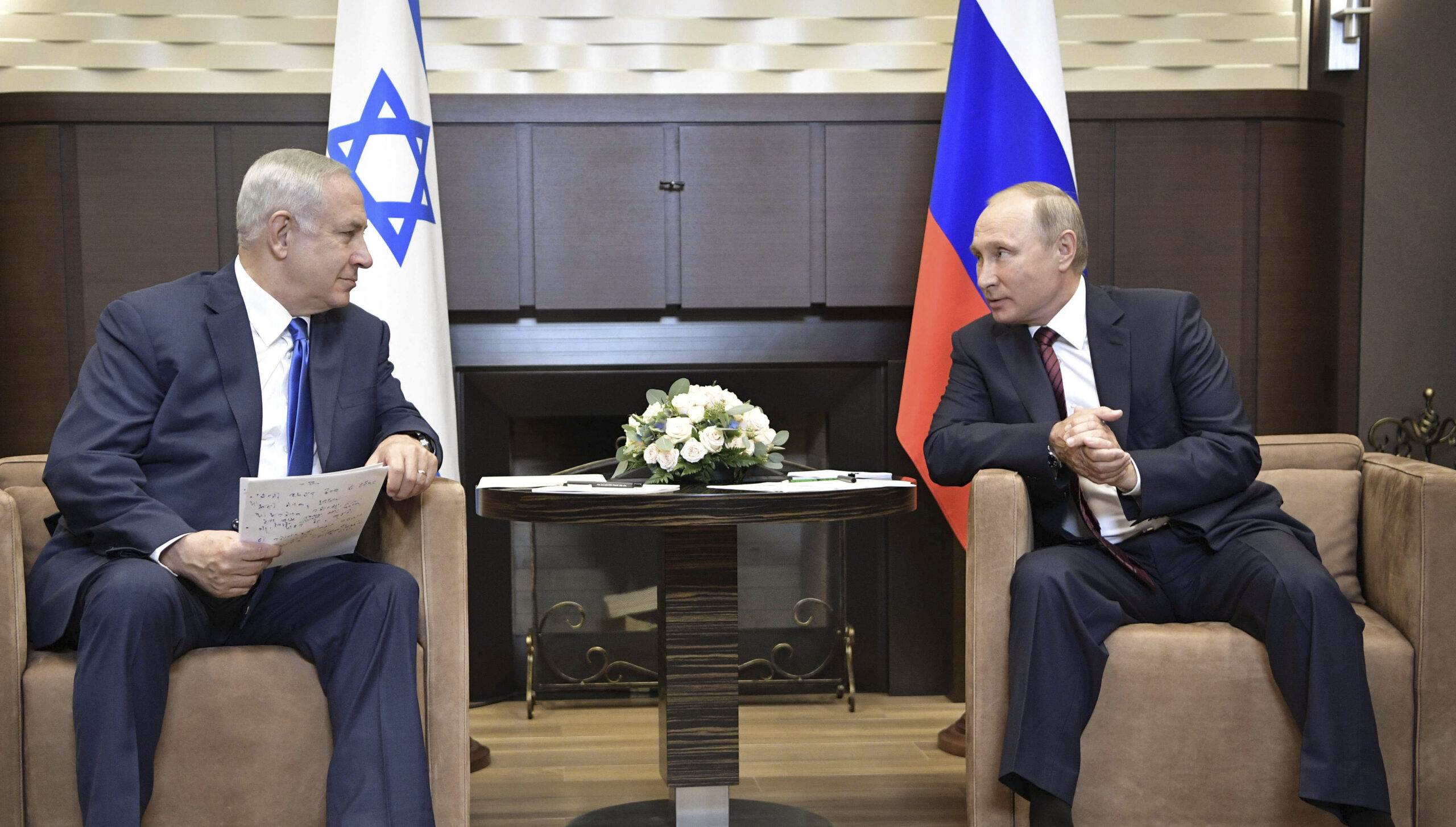
Even before Israeli Prime Minister Benjamin Netanyahu arrived at the Black Sea resort of Sochi last Wednesday for his sixth consultation in two years with Russian President Vladimir Putin, Moscow’s representative in Tel Aviv laid out a soothing if improbable vision of a Syria free of Iranian troops and Shiite militias.
Rouhani: Anti-Iran Sanctions Irreversible, World Not Siding with U.S. against Iran
The world’s view toward Iran has changed and previous international sanctions will not be reinstated against the Islamic Republic, President Hassan Rouhani
Iran Rejects U.S. Demand for Inspection of Military Sites
Senior Iranian political and military officials have rejected a demand by U.S. Ambassador to U.N. Nikki Haley that U.N. inspectors visit Iran’s military sites, the Iranian media reported today.
Iran’s Intelligence Ministry Says It Has Eliminated 100 Terrorist Groups inside Country
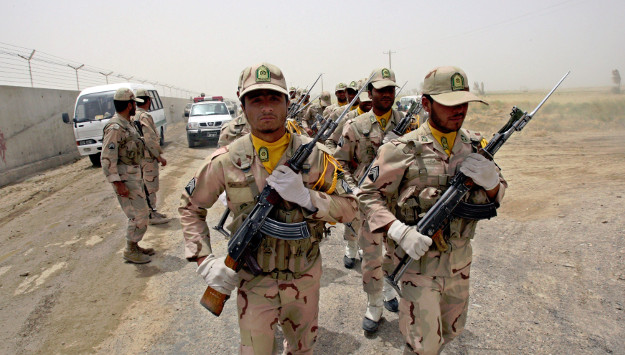
Iran’s Intelligence Ministry has said that the country’s security forces have disbanded nearly 100 terrorist groups across the country, Fars News Agency reported. “Highly serious measures have been taken in the Southern, Southeastern and Western parts of Iran and nearly 100 teams have been confronted,” the deputy intelligence minister said on Monday. He noted that the Islamic State seeks to carry out attacks in Iran but assured the public that the security forces are able to deal with any threats.
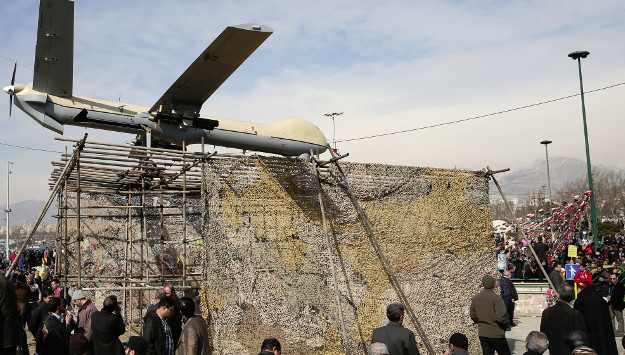
Iranian Drone Allegedly Spotted Flying over Western Afghanistan
Afghan officials say they are investigating reports that an unmanned aerial vehicle has recently entered western Afghanistan from Iran. Jilani Farhad, the spokesman of western Herat Province, said the governor’s office has been informed about the incident and is probing the case to find out which country the drone belonged to. Some Afghan media outlets have alleged that the drone was Iranian and it disappeared after local Afghan forces fired at it. The Iranian government has not reacted to the reports.
August 25, 2017 – Journalist Yeganeh Rezaian joins host Paul Salem for a discussion of social and cultural trends inside Iran, how youth are dealing with unemployment and other economic pressures, and how women are seeking opportunities for socioeconomic advancement and gender equality.
I.R.G.C. Outlet: Tal Afar Liberation Paves Way for Expulsion of U.S. from Iraq
The liberation of Tal Afar is a “major defeat for America and terrorists” and paves the way for the expulsion of U.S. Troops from Iraq, says an article in hardline Javan Online, a mouthpiece of the Islamic Revolution Guards Corps (I.R.G.C.).