Iran Ramps Up Its Exchange Programs for the Houthis in Yemen
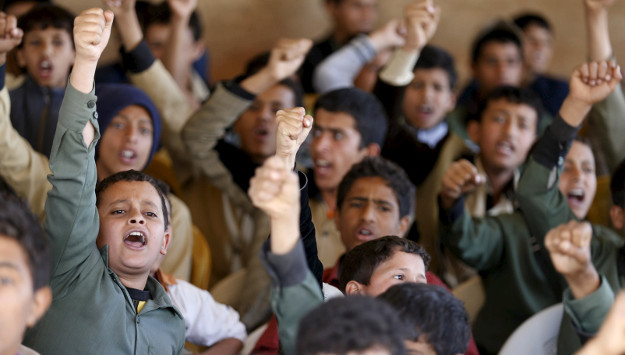
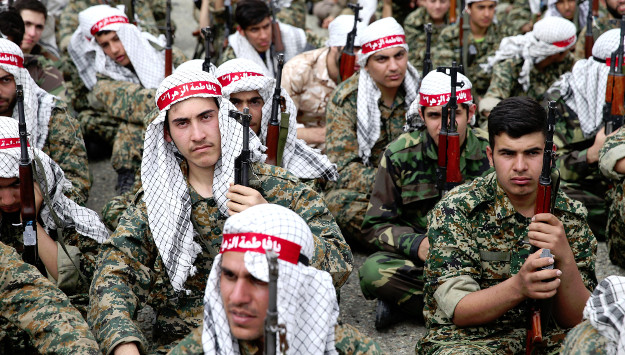
Following the Houthi takeover of Sana’a, Iran expanded its academic and cultural exchange programs in Yemen’s education sector. Iran initiated these programs in response to a Saudi-financed program to increase the number of Salafi mosques and madrassas in northern Yemen in the 1990s.
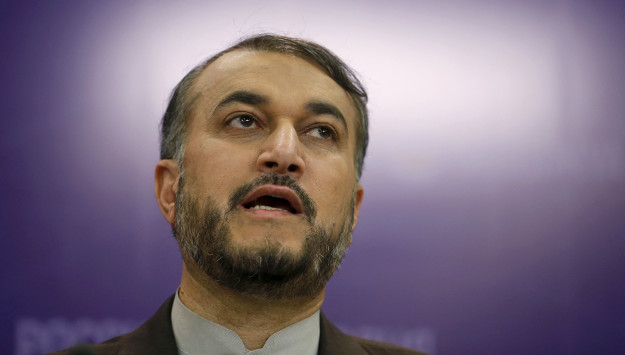
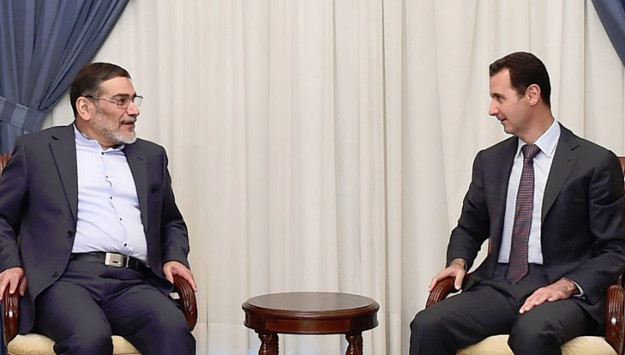
The January 26 meeting between the Syrian President Bashar al-Assad and Hossein Amir Abdollahian is another important sign that Iran’s President Hassan Rouhani has at best very little influence over Iran’s Syria’s policy. The official title of Amir Abdollahian is “Director General of International Affairs” at the Iranian parliament, the Majlis. However, this generic title given to Abdullahian is in no way a true reflection of his power in Tehran and the critical base of support he enjoys.
Rights Group Calls on Rouhani to End Imprisonment of Dual-Nationals
The International Campaign for Human Rights in Iran (ICHRI) today called on Iranian President Hassan Rouhani to “use all the powers of his office to obtain the immediate release of Nazanin
Worries in Tehran about Russia-led Syria Peace Process
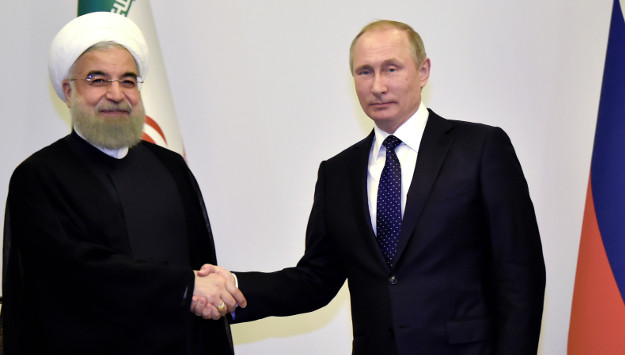
Although Russia, Iran and Turkey agreed on Tuesday to jointly monitor the fragile cessation of hostilities in Syria, tensions are escalating between Moscow and Tehran about how to move forward with both war and diplomatic efforts in the future. It is becoming more apparent that Russian and Iran have diverging interests and goals – both in the immediate and long terms – in Syria, although they have cooperated closely over the past years to prop up the embattled regime of Bashar al-Assad.
Sudanese President Accuses Iran of “Spreading Shiism” in Africa
On January 26, Sudan’s President Omar Hassan al-Bashir accused Iran of spreading its ideological and military influence throughout the Middle East and North Africa.
Despite Controversial Visa Ban, Iranians Still Give Trump a Chance
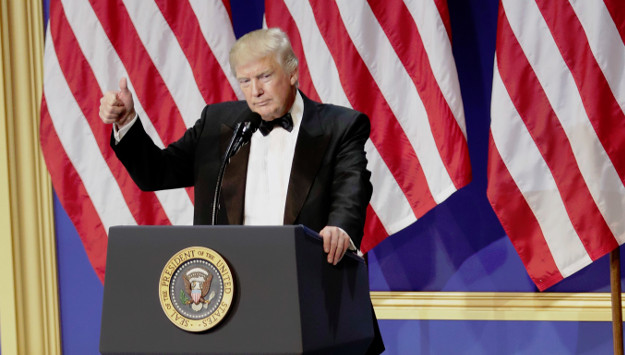
News that President Donald Trump is about to introduce a visa ban on Iranian nationals wanting to travel to the United States has been met by considerable composure in Tehran.
The Mystery of Iran’s “Strategic Depth” Policy in Syria
BBC Persian, an important independent source of news for Iranians inside Iran where media freedoms are restricted, published an article on the sensitive subject of Tehran’s endgame in the Syrian war.
Tehran Views GCC Overture as “Sign of Weakness,” Not Goodwill Gesture
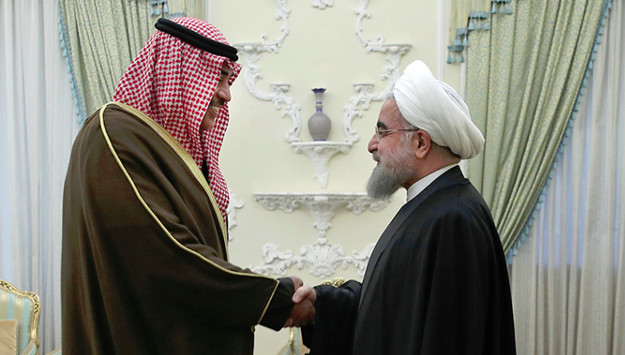
Kuwaiti Foreign Minister Sheikh Sabah Khaled al-Sabah has arrived in Tehran today to deliver a message from Gulf Cooperation Council (GCC) on a strategic dialogue between the Gulf Arab states and Iran, the Iranian and Arab media report. “Gulf states have a true desire that relations with Iran are normal and based on international law,” Sabah said on Tuesday after attending the inauguration of a NATO center in Kuwait.
Trump’s Missile Defense Plan Raises Questions in Iran
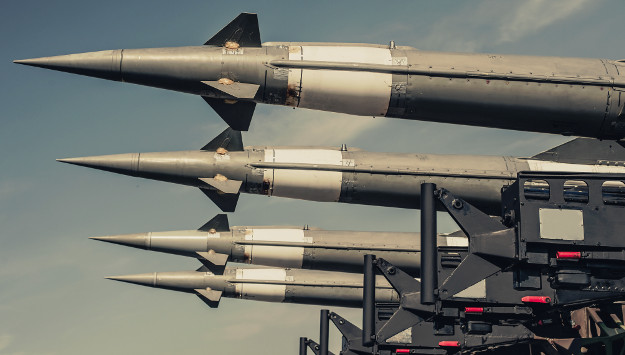
The Trump administration’s plan to develop a missile defense system (MDS) to counter potential intercontinental ballistic missile (ICBM) threats has raised many questions in Iran.
Shortly after Donald Trump took the oath of office, the White House website released a policy statement – titled “Making Our Military Strong Again” – which stated that the administration will “develop a state-of-the-art missile defense system to protect against missile-based attacks from states like Iran and North Korea.”
Rouhani’s Brother and Corruption in Iran Government
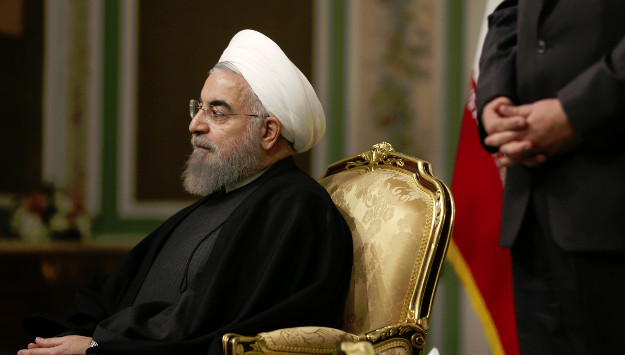
According to the speaker of the Iranian parliament (Majlis), Ali Larijani, 45 parliamentarians are insisting that President Hassan Rouhani look into the alleged wrongdoings of his younger brother, Hossein Fereidun.
Swedish Prime Minister Reminded of Political Prisoners in Tehran
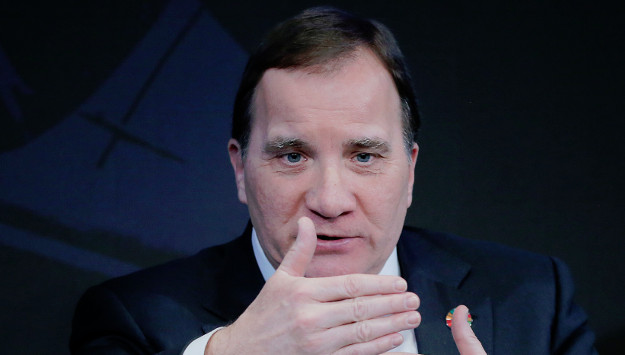
As the Swedish Prime Minister Stefan Lofven prepares for his February 11-12 visit to Tehran he is facing pushback from Iranians that are urging Sweden not to overlook human rights violations while pursuing business interests in that country. A number of open letters have been published by Iranian activists about dire conditions for political prisoners in Iran. It will remain to be seen if Lofven will push the issue while in Tehran.
The Poor of Baluchistan Ignored by Rouhani Minister
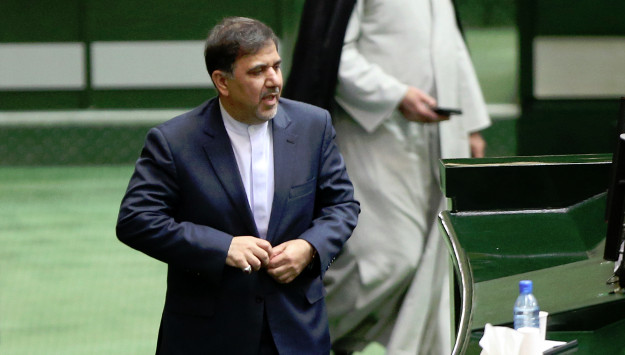
Abbas Akhundi, one of the more controversial ministers in the government of President Hassan Rouhani, has once again come under attack for his performance.
Rafsanjani Had Urged Khamenei to Release Top Political Prisoners
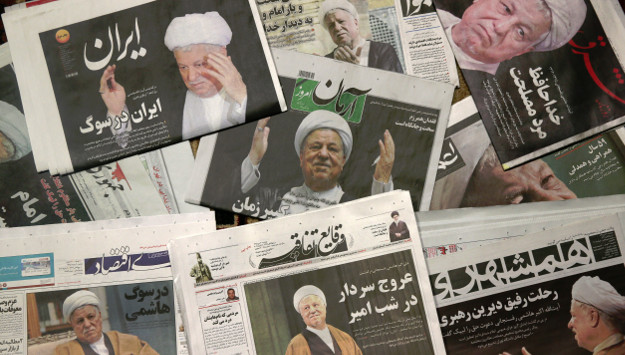
One Iranian opposition-leaning site, Kaleme, has reported that the recently deceased Ayatollah Akbar Hashemi Rafsanjani had strongly urged Iran’s Supreme Leader Ayatollah Ali Khamenei to release Mir-Hossein Mousavi and Mehdi Karroubi from house arrest. “These are elderly people and if anything happens to them [while under house arrest] then the regime is responsible,” Rafsanjani is quoted to have said to Khamenei.