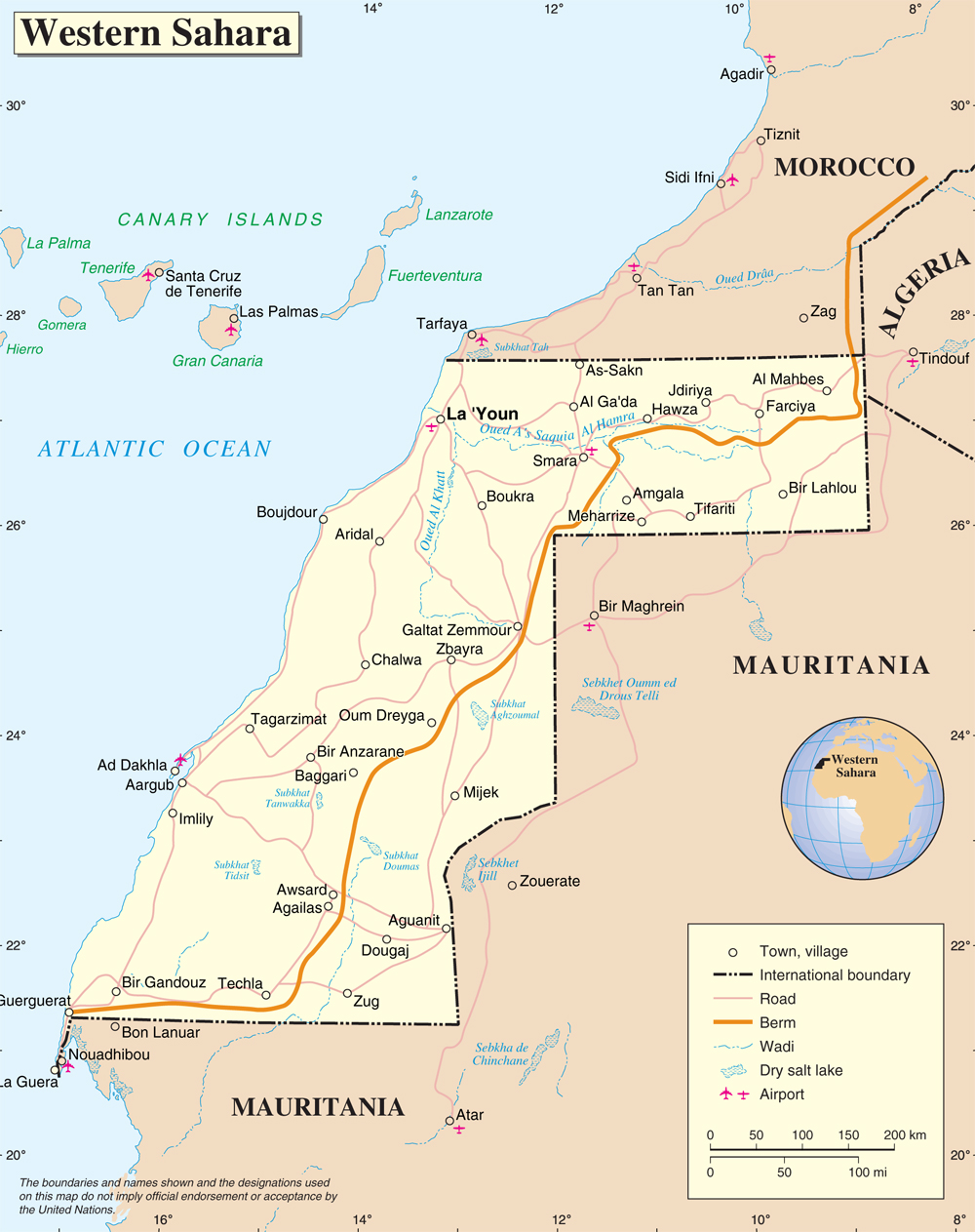
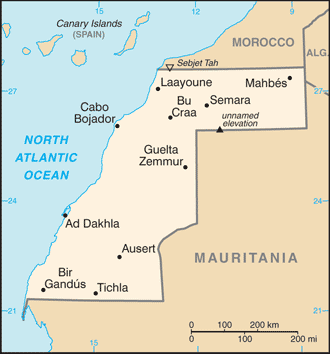
What more can be done to resolve the problem in Western Sahara?
Mr. (Carne) Ross, Undersecretary General Miyet, and I have be trading opinions for six months and it is clear that Mr. Ross has no intention to propose or agree on any kind of political settlement or compromise, regardless of arguments to the contrary. It is time to quit deluding ourselves and allowing the refugees to be used as hostages in an effort to advance the cause of a few thousand Polisario rebels. Rather, we should reach out together for a common middle-ground solution.
The first volume of the migration and the Arab World series dealt primarily with the trends in, consequences of, and policy responses to labor migration in the Gulf Cooperation Council (GCC) states since the “oil boom” period of the 1970s. This volume focuses on the countries of the Mashreq (i.e., Egypt and the Levant) as source and destination countries for various migrant groups, dating from the late 19th century up to the present day.
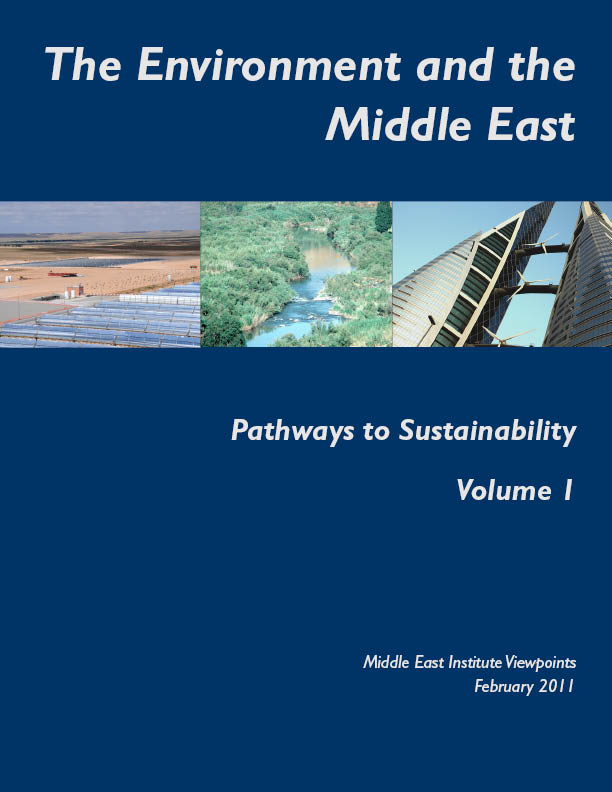
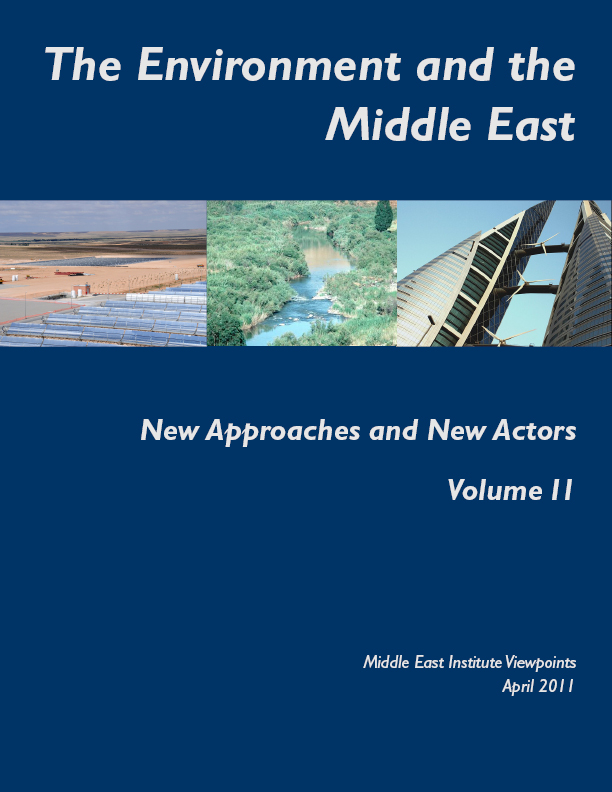
Introduction to The Environment and the Middle East: New Approaches and New Actors , Volume II
The tumultuous political changes taking place across the region dominate the news — deservedly so. Yet, there are other changes taking place throughout the Middle East which, though less prominent, also merit attention. Indeed, the region has no shortage of creative and committed “change agents” who in ways great and small have taken meaningful steps to address the myriad challenges to the sustainability of the region’s physical environment. Volume II in this series offers snapshots of a small selection of the many efforts aimed at cultivating responsible environmental stewardship.
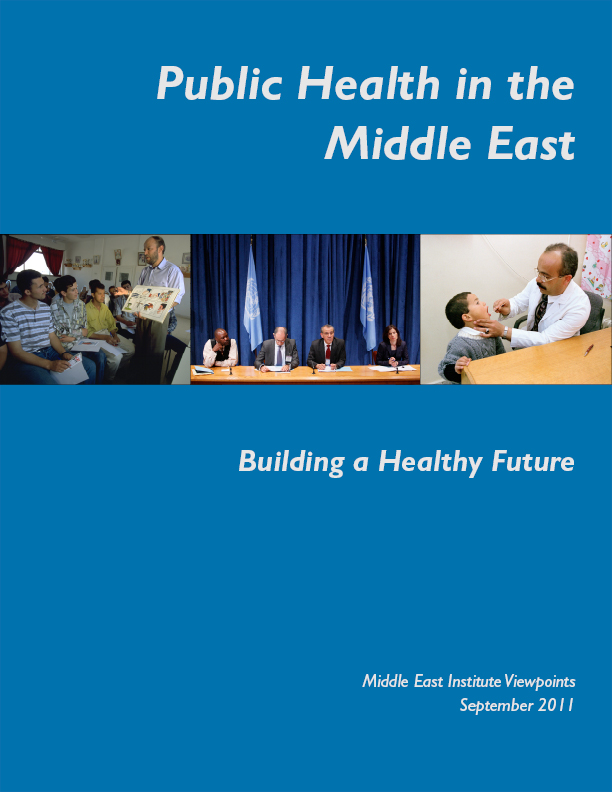
Introduction to Public Health in the Middle East: Building a Healthy Future
Originally posted September, 2011
The flow of ideas, people, and commerce across national boundaries has been occurring with breathtaking rapidity in the broader Middle East, as elsewhere. These increasingly dense exchanges have generated new threats and vulnerabilities that have tended to impact women, children, and the poorest members of society disproportionately. They also have given people more resources and opportunities with which to shape their lives and their futures.