The Middle East in an era of great tech competition
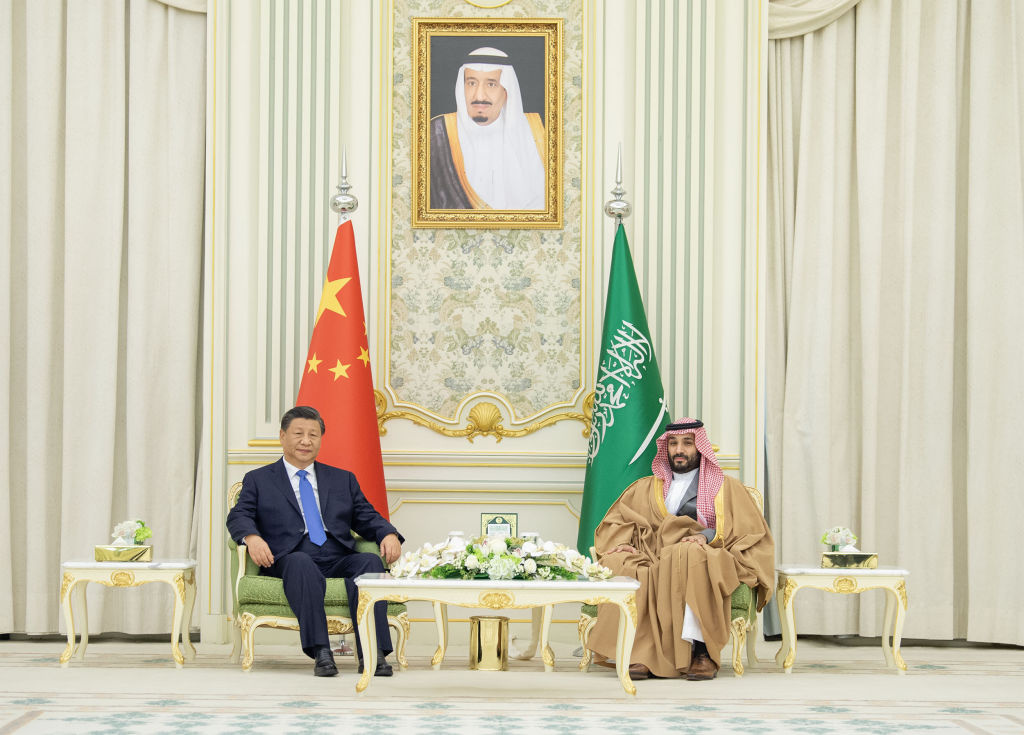
With the acute impacts of US-Chinese global tech decoupling becoming clearer, MENA is slowly emerging as an important region to watch. Economic and geopolitical ties with the West have long dictated the shape of the region’s digital environment, but more recent great power competition and Middle Eastern countries’ pursuit of economic and technological sovereignty have slowly deconstructed these dynamics.
The Biden administration is missing Netanyahu’s transparent game of destructive leveraging
Netanyahu is skillfully building a set of menacing tools, mechanisms, capabilities, and policies that create a credible threat to the current order. Today, he is executing this strategy to achieve success on three key issues: annihilating the Oslo Accords and the two-state solution, curbing Iran’s nuclear weapons program, and carrying out what is effectively regime change in Israel. The U.S. must swiftly and decisively confront and foil Netanyahu’s destructive leverage vectors or else it will find itself on the wrong side of history on some or all of these three critical fronts.
Seeding future stability: How can startup ecosystems help build peace?
Disregarding the fundamental desire for economic opportunity carries real risk to stability and peace. If we imagine different possible futures for economically disadvantaged communities in MENA and elsewhere, one difference between conflict futures and peaceful, stable ones may be the degree to which entrepreneurial capability is afforded the conditions in which to thrive.
Juniper Oak 2023 reinforces US commitment to Middle East, sets standard for future regional exercises
This week, the United States Central Command (CENTCOM) concluded what it called on social media, “the largest ever U.S.-Israel combined exercise.” The drills reasserted U.S. support for partnerships, deterrence, and integration, despite posture reductions and continued concern among partners about Washington’s commitment to the Middle East.
Israelis’ evolving pushback to democratic erosion under Netanyahu
A movement of Israelis who resist the new Netanyahu government is crystallizing and taking initial steps to push back against democratic erosion. It will need to evolve quickly and effectively to make an impact and could benefit from some international helping hands along the way.
What the UN vote tells us about international sentiments and Israeli diplomacy
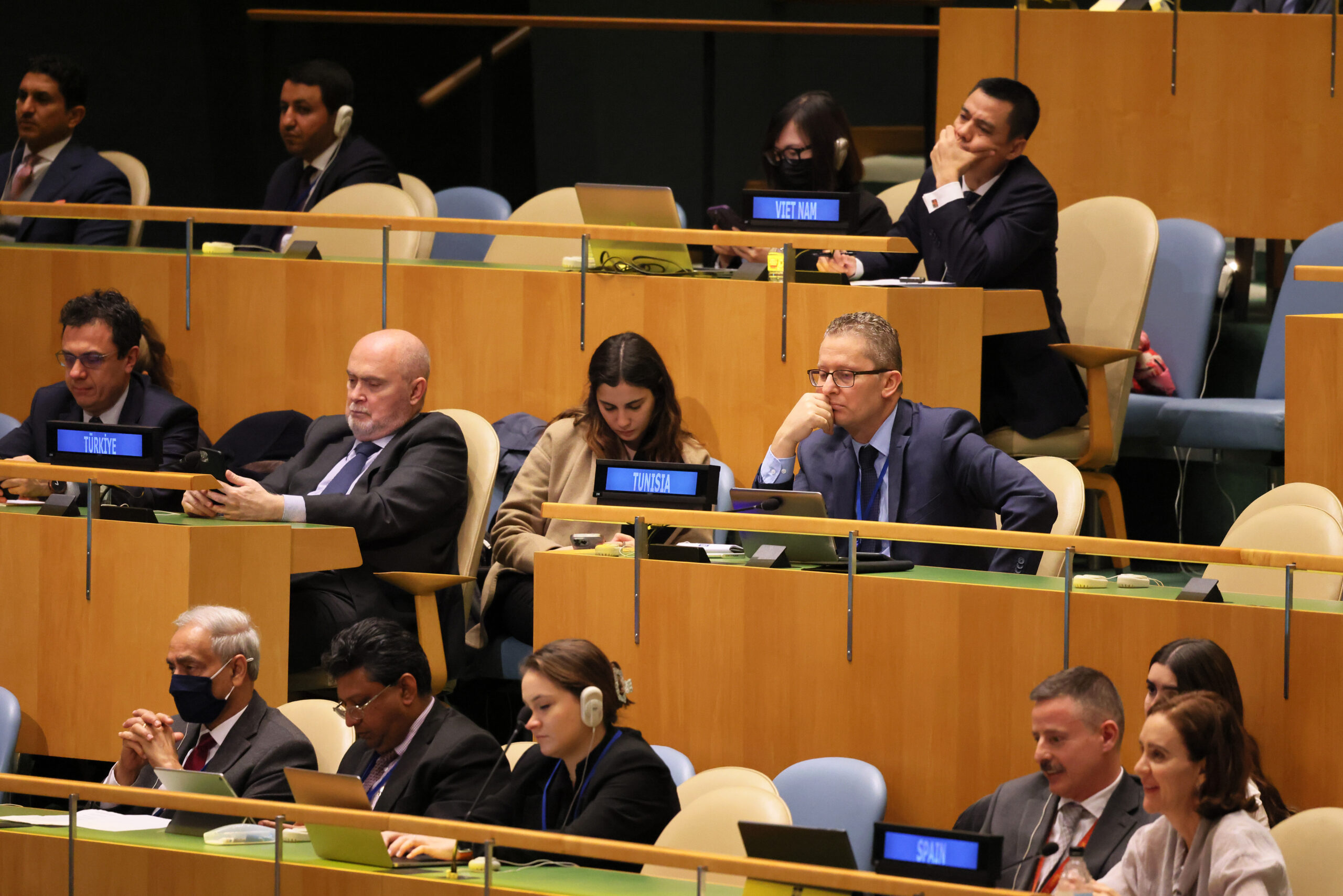
The Dec. 30 vote at the United Nations General Assembly (UNGA) regarding Israel reflected once again that the international community does not generally accept the Israeli narrative regarding the Palestinian issue. It also highlights that the Palestinian issue, while not a top priority on the global agenda, is still one of concern around the world.
Artificial intelligence is expected to significantly impact humanity’s progress, to the extent that Google CEO Sundar Pichai compares AI-induced advancement to being on par with that ushered in by fire and electricity. There are plenty of skeptics, however, like world-renowned scientist Stephen Hawking, who have raised doubts about whether it can be controlled in the long term and speculated that its development could even spell the end of the human race.