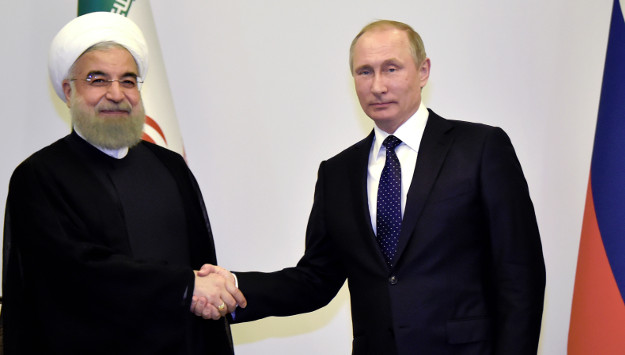
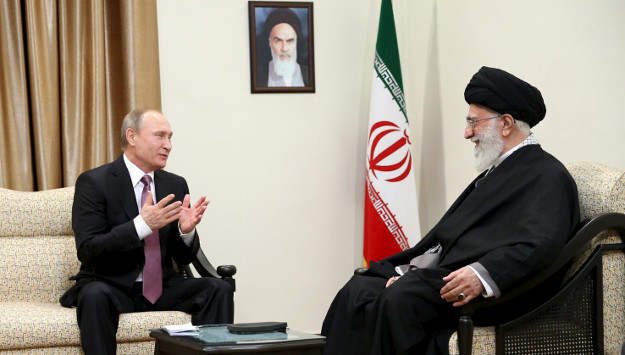
The question about whether Iran and Russia can sustain the recent elevation in relations is hotly debated in Tehran. This urgency is brought about as the Iranians and the Russians are pushing ahead to see if they can coordinate their policies on the question of a political settlement for the Syrian war that will satisfy both Moscow and also Tehran’s objectives.
Iran-Backed Militant Groups Make Territorial Gains in West Mosul
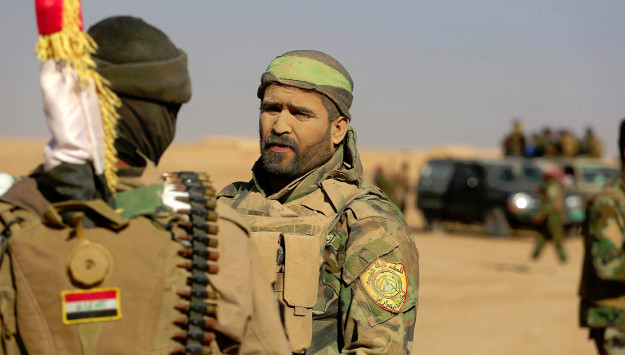
On January 12, Iran’s Fars News Agency (FNA) reported that the Popular Mobilization Forces (PMF) “liberated” three regions in the west of Mosul.
According to FNA, an outlet affiliated with the Islamic Revolution Guards Corps (IRGC), PMF forces are preparing for the “sixth phase of operations to liberate the west of Nineveh Province.”
New Report: Human Rights Situation Hasn't Improved under Rouhani
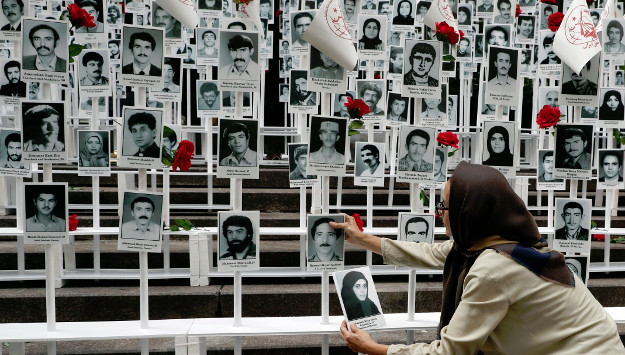
In its World Report 2017 published today, the Human Rights Watch said President Hassan Rouhani has not delivered on his campaign promise to improve the human rights situation in Iran over the past three years.
The confirmation hearing of the man slated to be the next US Secretary of State, Rex Tillerson, has received a mixed review in Iran. On the one hand, Tillerson’s remarks on Iran were hardly encouraging to Iranian ears.
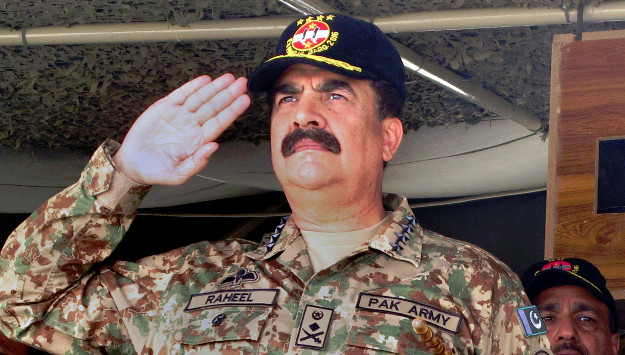
The recent announcement by Saudi Arabia that the retired Pakistani General Raheel Sharif will head a 39-member anti-terrorism coalition made of Muslim states is a matter of much concern in Tehran. Iran, which was not invited to join the coalition, regards the Saudi initiative as a regional project aimed to contain its influence.
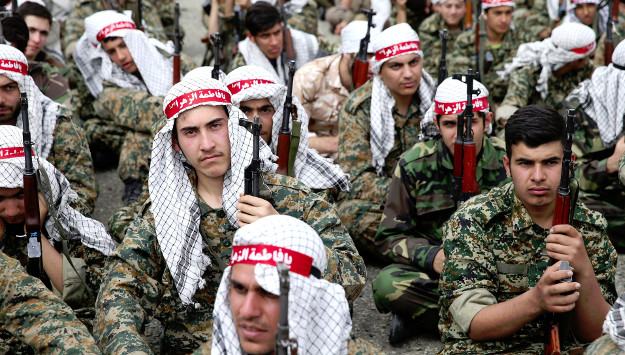
IRGC Helps "Latin Americans" Establish Basij Force
In the latest indication of Iran’s efforts to expand its ideological and political influence in parts of Latin America, the Islamic Revolution Guards Corps (IRGC) has revealed that it provides training to Latin Americans in how to create and utilize the Iranian model of paramilitary Basij Force.
New Findings Point to Iran Sending Weapons to Yemen
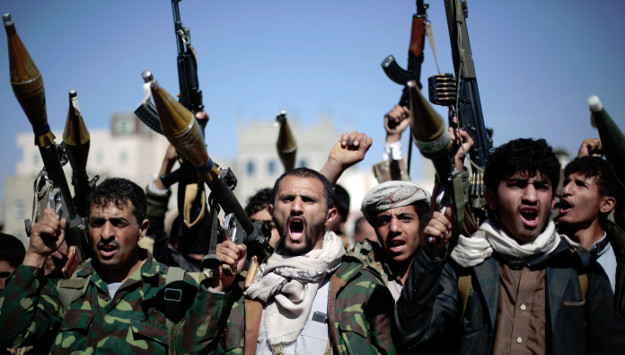
It is not a secret that Iran plays a role in the Yemeni conflict. But a new report provides yet another piece of evidence released to the public about the Iranian government’s arms aid to the Houthi rebels that fight against the Yemeni government backed by Saudi Arabia and its allies. The Australian government has released photographs that show light anti-armor weapons seized near the Yemeni coast were manufactured in Iran.
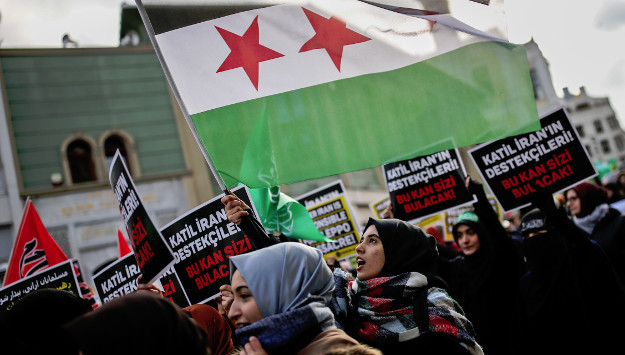
Kayhan, a leading newspaper that represents the most hardline of voices inside the Iranian regime, has been raising doubts about Turkish intentions in the Syrian conflict. The reservations the paper expressed come shortly after the late December 2016 Turkish-Russian-Iranian ceasefire deal aimed to kick-start the political process to find a solution to the six-year Syrian war.
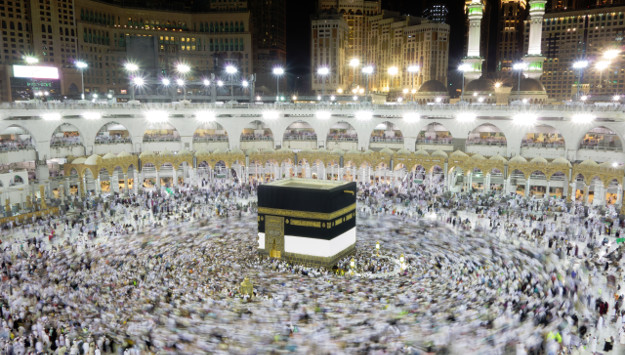
The representative of Iran’s Supreme Leader on Hajj [pilgrimage] affairs has announced that Tehran will shortly dispatch a delegation to Saudi Arabia. This latest development has come about following Iran’s decision not send any pilgrims to Saudi Arabia in 2016. Riyadh had earlier sent an invitation to Iran for talks to be held to resolve differences that exist in this context.
In a meeting with a high-level delegation visiting Tehran on January 11, Iran’s President Hassan Rouhani called terrorism a common enemy of Afghanistan and Iran and pledged his country’s all-out support to Afghanistan’s stability.
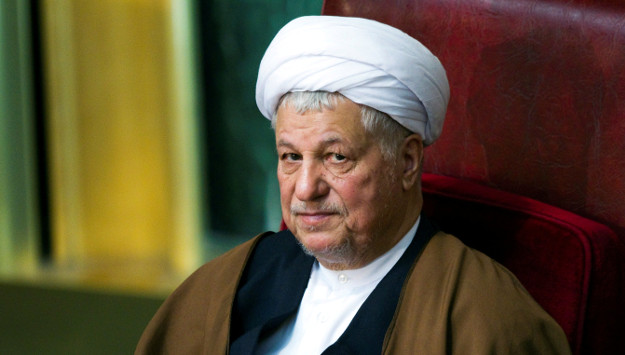
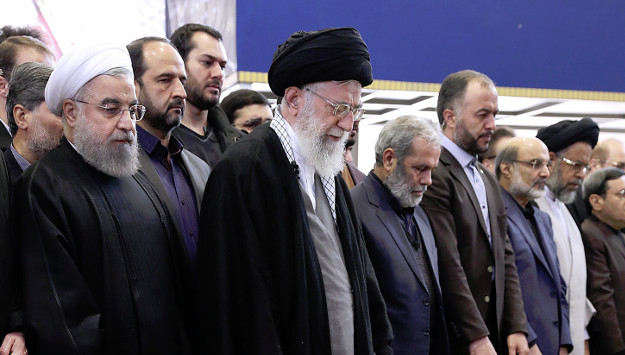
The death of Ayatollah Ali Akbar Hashemi Rafsanjani on January 8 marks a major turning point for Iran. For nearly 40 years, his undisguised hunger for power combined with his knack for deal making had made him the most proven kingmaker of the Islamic Republic.
During the January 10 mass rallies of the funeral of former president Ali Akbar Hashemi Rafsanjani, crowds in Tehran repeatedly chanted “Death to Russia” and “Russian Embassy is the den of spies.” Those chanting are supporters of the popular political opposition, which continue to be repressed by the security services.
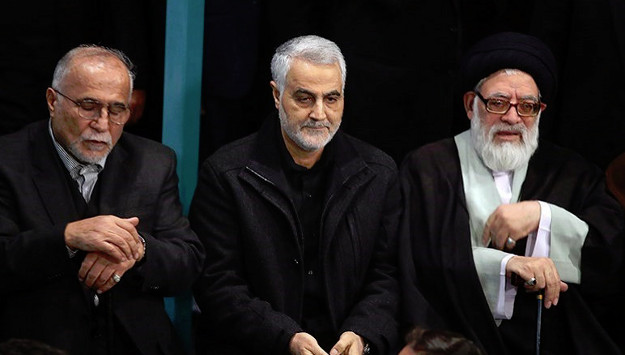
Iran’s Quds Force Commander Qassem Suleimani attended the funeral of Ayatollah Akbar Hashemi Rafsanjani and praised the former Iranian president’s anti-American and anti-Israeli sentiments and positions.
The generals of the Islamic Revolution Guards Corps (IRGC) have been busy mourning the death of Ayatollah Ali Akbar Hashemi Rafsanjani. That is at least the public show they have put on. Since his death, several top IRGC commanders have hailed Rafsanjani as a pillar of the Islamic Republic and a hero in the so-called struggle against Western powers. Such public show of grief, however, is hardly convincing. In recent weeks prior to his death, IRGC-run media and personalities had unleashed a barrage of new attacks against Rafsanjani.