
Khamenei Aide’s Remark Shows Iran Will Continue Use of Extremism to Harm U.S. Interests in Middle East
On February 3, two senior Iranian leaders bragged that the Islamic Revolution Guards Corps (I.R.G.C.) and its foreign sectarian militia forces have inflicted a heavy defeat on the U.S. and its allied forces in conflict zones in the Middle East and South Asia.
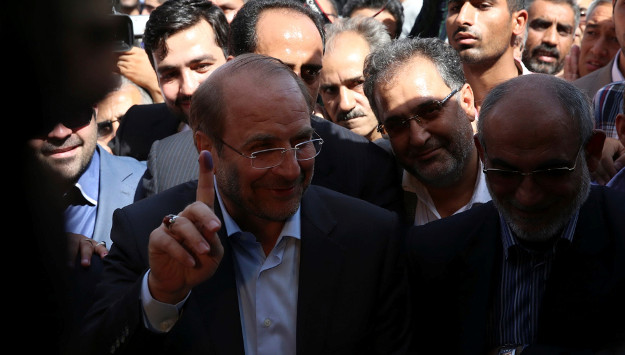
I.R.G.C. Mayor of Tehran Refuses to Apologize after Building Collapse
Following the January 19 collapse of Plasco, a 17-story historic building in downtown Tehran, mass anger against the authorities in the Iranian regime has been building up. Twenty people were killed in the disaster. The mayor of Tehran, Mohammad Ghalibaf, a former Islamic Revolution Guards Corps (I.R.G.C) commander, who remains close to his comrades, appeared in front of the members of the parliament but refused to apologize.
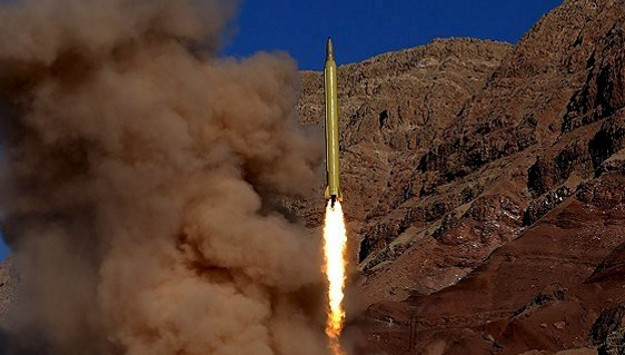
Iran Doubles Down on Its Defiance of International Demand to Curb Missile Activity
In reaction to President Donald Trump’s tweet this morning that said “Iran is playing with fire,” Iranian civilian and military officials doubled down on their defiance of U.S. and international demands to curb their controversial missile program, which Washington says violates U.N. Security Council Resolution 2231.
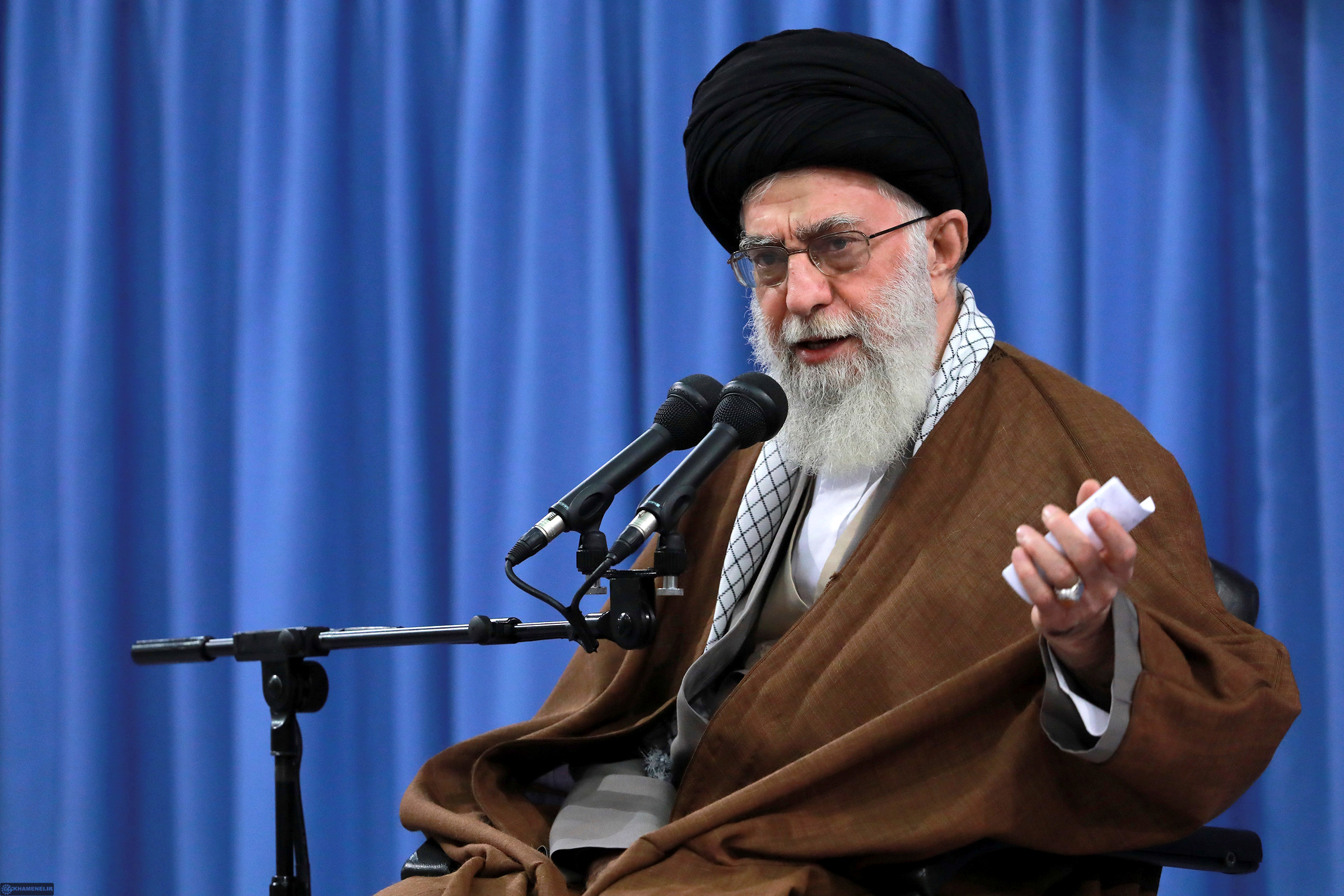
Top Khamenei Aide: “We Need Weapons”
Ahmad Khatami, a hardline cleric close to Iran’s Supreme Leader Ayatollah Ali Khamenei, on February 3 defended Iran’s latest ballistic missile test. “In a world of wolves, we need weapons,” Khatami was quoted as saying to worshippers at the Friday prayer in Tehran.
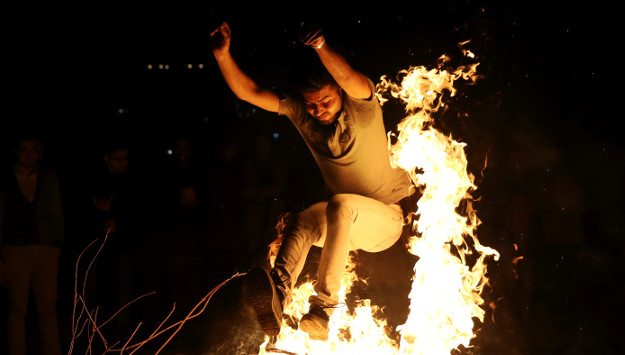
Iranian Regime Inciting Hatred, Persecuting Zoroastrian Minority
A representative of the Zoroastrian minority in the Iranian parliament has protested at acts of “insult and defamation” against his community and called on the government to protect the rights of Zoroastrians and prevent inflammatory speech against them by the country’s influential clerics and local authorities.
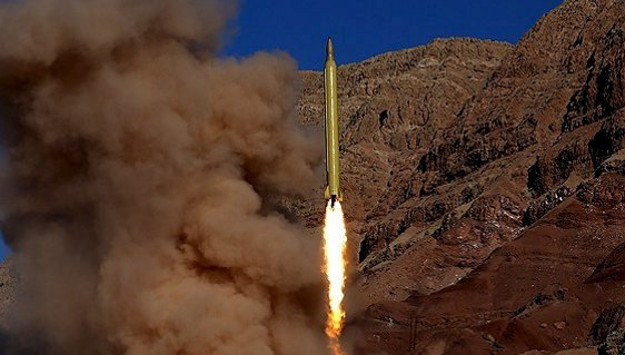
Iran Refuses to Heed International Demands It Obey U.N. Resolutions
Iran’s civilian and military leaders today dismissed threats from the Trump administration and vowed to continue and increase the country’s controversial missile activity. “Every day Iran will increase the number of its missiles, warships and defense missile launchers.

U.A.E. Releases Evidence of Iranian Military Assistance to Yemeni Insurgents Violating U.N. Resolutions
The United Arab Emirates has summoned Iran’s charge d’affaires to protest Iran’s arming of Houthi rebels in Yemen, Iranian and
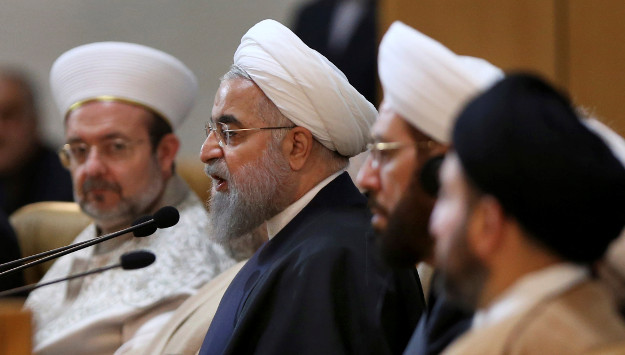
Rouhani Family Corruption Continues to Roil Election Waters
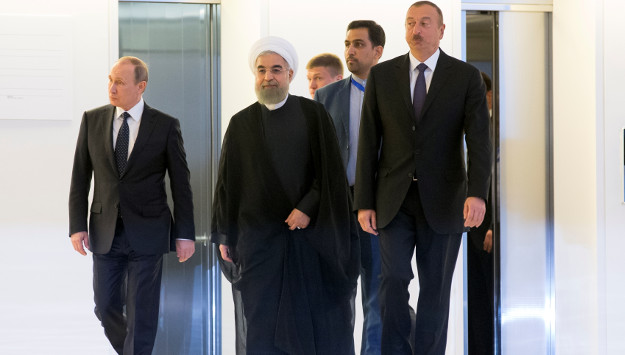
Iran-Azerbaijan Relations Hit the Rocks Over Iranian Meddling in Azerbaijani Internal Affairs
Iranian authorities have denied any involvement in a coup attempt in the neighboring country of Azerbaijan.

Iranian Military Provocations Threaten Commercial Aircraft Sales
Abbas Akhoundi, Iran’s Minister for Roads and Urban Development, has insisted that the Trump administration cannot cancel the 80 aircraft and $16.6 billion deal that Iran reached with the US company Boeing in December 2016.
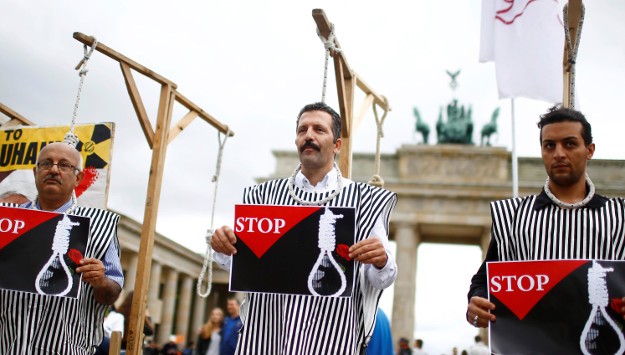
Amnesty International Flags Iran's Inhumane Execution of Juveniles and Kangaroo Courts
The Iranian regime is set to execute another man arrested as a juvenile, Amnesty International reports. According to the right group, Hamid Ahmadi has been placed in solitary confinement in Lakan prison in the capital of Gilan Province, and is awaiting his execution on February 4.
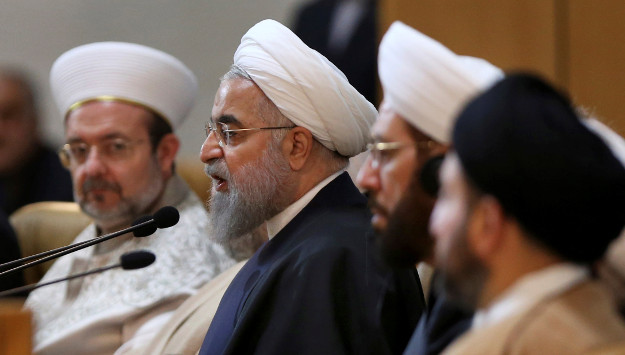
Rouhani Blasts Trump as Political “Amateur”
Since the Trump administration last week introduced a ban on Iranian travelers to the United States for a certain time period, hardliners in Tehran have been pressuring President Hassan Rouhani to retaliate.
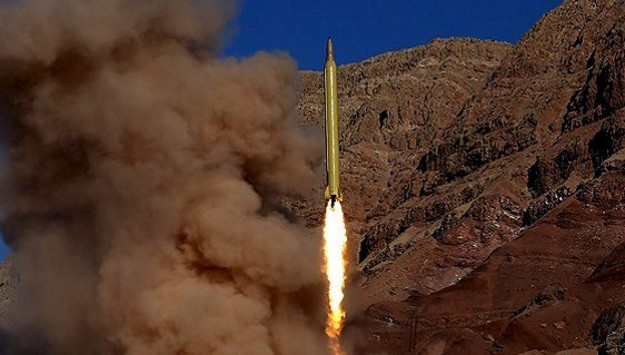
Iran Confirms Ballistic Missile Test, Vows to Defy International Pressure
On February 1, the Iranian defense minister confirmed that the Islamic Republic had carried out a ballistic missile test and vowed to continue to enhance the country’s missile capabilities despite growing international concern.