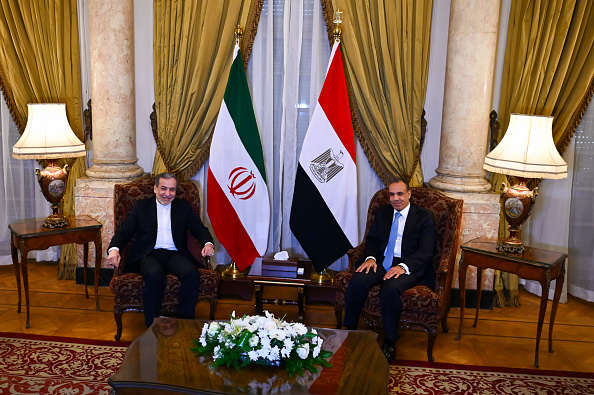
The multiple wars that have erupted since Oct. 7, 2023, have already changed the strategic landscape in the Middle East — and more change is likely to follow.
How Donald Trump might tackle the Middle East in 2025
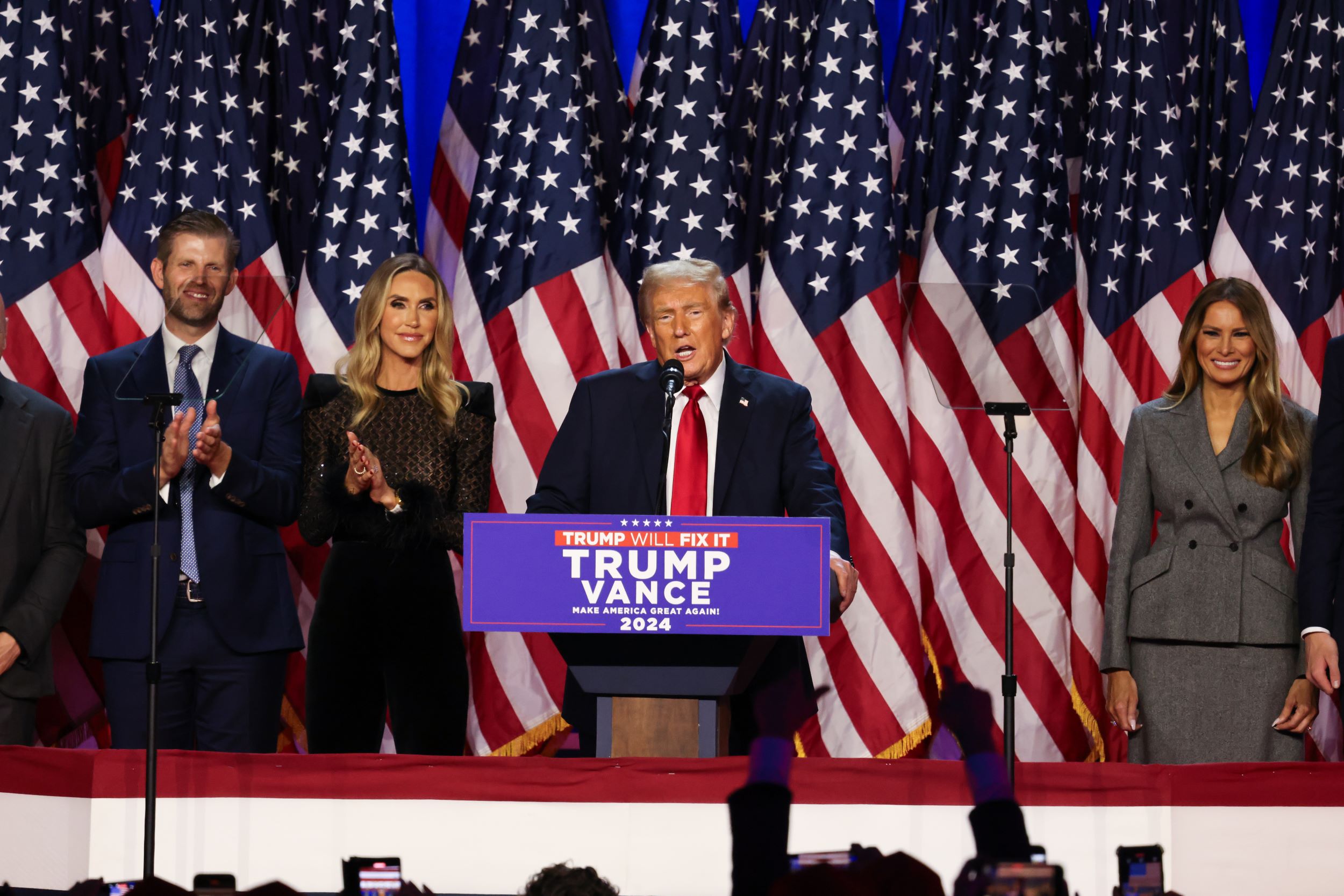
it is possible to extrapolate how the incoming second Trump administration may respond to the complex situation in the Middle East by examining the president-elect’s record during his first term, what he has said since, as well as public statements of his running-mate, Sen. J. D. Vance. Two main issues are likely to dominate Donald Trump’s regional agenda when he comes to power: Iran and Israeli-Palestinian affairs.
After Oct. 7, Israeli and Palestinian civil societies’ pro-peace role is more important than ever
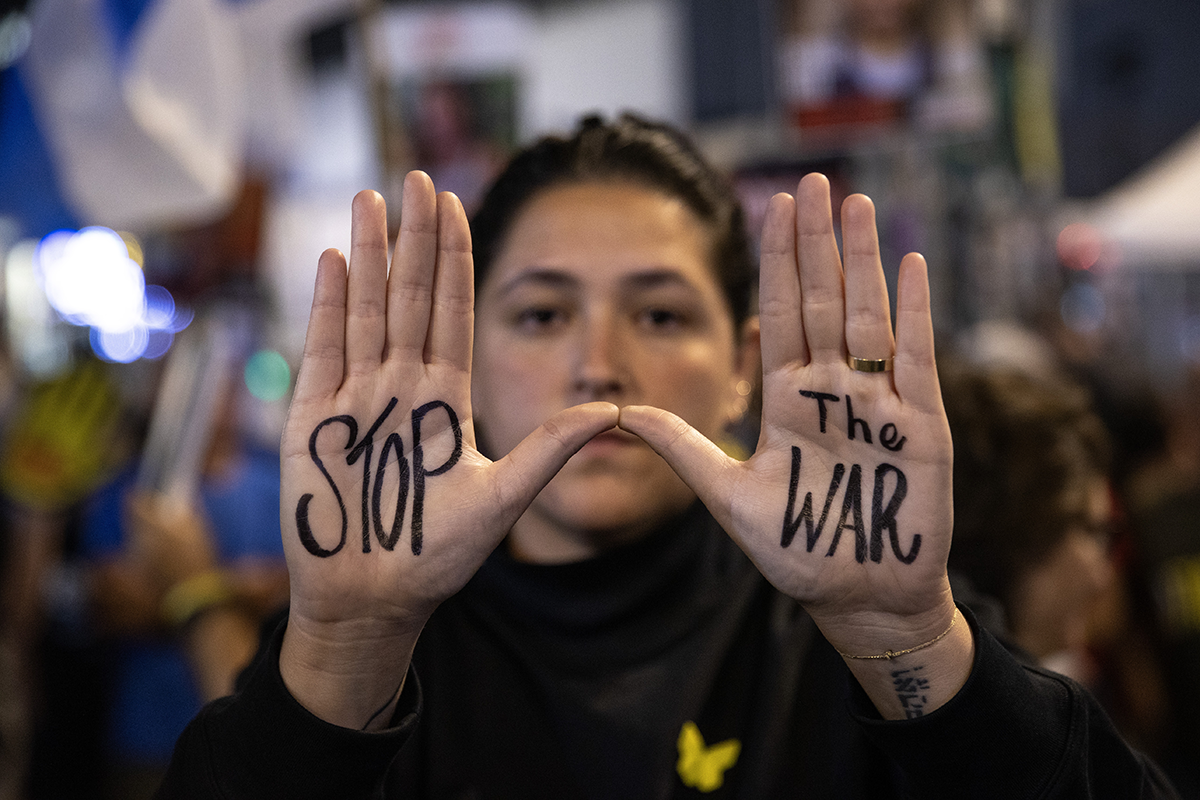
The devastating conflict that erupted on Oct. 7, 2023, dealt a near-fatal blow to efforts by Israeli and Palestinian civil society organizations, leaving both sides feeling as though they have returned to square one. The unprecedented violence and severity of the war have profoundly altered the consciousness of both Israelis and Palestinians, reinforcing a sense of existential struggle. Efforts to engage the public must contend with a hardening of positions and sentiment.
ما وراء النفط: رهان جوجل الكبير على مستقبل الذكاء الاصطناعي في السعودية
في خطوة تاريخية تشير إلى الأهمية المتزايدة للشرق الأوسط في المشهد التكنولوجي العالمي، دخلت Google في شراكة استراتيجية مع صندوق الاستثمار العام السعودي (PIF)، وهو صندوق الثروة السيادي للمملكة. تؤكد هذه الشراكة على "الترابط المتزايد" بين الذكاء الاصطناعي والطاقة، حيث تستخدم المملكة العربية السعودية - إلى جانب الإمارات العربية المتحدة ودول الخليج الأخرى - فائضها من الطاقة لتشغيل مراكز البيانات، التي تعد ركيزة أساسية في البنية التحتية للذكاء الاصطناعي.
Harris vs. Trump on the War and Crisis in the Middle East
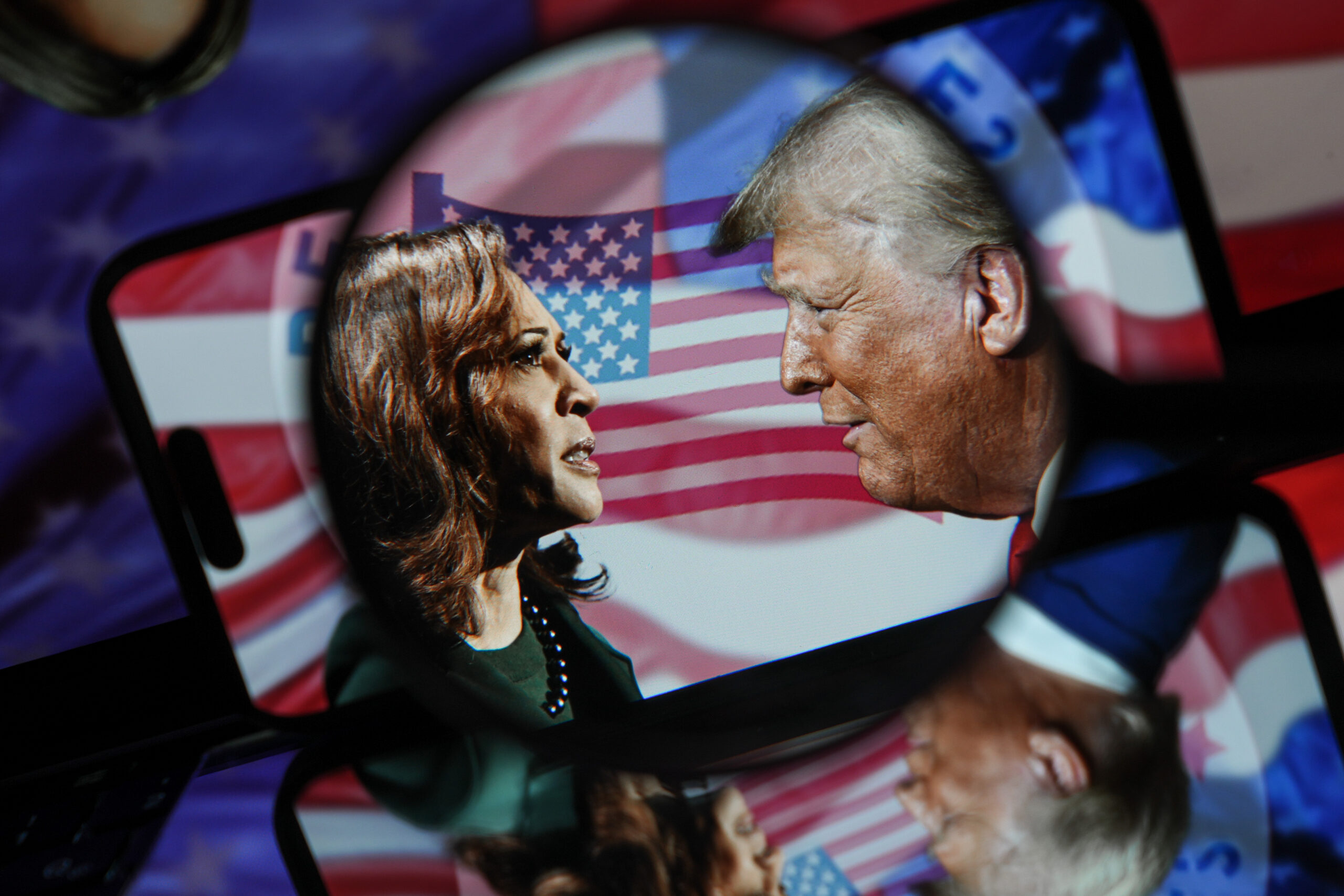
This policy assessment examines the statements and positions staked out by the Harris and Trump campaigns on the Middle East. The spotlight is on the past few weeks, with a stronger focus on two main issues that are likely to dominate the regional agenda of the next US administration: Iran and Israeli-Palestinian affairs.
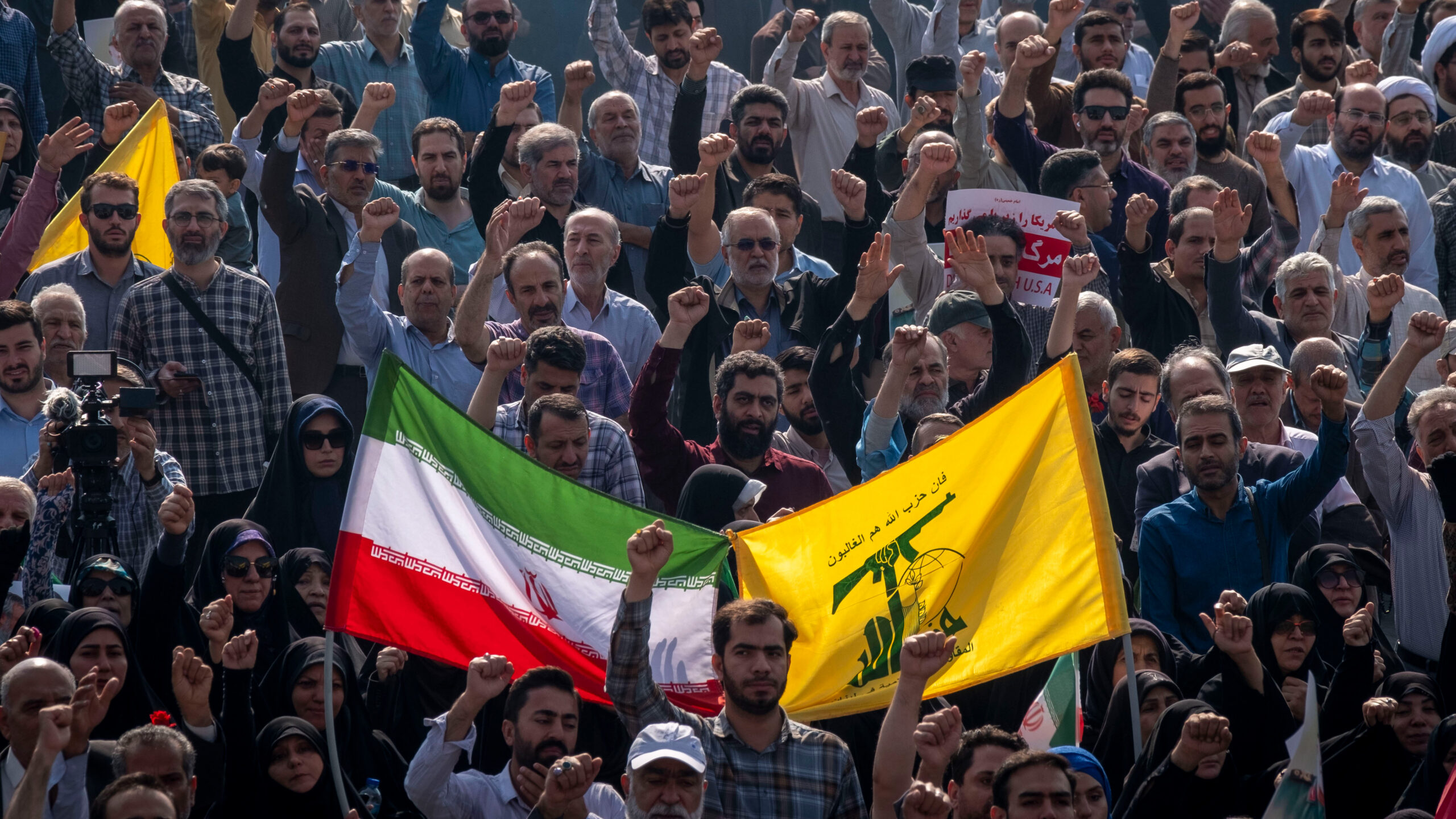
Over the past month, Iran and its regional network of allies and proxies – the Axis of Resistance – has suffered a string of dramatic losses and defeats. What is the future of the Axis and its members, and what can the US and its allies do to confront and disrupt this Iranian-led network?
MEI Managing Editor Matthew Czekaj speaks to Meir Javedanfar and Alex Vatanka on Iran’s role in keeping its network of proxies together and the conflicting interests that may force the country to rethink its antagonistic regional strategy.
The Islamic Republic, the most unpatriotic in Iranian history?
It is no exaggeration to say that the Islamist political system in Tehran is on the brink of experiencing perilous blowback for the foreign policy choices it has made. Whether Tehran continues to prioritize the fight against Israel or decides to look for ways to deprioritize the conflict as a national security matter will not be settled in the foreseeable future — or perhaps the matter will be taken out of Iran’s hands.
خلال الشهر الماضي، عانت إيران وشبكة حلفائها ووكلائها الإقليميين – محور المقاومة – من سلسلة من الخسائر والهزائم الدراماتيكية. ما هو مستقبل المحور وأعضائه، وما الذي يمكن أن تفعله الولايات المتحدة وحلفاؤها لمواجهة وتعطيل هذه الشبكة التي تقودها إيران؟
'Fight big or think big': How the Middle East can pull back from the brink
If war is the continuation of politics by other means and every conflict is a symptom of a deeper unresolved contradiction, the violence of the past year – as well as the current direct confrontation between Israel and Iran – are the result of two deep and unresolved political problems.
These are the denial of Palestinians’ basic rights amid long-term Israeli occupation and Iran’s rejection of the basic rules of international law, as well as its insistence on maintaining a string of militias in broken Arab states from Lebanon to Yemen.
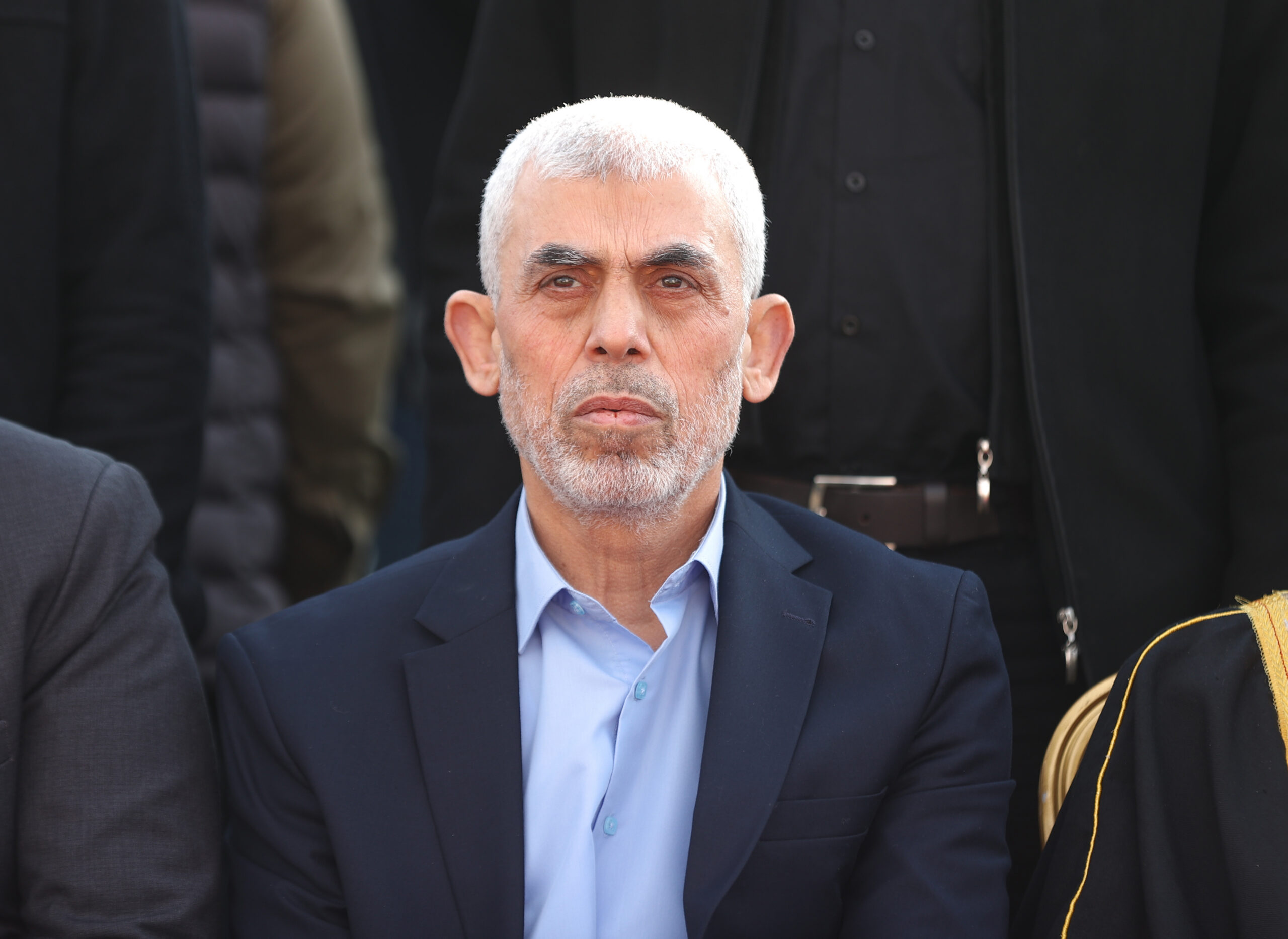
Israel has confirmed the death of Yahya Sinwar, chairman of the Hamas Political Bureau and Hamas leader in the Gaza Strip. Sinwar was one of the chief architects behind Hamas’ attack on Israel on Oct. 7, 2023, and has been a key Israeli target throughout the Gaza war.
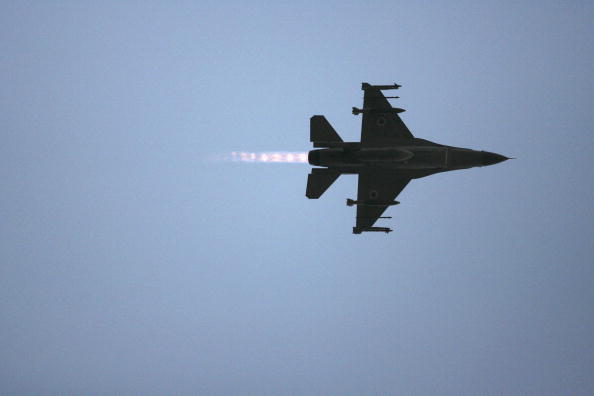
Iran’s missile attack on Israel on Oct. 1, 2024, marked a significant escalation in the ongoing regional tensions. This assault, reportedly involving 180 missiles, was the Islamic Republic of Iran’s largest yet against Israel, targeting military and security sites in retaliation for Israeli assassinations of leaders of Hezbollah and Hamas in Tehran and Beirut. Iranian officials framed the attack as an act of self-defense, warning that further Israeli actions could provoke even stronger retaliation from Tehran.