After deadly Beirut explosion, Lebanese army must maintain neutrality
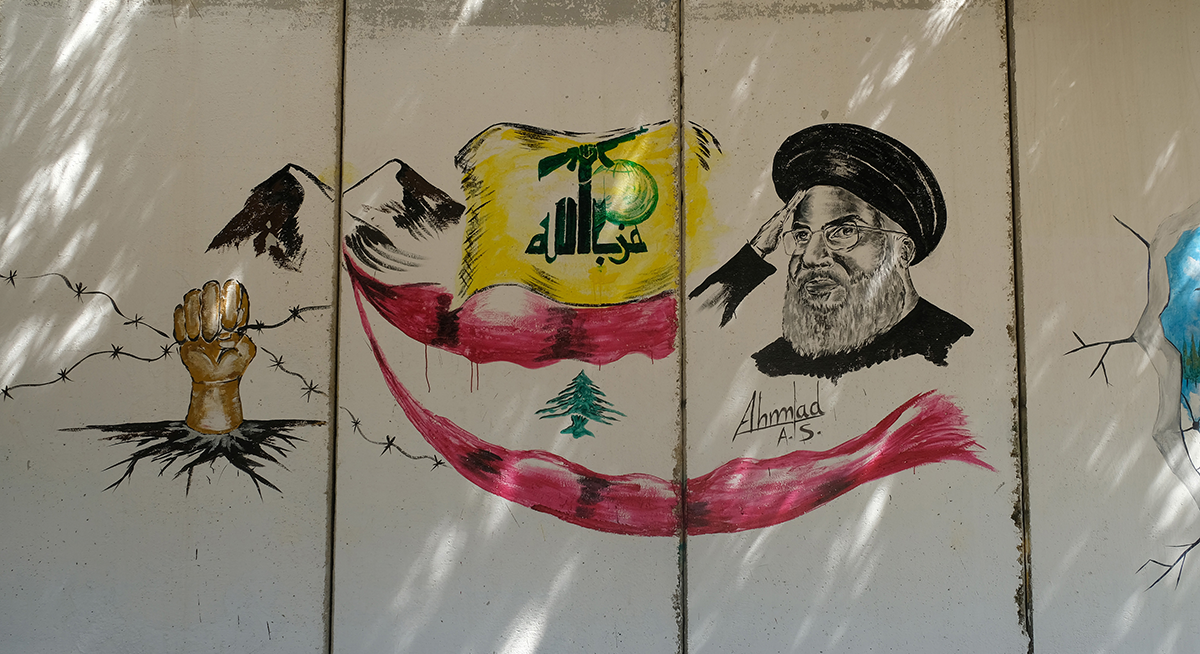
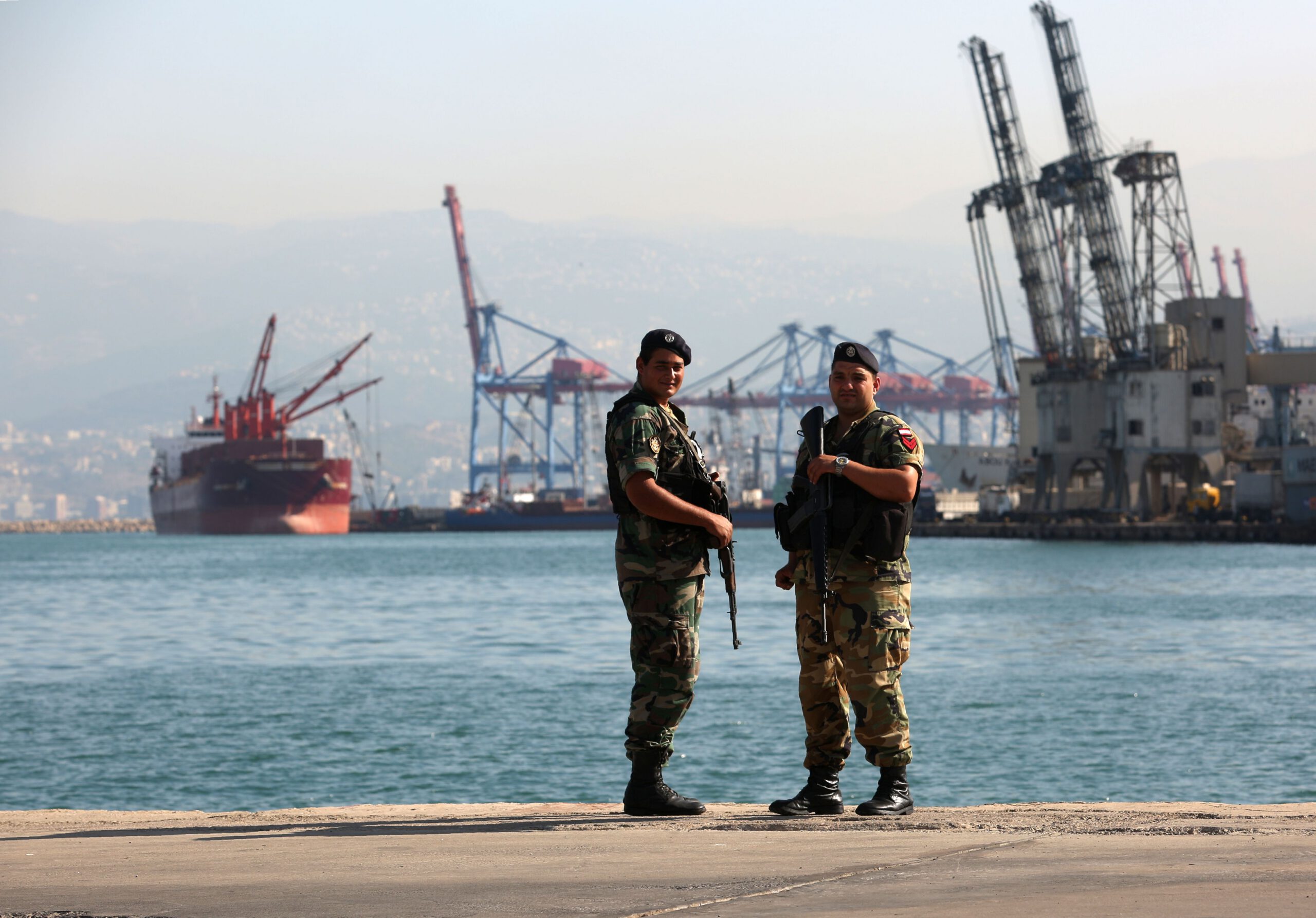
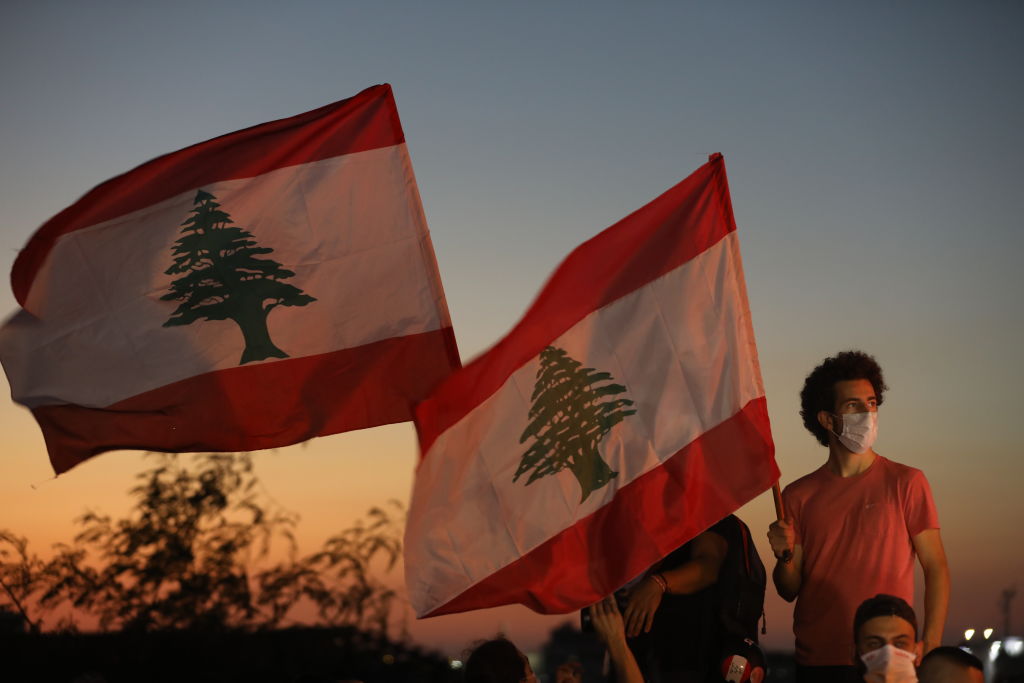
Soldiers refuse to stand with protesters amid growing criticism from Hezbollah.
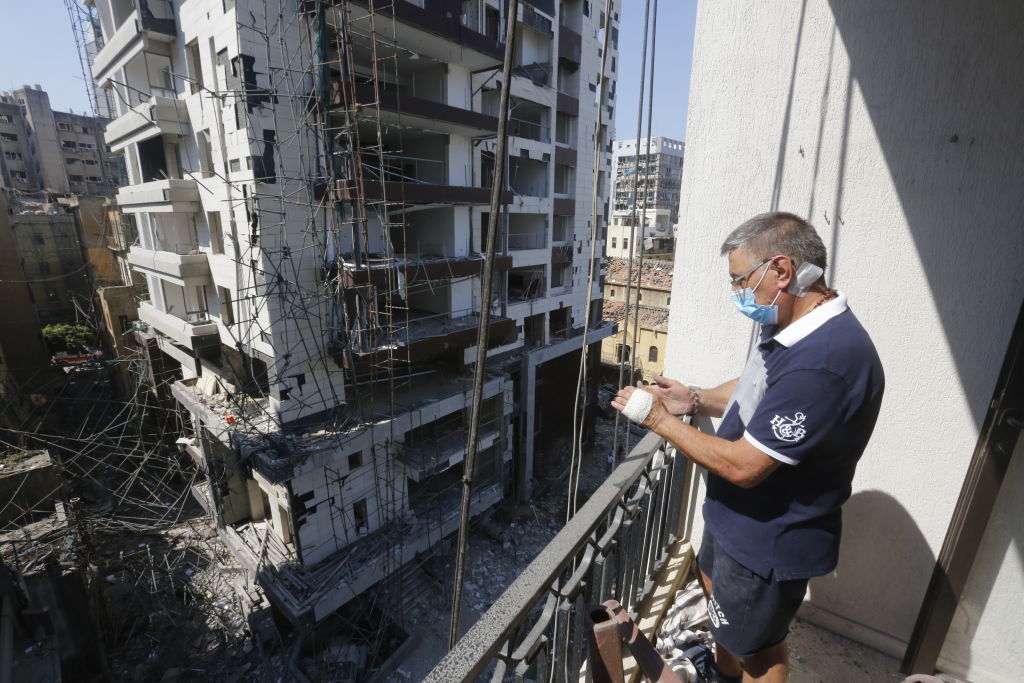
The catastrophic explosion in Beirut on Aug. 4 left 200 dead and thousands more injured. This included at least 43 Syrian and Palestinian refugees and dozens of foreign migrant workers that were killed or injured. The Beirut port explosion will place a great burden on Lebanese society and it will have short- and long-term impacts on marginalized communities.
This week’s briefing on recent news and upcoming events in the region featuring Robert S. Ford, Paul Salem, Yesar Al-Maleki, and Marvin G. Weinbaum.
This week’s briefing on recent news and upcoming events in the region featuring Randa Slim, Alex Vatanka, Mirette F. Mabrouk, Marvin G. Weinbaum, W. Robert Pearson, and Rauf Mammadov.
يتعرض استقرار لبنان حاليا لتهديد أكبر مما كان عليه في أي وقت منذ نهاية الحرب الأهلية عام 1990. الانفجار الهائل الذي شهده مرفأ بيروت في الرابع من آب/أغسطس الجاري الذي أودى بحياة المئات وجرح الآلاف وتسبب بأضرار مادية تقدر بمليارات الدولارات، لم يترك أثرا عميقا على أجساد ومعنويات اللبنانيين فحسب، بل غيّر أيضًا الأطر المرجعية للقوى السياسية المعارضة في البلاد. لقد اتخذ الصراع السياسي الآن بعدا وجوديا.
Beirut will rise again from the ashes, like it always has. But the real rebuilding that must occur is not physical in nature. It is political. Nothing will truly change in Lebanon unless the country’s corrupt and incompetent leaders, who have been in power for decades, are unseated.
Paul Salem and Randa Slim join host Alistair Taylor to discuss the immediate aftermath of Tuesday’s massive explosion in Beirut, which killed over 150 people and left as many as 300,000 homeless. The blast caused extensive damage across the city, and compounds the stress of Lebanon’s preexisting political, economic, and health crises.
Beirut-based art and documentary photographers Chantale Fahmi, Vicky Mokbel, and Marwan Tahtah join guest host Kate Seelye to discuss their efforts to capture the aftermath of Lebanon’s long civil war as well as the street protests that erupted on October 17, 2019 in response to the corruption and political mismanagement that triggered Lebanon’s financial collapse. Their’s are among works on display in “Lebanon Then and Now: Photography from 2006 to 2020,” an interactive virtual exhibit hosted by the MEI Art Gallery now through September 25. Visit the show now at www.mei.edu/art-gallery
This week’s briefing on recent news and upcoming events in the region featuring Paul Salem, Hafsa Halawa, Marvin G. Weinbaum, Anne-Linda Amira Augustin, and Gerald Feierstein.
The Israelis and Hezbollah are at it again. Earlier this week, they seem to have skirmished in the Shebaa Farms area. In their latest exchange of fire, or fiery statements, Israel and Hezbollah are continuing a new tradition of contained conflicts — one stretching back five years, when the Israelis stepped up efforts to interdict weapons shipments, destroy infrastructure, and kill Iranian or Iranian-supported officials and fighters in Syria (and indeed Iraq).
Over the past decade, the two main pillars of Lebanon’s stability have been the country’s army and its banking sector. Today one of those pillars — the banking sector — has all but fallen and Lebanon is standing on one leg: its army.
Lebanon is on the brink of collapse due to its domestic economic and political crises, exacerbated by the COVID-19 pandemic. Another failed state in the Middle East would negatively impact strategic U.S. interests in the region. Lebanon requires a thorough reorientation towards stability and renewed socio-economic sustainability which entails fundamental domestic reforms and targeted international support led by the U.S.
As many as 17,000 people “disappeared” during the Lebanese civil war. From 1975 to 1990, Lebanese factions, Palestinian militias, and the Syrian and Israeli militaries waged war in Lebanon. In that time, they and associated actors — be they Syrian security services, or armed Lebanese gangs using the war to turn a profit — “disappeared” people. Now, 30 years after the war ended, Lebanon has finally created a national commission for the disappeared, and in doing so, has taken a small step toward helping families grapple with the consequences of a conflict that has never, really, ended — certainly not for them.
The state is teetering on the brink of collapse as salaries to the public sector dwindle into insignificance.
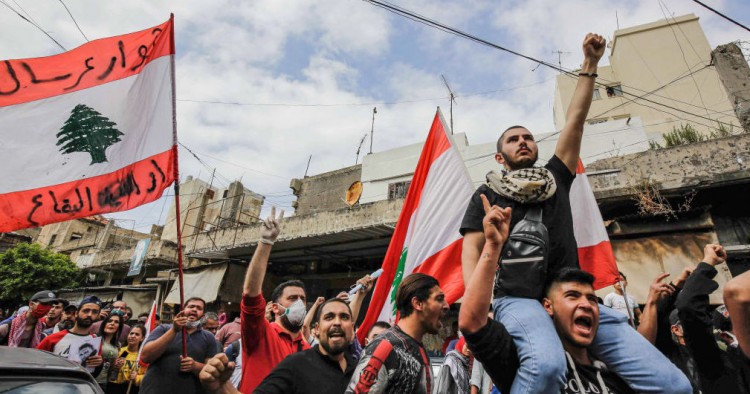
By letting people vent in the streets, Hezbollah seeks to shift the blame away from its inability to offer the help its constituency expects of it.