Managing US-China relations in the Middle East among common and conflicting interests
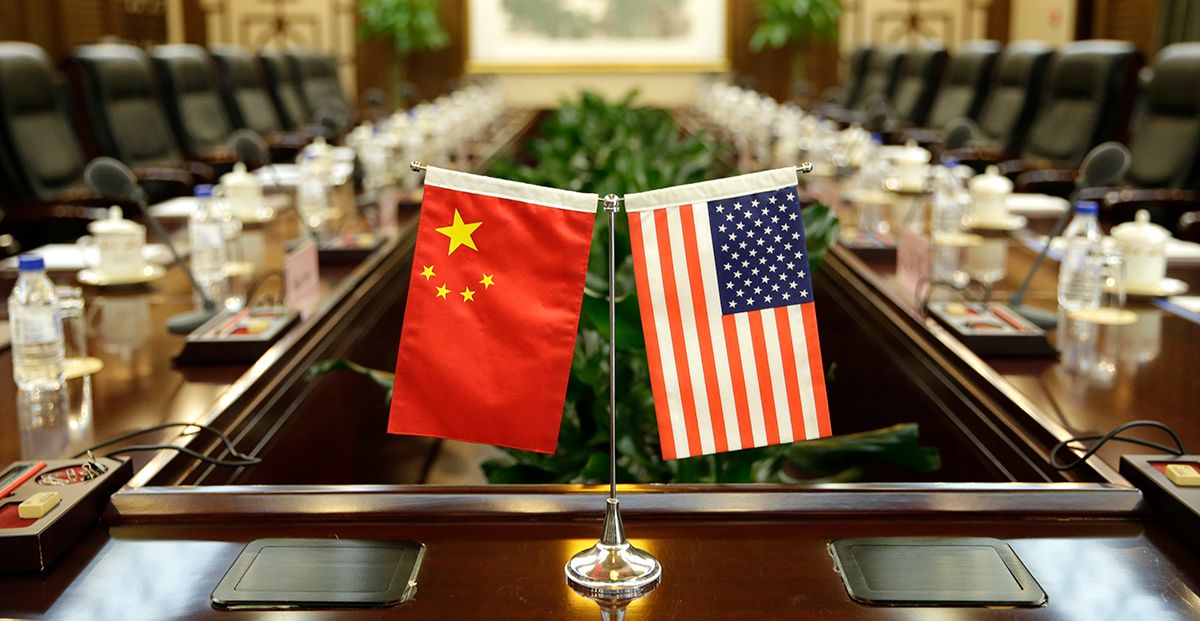
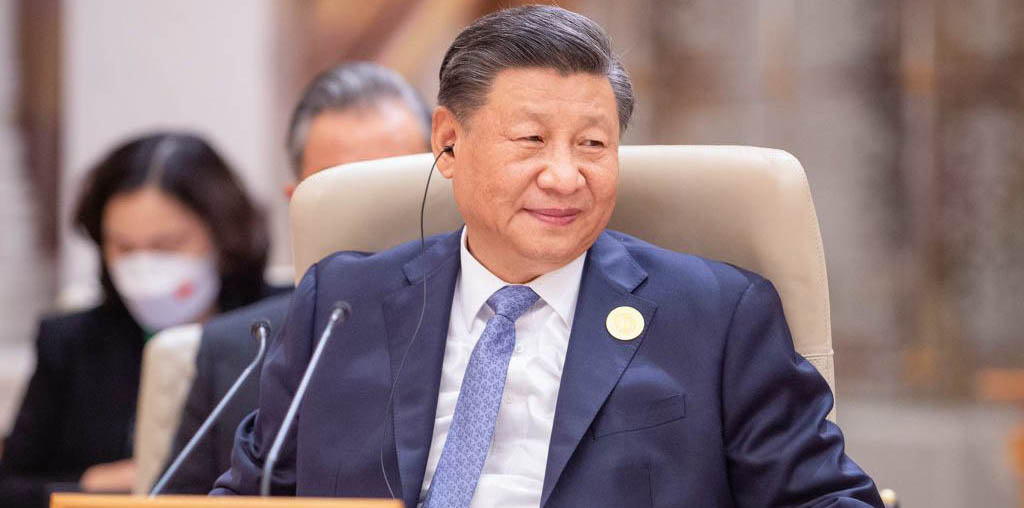
The Biden administration has been trying to diplomatically reengage with China, although so far with little response from Beijing. Any broad reengagement would necessarily include reengagement in the Middle East and North Africa. Both sides have a long list of common interests in the Middle East; the areas where their interests diverge relate mainly to suspicions of the other side’s long-term strategy and global ambitions. How can Washington and Beijing build on common interests in the region while addressing their long-term concerns, reducing some of them and accommodating robust competition or even sharp adversarial attitudes in other areas?
Beijing to Baghdad: China’s growing role in Iraq’s energy sector
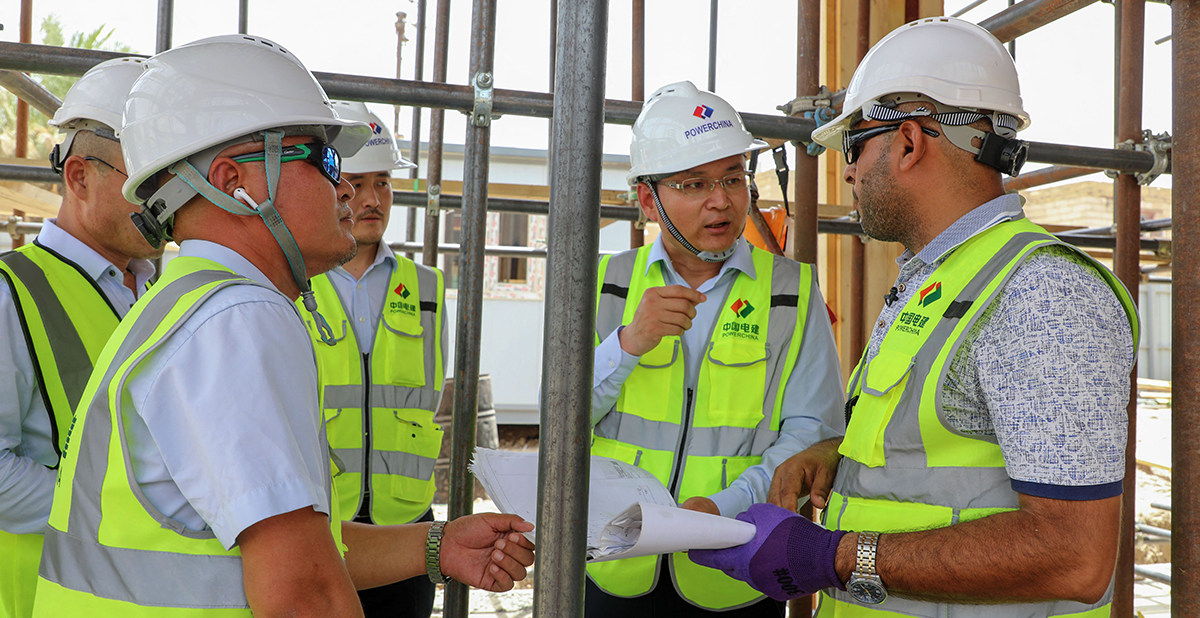
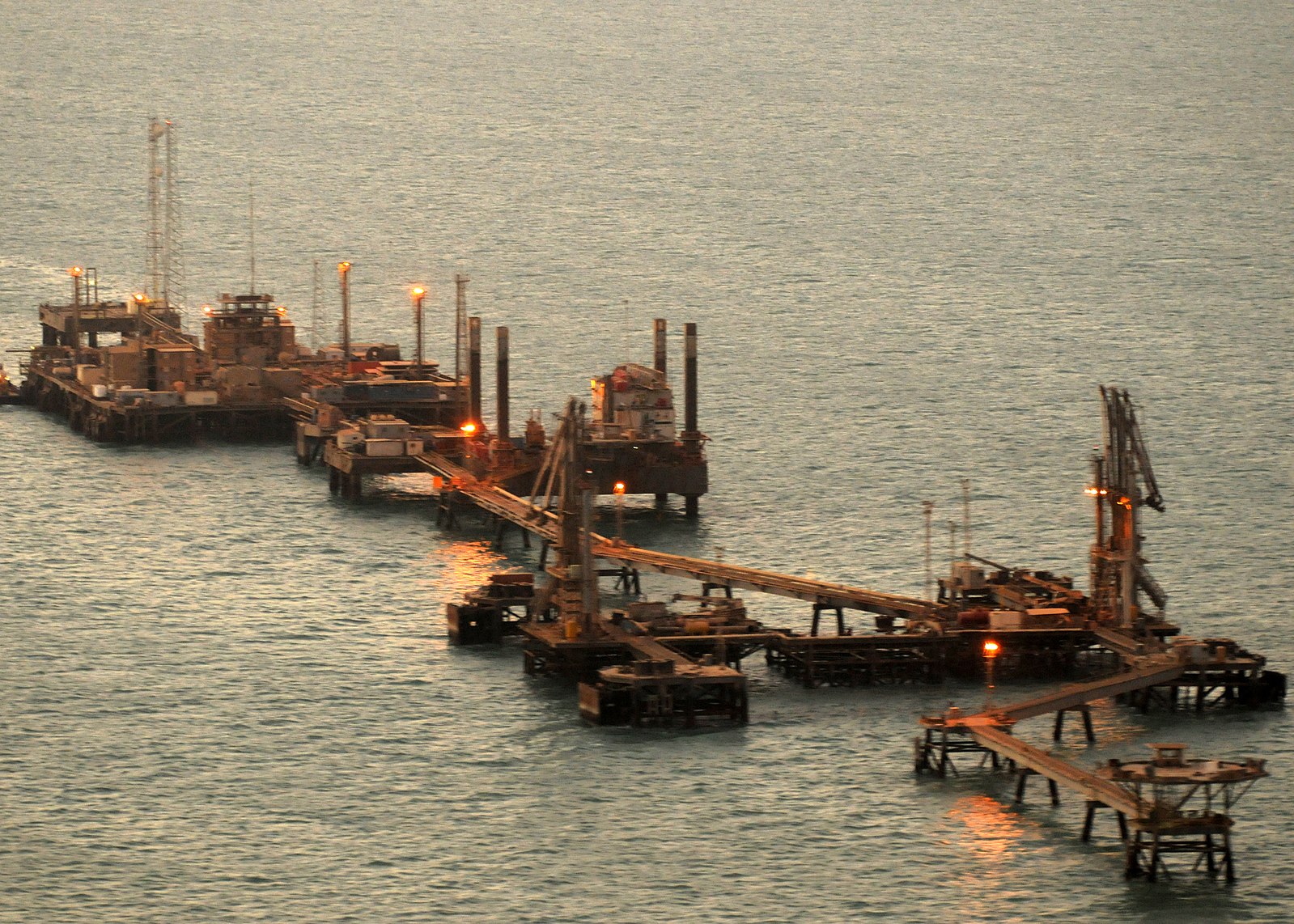
Chinese companies are well positioned to participate in Iraq’s efforts to expand its oil production capacity and develop domestic gas supplies, as they are actively engaged in various energy-related undertakings throughout the country. However, if indeed China’s strategy is, as some have suggested, to become the dominant player in Iraq’s economy, achieving that objective will likely prove difficult given Iraq’s challenging operating environment and contentious politics.
War as a catalyst for greater Black Sea-Gulf interconnectivity
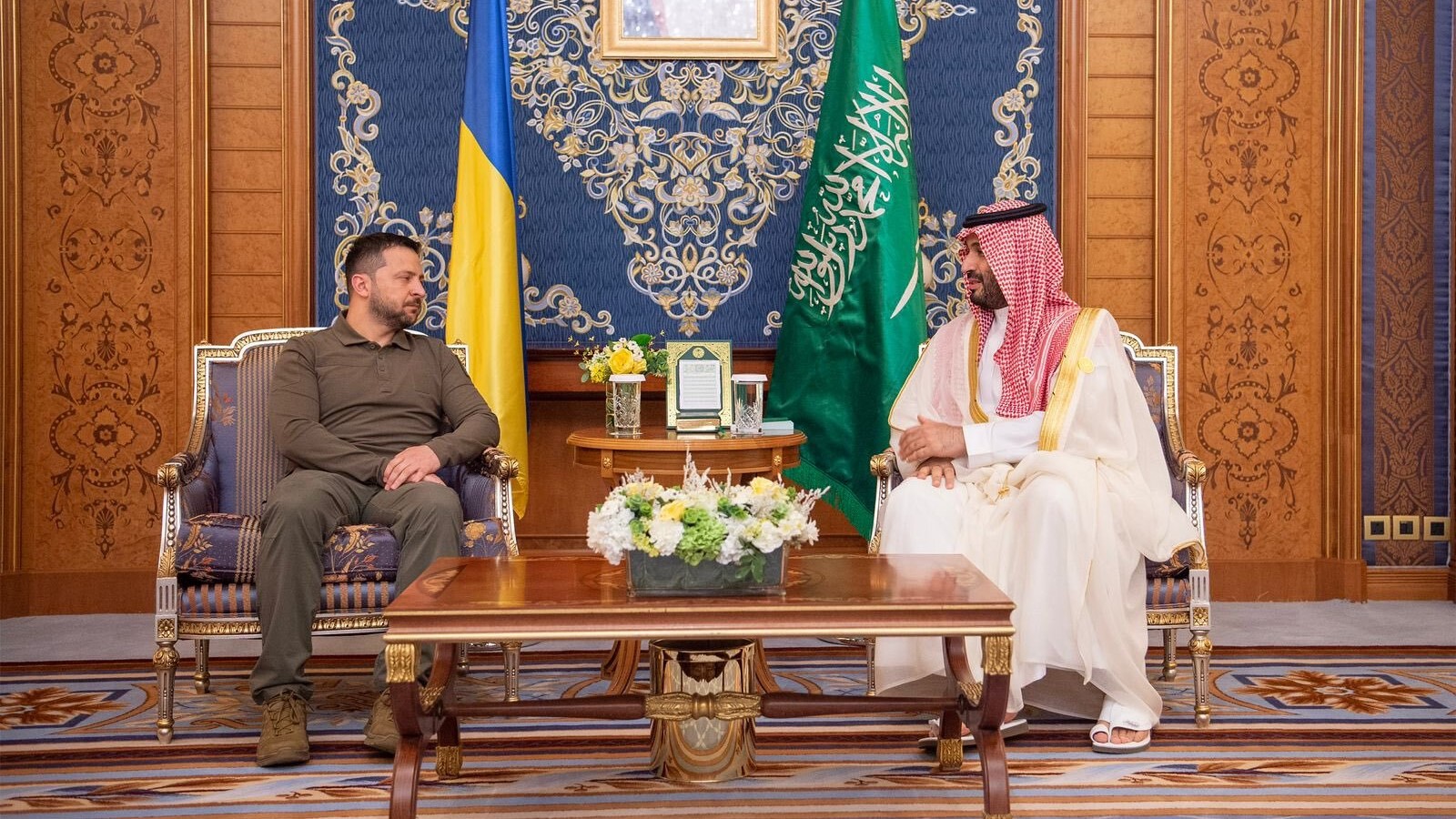
Russia’s full-scale invasion of Ukraine has destabilized and distressed the entire Black Sea neighborhood. Yet despite the war, or perhaps because of it, strategically important foreign direct investments into Black Sea littoral countries, including from the Gulf, have endured or even grown.
Over the last two decades, the Mediterranean has become an important region. Many scholars, policymakers and analysts have mostly referred to this region from a nexus of security, geopolitics and traditional energy politics. With the war in Ukraine, the relevance of this whole region has increased along the same line. The Mediterranean today is home to some of the most enduring conflicts in the world. New energy resources are being discovered in disputed areas in an environment of intense geopolitical competition over regional leadership and energy routes within and beyond the region.
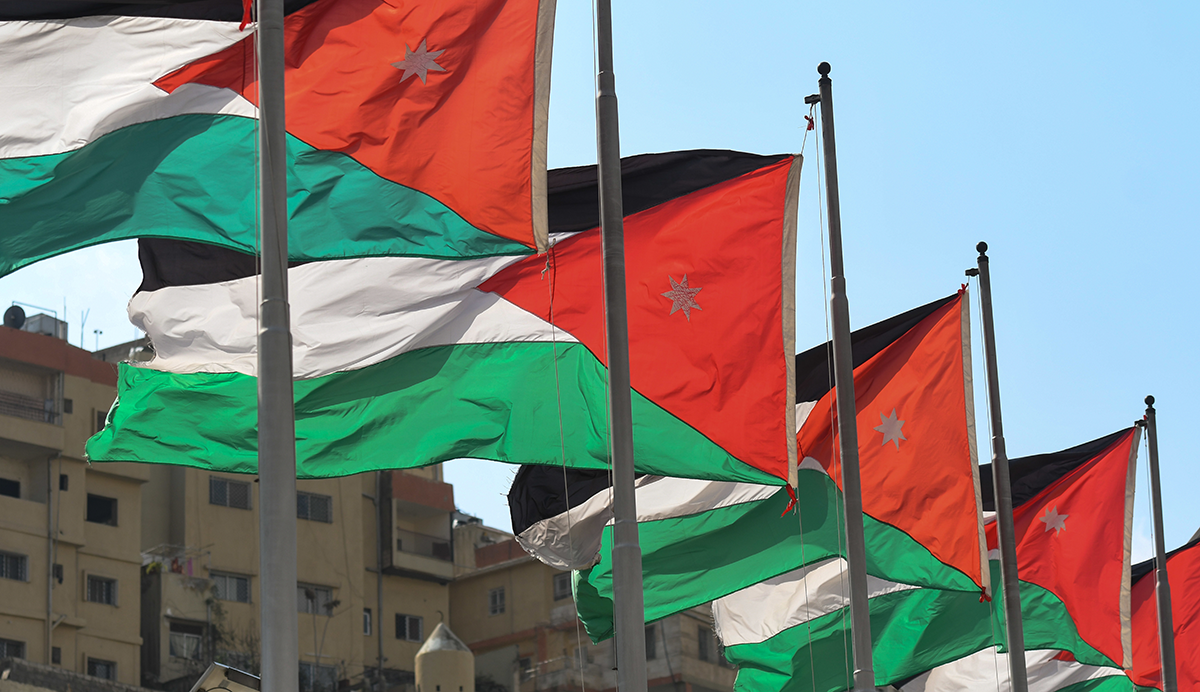
In the past few years, Jordan’s public debt has become a major policy concern for the government, the international community, and key donors that support Amman. The public debt has risen significantly over the past 15 years, raising many questions about Jordan’s future macroeconomic stability, public debt sustainability, and the government’s ability to finance development projects.
Decarbonization and Political Transformation in Iraq: The Impact on Politics, Society and Regional Relations
What happens when a petrostate loses its oil rents? While the oil market continues to go through boom-and-bust cycles, cases such as Iraq provide evidence of how the rapid loss of oil revenues—traumatic decarbonization—may affect the politics and stability of these petrostates. In Iraq, multiple shocks to oil revenues from 2014 through 2020 fundamentally altered the organization and concentration of political power in Iraq with destabilizing and democratic consequences.
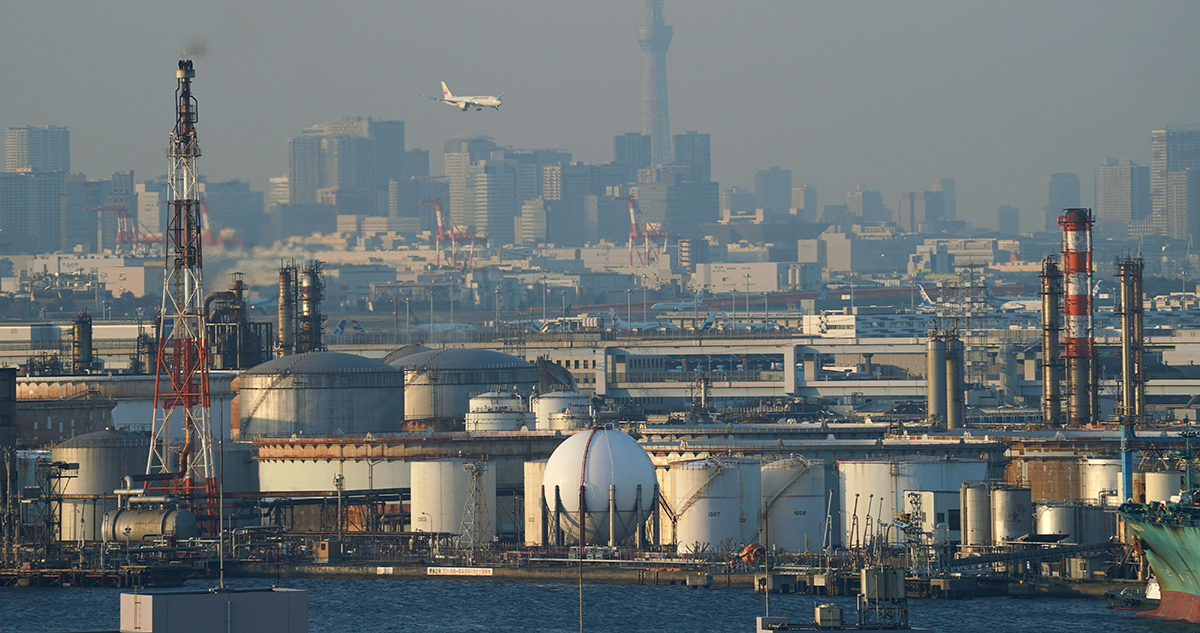
When Saudi Arabia suddenly announced in early April that it would reduce its oil production by 500,000 bpd, followed shortly thereafter by several other OPEC+ members, bringing the total cut to 1.1 million bpd, Japan was greatly concerned. In spite of Japan’s serious efforts to work toward a carbon-neutral society, the country is still heavily dependent on oil, the overwhelming majority of which comes from the Persian Gulf.
The road to Marrakech: US-China tensions loom over IMF/WB spring meetings
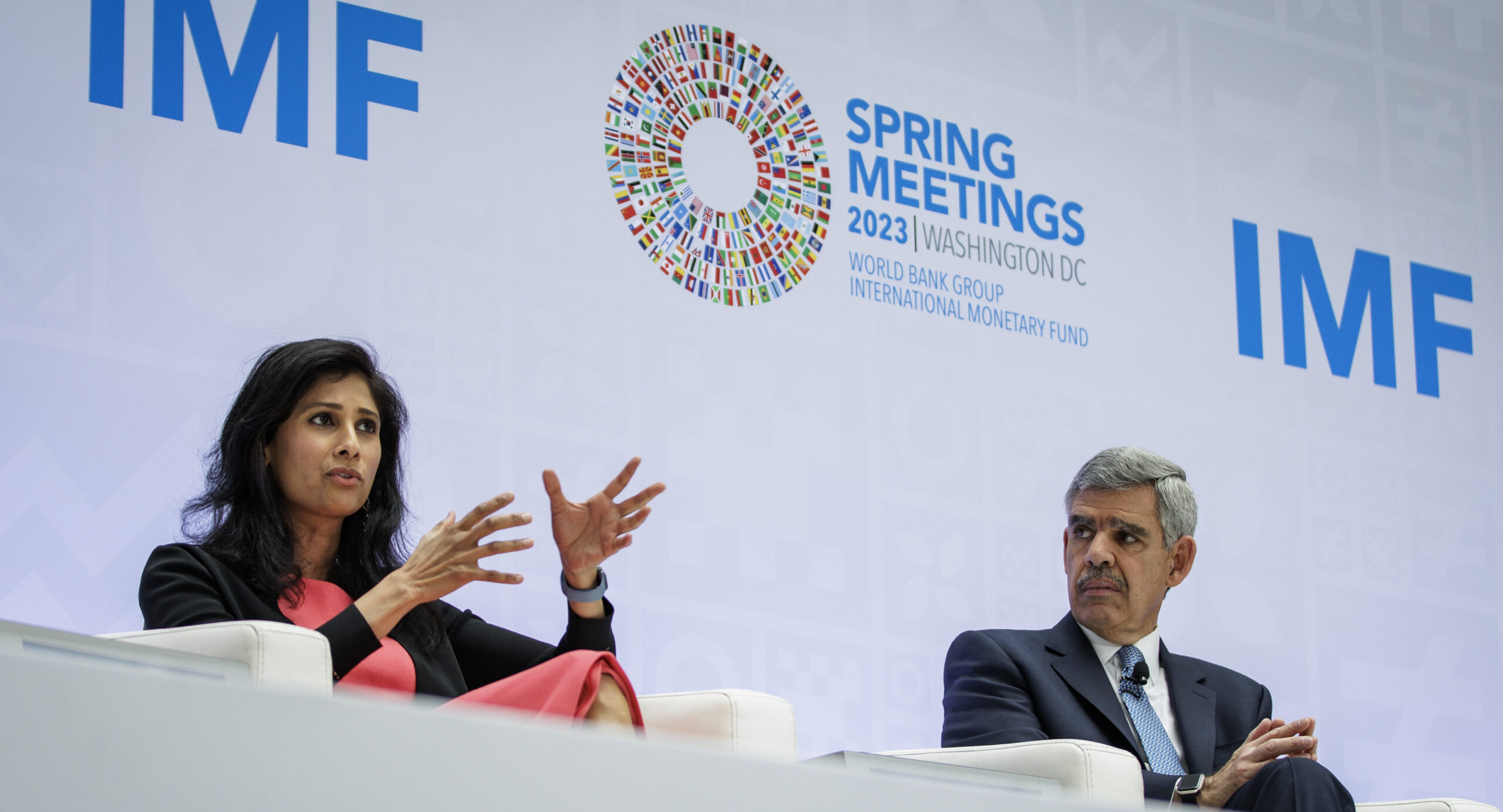
Last week’s spring meetings of the IMF and World Bank in Washington, D.C., were an important occasion for financial and economic leaders from the MENA region to meet with their counterparts from these IFIs and major bilateral donor countries. At the same time, they serve as a lead up to the important Annual Meetings that will be held in Marrakech, Morocco, in the fall — the first time they will be hosted by an Arab or African country.
Middle East and Africa: Slowing Growth and Rising Food Prices Present Human Capital Challenges
The World Bank’s MENA regional economic update released on April 6, 2023 is one that may herald a sharp divide, both within the region, with its uneven economic trajectory and obstacles to human capital development, and globally, as a cleavage between energy exporters and importers.
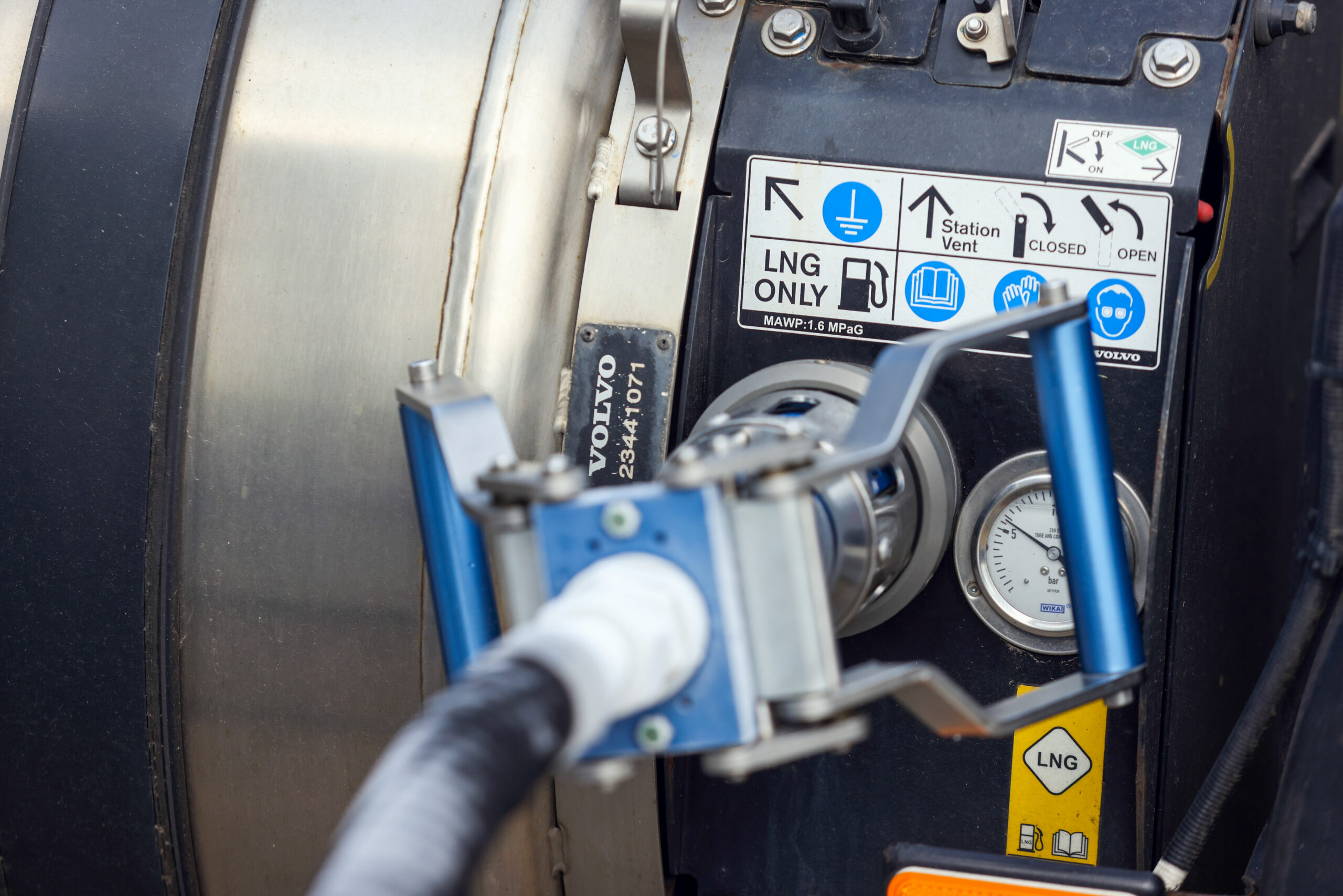
Small-scale LNG as a solution for Saudi Arabia’s environmental and fuel supply problems
The development of small-scale LNG and the domestic deployment of LNG as a transport and power-generation fuel could help to lower Saudi Arabia’s carbon footprint as well as improve air quality by reducing vehicle exhaust.
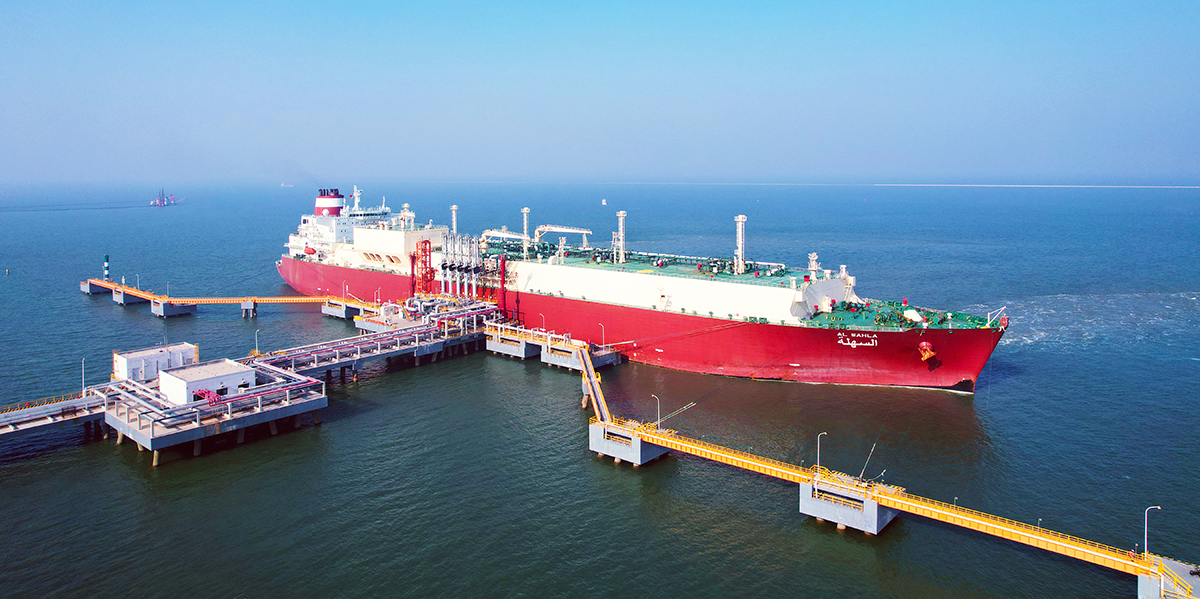
Qatar doubles down on LNG amid energy market volatility
The oil and gas sector has been the dominant driver of Qatar’s economy. Over the years, although that sector has remained the major focus of Qatari investments, the emphasis has increasingly shifted towards the expansion of the country’s gas production and LNG export capacity. While the construction boom ahead of the 2022 FIFA World Cup powered the Qatari economy in recent years, income generated by the expansion of the country’s LNG production and export capacity is likely to drive the economy for many years to come — both despite and partly because of the market turmoil caused by the fallout from Russia’s invasion of Ukraine in February 2022.
Missed opportunities: The billions sacrificed annually to generate electricity in the GCC
The GCC governments still cover over 40% of the cost of domestic electricity production. Yet, electricity subsidy bills alone do not reflect the full extent of their economic losses. Once the forgone revenues from the export of natural gas and oil used to meet rising domestic energy demand are added in, the total economic cost of the GCC’s electricity is too great to ignore.