News Brief: Iran’s Guardian Council has announced that it will reassess incumbent President Hassan Rouhani’s eligibility to run for reelection next May.
Top Iranian Cleric Equates Obeying Elected Officials to “Obeying Satan”
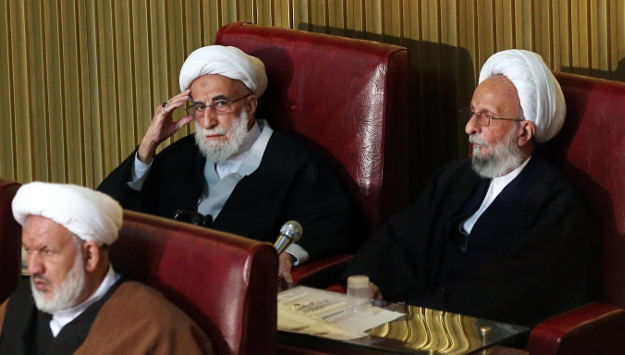
News Brief: A top Iranian cleric has openly questioned the legitimacy and authority of elected officials in the Islamic Republic. “We don’t have any narration [a precedent in Shiite traditions] that says obeying a person who has come to power through a majority of people’s votes is compulsory,” opined Ayatollah Mesbah Yazdi, the head of Imam Khomeini Organization for Learning and Research in the holy Iranian city of Qom.
Turkey Warns Iran against Breach of Syria Cease-Fire
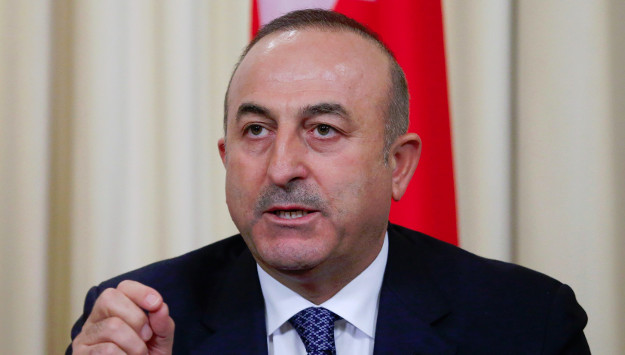
The Turkish foreign minister has openly urged Iran to “play its role as an underwriter of the ceasefire in Syria.” Mevlut Cavusoglu specifically demanded that Tehran rein in Shiite militiamen and the Lebanese Hezbollah and make them “stop violating” the ceasefire in Syria that was agreed on December28.
Tehran has rejected reports about explosions in the oil-rich Khuzestan Province on the border with Iraq. Earlier reports suggested that the group “Arab Struggle Movement for the Liberation of Ahwaz” had blown up two pipelines and warned of more attacks to come. The group justified its attacks to “protest at the continuing occupations” of “Ahwazi [Khuzestan] land” by Iranians.
Hezbollah Front Company Allegedly Training Kuwait University Students
A Lebanese company fronting for Hezbollah allegedly has contracted with Kuwait University to provide students with training in computers and information science, according to the Kuwaiti daily al-Shahed. Alarmed Kuwaitis have asked the Ministry of Education to investigate the reports. According to the al-Shahed report, the sources claim that the front company is using its program to “brainwash” the students and is providing them with free travel to Lebanon, including tickets and accommodations, which includes arranging visits to Hezbollah headquarters in Beirut.
Iran Sees Iraqi Shiite Militiamen as “Strategic Capacity”
Ali Shamkhani, the head of Iran’s Supreme National Security Council (SNSC), has called Iraqi Shiite militia, the Hashd Al-Shaabi (Popular Mobilization Forces), a “strategic capacity for the future of Iraq.” Shamkhani said this to the visiting former Iraqi prime minister, Nouri al-Maliki. Mailiki in turn thanked Iran for its “support for the Iraqi government and people” and lashed out at Tehran’s regional rivals Turkey and Saudi Arabia.
Iran-led Forces Intensify Fighting in Syria despite Truce
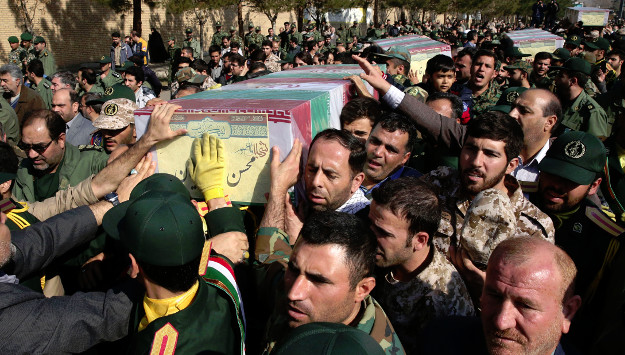
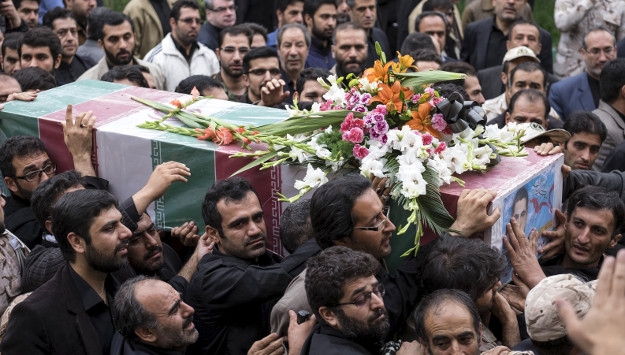
The Iranian media reports that a senior general of the Islamic Revolution Guards Corps (IRGC) has been killed in Syria. According to IRGC-affiliated Fars News Agency, Gholamali Gholizadeh was “martyred during fighting with Takfiri terrorists.” Iranian officials and outlets often refer to all Syrian opposition forces as “terrorists.”
Iranian media has reported that Javad Turk-Abadi will be Iran’s next ambassador to Damascus. “Turk-Abadi was chosen by Foreign Minister Javad Zarif and this selection was approved by President Hassan Rouhani,” it was reported.
IRGC Commander Hints at Executing Opposition Leaders
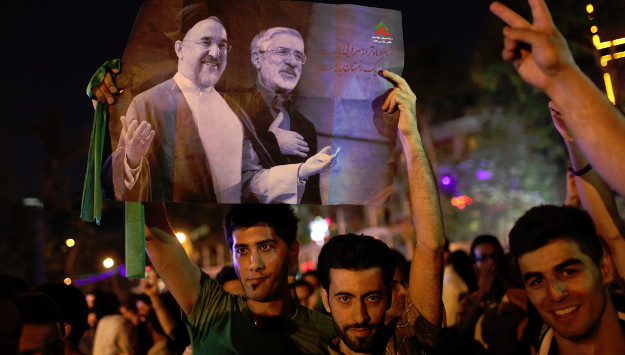
News Brief: In a controversial set of remarks, a top commander from the Islamic Revolution Guards Corps (IRGC) suggested that “the people” would want the death penalty to be imposed on the two leaders of Iran’s opposition movement. Hossein Nejat was referring to Mir Hossein Mousavi and Mehdi Karroubi, who spearheaded the mass protests against the regime during 2009-2011. “These people under house arrest enjoy wonderful amenities. They have swimming pools and access to the internet.
Iranian Judiciary Chief Defends Regime’s Dismal Rights Record
Iran’s Judiciary Chief Ayatollah Sadegh Larijani dismissed international concern about human rights abuses in Iran and claimed that people of all faiths and backgrounds enjoyed freedom and protection in the Islamic Republic. He also lamented that attacks against Muslims and their places of worship in the West are on the rise and accused Western countries of promoting “Islamophobia.”
Hardline Iranian Cleric Calls Mass Execution “Revolutionary”
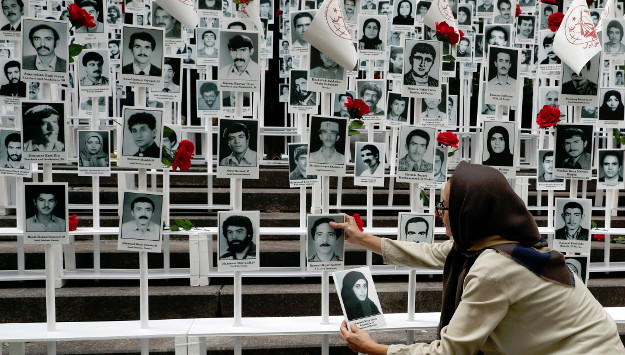
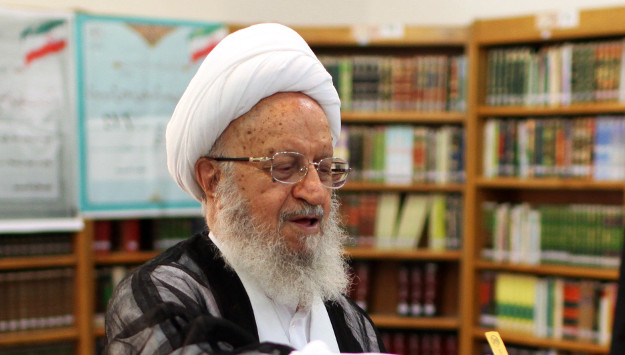
Grand Ayatollah Nasser Makarem Shirazi has called the execution of thousands of political prisoners in Iran in 1988 “a revolutionary act.” He continued, “There is a group [within the country] that want to seek revenge from the regime and destroy it.” He also alleged that Iranian political dissidents are in
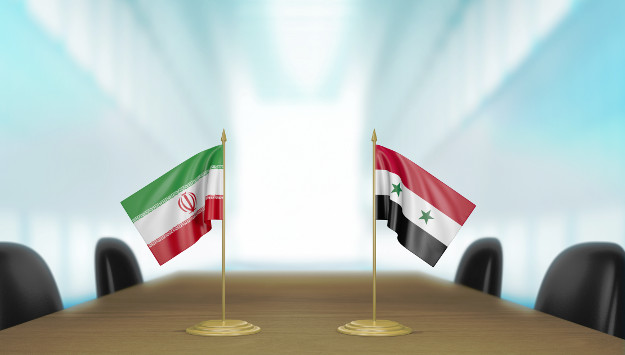
Senior Iranian Delegation Visits Damascus for Talks
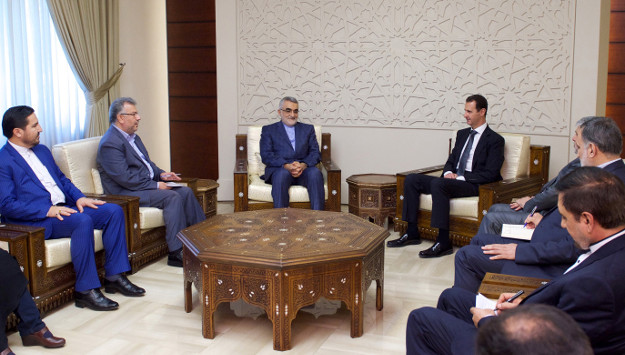
Iran’s Fars News Agency reports that a high-level Iranian parliamentary delegation left Tehran for Damascus on January 3 to hold meetings with senior Syrian officials. The chairman of Iranian Parliament’s Committee on National Security and Foreign Policy, Alaeddin Boroujerdi, heads the delegation.