تمت ترجمة هذا النص بواسطة الذكاء الاصطناعي وقد يحتوي على أخطاء.
تخطي إلى المحتوى

Research & Commentary Results

تصفية حسب
2759 Results
The Rise of Harm Reduction in Morocco: Successes and Challenges
معهد الشرق الأوسط
  • التحليل
  • The Rise of Harm Reduction in Morocco: Successes and Challenges

    Morocco has become the second MENA country after Iran to implement a nationwide harm reduction strategy aimed at stopping the spread of HIV/AIDS among people who use drugs. Moroccan civil society organizations (CSOs) have worked to devise a comprehensive strategy that will disseminate a full package of harm reduction services. The longstanding HIV/AIDS community-based organization Association de Lutte Contre le Sida (ALCS) is leading these efforts to make the national drug policy less repressive and more effective. Harm reduction is based on the notion that marginalized populations are entitled to their basic human rights, but in some countries, governments have merely used it as another tool for social control. ALCS has sought to prevent this from occurring in Morocco by remaining focused on harm reduction’s core principles.
    February 23, 2015

    Looking at Armenian-Iranian Relations Through a Russian Lens
  • التحليل
  • Looking at Armenian-Iranian Relations Through a Russian Lens

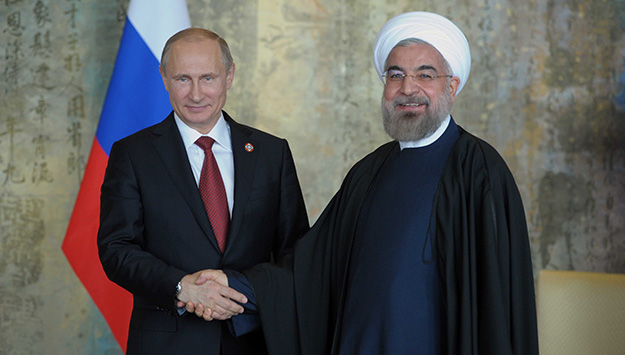
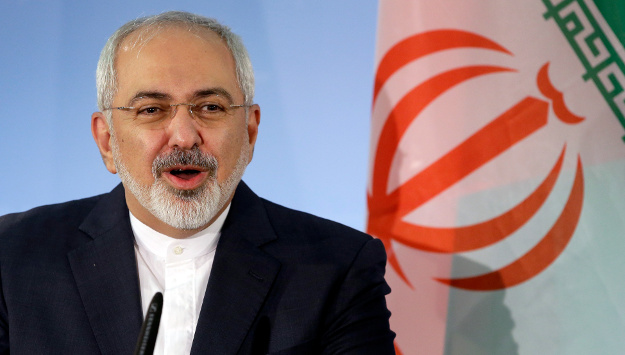
    The late January visit to Armenia by Iranian Foreign Minister Javad Zarif got little media attention, but it could have significant ramifications for geopolitics in Eurasia. Specifically, the trip could help Russia gain a trade outlet that softens the blow of Western sanctions.
     

    Why Should Iran Accept U.S. Presence in Afghanistan?
    معهد الشرق الأوسط
  • التحليل
  • Why Should Iran Accept U.S. Presence in Afghanistan?

    Read the full article on Al-Monitor. 

    At first glance, Iran appears to be unconvinced about Afghanistan’s new President Ashraf Ghani, and the feeling is probably mutual. Ghani chose Saudi Arabia, China and then Pakistan as the first countries to visit as president, and has yet to visit Tehran. 

    Iran as an Occupying Force in Syria
  • التحليل
  • Iran as an Occupying Force in Syria

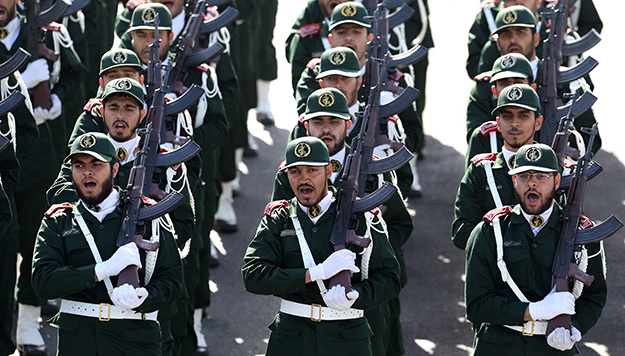
    It is no longer accurate to describe the war in Syria as a conflict between Syrian rebels on the one hand and Bashar al-Assad’s regime forces “supported” by the Iranian Revolutionary Guards (IRG), Hezbollah, and Iraqi militias on the other. Most major battles in Syria—along the frontlines of regime-held areas—are now being directed and fought by the IRG and Hezbollah, along with other non-Syrian Shi‘i militias, with Assad forces in a supportive or secondary role.

    December 17, 2014

    Iran’s Nuclear Secrets Need to be Revealed
  • التحليل
  • Iran’s Nuclear Secrets Need to be Revealed

    Expert American opinion on the outcome of last month’s nuclear negotiations with Iran is sharply divided. Those who want Iran to give up all enrichment technology are relieved that a “bad” deal was averted.

    December 10, 2014

    The American Approach in Syria and Iran: Soft and Dangerous
    معهد الشرق الأوسط
  • التحليل
  • The American Approach in Syria and Iran: Soft and Dangerous

    In his pursuit of foreign policy deals with Syria and Iran, President Obama has taken a soft approach. As a result, Syria and Iran have taken advantage with aggressive opportunism.

    December 10, 2014

    Obama's Legacy on Iran
  • التحليل
  • Obama's Legacy on Iran

    This paper is part of an MEI scholar series, titled “Obama’s Legacy in the Middle East: Passing the Baton in 2017.” Click here to view the full project, or navigate using the table of contents to the right.

    Obama and the Maghreb in the Wake of the Arab Spring
    معهد الشرق الأوسط
  • التحليل
  • Obama and the Maghreb in the Wake of the Arab Spring

    This paper is part of an MEI scholar series, titled “Obama’s Legacy in the Middle East: Passing the Baton in 2017.” Click here to view the full project, or navigate using the table of contents to the right.

    November 7, 2014

    Iran's Headscarf Politics
  • التحليل
  • Iran's Headscarf Politics

    Iranian women have long been in a cat-and-mouse game with the interpretation and enforcement of many aspects of Islamic law, but most especially the hijab. Since 1983, when the first written law was passed, the Islamic Republic has made it officially mandatory for women to wear the headscarf and loose clothing, with punishment for failing to comply ranging from lashes to imprisonment. Even before the law was passed, just a few strands of hair outside the scarf would not be tolerated.

    November 3, 2014

    Contemporary Patterns in Transregional Islam: Indonesia’s Shi‘a
    معهد الشرق الأوسط
  • التحليل
  • Contemporary Patterns in Transregional Islam: Indonesia’s Shi‘a

    Representing about 1% of the country’s 200 million Muslims, Indonesia’s Shi‘a are but a small group in the overwhelmingly Sunni majority. These contemporary communities of devotees of the ahl al-bayt (“people of the house,” referring to the Prophet Muhammad, his daughter Fatima, her husband ‘Ali, and their sons Hasan and Husayn) explain their identities, albeit with differences, in transregional terms. Recently, this transregional focus has turned from South Asia toward the Islamic Republic of Iran.

    October 31, 2014

    Iran-Pakistan: Will Border Tensions Boil Over?
  • التحليل
  • Iran-Pakistan: Will Border Tensions Boil Over?

    This article was first published on BBC News.

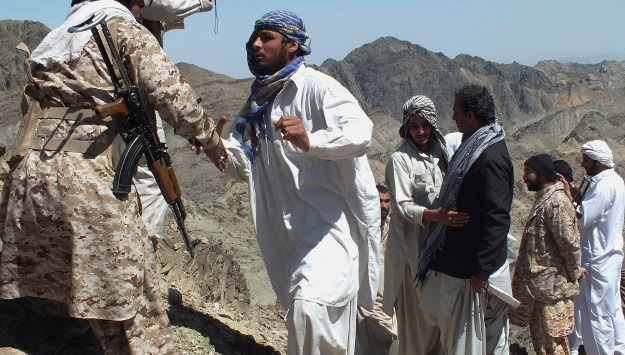
    There have been a number of rounds of border skirmishes between Iran and Pakistan since the first week of October. However, reports that Pakistani forces have returned mortar fire is highly unusual and represents an increase in tensions that have marred this region for years.