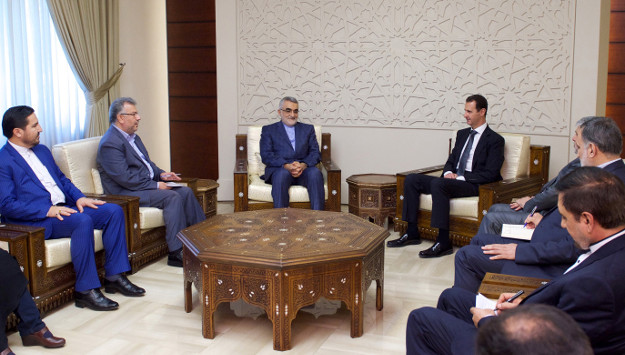
Senior Iranian Delegation Visits Damascus for Talks
Iran’s Fars News Agency reports that a high-level Iranian parliamentary delegation left Tehran for Damascus on January 3 to hold meetings with senior Syrian officials. The chairman of Iranian Parliament’s Committee on National Security and Foreign Policy, Alaeddin Boroujerdi, heads the delegation.
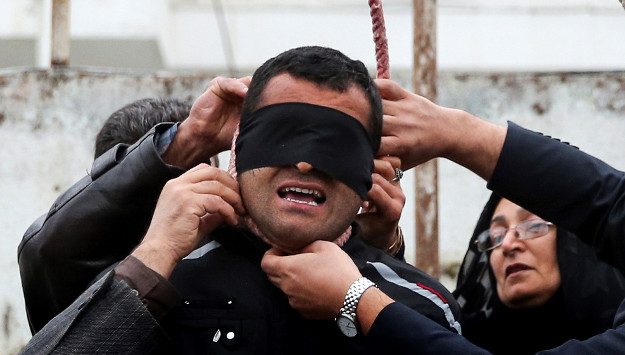
Iran’s Hunger-Striking Political Prisoners in Focus
The fate of a number of Iranian political prisoners who are on hunger strike is proving hugely embarrassing for Tehran.
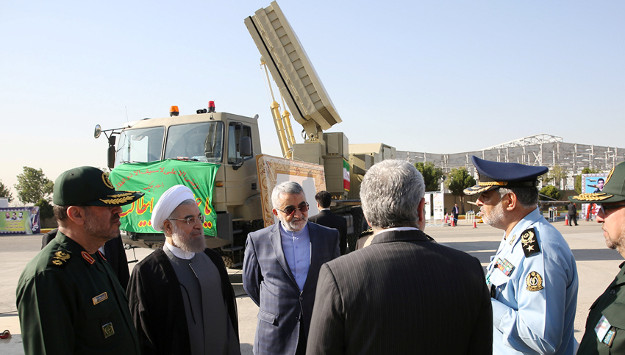
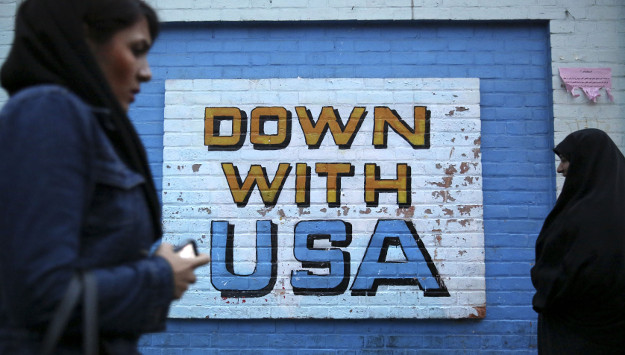
Iran Hosts International “Down with USA” Exhibition
News Brief: On December 29, senior Iranian civilian and military officials participated in the closing ceremony of The Third International Grand Award of “Down with USA” held in Tehran. The organizers of the event had asked artists, photojournalists, cartoonists and documentary-makers from all over the world to submit their works for the competition and promised monetary rewards for the winners.
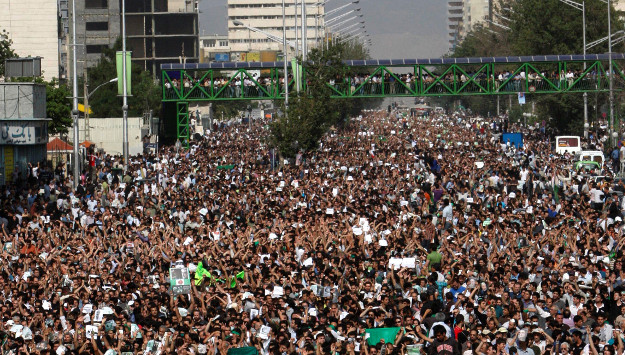
Khamenei Loyalist Accuses London of “Coup Plot”
Heydar Moslehi, Supreme Leader Ayatollah Ali Khamenei’s special representative to the Islamic Republic Guards Corps (IRGC), has launched a scathing attack on Western embassies in Tehran.
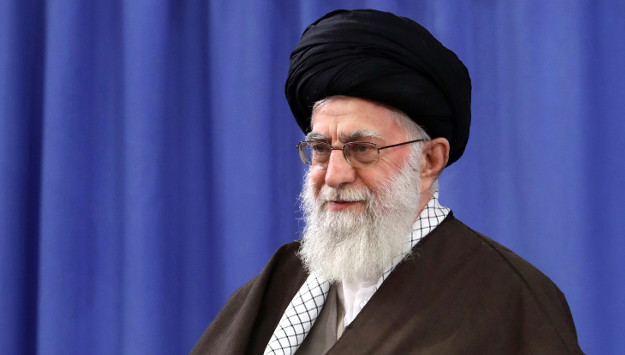
Khamenei’s Tight Control over Iran’s Missile Arsenal
Hassan Firouzabadi, up until recently the Chief of Staff of Iranian Armed Forces, has revealed the country’s supreme leader is intensely involved in managing Iran’s missile industry.
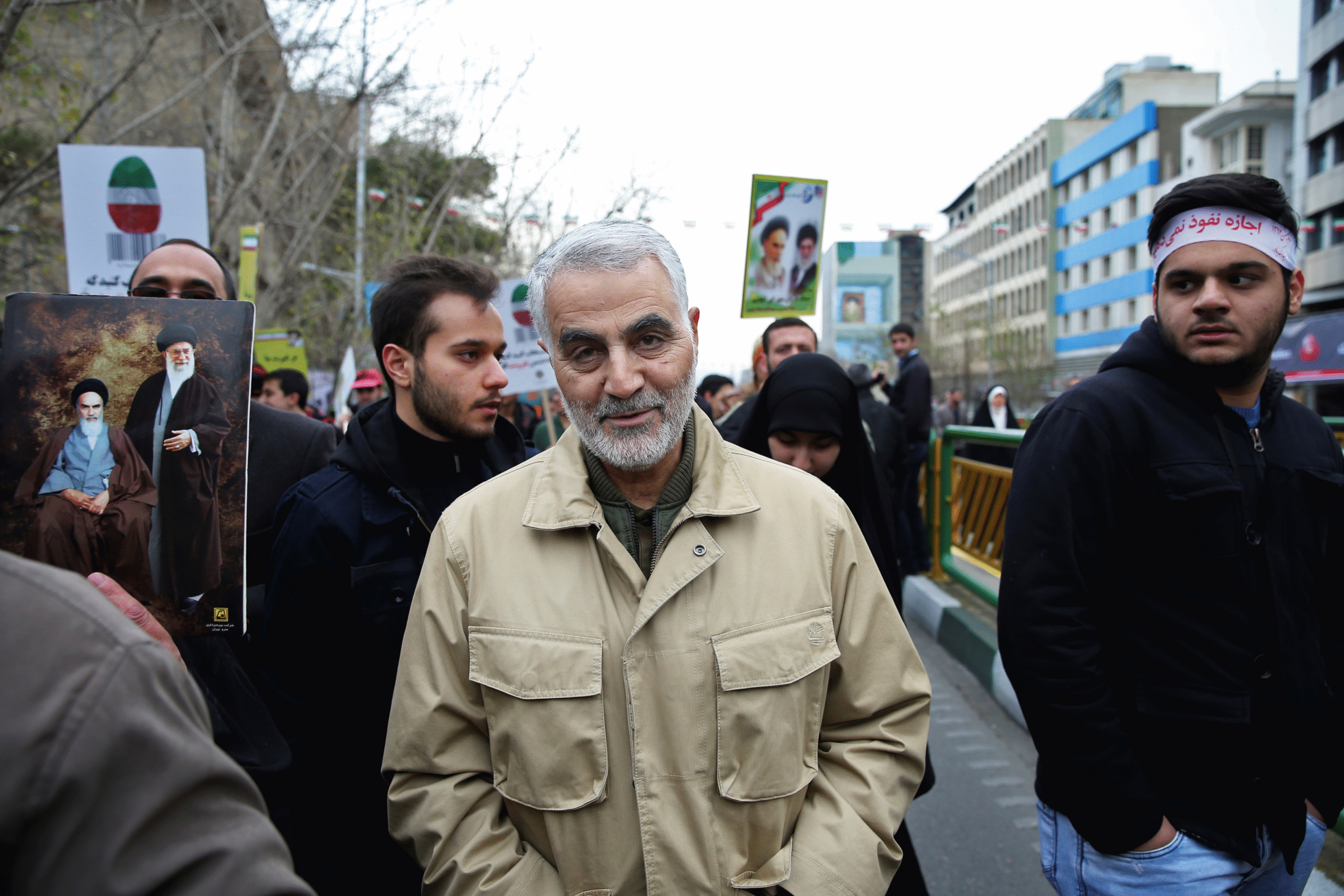
Qassem Suleimani in Aleppo Angers Russian Generals
News Brief: Shia News, an Iranian website, commented that the sudden appearance of Qassem Suleimani, the head of Iran’s Quds Force, in the streets of Aleppo after it was recaptured by Iran-led forces generated anger among the top Russian military brass.

Iranian Military Base for Russia Illustrates Tehran’s Real Agenda
On December 27, Iran’s Defense Minister Hossein Dehghan gave a lengthy interview about Iranian regional policy objectives. In his remarks, Dehghan made it clear that Russia can count on access to military sites on Iranian soil should circumstances require it.
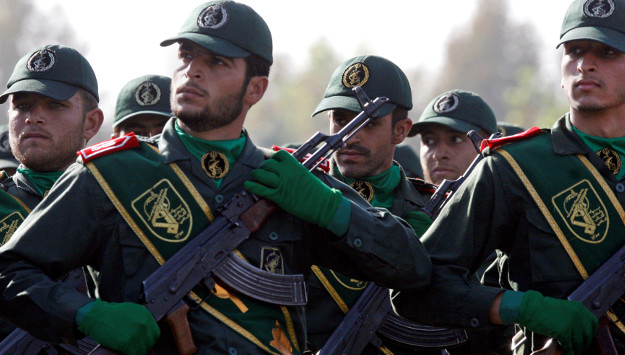
IRGC Sees Victory in Syria Vital to Expanding Its Hegemony in Region
A top Iranian general has said the “liberation” of the Syrian city of Aleppo was a “strategic” victory for Iran over the United States and regional countries. “When Aleppo was liberated, polici
Iran Provokes Region with Plan to Build Aircraft Carrier
A senior Iranian navy commander unveiled the country’s plan to construct an aircraft carrier as part of a broader project to upgrade the country’s maritime warfare capabilities.
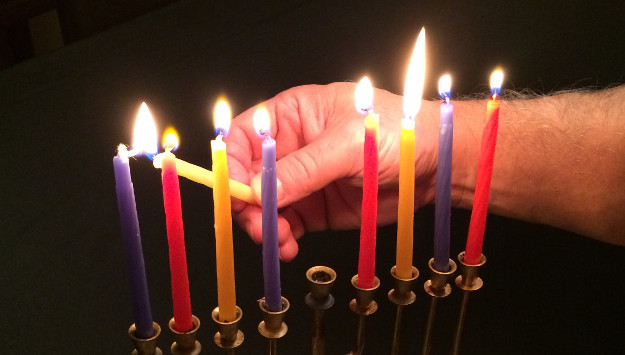
Anger in Iran at Arabs Dancing with “Blood-Thirsty” Jews
A mixed gathering of a number of Bahrainis and American Jews has been met with strong disdain by a number of Iranian news sites.
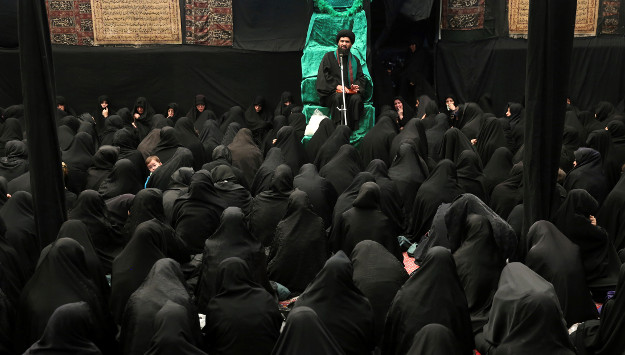
Iran Has 75,000 Mosques but No Leadership
Ali Jannati, a former minister of culture under President Hassan Rouhani, has strongly attacked the state of the Iranian society and a lack of political leadership in the country. He said that there were “75,000 mosques and 800 Friday prayer leaders” in Iran today, but ordinary people still had “no one to turn to for leadership.”